
BSD OC Maker
Use this Bungo Stray Dogs OC maker to create a BSD OC with a clear role, anime portrait, and ability idea. Start with who they are first, then add the power, mood, and visual clue that make the character feel less generic.
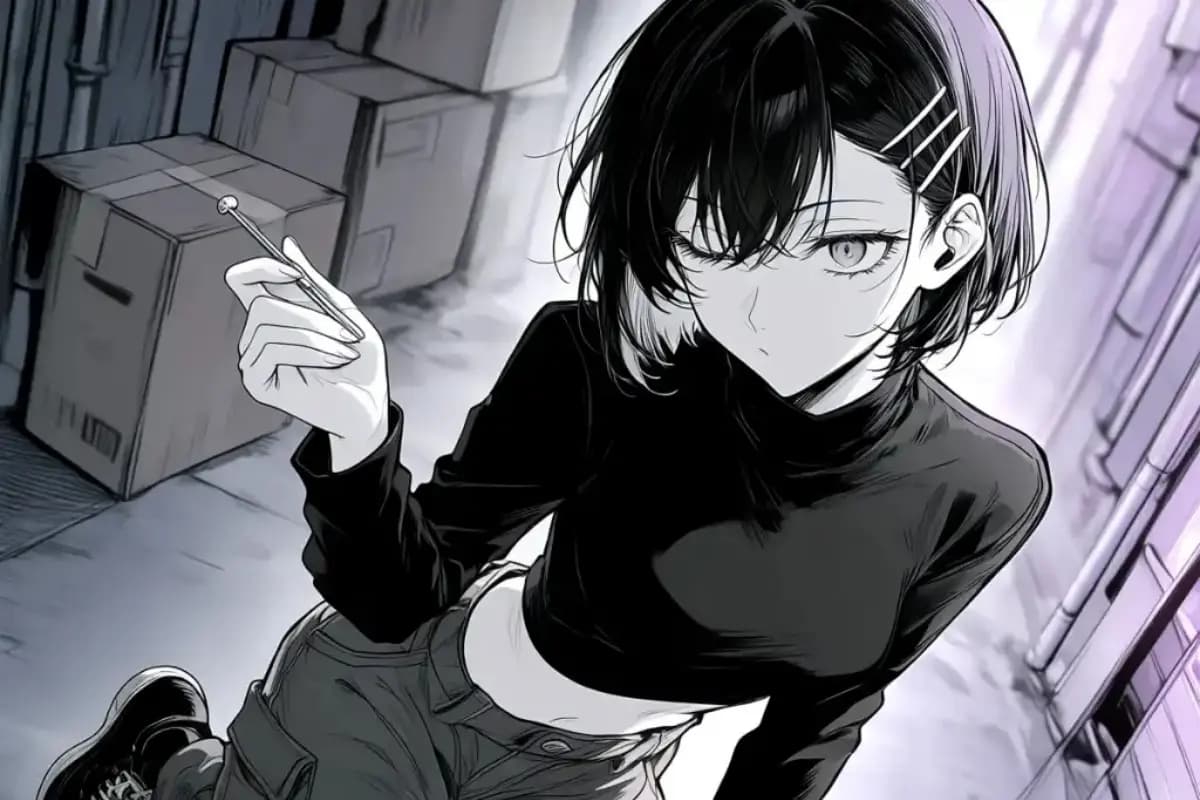
Start With a BSD OC Idea You Can Actually Build
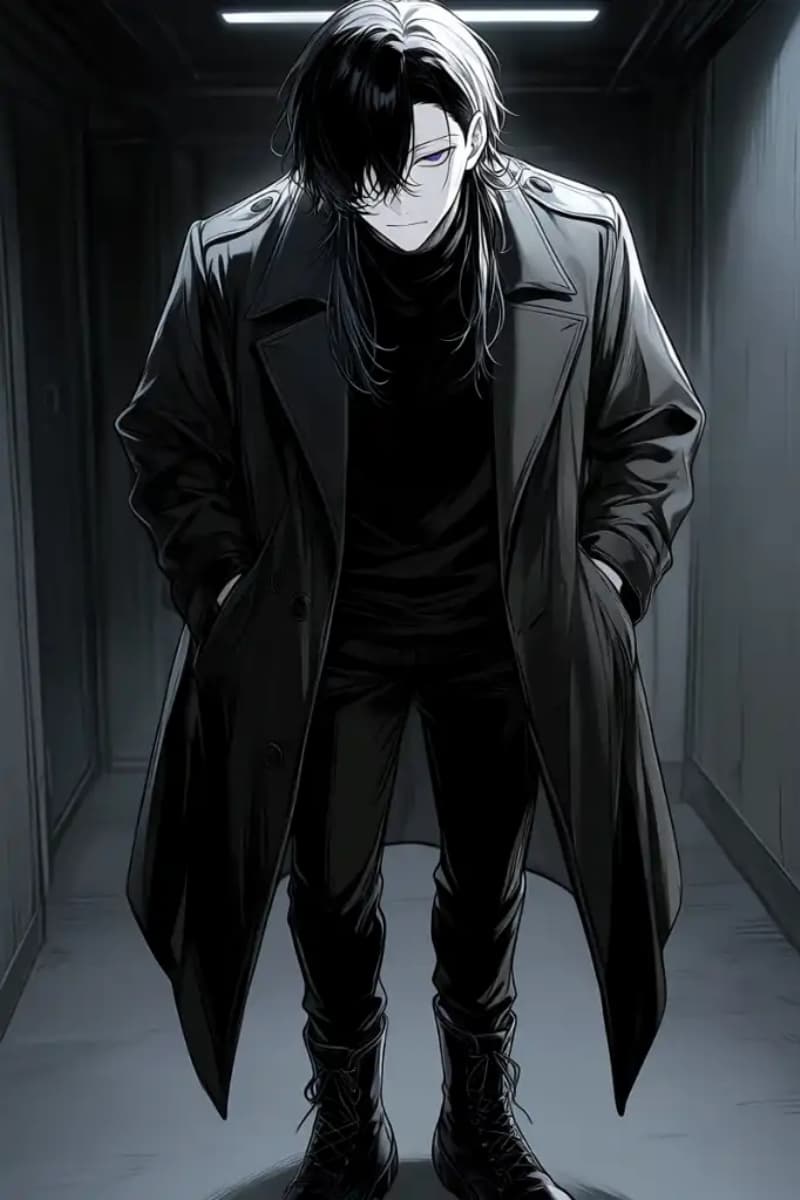
BSD OC idea, black-haired male, long dark coat, narrow hallway, guarded expression, lone gifted-user mood
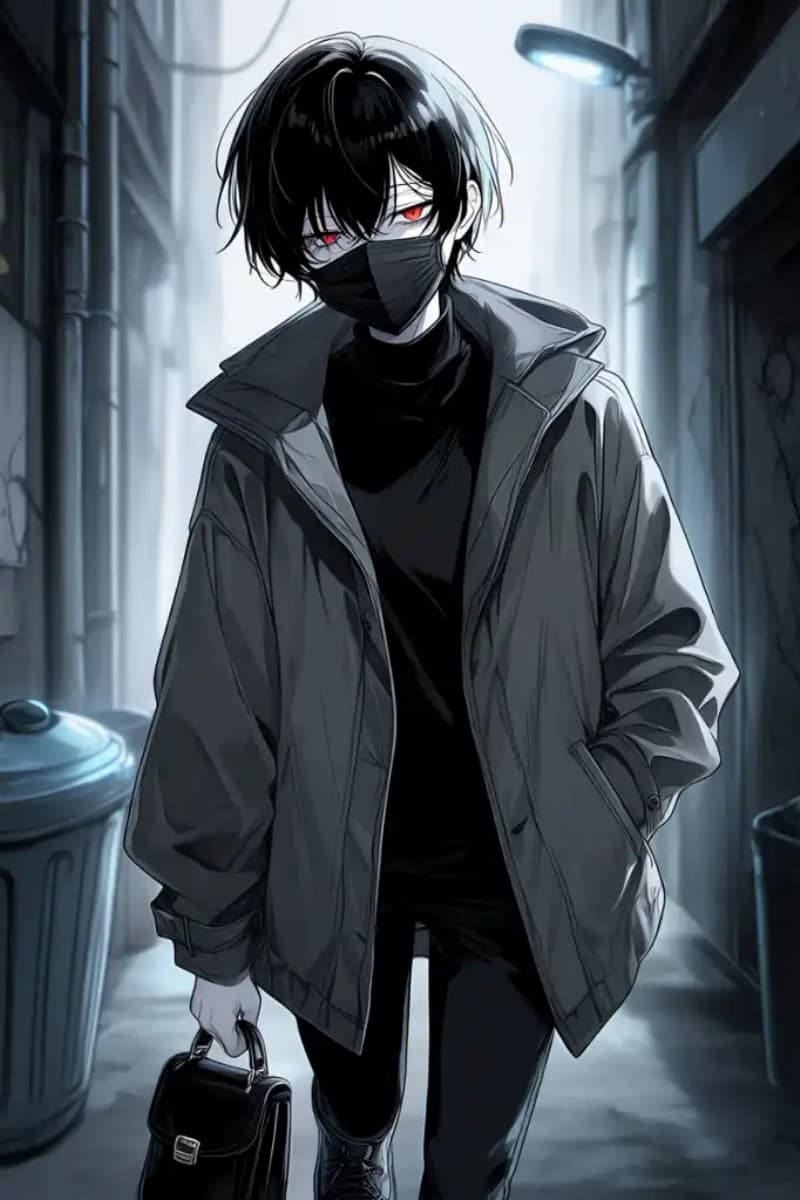
Port Mafia BSD OC, black hair, red eyes, face mask, gray jacket, alley setting, dangerous courier mood
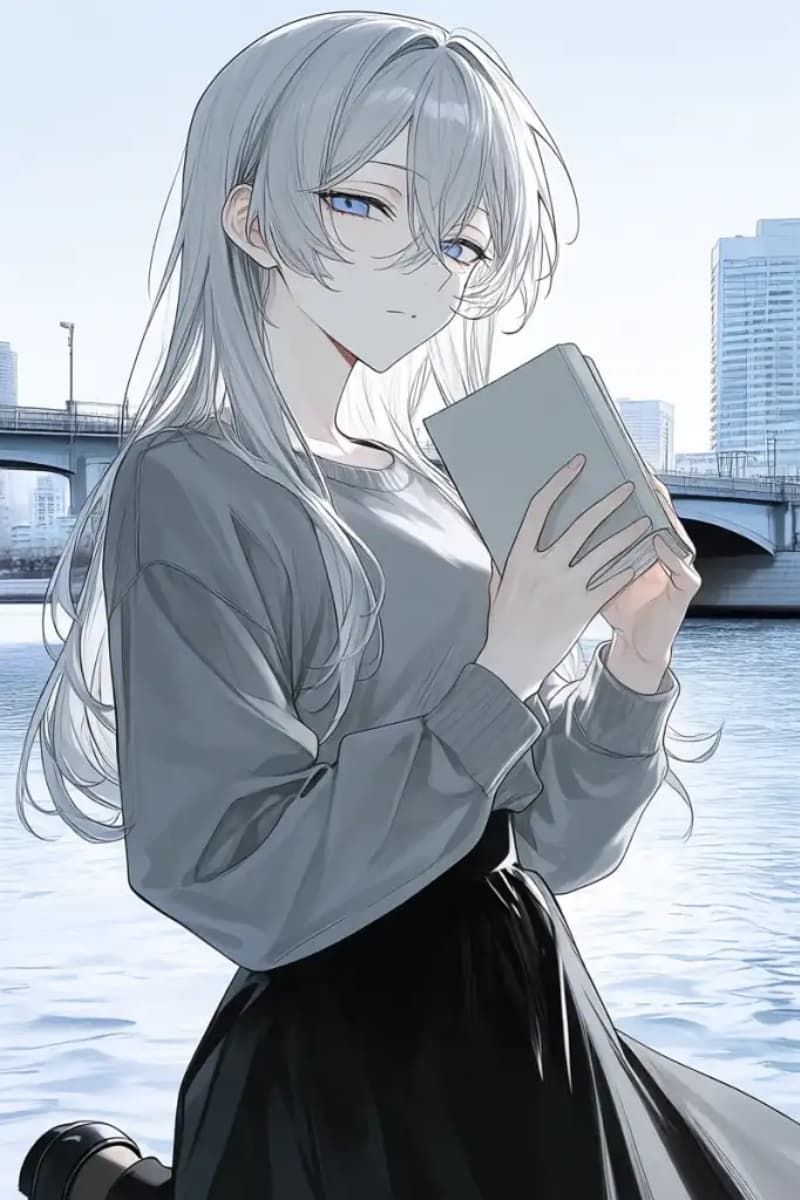
Bungo Stray Dogs OC idea, silver-haired girl, riverside background, holding a book, quiet student mood
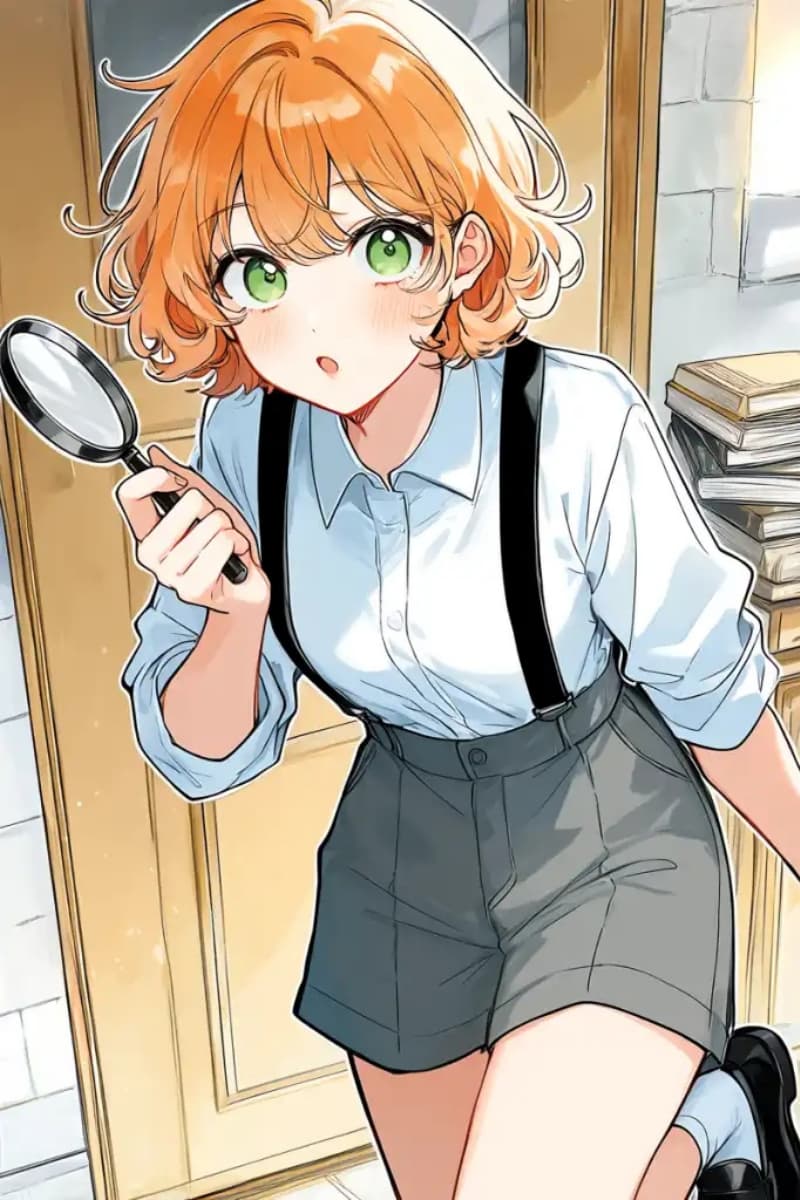
BSD detective OC, orange-haired girl, magnifying glass, suspenders outfit, curious expression, playful investigator idea
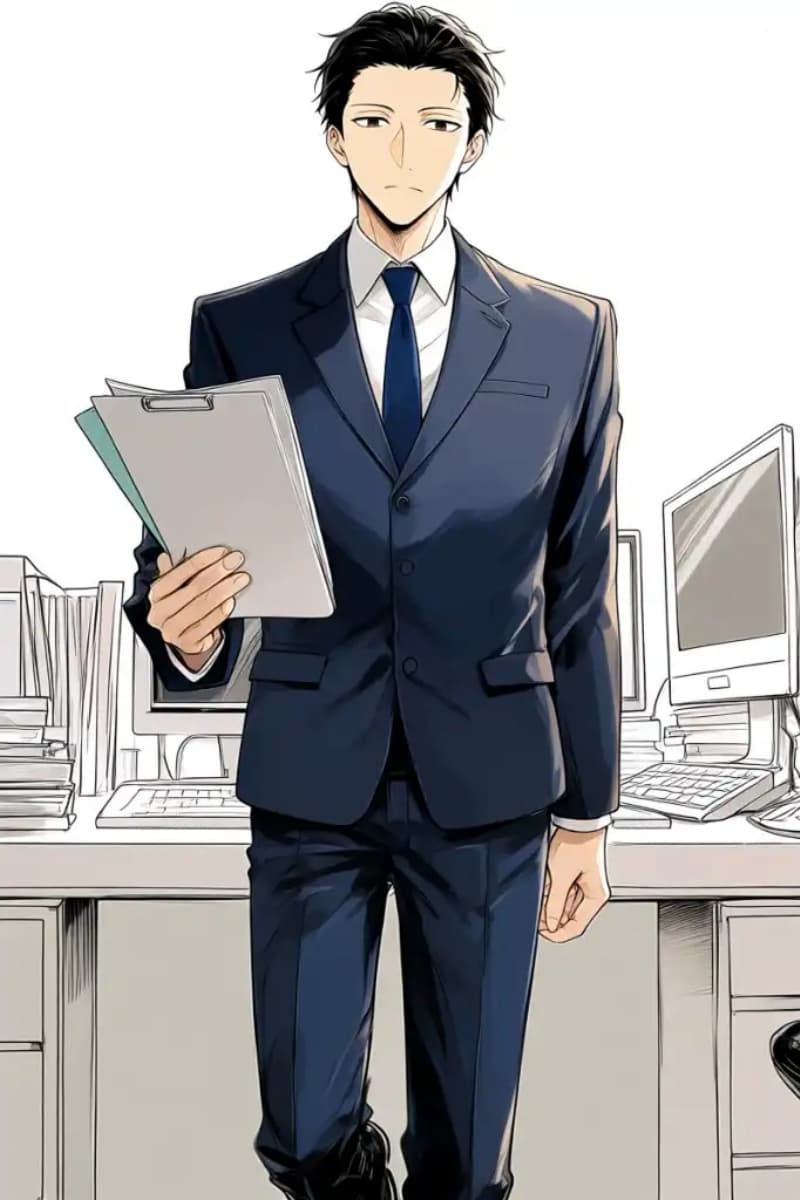
Bungou Stray Dogs OC, dark-haired man, navy suit, clipboard, office background, calm government-side mood
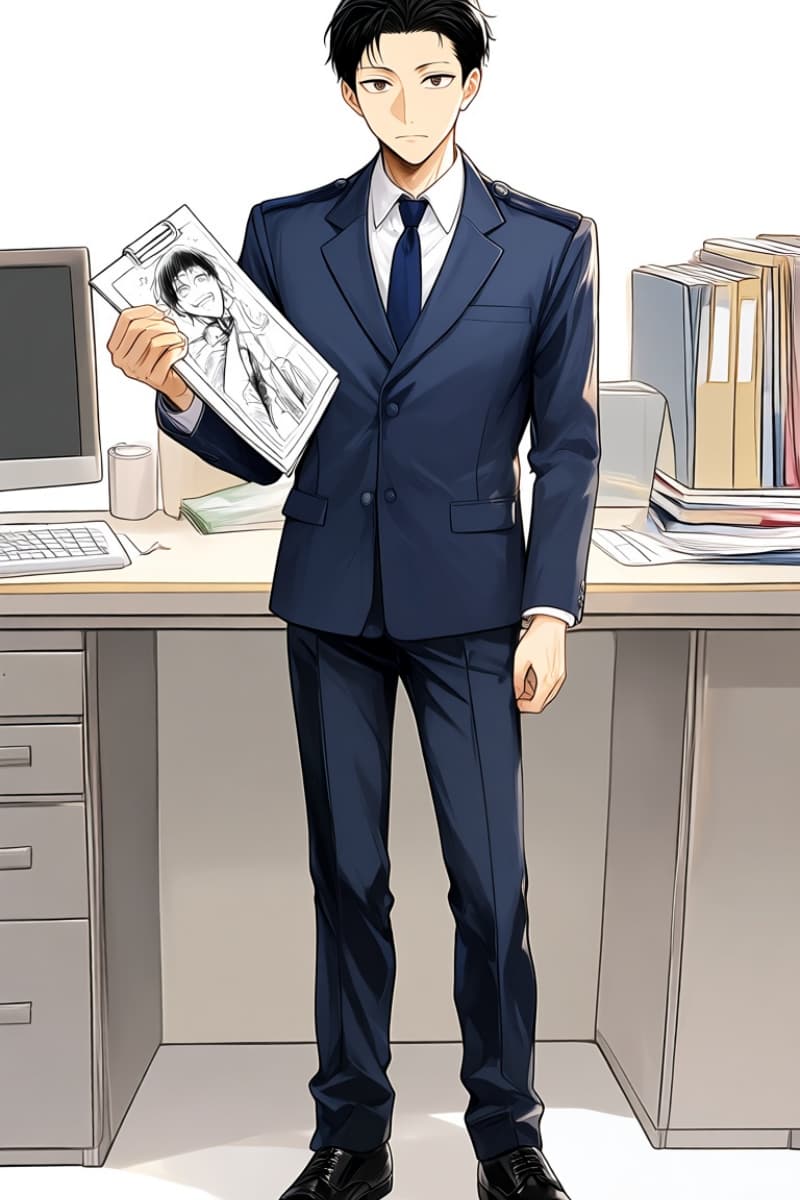
BSD office OC idea, navy suit, case document in hand, desk background, serious analytical mood
Small Choices That Stop the OC From Feeling Generic
When I compare OC-style outputs, the weaker ones usually have the same problem: too many effects, not enough character logic. These five checks help before the prompt gets overloaded.
Limit the Ability
A power with no cost usually feels flat. Add one trigger, weakness, or condition before making it stronger.
Use One Object
A notebook, glove, mirror shard, pen, book, or case file is easier to read than five floating effects.
Watch the Expression
Calm, smug, tired, guarded, nervous, or quietly dangerous. The face often saves the design from looking random.
Where the Prompt Usually Starts Working
The Weak Prompt Starts With Power
When the prompt starts with "cool ability user", the result often looks stylish but empty. I would start with the role instead: case assistant, Port Mafia recruit, runaway student, informant, bookshop worker, or independent gifted user. A broad AI anime generator can handle the anime look, but the role is what keeps the BSD OC from becoming just another dark character portrait.
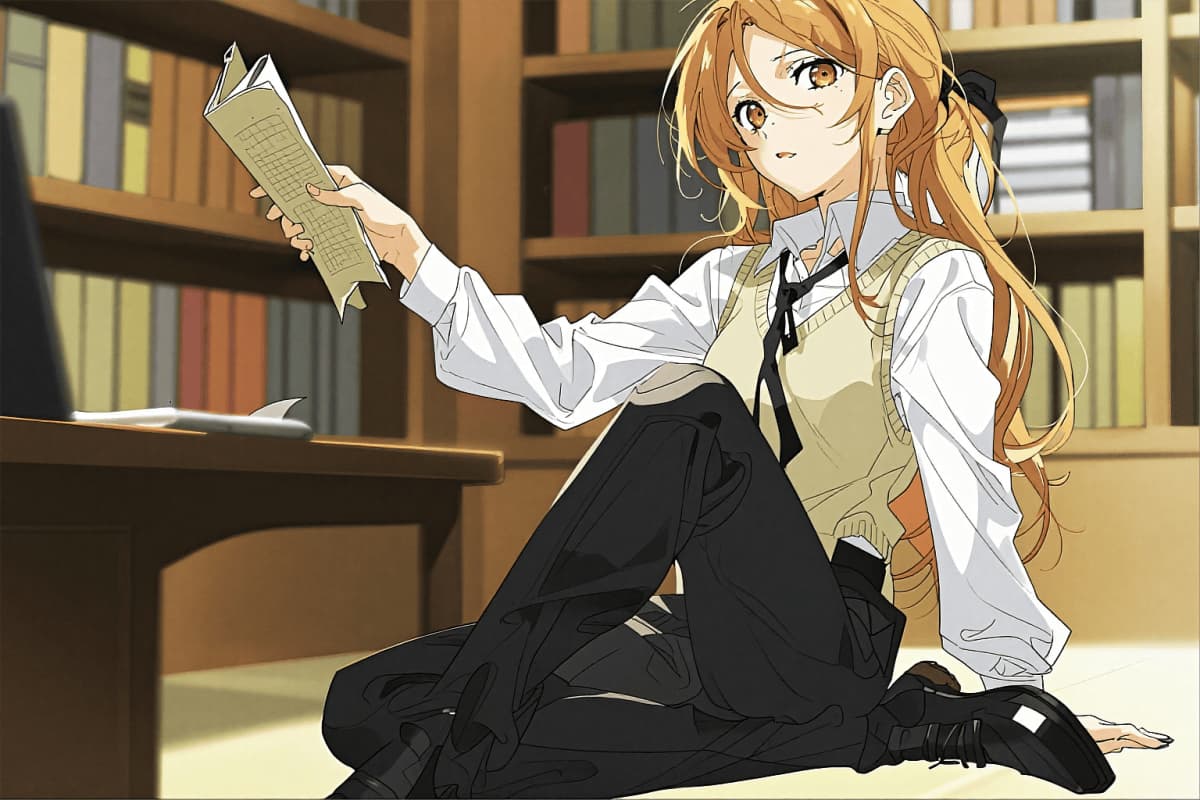
The Ability Needs One Annoying Rule
The ability gets more interesting when it causes trouble. Maybe it only works through written words. Maybe it reflects damage but steals a memory. Maybe it activates only when the character tells the truth. When using text to image, that one annoying rule gives the model more to work with than a vague line like "powerful ability user".
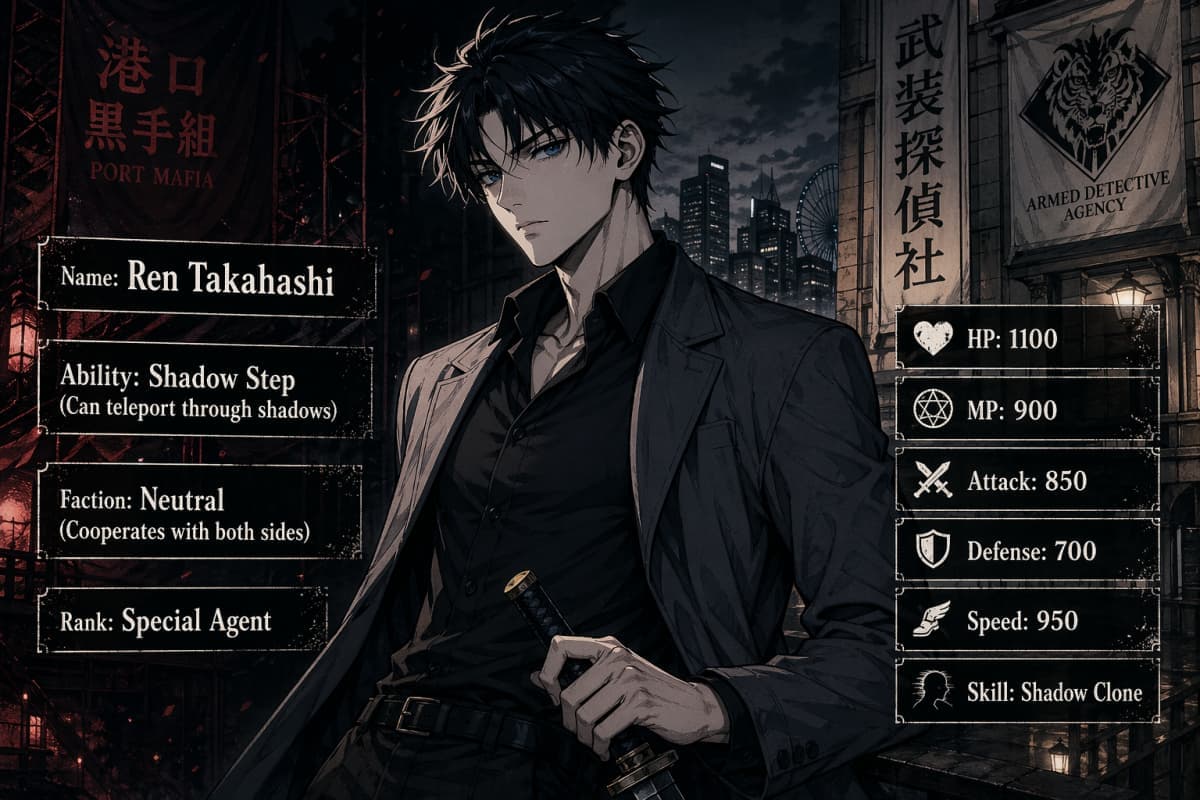
The Outfit Should Explain the First Read
A tan coat, black suit, school uniform, worn jacket, or old scarf changes the whole read. On OCMaker AI, I would test two or three nearby versions before adding more effects. If the role is unclear without the backstory, the design is not finished yet.
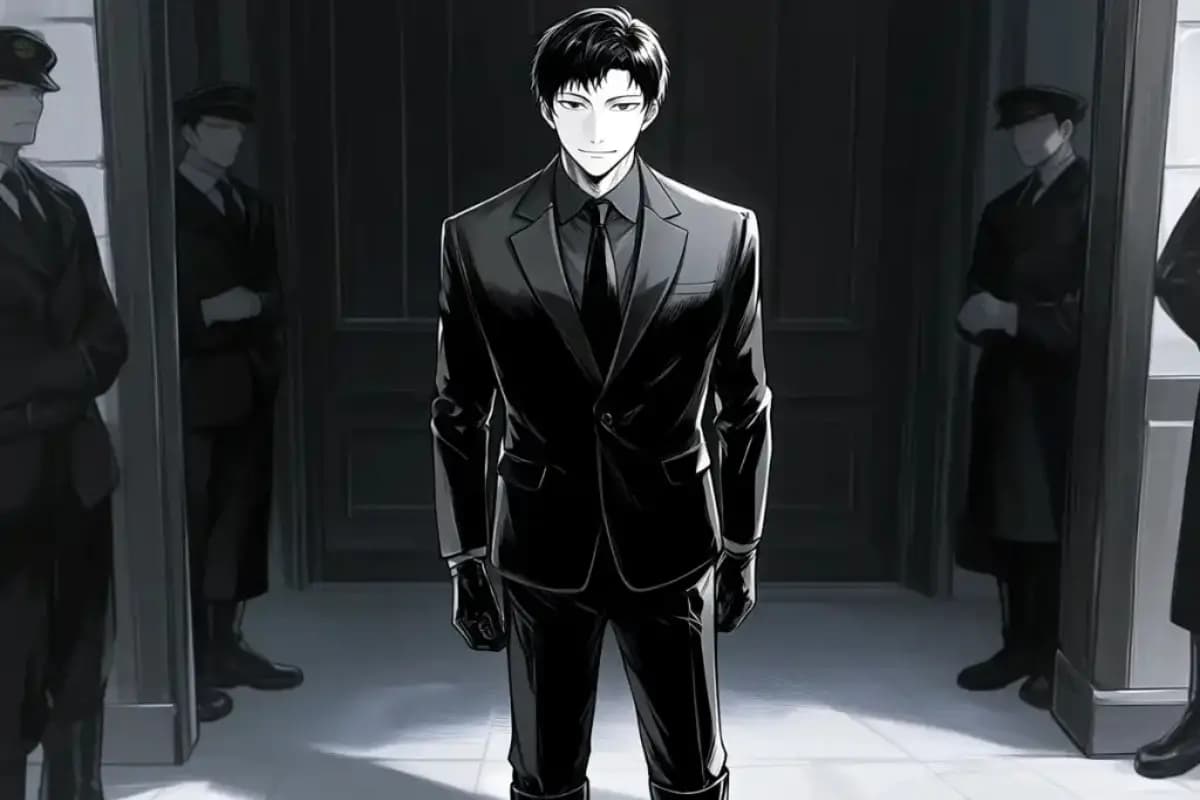
Add Mood Last, Not First
Words like dark, mysterious, cinematic, and dangerous help only after the character already has a role. Otherwise the result can turn into the same black-coat anime portrait again. If you want to start from a real face before pushing the design into anime style, photo to anime can be a useful first step.
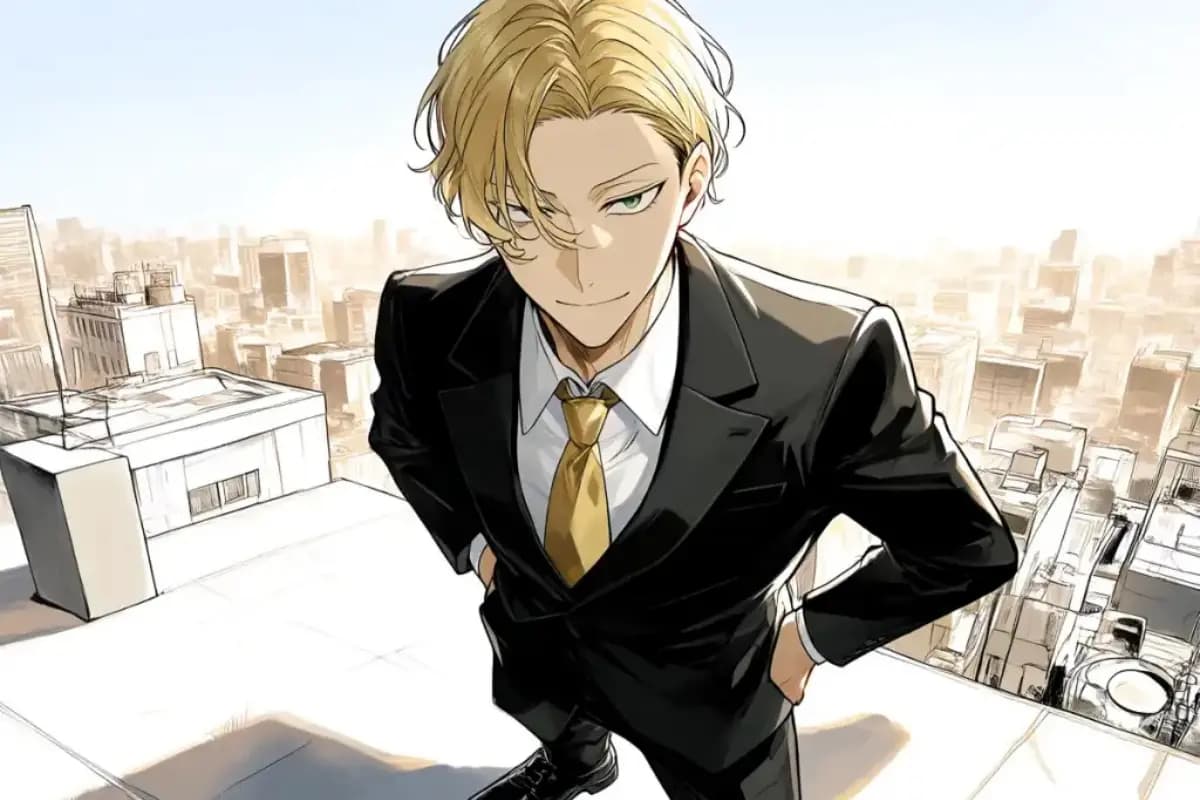
BSD OC Setups You Can Build From
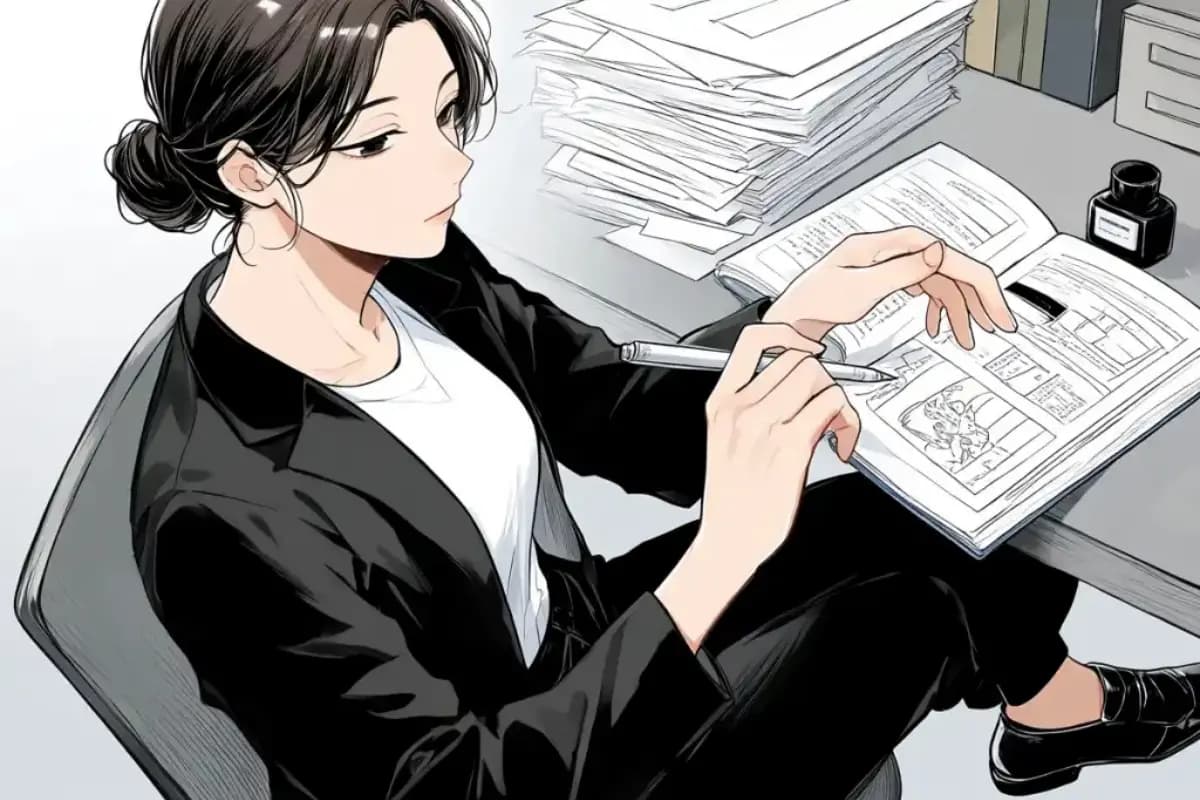
BSD detective OC, black outfit, office desk, case papers, composed expression, investigation-focused character idea
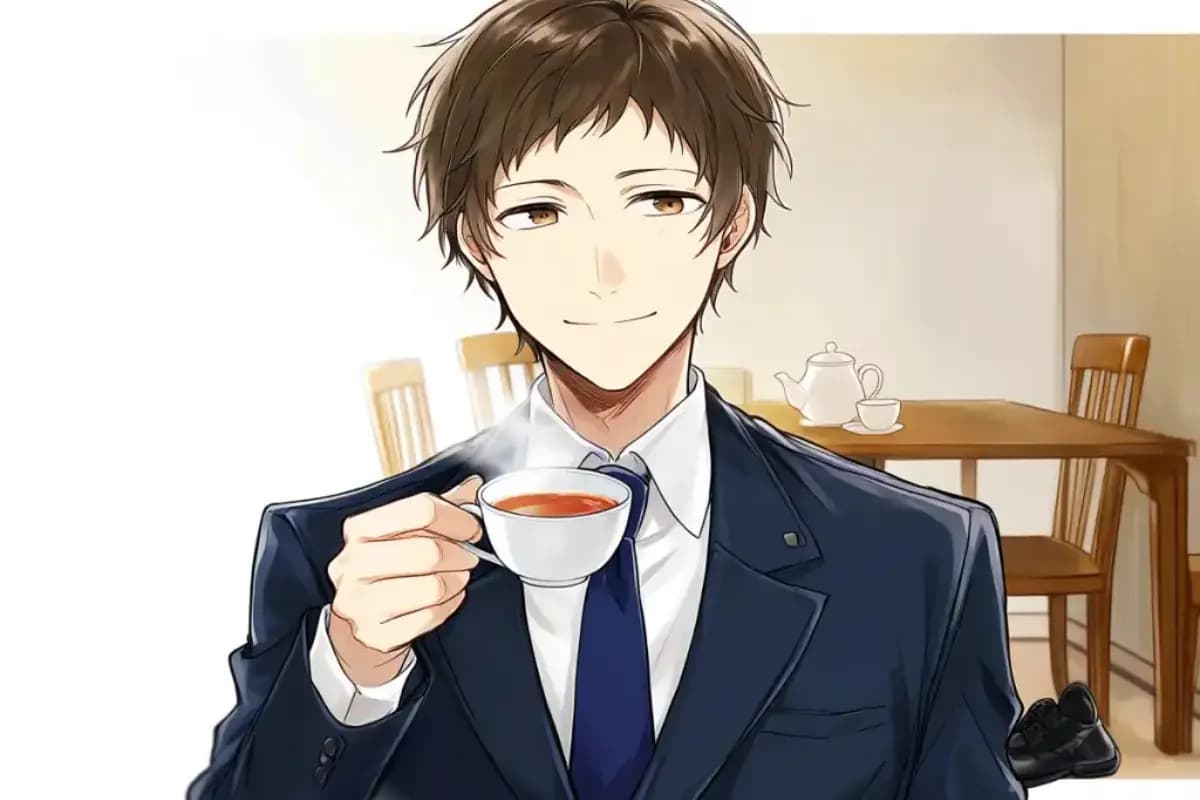
BSD professional OC, blue suit, tea cup, calm expression, clean office-side character direction
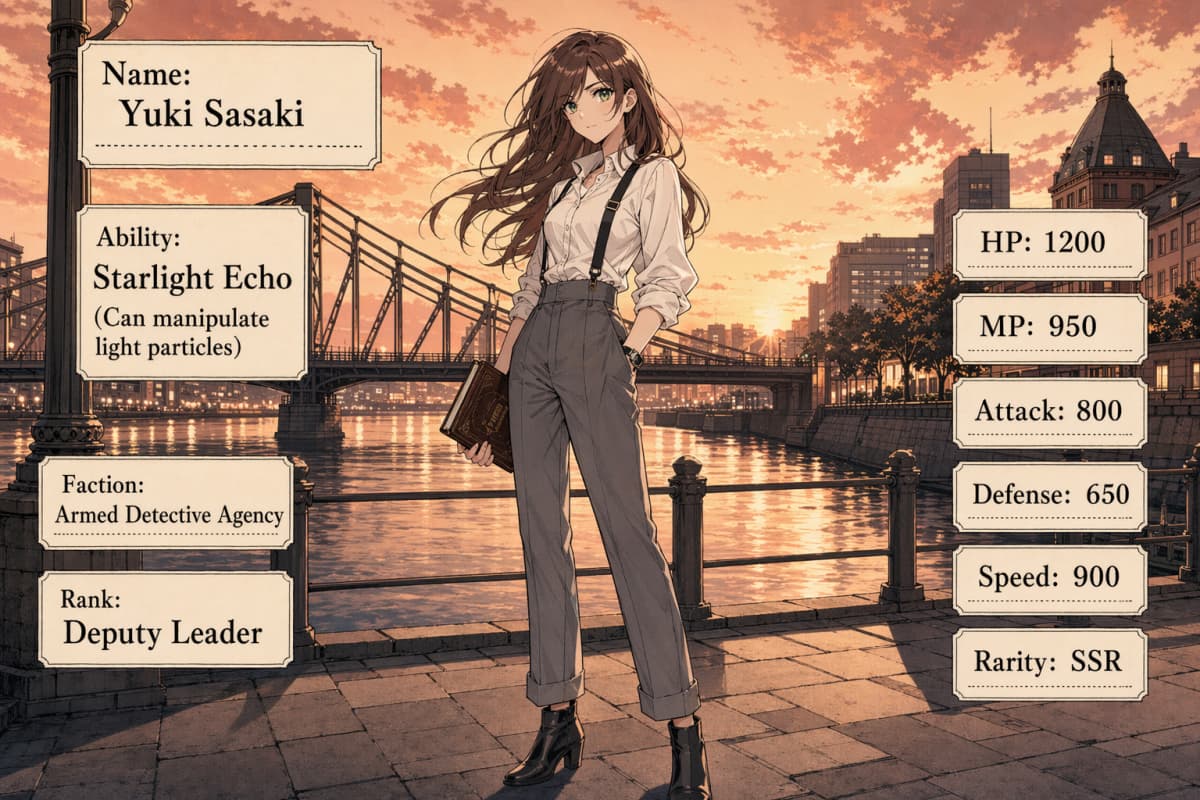
BSD character sheet OC, full-body female design, sunset bridge background, profile-card style reference
How to Create a BSD OC
Choose a Character Direction
Start with the kind of Bungo Stray Dogs OC you want to make. It can be an agency-style character, a Port Mafia type, a student, an informant, or an independent gifted user.
Add the Look and Ability Idea
Describe the outfit, mood, expression, and one ability clue. A simple rule, object, or weakness usually makes the BSD OC feel more specific.
Generate and Refine the Result
Create a few versions, compare the role and visual details, then keep the one that works best as an OC portrait, character reference, or story starting point.
BSD OC FAQ: Abilities, Prompts, and Character Details
Create a BSD OC You Would Keep
Start with one role, one ability problem, and one visual clue. Generate a few close versions, then keep the character that still works after the extra effects are gone.