0104
Readable Text Layouts
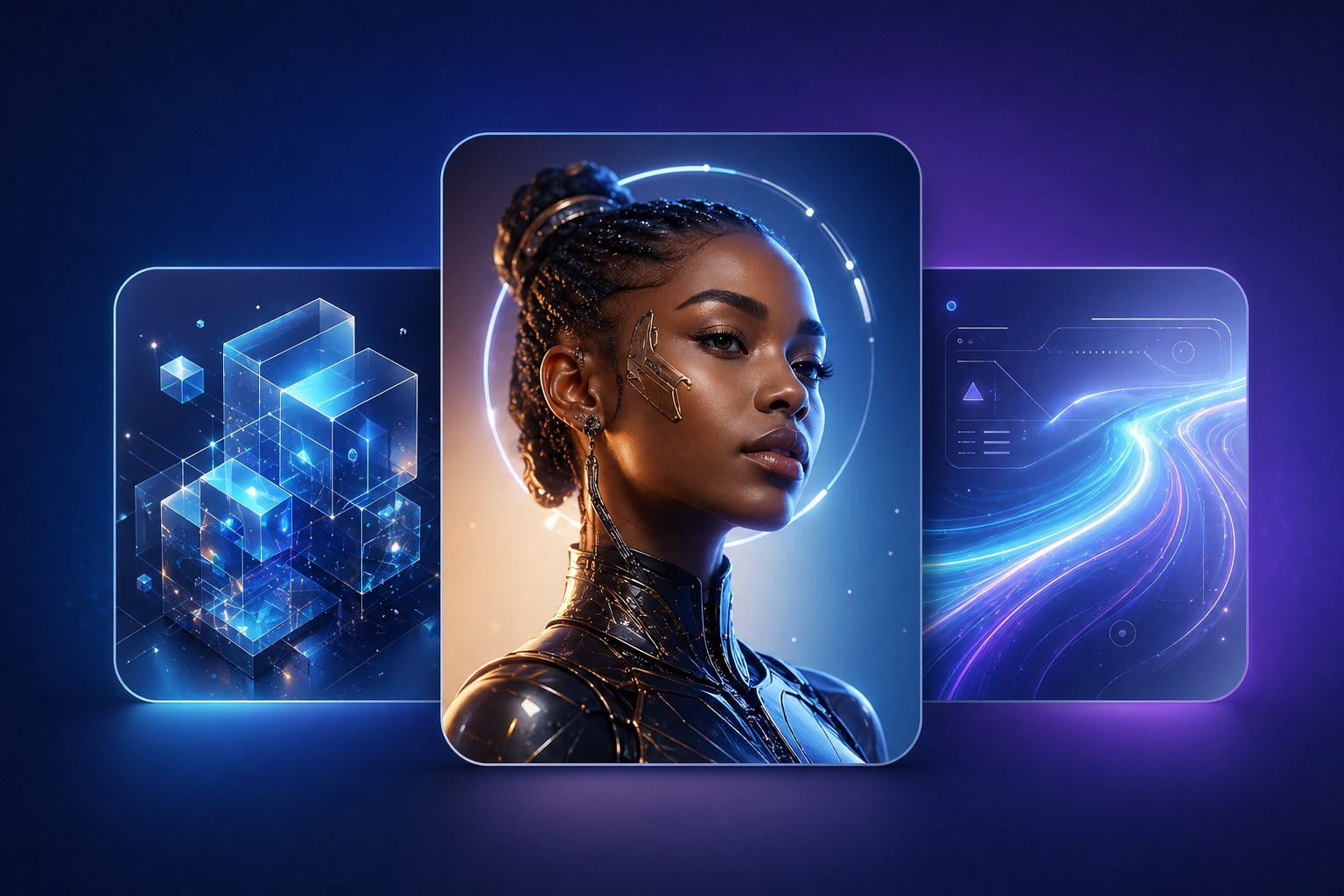
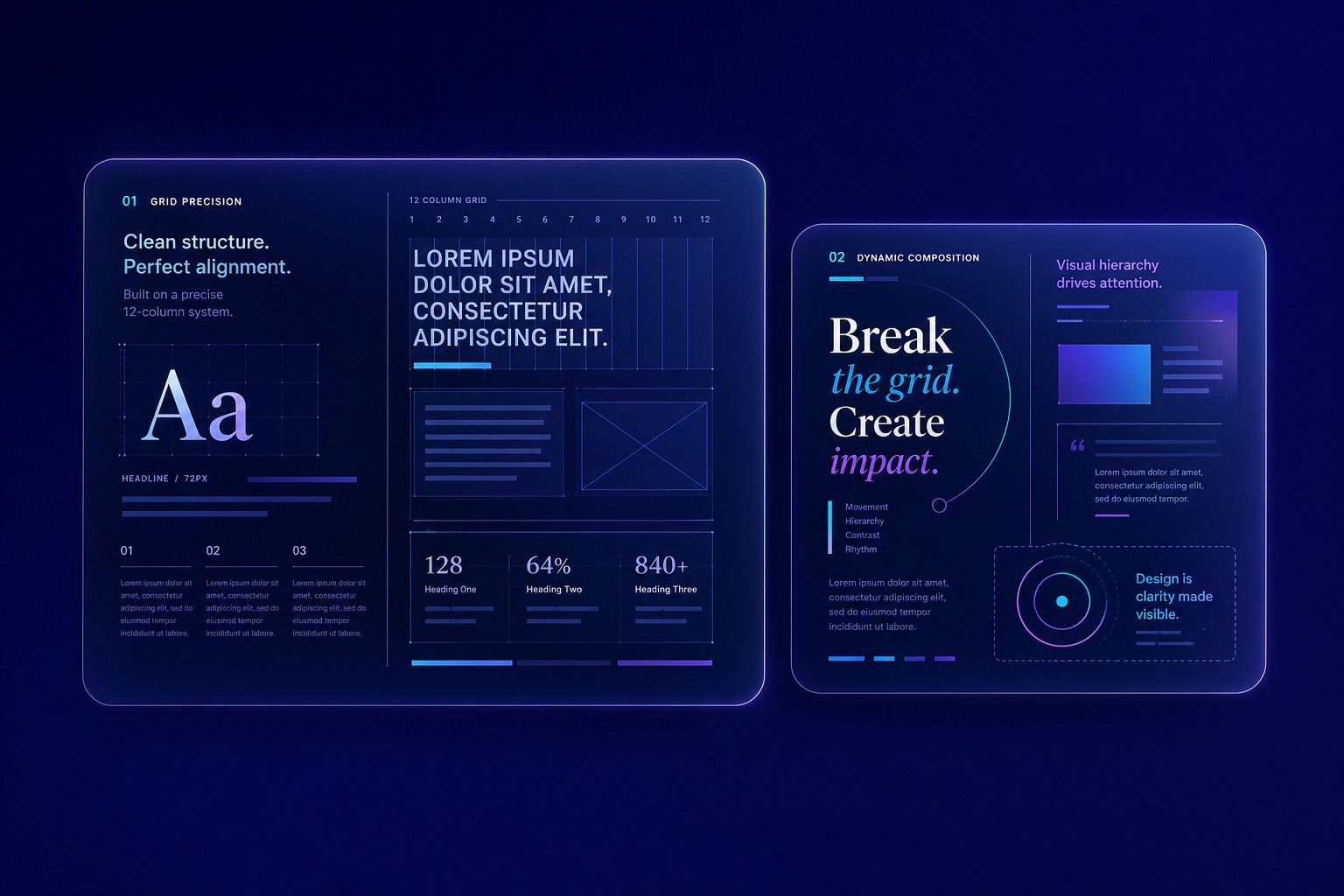
Baidu explicitly positions ERNIE-Image for dense, long-form, and layout-sensitive text. That makes it a better fit for posters, infographics, and UI-like visuals where broken labels or warped copy would ruin the draft.

ERNIE-Image: Text-Accurate AI Image Generator
ERNIE-Image is Baidu's open-weight text-to-image model for text-heavy layouts, prompt fidelity, and structured visual generation.
ERNIE-Image is Baidu's open-weight text-to-image model for creators who need readable text, stronger prompt fidelity, and structured layouts for posters, infographics, and comics.

The official ERNIE-Image materials are most convincing when the job involves text, structure, and prompt control rather than loose one-off aesthetics.
0104
Baidu explicitly positions ERNIE-Image for dense, long-form, and layout-sensitive text. That makes it a better fit for posters, infographics, and UI-like visuals where broken labels or warped copy would ruin the draft.
0204
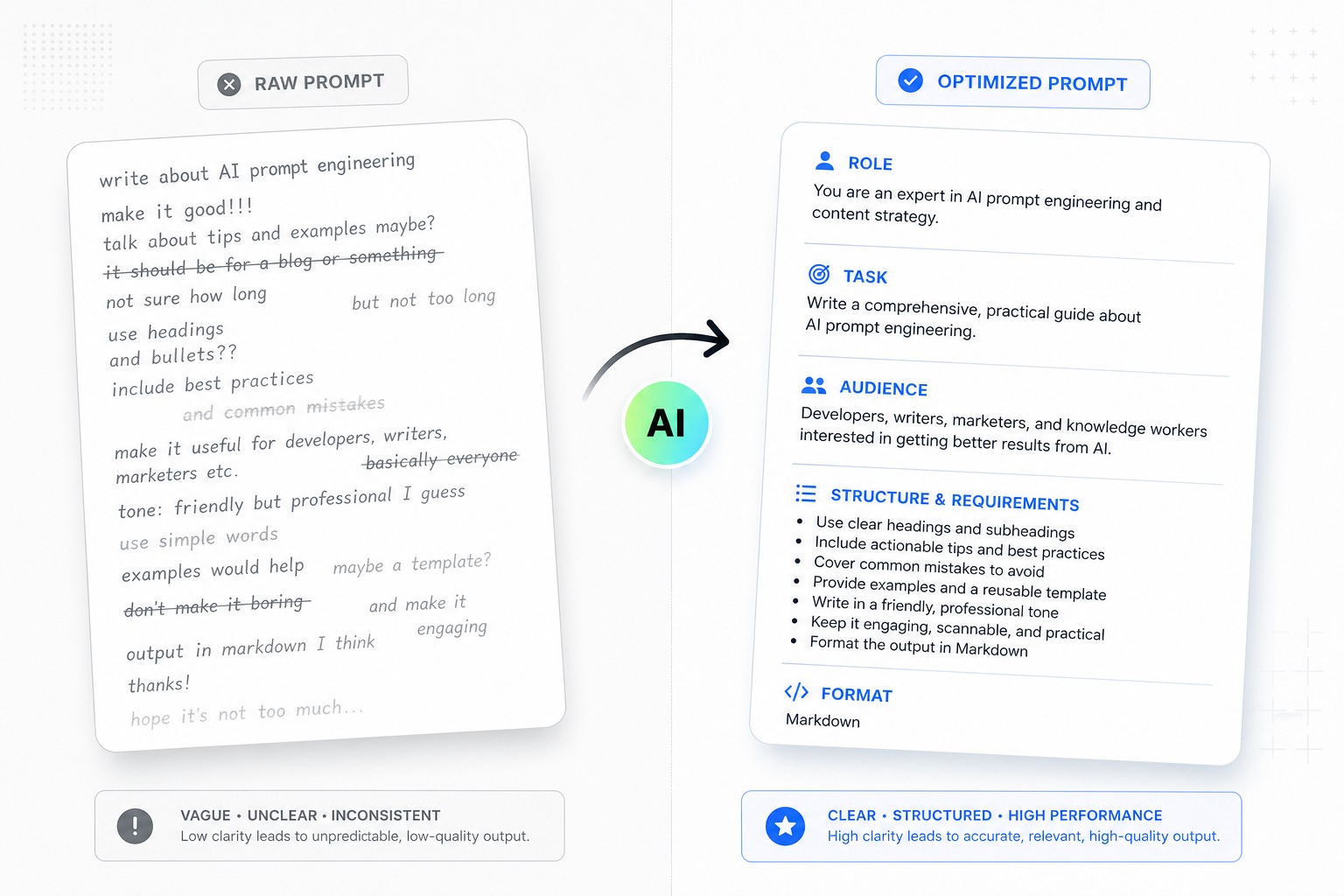
ERNIE-Image pairs its DiT model with a lightweight Prompt Enhancer that expands short prompts into richer descriptions. It is most useful when a creator knows the scene type but wants the model to add more structure before generation.
0304
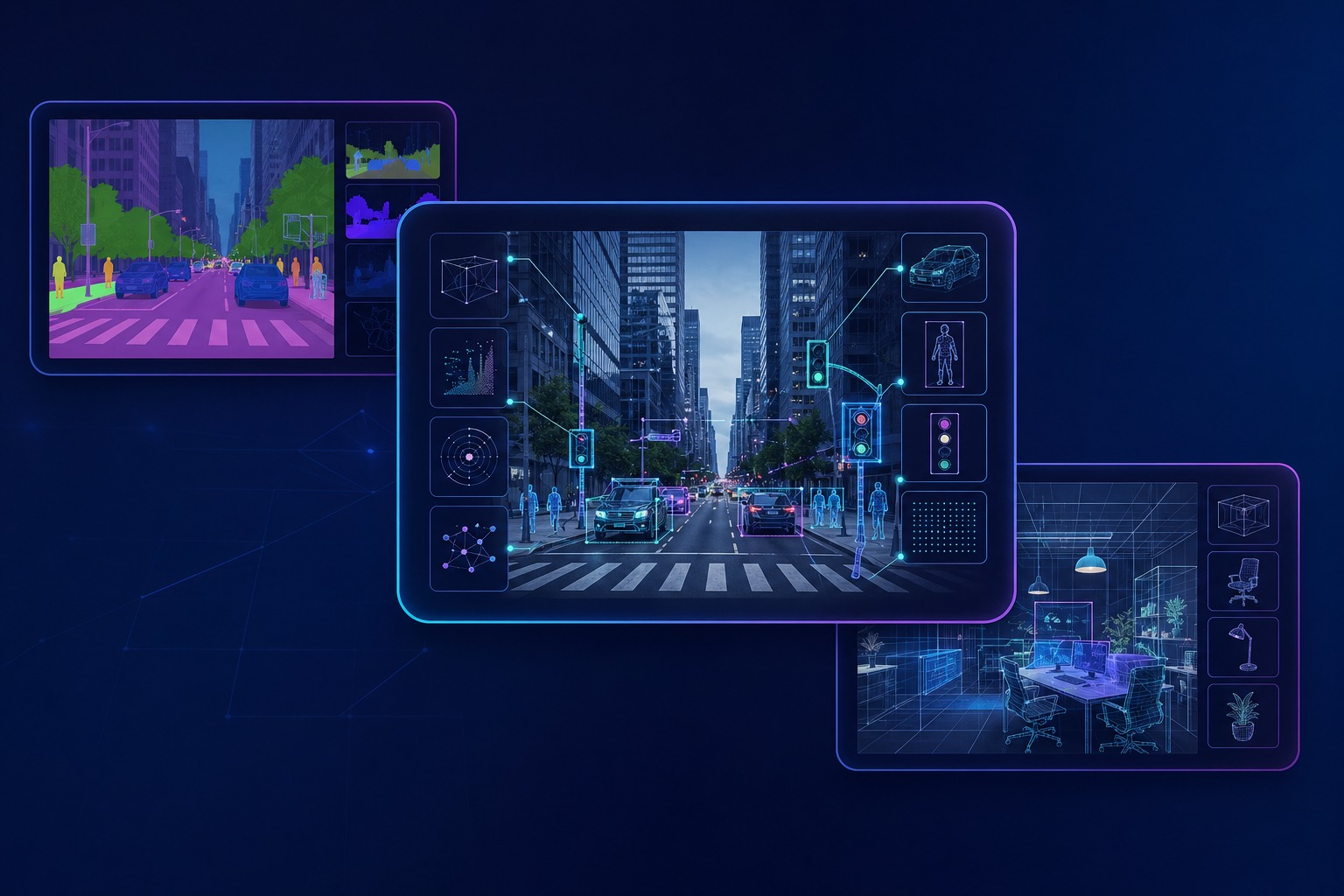
The official documentation repeatedly calls out posters, comics, storyboards, and multi-panel compositions. Those use cases matter because layout is part of meaning, not decoration layered on top later.
0404
Baidu says ERNIE-Image can run on consumer GPUs with 24G VRAM, which is a practical threshold for teams that want to evaluate an open-weight model locally instead of relying only on hosted image APIs.
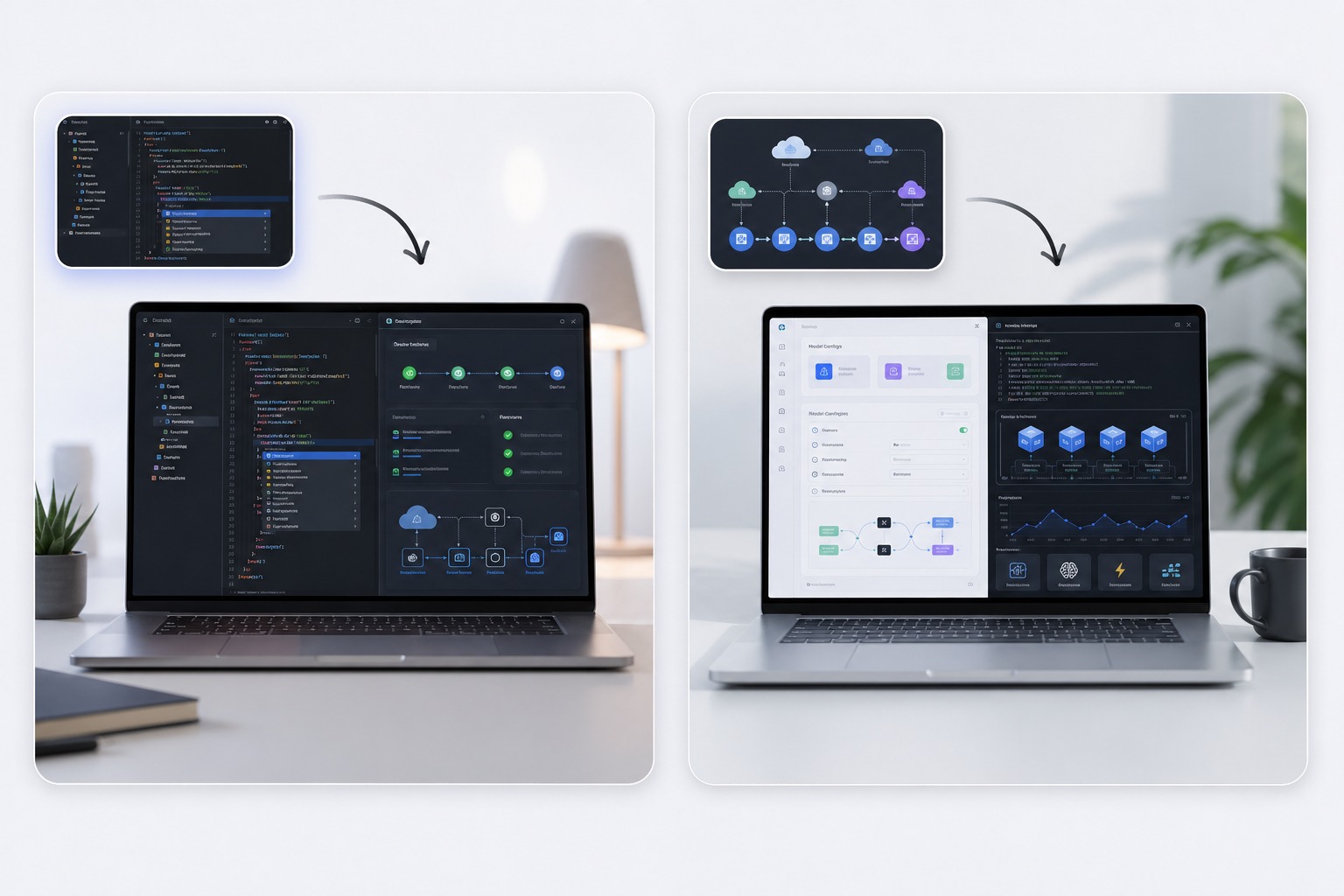
The official pages give enough concrete detail to evaluate ERNIE-Image by deployment shape, benchmark context, and workflow fit instead of marketing language alone.
Baidu publishes ERNIE-Image as an 8B single-stream DiT model rather than a vague unnamed stack.
Short prompts can be expanded before generation, which is useful when the scene is clear but the wording is sparse.
Official materials highlight long-form and layout-sensitive text instead of limiting the pitch to stylized art.
ERNIE-Image-Turbo is documented as an 8-step variant for faster iteration and lighter review loops.
Baidu says the model can run on consumer GPUs with 24G VRAM, which matters for local testing plans.
GenEval and LongTextBench tables are published, but they should guide testing rather than replace it.
Three practical steps
Name the actual job first: poster, infographic, comic panel, UI-like scene, or photorealistic composition. ERNIE-Image is most interesting when structure and text matter.
Put label needs, hierarchy, and object relationships near the top of the prompt so the model solves the hard constraints before you fine-tune style language.
Run the same prompt pack through ERNIE-Image and ERNIE-Image-Turbo, then keep the version that best matches your balance of fidelity, speed, and review effort.
01
Text-heavy and layout-sensitive scenes are where ERNIE-Image has the clearest published story.
If your visual brief includes labels, panels, or structured information, ERNIE-Image is easier to justify than a model sold mainly on style samples.
02
24G VRAM guidance makes the model more reachable for local testing and internal tooling.
That does not make deployment trivial, but it is a more concrete starting point than vague enterprise-only image offerings.
03
Baidu shares released variants and benchmark tables, which is useful even if you still need your own prompt tests.
The real trust signal is not that ERNIE-Image claims to win everything; it is that the official materials give enough specifics to verify where the model is actually strong.
Start from the homepage if you want the broadest view of OCMaker AI tools and model pages.
Use the text-to-image workflow when you want to test fresh prompts against ERNIE-Image style tasks.
Move into image-to-image when the first concept is close and you need controlled revision instead of a full restart.
Compare ERNIE-Image with the wider AI image category if you are still deciding which model behavior fits your workflow.
Frequently Asked Questions
ERNIE-Image is Baidu's open-weight text-to-image model. The official documentation describes it as a single-stream DiT system paired with a lightweight Prompt Enhancer.
Its clearest documented strengths are text rendering, instruction following, and structured generation for scenes such as posters, infographics, comics, and multi-panel layouts.
Baidu positions ERNIE-Image-Turbo as the faster 8-step variant, while the standard ERNIE-Image release is the 50-step SFT model aimed at stronger general-purpose capability and instruction fidelity.
Baidu says ERNIE-Image can run on consumer GPUs with 24G VRAM. That makes local evaluation more realistic, though deployment effort still depends on your stack and prompt volume.
Treat them as useful evidence, not a final verdict. The official GenEval and LongTextBench tables help explain the model's focus, but you should still test ERNIE-Image on your own prompt set.
It can be a strong draft-stage option for text-heavy and layout-sensitive commercial images, but exact copy, compliance details, and final brand assets still need human review before release.