Style*
Background
4tokens•~30s

Alice in Wonderland OC Maker

Generate surreal storybook OC portraits and scenes where impossible scale, peculiar etiquette, changing materials, and expressive props define the character. Keep every design visually original.

Alice in Wonderland OC Maker scene featuring an original porcelain botanist crossing a giant dew-covered chessboard garden with a self-winding brass umbrella

Three OCs From Different Impossible Corners

A rain collector, porcelain advocate, and moth-wing usher explore different bodies, jobs, materials, props, settings, and emotional rhythms.

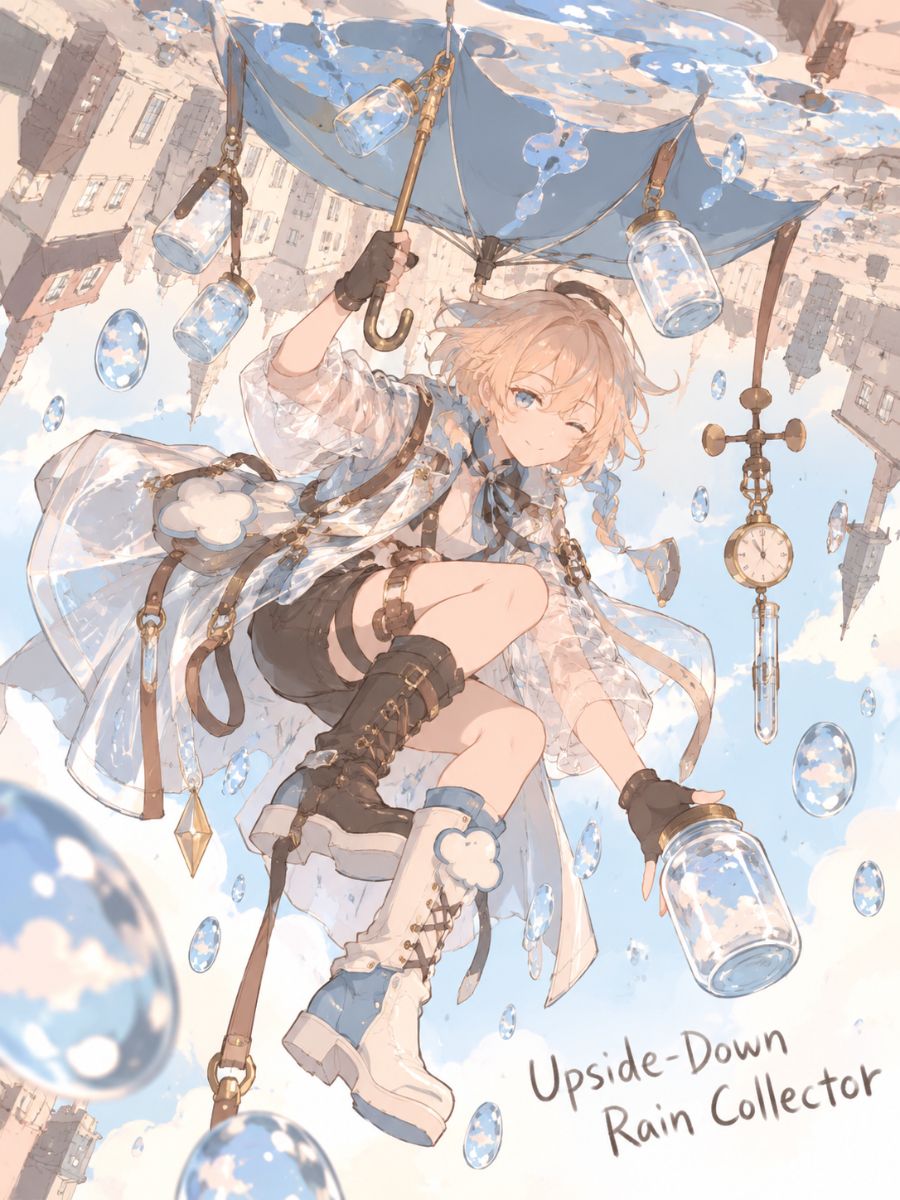
  • Alice in Wonderland OC Maker character art showing an original upside-down rain collector catching rising droplets beneath a root ceiling in a twilight garden01

    Upside-Down Rain Collector

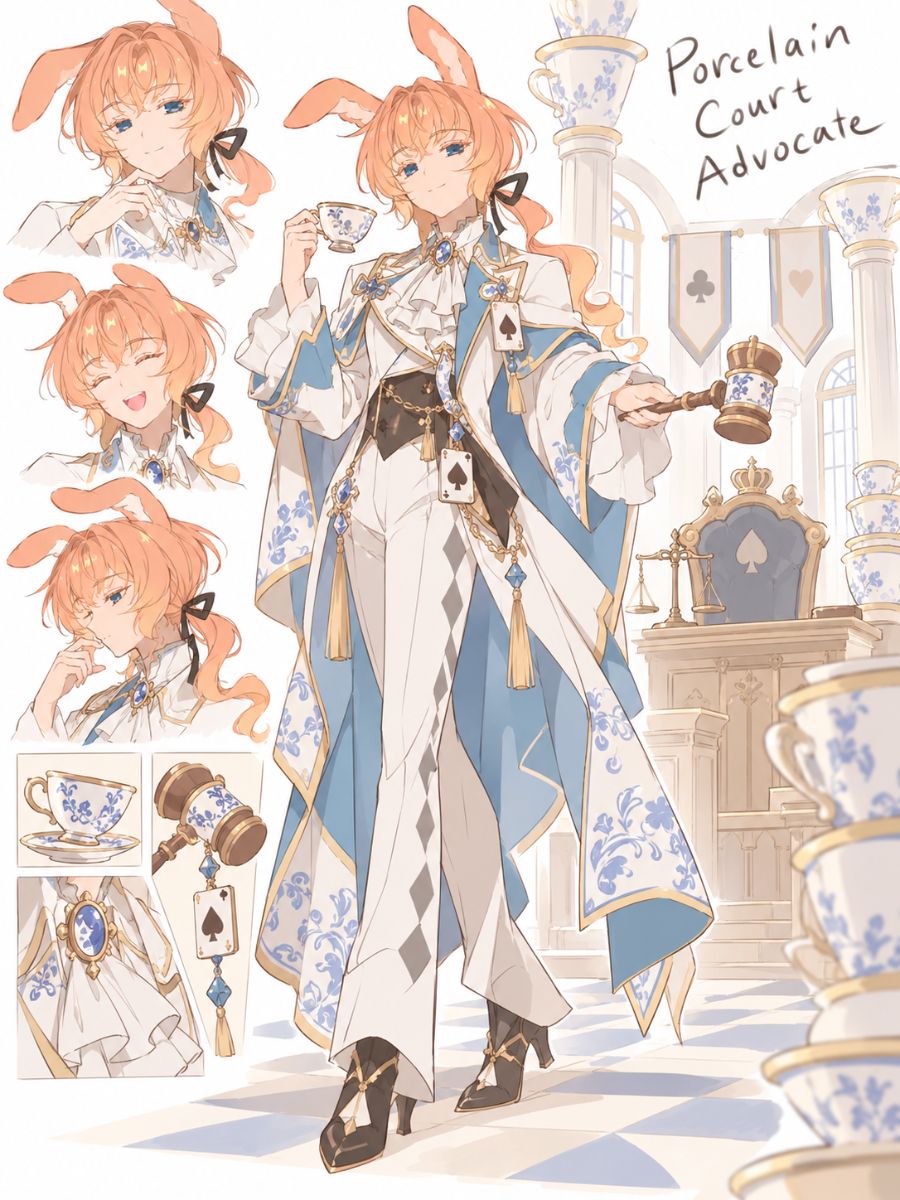
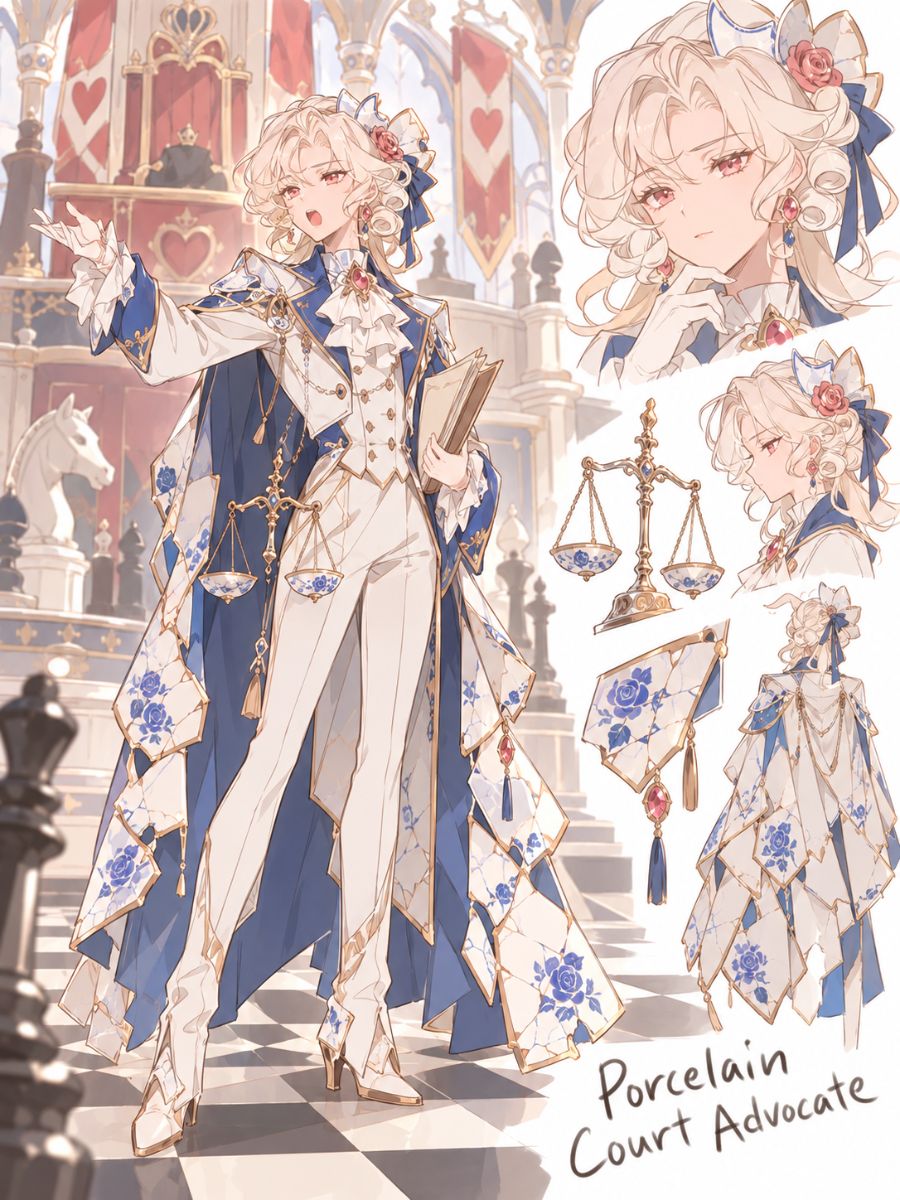
  • Alice in Wonderland OC Maker character sheet showing an original porcelain court advocate presenting a ribbon of evidence in an amber shell courtroom02

    Porcelain Court Advocate

  • Alice in Wonderland OC Maker character art showing an alternate original porcelain court advocate with scales and storybook courtroom details03

    Moth-Wing Tea Usher

Generate Surreal Alice in Wonderland OCs

Turn curious visual rules into character art shaped by scale, ceremony, transforming matter, and props that visibly react to each decision.

0104

Make Scale Tell the Story

Set one impossible size relationship and let it govern the frame: a thumb-sized door surveyor measures a keyhole taller than a tree while tools, moss, and window light reinforce the contrast. An AI anime generator can translate that scale rule into a readable wide scene for Alice in Wonderland OCs.
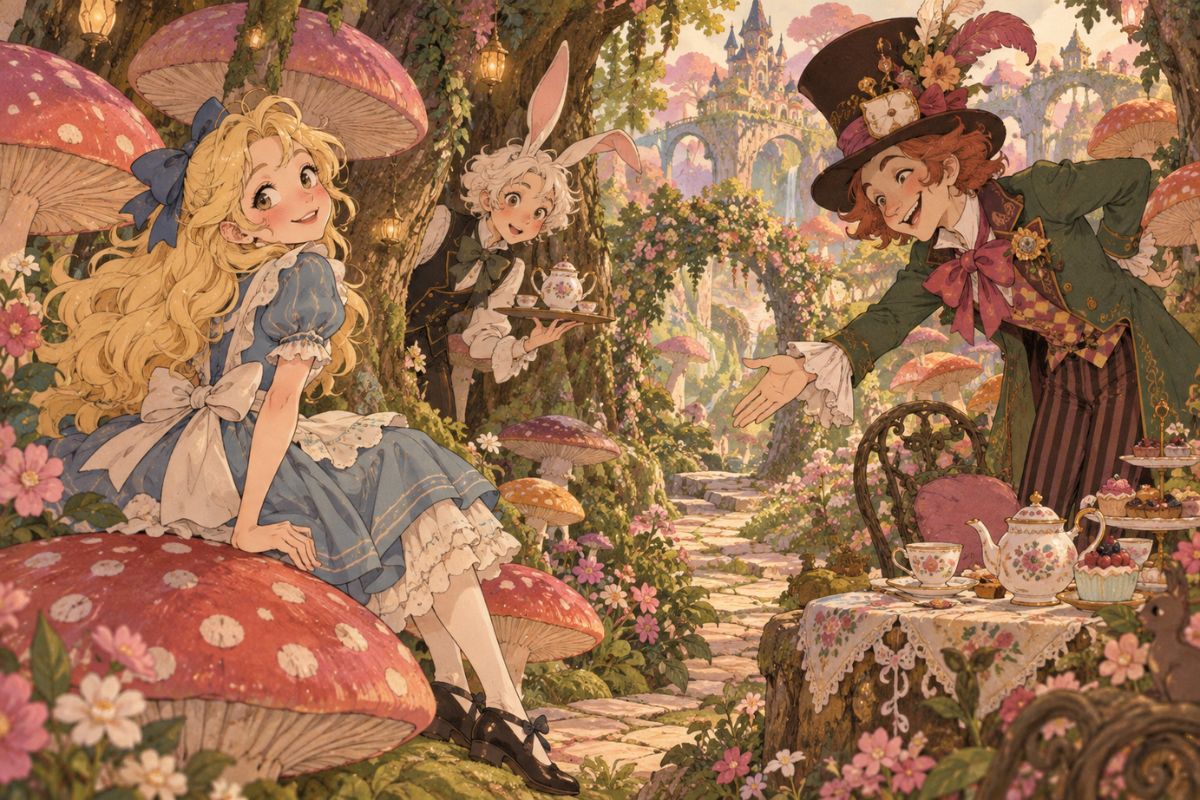
Alice in Wonderland OC Maker scene showing a tiny door surveyor measuring a towering keyhole inside a vast mossy conservatory

0204

Invent an Etiquette-Bound Role

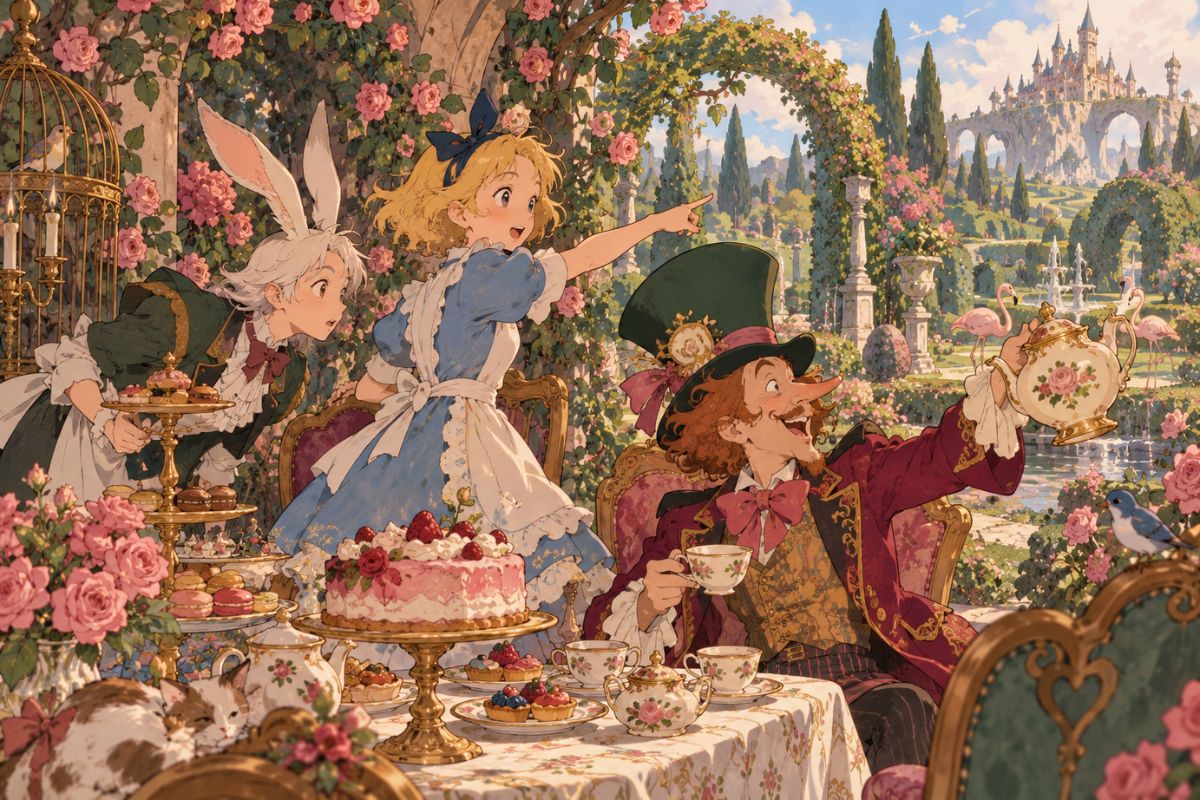
Give the OC a strange social duty that changes posture and staging. A six-armed tea arbiter can weigh cups, enforce backward seating, and signal approval with a steaming spoon while guests remain outside the frame. The OC maker turns those ceremonial rules into a distinct silhouette, gesture system, and salon image.

Alice in Wonderland OC Maker tea party scene showing an original etiquette-bound character in a rose garden with mismatched cups

0304

Transform Materials With Purpose

Choose a metamorphic material and show its cause, stage, and visual consequence. A candle-wax archivist softens near testimony lamps, forming translucent sleeves that drip into sealing stamps inside a circular court library. The result connects body texture, environment, and occupation instead of adding a random transformation effect.

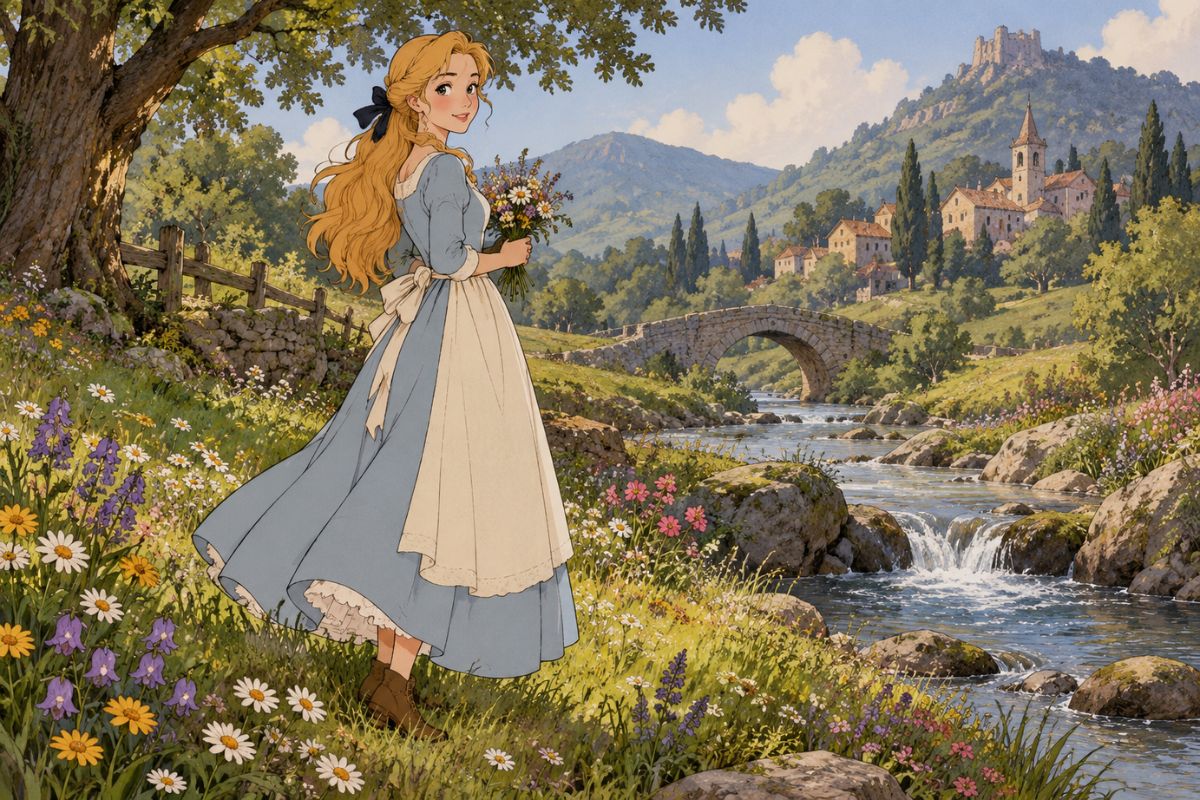
Alice in Wonderland OC Maker character scene showing an original storybook traveler beside a riverside village and stone bridge

0404

Give Props Expressive Logic

Treat the prop as a scene partner with one visible behavior. A clockwork picnic bailiff questions a walking teapot whose spout curls when nervous, while a gavel-flower closes at each objection. Clear gaze, hand placement, and reaction timing make the object logic legible in one hedge-court image rather than decorative clutter.

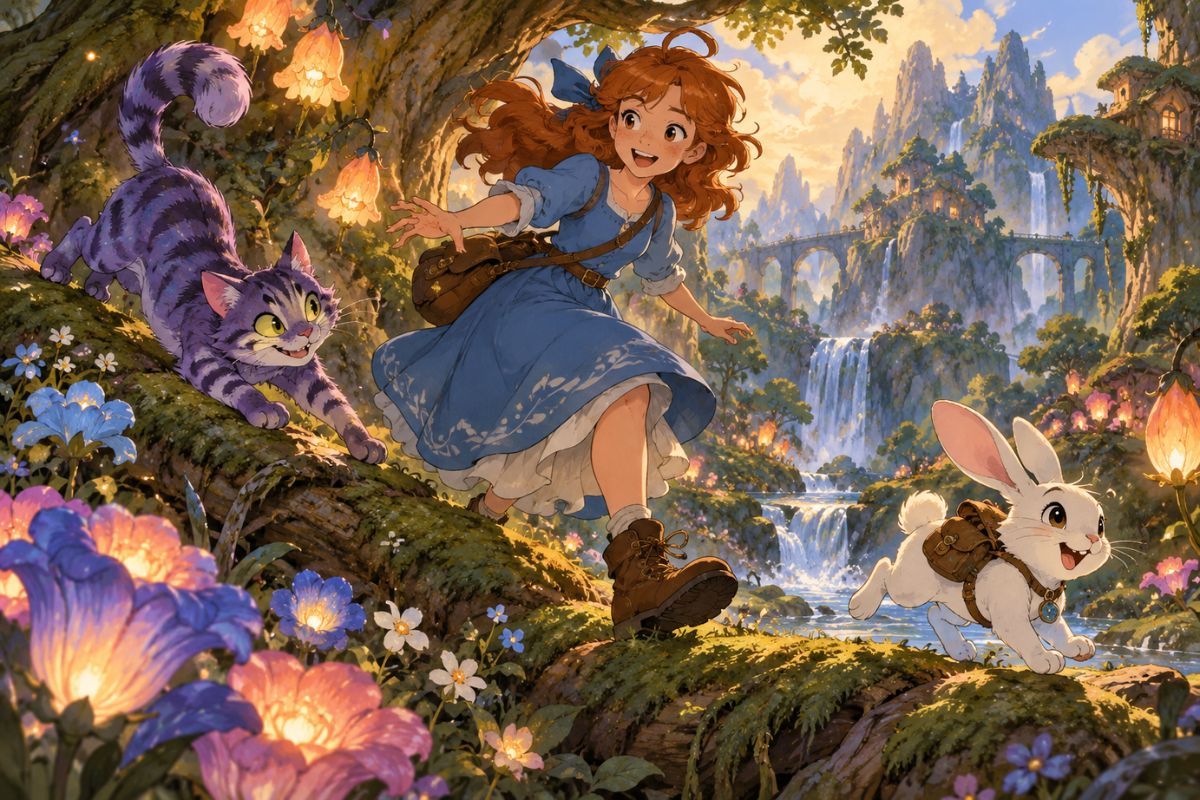
Alice in Wonderland OC Maker moonlit forest scene showing an original character surrounded by woodland animals beside a quiet lake

Build the Image Around One Impossible Rule

Connect the OC’s role to a visual contradiction, stage it in one coherent place, then inspect whether every transformation and prop obeys the same scene logic.

  1. Declare the Visual Paradox

    Choose one contradiction such as a giant gardener tending miniature clouds, a judge made of folding paper, or a courier whose shadow arrives first. State body plan, age range, palette, and the single rule that changes the image.

  2. Stage the Social Puzzle

    Place the OC in a garden, tea room, corridor, or court and assign one etiquette problem. Specify camera distance, pose, gaze, scale anchors, material response, and exactly how one prop reacts to the character’s choice.

  3. Test the Scene Logic

    Check hands on props, eye direction, floor and furniture scale, transformation boundaries, readable faces, and depth. Remove stray lettering or duplicate objects, simplify competing oddities, and regenerate materially wrong anatomy.

Why Use This Alice in Wonderland OC Maker

Create surreal storybook character images with controlled depth, theatrical expressions, coherent transformations, and unmistakable visual identities.

  • 01

    Layered Dreamlike Depth

    Get winding gardens, leaning corridors, and circular courts arranged with a clear foreground, subject plane, and destination.

  • 02

    Readable Theatrical Expressions

    Create suspicion, delight, indignation, or bafflement that remains clear beside oversized scenery and animated objects.

  • 03

    Controlled Scene Color

    Produce tea rooms, gardens, and courts with focused palette contrasts that separate the OC from surreal surroundings.

Frequently Asked Questions

Alice in Wonderland OC Maker FAQ

Answers about surreal OC image types, visual rules, scale, transforming materials, reactive props, scene correction, and usage considerations.

What images can this OC maker generate?

Create surreal storybook portraits, full-body concept art, etiquette scenes, transformation moments, dreamlike garden encounters, tea-room tableaux, courtroom images, and prop-led character studies.

How do I make impossible scale look intentional?

Choose one dominant size contrast and repeat it through doors, furniture, plants, tools, and camera height. Keep a familiar object near the OC as a scale anchor and avoid mixing several contradictory vanishing points.

What makes Alice in Wonderland OCs feel distinctive?

Combine a visible social role, one impossible rule, a restrained palette, a transformation trigger, and a prop with expressive behavior. The relationship among those choices creates identity more effectively than piling on unrelated oddities.

What do searches for Alice and Wonderland characters usually seek?

The phrase often points toward whimsical storybook character ideas. Build the image around the new OC’s silhouette, occupation, material logic, gesture, prop behavior, and setting so those connected choices carry the visual identity.

How can a transforming material stay readable?

Name the unchanged body landmarks, the trigger, the boundary between materials, and one intermediate stage. Use side light to reveal texture and keep the face and working hand clear while wax, paper, glass, moss, or vapor changes elsewhere.

Why does an expressive prop look like clutter?

Give only one prop the primary reaction, state where the OC looks and touches it, and move secondary objects to the edges. Remove duplicate cups, keys, signs, or utensils if they compete with the intended gesture.

Can I use generated OC images commercially?

Check current OCMaker AI terms, your rights to all inputs, the generated content, and relevant third-party rights before commercial use; no commercial permission is guaranteed here.

Let One Impossible Rule Introduce Your New OC

Generate an original surreal storybook image where scale, ceremony, changing matter, and a reactive prop make the character instantly legible.

Free Alice in Wonderland OC Maker: Generate Whimsical Story Character