Crash Bandicoot OC Maker

Give your Crash Bandicoot OC a spring-loaded pose and a face full of mischief. Generate cartoon-animal illustrations for fan art, from jungle acrobats to oddball laboratory inventors.

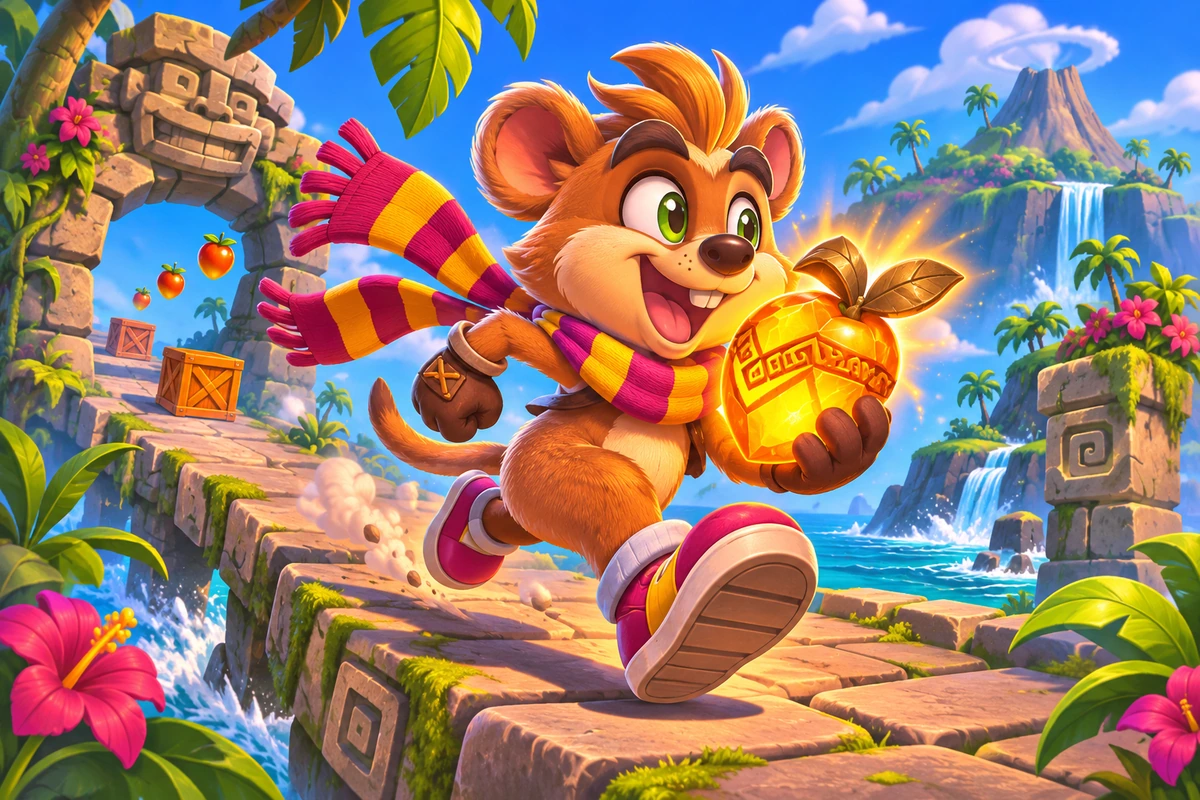
An orange-furred quokka runner races across tropical ruins holding a glowing golden relic.

Not Every Hero Has the Same Bounce

An armored bridge keeper, a long-eared courier, and a marsh tinkerer show how body shape changes the whole picture.

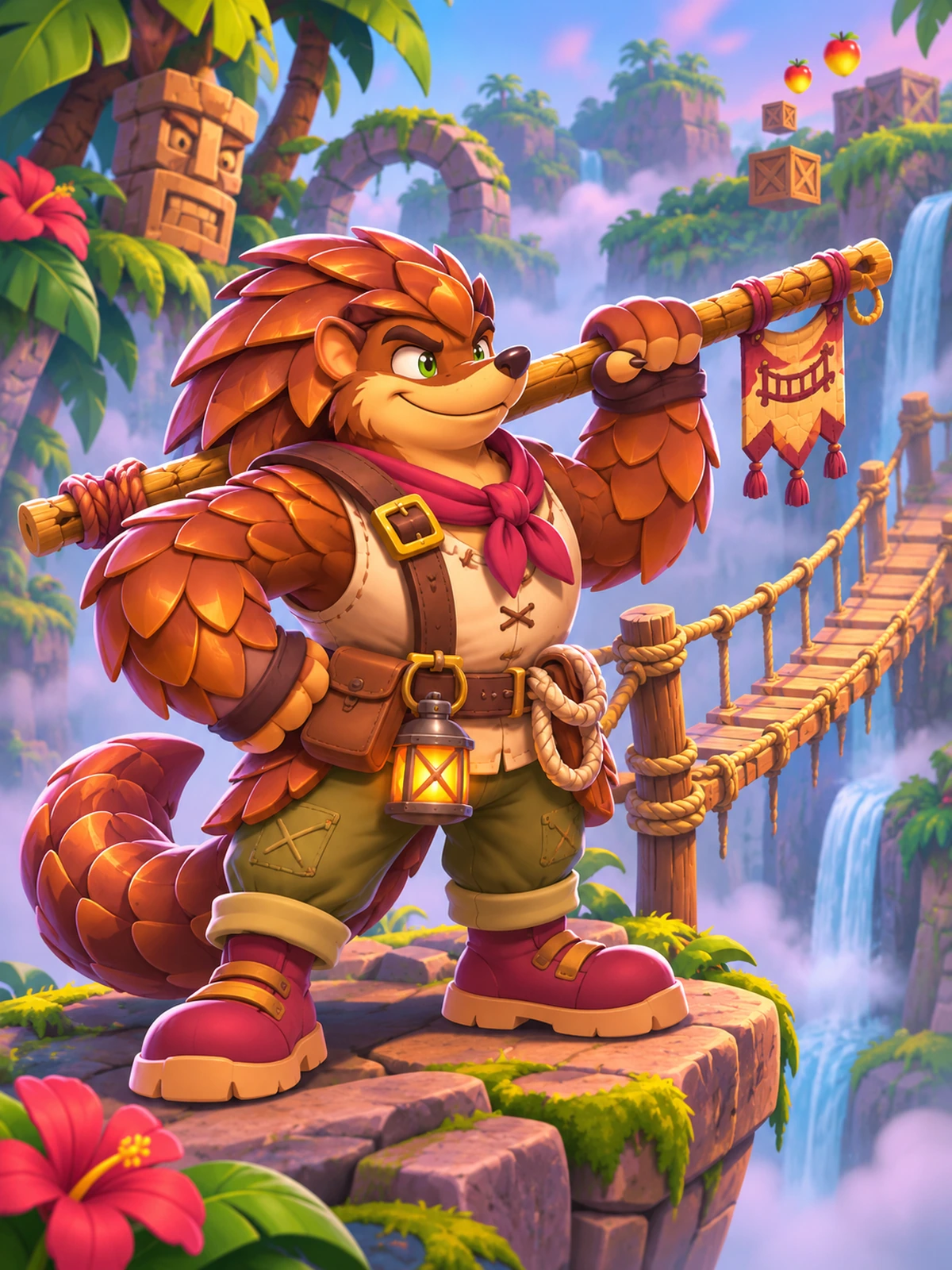
  • A broad orange pangolin keeper balances a woven pole on a misty rope bridge above a jungle gorge.01

    Pangolin Bridge Keeper

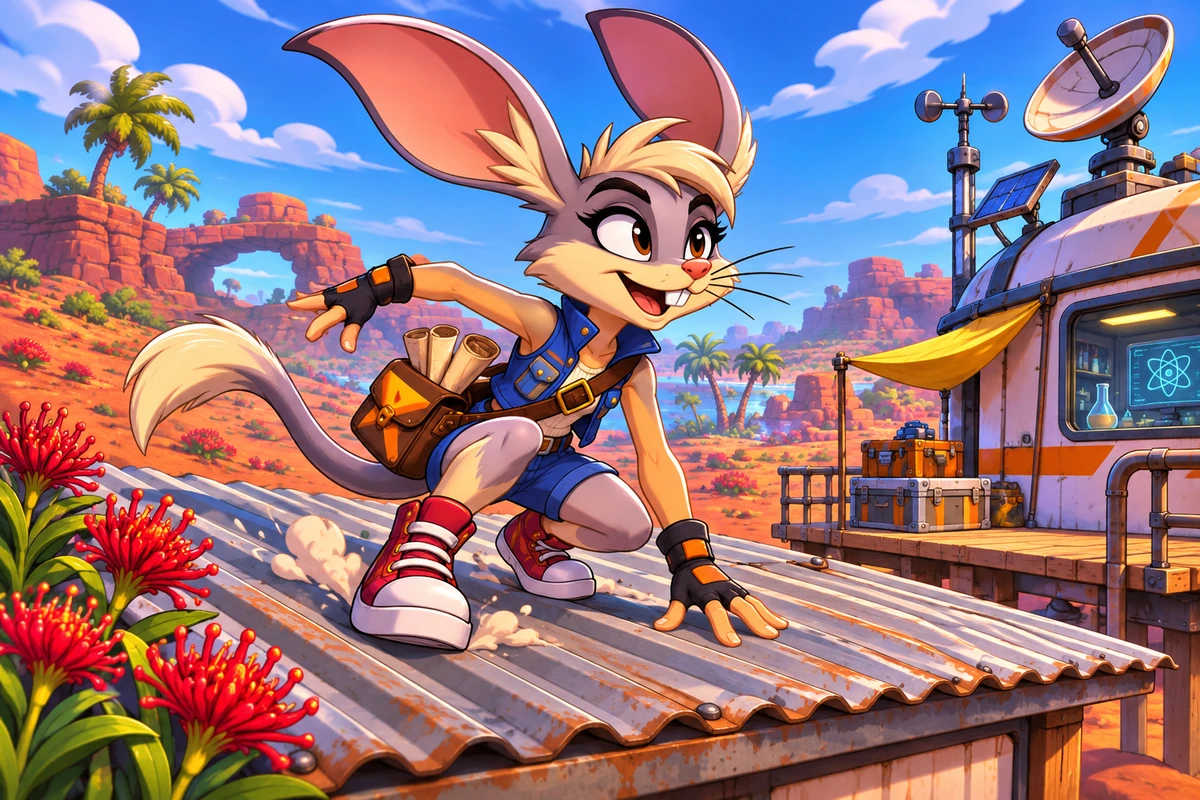
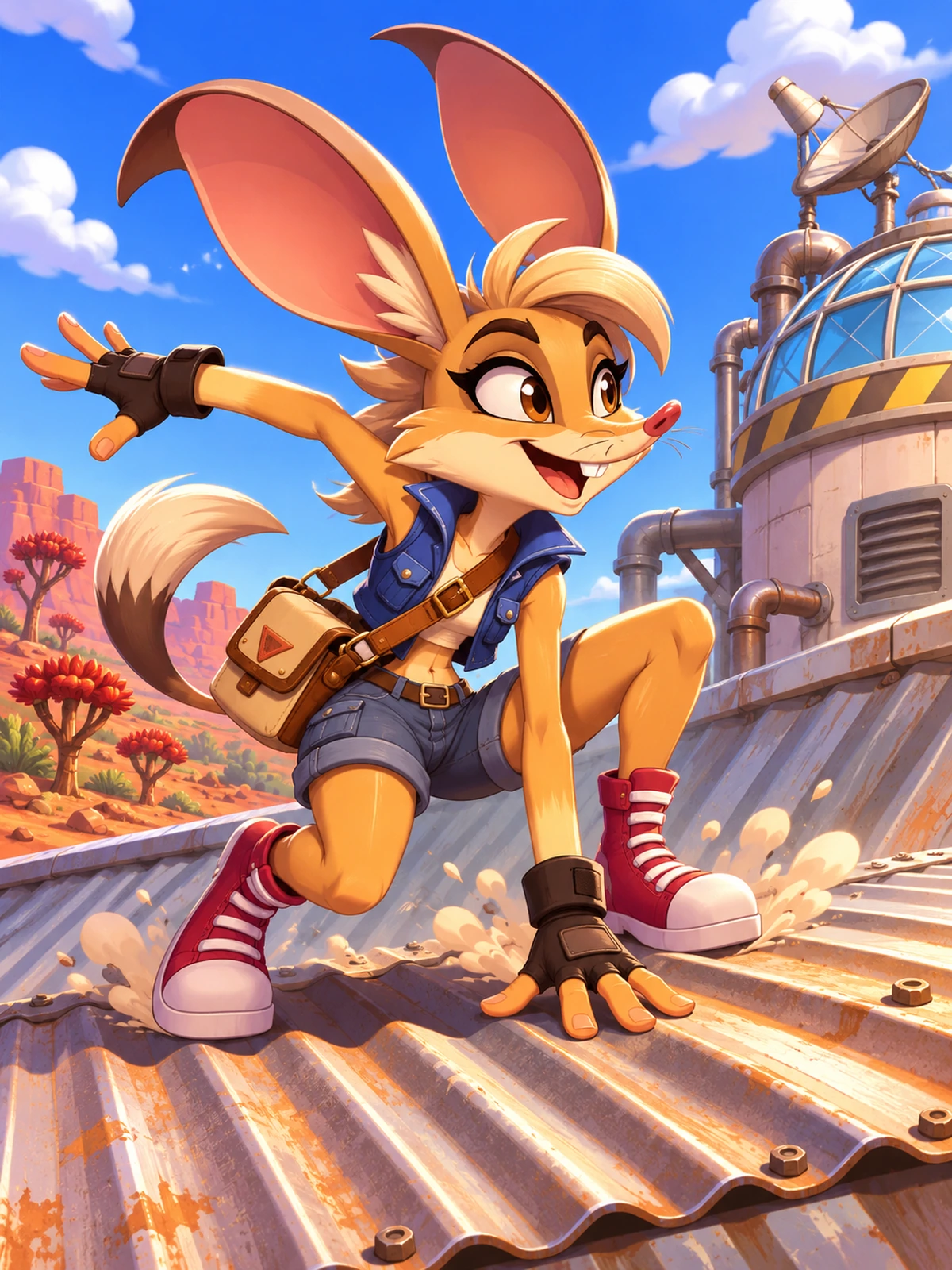
  • A sandy long-eared bilby courier in a blue vest lands on a sunlit corrugated roof with a canvas messenger bag.02

    Bilby Rooftop Courier

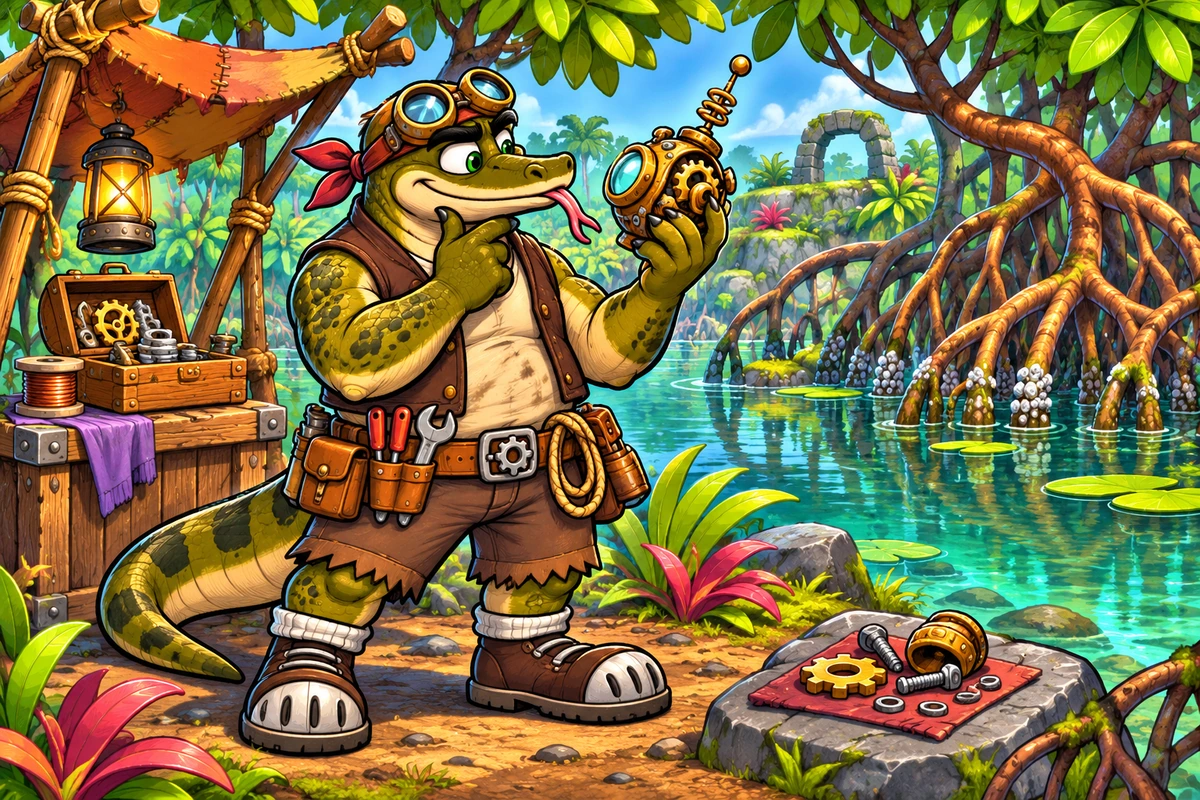
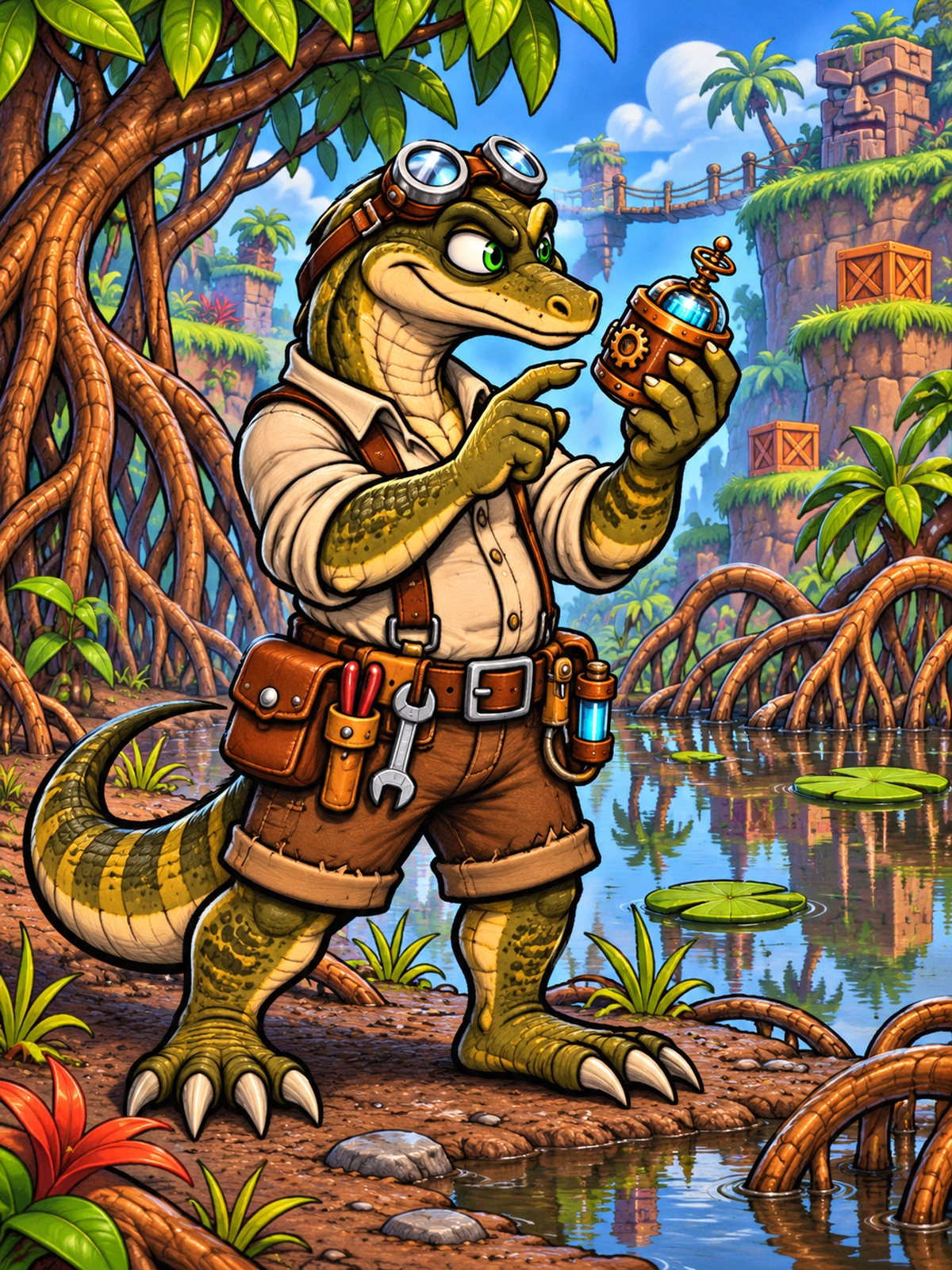
  • A stocky olive monitor lizard tinkerer examines a copper gadget beside a mangrove pool.03

    Monitor Marsh Tinkerer

Cartoon Animal Artwork With Platformer Energy

Silhouette, motion, scene interaction, and facial acting each give a fan character something different to show.

0104

Animal Shapes With Attitude

The OC maker supports broader character exploration. Text-led character generation turns species and body-shape ideas into cartoon animal artwork. A barrel-chested wombat with tiny ears reads very differently from a lanky tree climber, giving fan-art sketches a stronger starting silhouette.
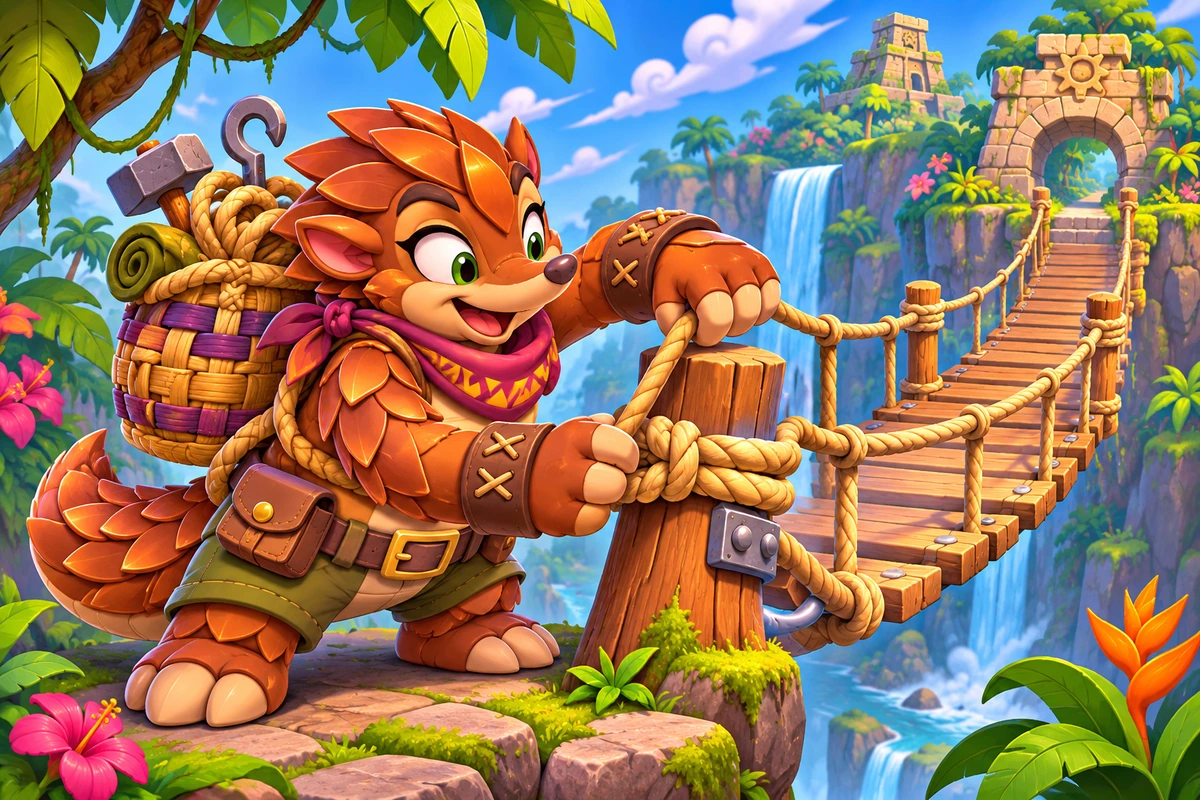
A stout copper-scaled pangolin bridge keeper steadies a rope bridge above a jungle ravine.

0204

Motion That Sells the Gag

Action-focused image prompts can depict a fossa skidding around a jungle bend, with its long tail counterbalancing the turn. Stretched limbs and a startled grin make the joke visible in one frame, creating a useful pose reference for a platformer-inspired fan illustration.

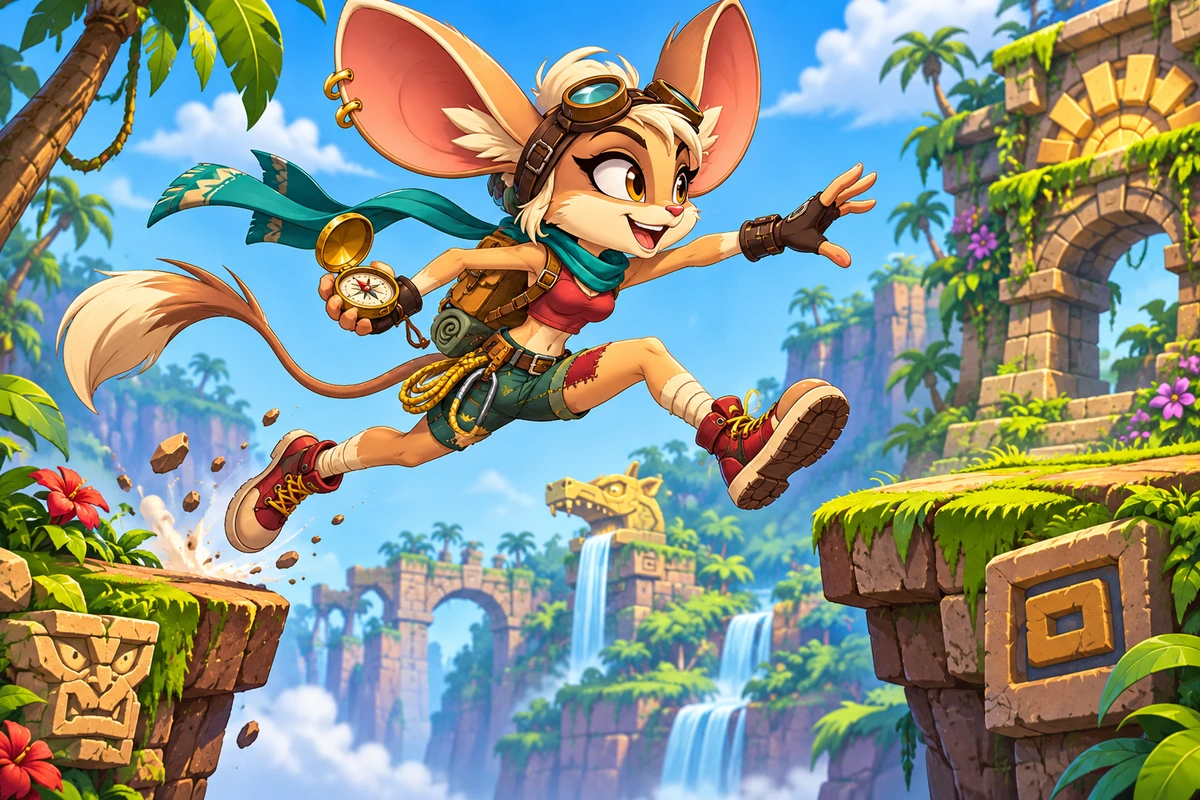
A large-eared jerboa explorer in a teal scarf leaps across a canyon between jungle ruins.

0304

Laboratory Mischief in Frame

Scene generation places a capybara inventor beside an oversized bubbling apparatus, making scale and prop interaction part of the image. Rubber sleeves and a wobbling glass coil suggest an experiment gone sideways; the resulting illustration suits a fan-comic scene moodboard.

A stocky olive monitor lizard inventor examines a brass gadget in a mangrove workshop.

0404

Faces Built for Reactions

The AI anime generator offers another visual direction for character artwork. Portrait generation emphasizes beak angle, eyebrow shape, and cheek compression for comic acting. A skeptical hornbill can become a close-up reaction image instead of another full-body pose.

A long-eared bilby courier in a blue vest lands on a corrugated rooftop above a desert outpost.

From an Animal Idea to a Finished Gag

Keep the first request focused enough to spot what needs changing.

  1. Break the Bandicoot Default

    Pick a species and two unmistakable shape cues before writing the prompt: a broad wombat chest and tiny ears, for example. State the role as something visible, such as a bridge keeper holding a balancing pole.

  2. Stage One Split-Second Moment

    Write one action with a clear direction, then add the camera and setting: a side-view skid on a mossy bend, tail swinging away from the path. Ask for a single cartoon illustration without lettering or interface elements.

  3. Inspect Paws, Tail, and Props

    Generate the image and check paw count, tail attachment, and where the prop meets the body. If a limb merges with foliage, simplify the background and separate the pose. Rework one major issue at a time; later images may change details.

Extra Detail Without Visual Clutter

Material, framing, and atmosphere can add polish without burying the animal under costume details.

  • 01

    Clothing Material Contrast

    Create rough canvas, slick rubber, or woven leaf accessories that separate clothing from fur without covering the animal shape.

  • 02

    Weather With Purpose

    Generate rain-darkened fur or sun-bleached fabric for island scenes where the weather adds atmosphere beyond a plain backdrop.

  • 03

    Room Around the Tail

    Get wider framing that leaves space for a sweeping tail and ears, useful when an illustration needs an uncrowded crop.

  • 04

    Small Prop Emphasis

    Create a prominent hand-held gadget or seed pouch as a visual focal point for an animal whose outfit stays deliberately simple.

  • 05

    Clear Color Separation

    Produce contrasting fur and backdrop palettes so a dark animal does not disappear into dense tropical leaves.

  • 06

    Illustrated Gift Concepts

    Create a personal fan-art concept for a greeting image or artist discussion, with the picture carrying the idea rather than lettering.

Frequently Asked Questions

Questions About Cartoon Animal Fan Art

What Is the Crash Bandicoot OC Maker?

It is a prompt-led way to create cartoon-animal character illustrations for Crash Bandicoot OC fan-art ideas. Species, expression, and setting guide the image. It is for visual concepts rather than writing a playable character into an existing game.

How Do I Use It for a Jungle Animal Character?

Describe the animal, its most important body-shape cues, and one visible action. Add a jungle or laboratory setting only when it helps explain that action. Generate an image, then revise the biggest visual mismatch instead of adding several new demands at once.

Is Making a Cartoon Animal OC Free?

OCMaker AI’s current terms describe a token-based service with a free tier, subscriptions, and one-time token purchases. Available tokens and generation costs depend on the current plan and model. Check Pricing and your account before generating; unlimited free access is not promised.

Can I Sell Art of My Crash-Inspired Animal?

Check OCMaker AI’s current terms, your plan, and rights in every input and output before selling artwork. A paid plan does not grant rights to Crash Bandicoot characters, recognizable mask designs, or franchise logos. A different species and costume can reduce resemblance but do not guarantee clearance.

Does a Platformer Pose Become a Playable Game Asset?

No. A mid-jump or skid illustration is still a picture. This page does not promise a 3D model, rig, hitbox, animation cycle, gameplay statistics, or a game-engine export. An artist or developer would need to build and test any usable game asset separately.

Why Do My Animal Paws Look Like Human Hands?

Requests for both realistic paws and detailed finger gestures can conflict. Specify rounded cartoon paws with a simple grip, keep the palm visible, and reduce the number of held objects. Inspect each generated image; a clear prompt cannot guarantee correct anatomy.

How Can a Long Tail Stay Clear During a Jump?

Describe an open arc behind the body and a side view with space around the landing ledge. Avoid asking the tail to wrap around a vine while also balancing the jump. If it merges with roots or railings, remove those overlapping background shapes.

Can a Lab Mutation Change the Animal Silhouette?

A prompt can request visible changes such as an enlarged forearm, an asymmetric shell, or unusually broad ears. Keep one dominant mutation and name its attachment point. These are invented visual traits, not canonical transformations or evidence of an in-game ability.

Why Does My Laboratory Scene Hide the Character?

Tall coils, vapor, and cluttered benches compete with a small animal face. Specify a waist-high apparatus to one side, a clear face, and one bright reaction. For a jungle scene, use the same separation principle with large leaves rather than detailed foliage everywhere.

Which Accessories Suit an Animal Without Hiding Its Shape?

A leaf satchel, rubber forearm sleeve, or small brass eyepiece can signal a role while leaving ears, muzzle, and tail visible. Pick one main accessory. Full armor and several dangling gadgets often cover the very features that distinguish one animal species from another.

How Do I Avoid Another Orange Bandicoot in Jeans?

Make the largest changes first: species, torso shape, muzzle length, and movement style. A compact pangolin balancing on a bridge is farther from that template than a recolored bandicoot in sneakers. Avoid recognizable franchise masks and emblems as shortcuts to the setting.

Are Cartoon Proportions the Same as Child Characters?

No. Oversized paws and expressive heads are stylistic choices, not an age requirement. Use mature animal characters with established roles rather than juvenile cues. OCMaker AI’s terms require users to be at least 18; a playful platformer look does not change that rule.

Give the Jungle Its Next Scene-Stealer

Generate an animal-character illustration with a pose that delivers the joke before anyone reads a caption.

Crash Bandicoot OC Maker: Cartoon Animal Art