Experiment OC Maker

Lab Experiment OC Styles to Generate

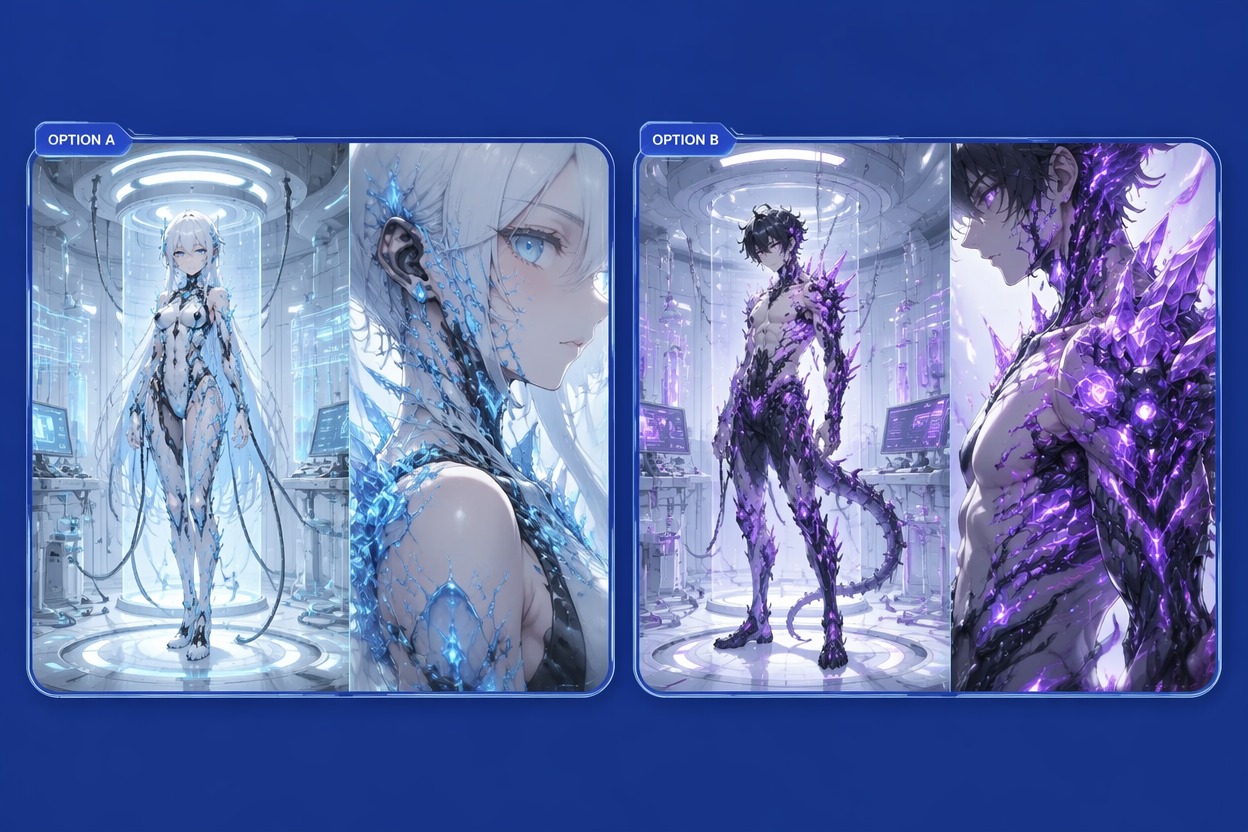
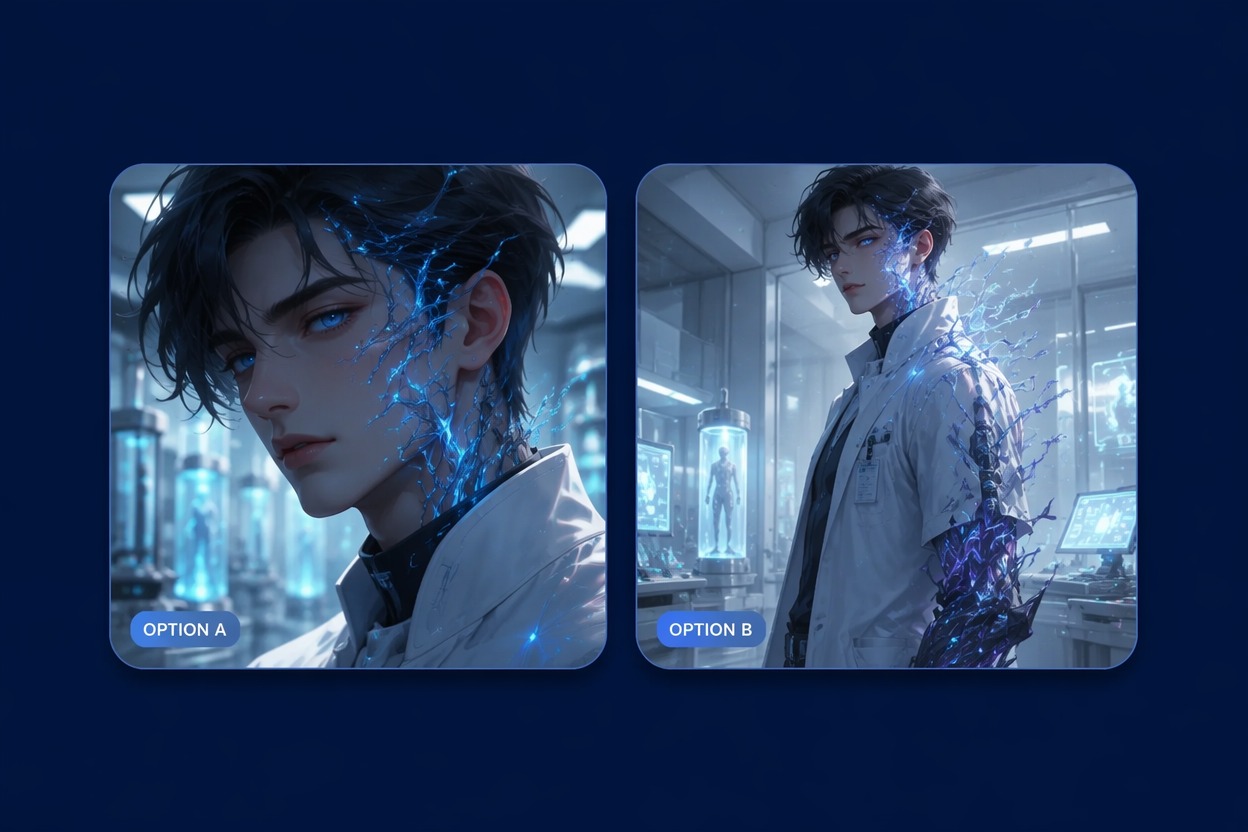
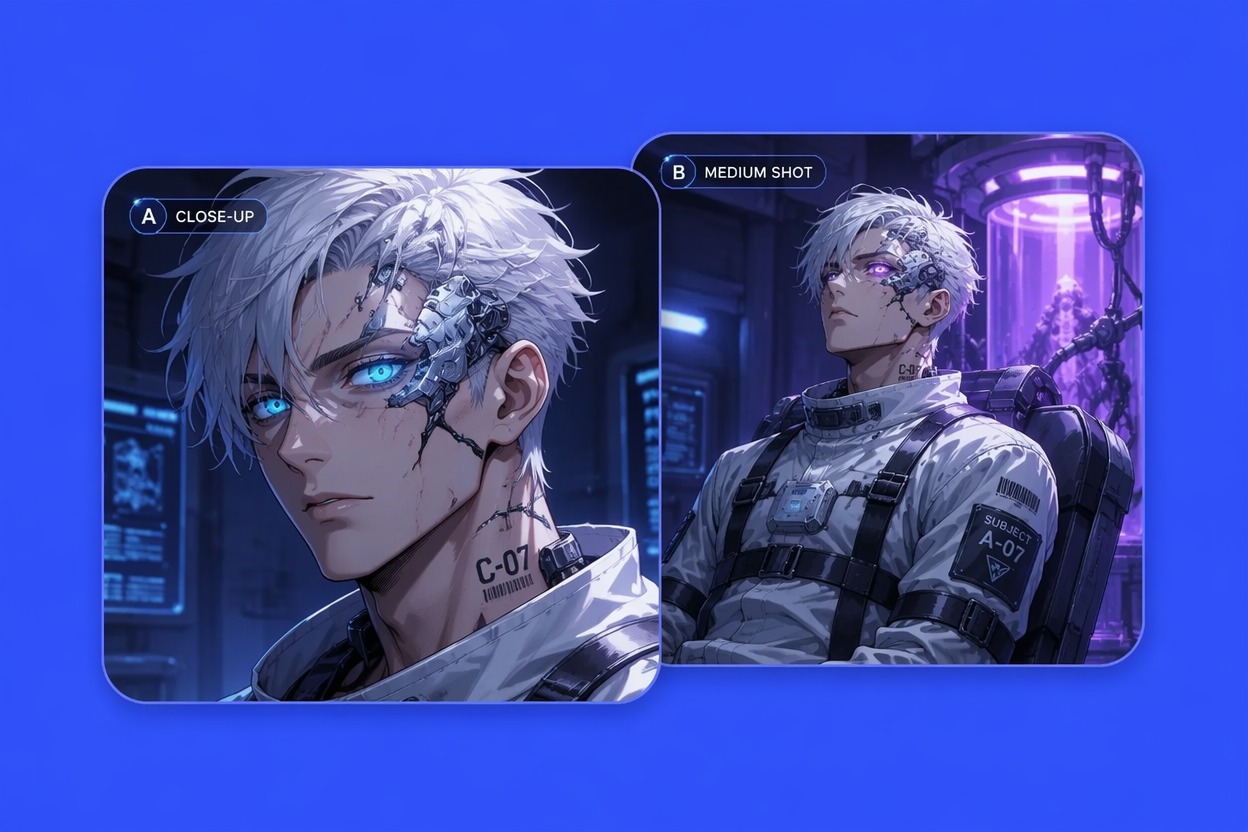
Test Subject Portrait

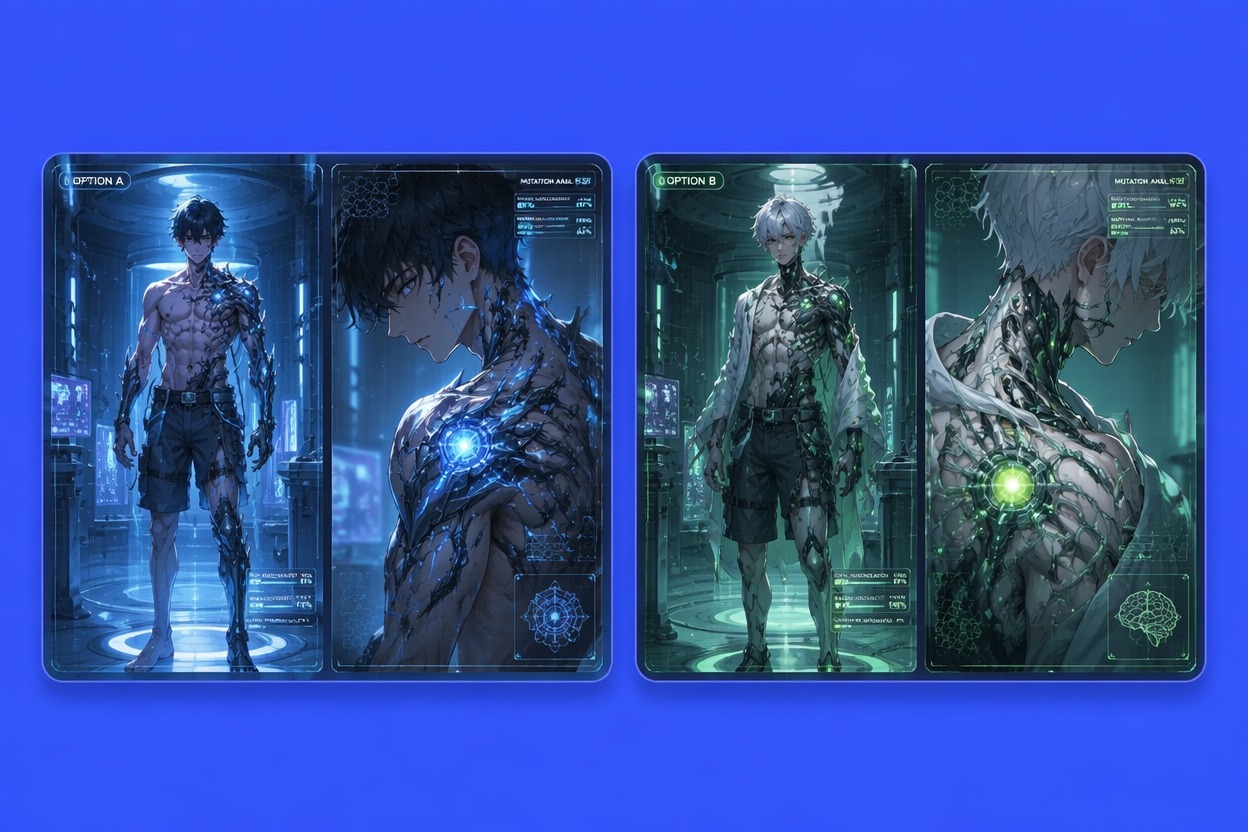
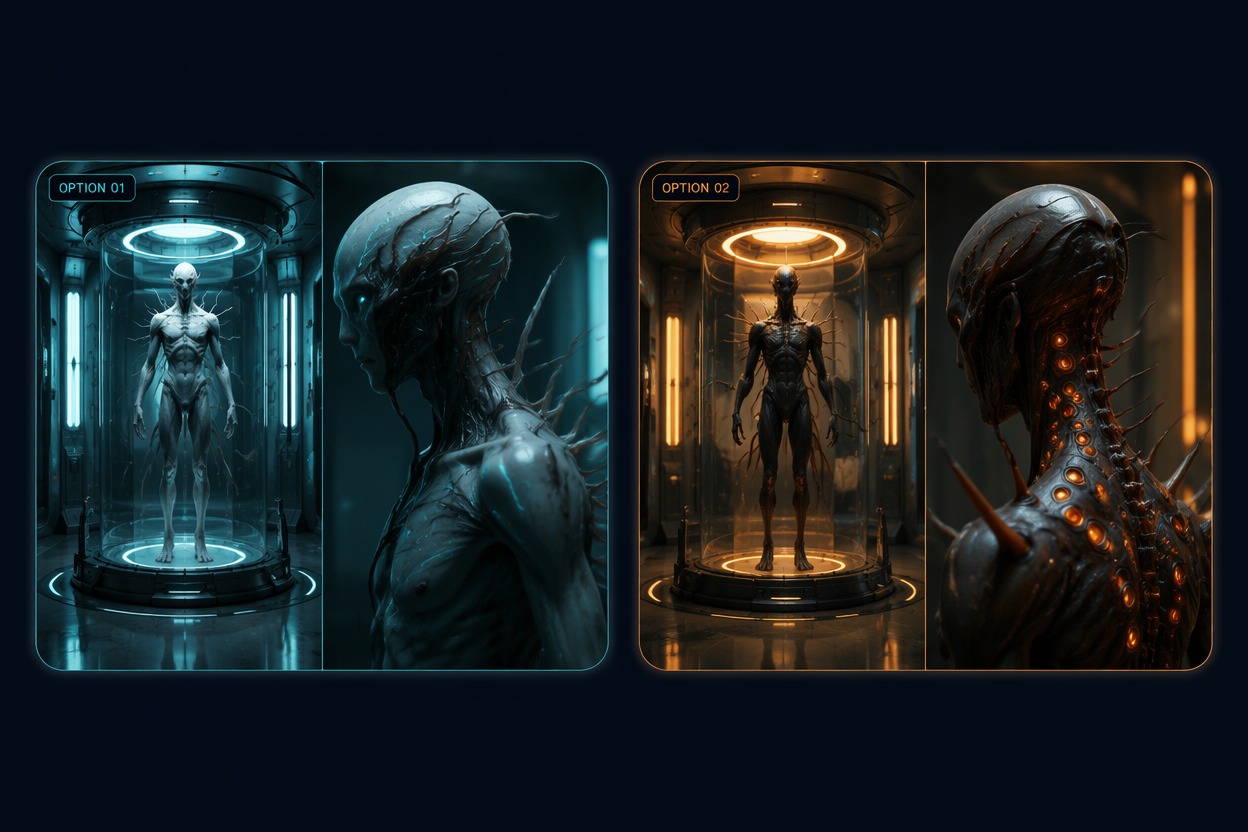
Containment File OC

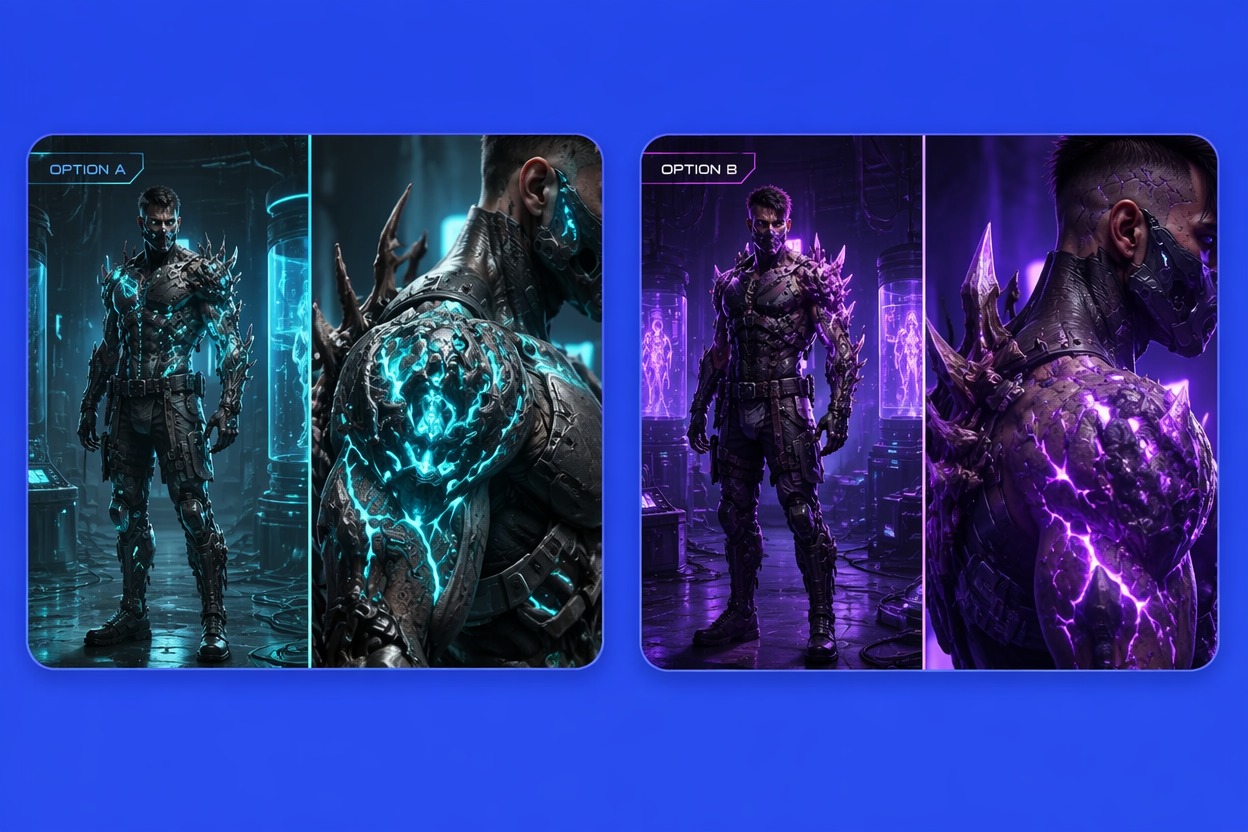
Mutated Hero Concept
Turn Lab Experiment Ideas Into Usable OC Files
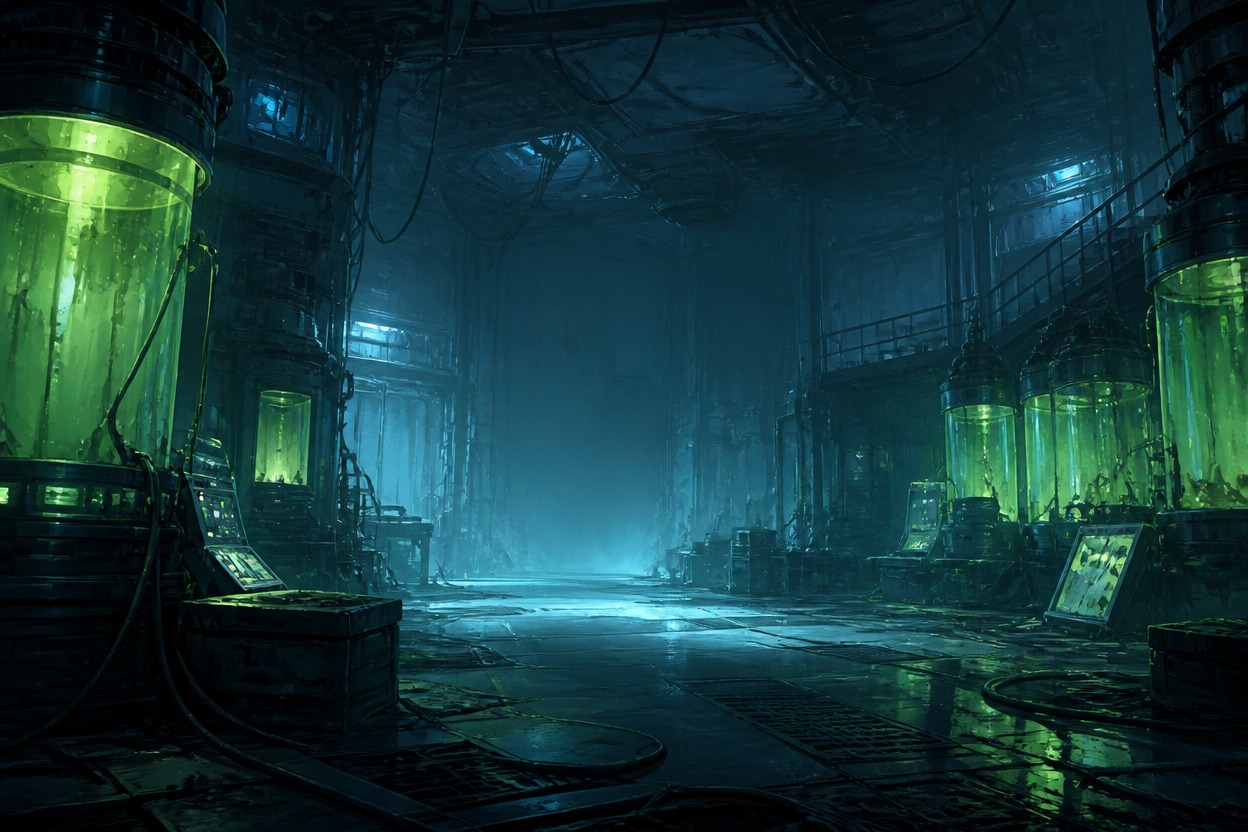
Generate Lab-Origin OCs
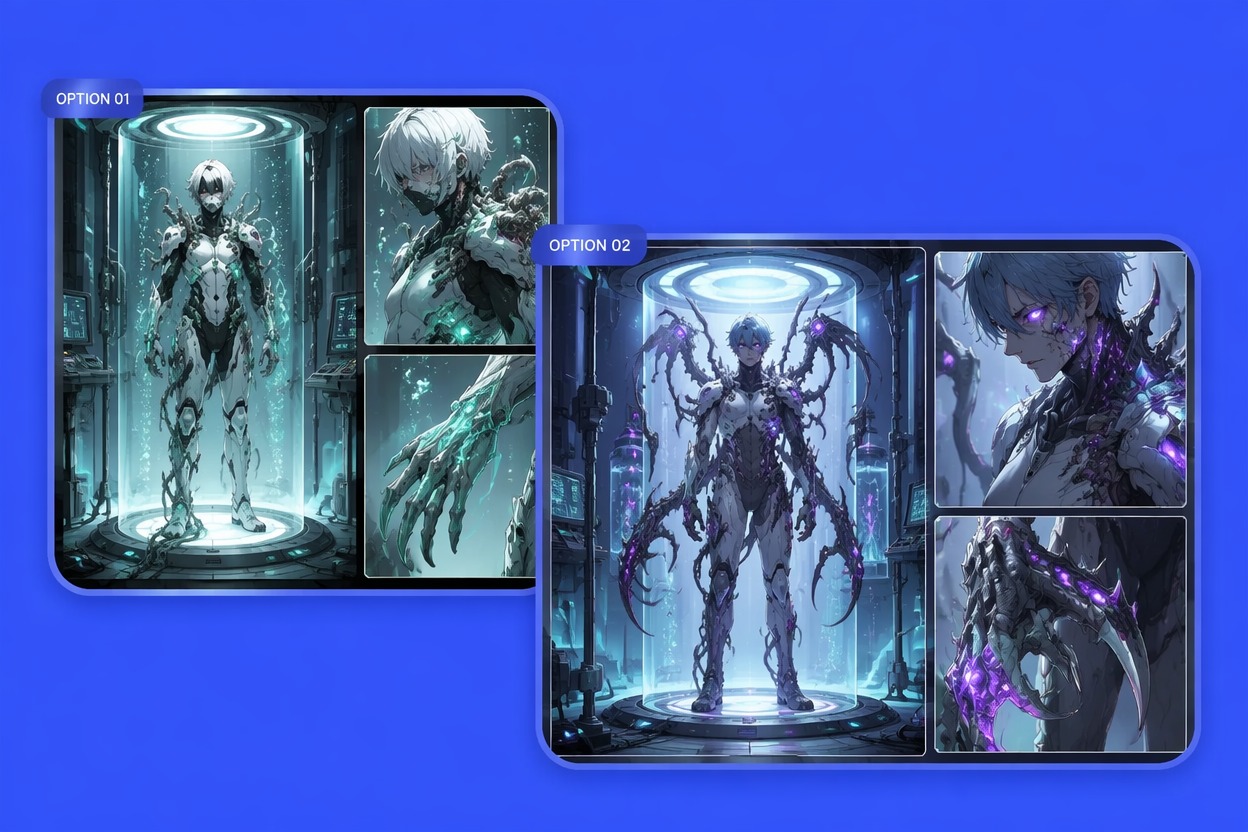
Generate a character shaped by a test subject file, altered body detail, hazard rating, or strange research history. The result gives your OC maker workflow a stronger premise than a generic scientist or monster design, with enough lab logic for profiles and image prompts.
Build Containment Profiles
Turn a lab experiment idea into profile-ready notes: origin, abilities, limits, observation tone, and what goes wrong when the OC is stressed. This fits SCP-style files, sci-fi roleplay, mutation stories, and concept sheets that need rules instead of loose vibes.

Design Mutated Visual Traits
Generate distinctive silhouettes with lab coats, test markings, glowing veins, patched gear, animal traits, or unstable energy effects. The tool helps the character read clearly in a portrait while keeping the experiment details usable for later full-body art.

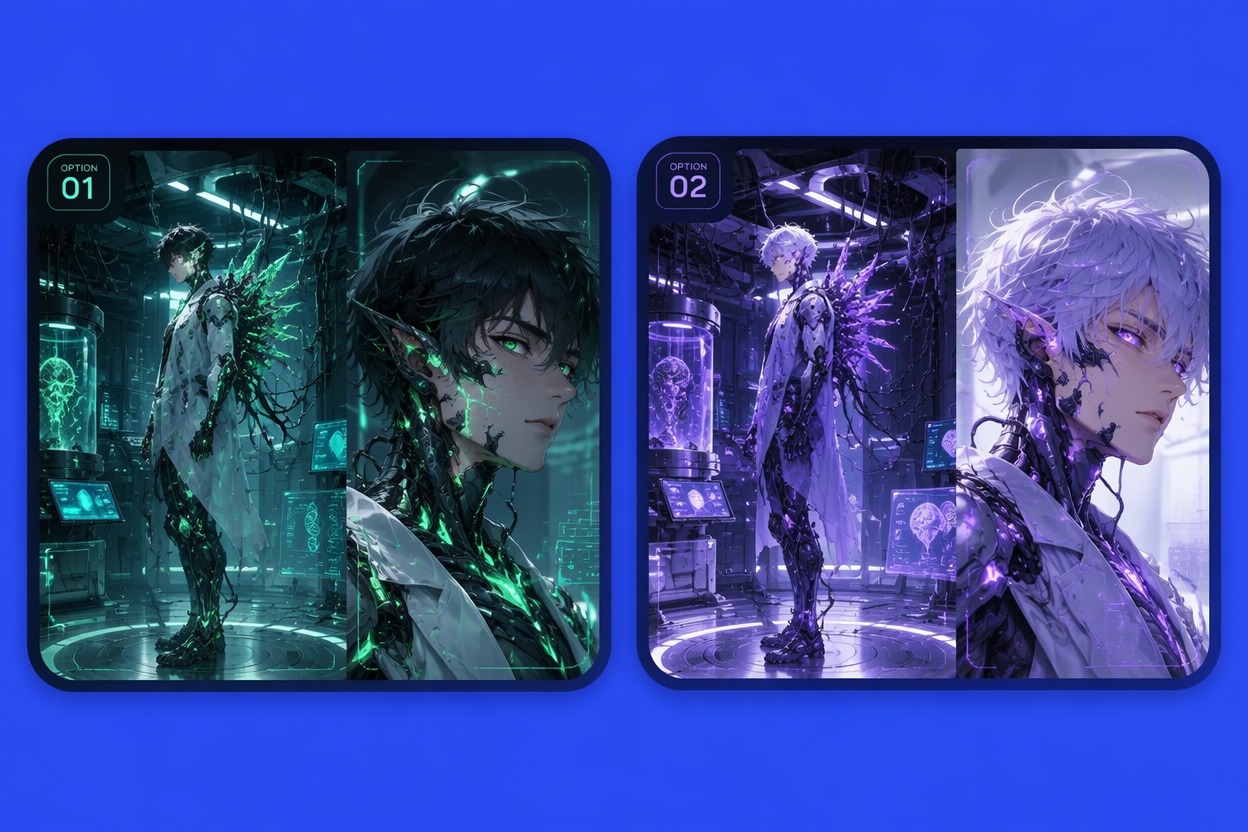
Create Anime Test Subjects
Produce polished anime character concepts with dramatic lighting, clean backgrounds, and readable expressions for experiment-themed avatars or story assets. The AI anime generator is a natural next step when you want broader portrait variations.

Why Use This Experiment OC Maker?
Stronger Origin Hooks
Mutation Detail Control
File-Ready Structure
Cleaner Visual Readability
Less Blank-Page Friction
Original Sci-Fi Direction
How to Use the Lab Experiment OC Maker
Set the Origin Event
Describe the failed trial, secret facility, mutation source, or experiment purpose behind the OC.
Add Visible Evidence
Enter body changes, clothing damage, lab gear, containment color, expression, and ability limits.
Generate the File
Create the OC profile, then refine the risk level, portrait crop, backstory tone, or anomaly rules.
Common Questions About Experiment OC Maker
Ready to Generate an Experiment OC maker File?
Create a lab-origin character with mutation details, file notes, power limits, and a profile-ready portrait direction.