Style*
Background
4tokens•~30s

Godzilla OC Maker

Generate images of original colossal beings built around unfamiliar anatomy, movement, habitat, and scale. Create Godzilla OCs without copying Godzilla's profile, dorsal plates, atomic breath, official monsters, franchise marks, or recognizable film scenes. This is an original-creation tool, not an official franchise product.

Godzilla OC Maker swamp kaiju, a massive armored original creature moving through a flooded forest

Examples of Godzilla OCs

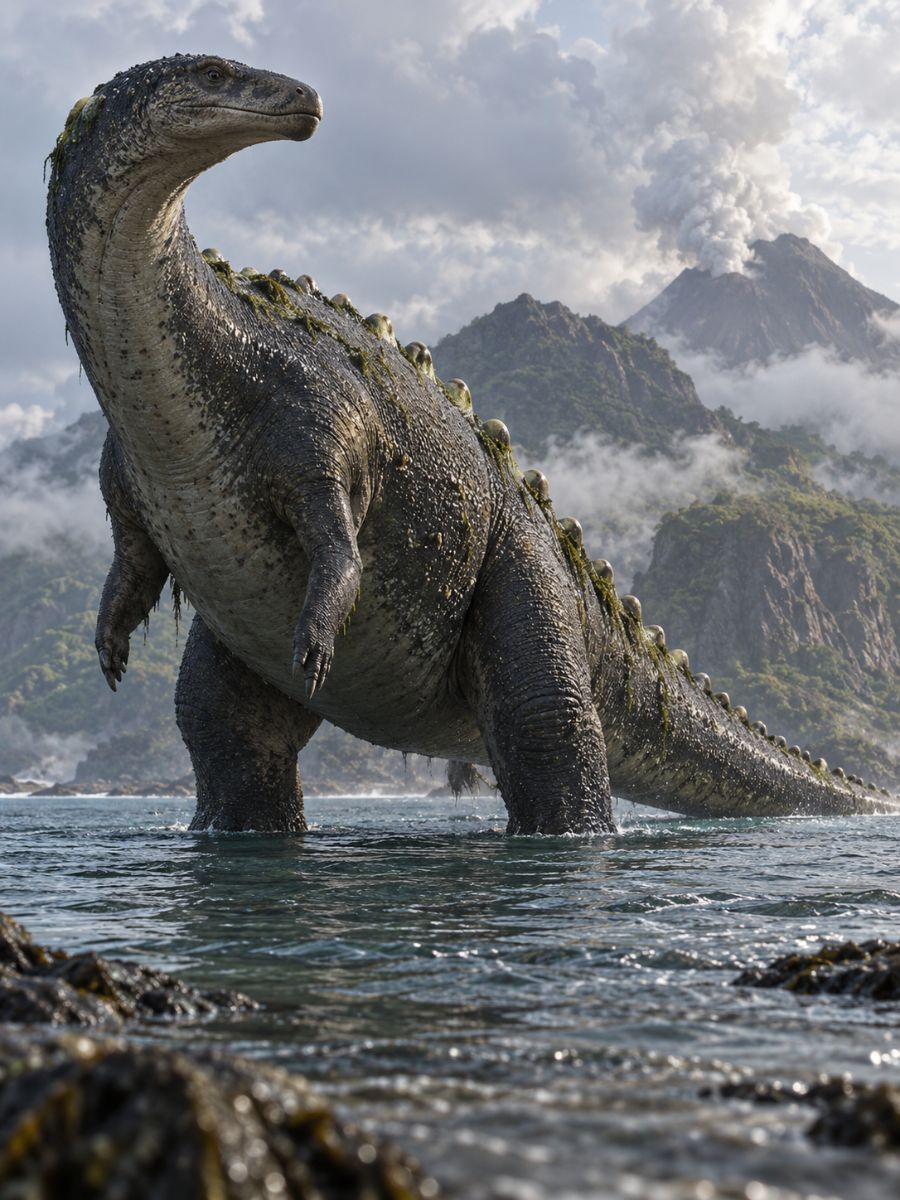
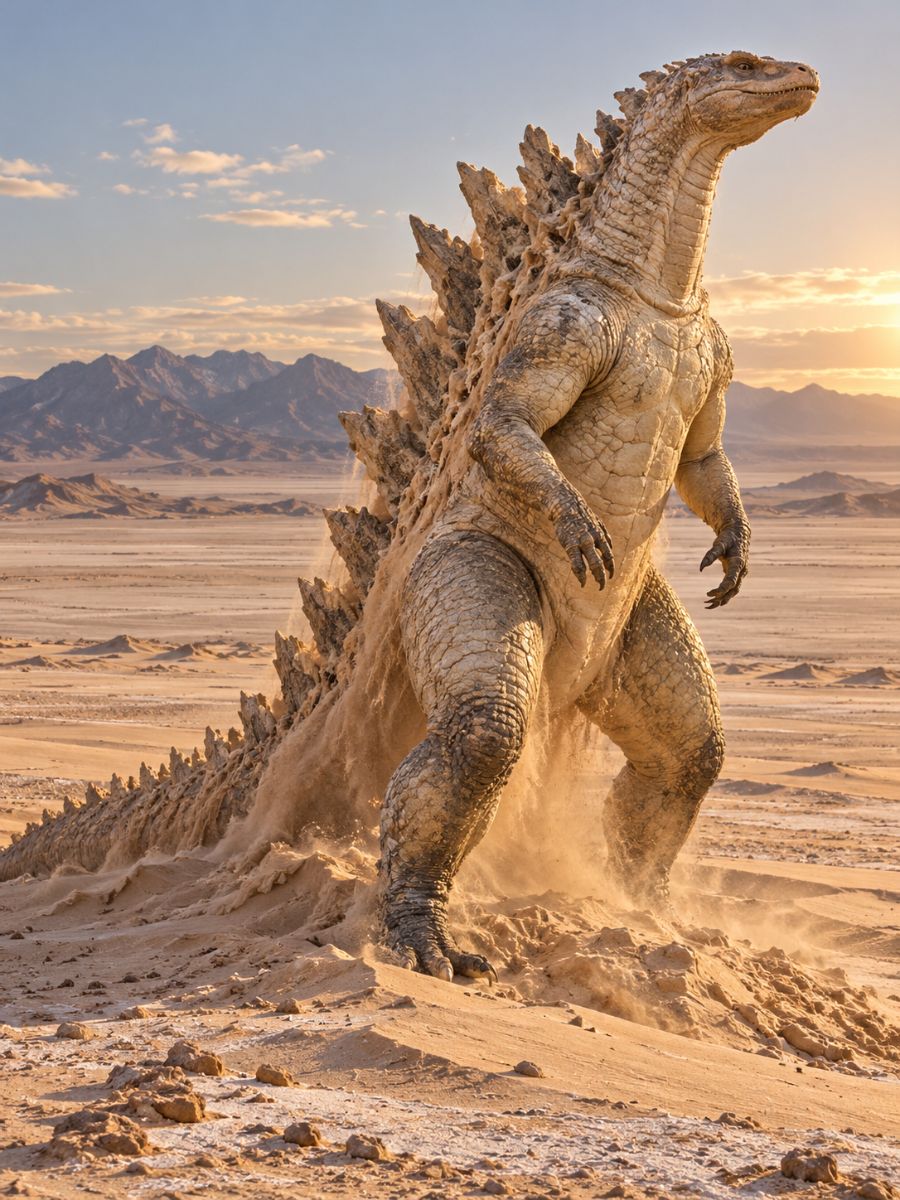
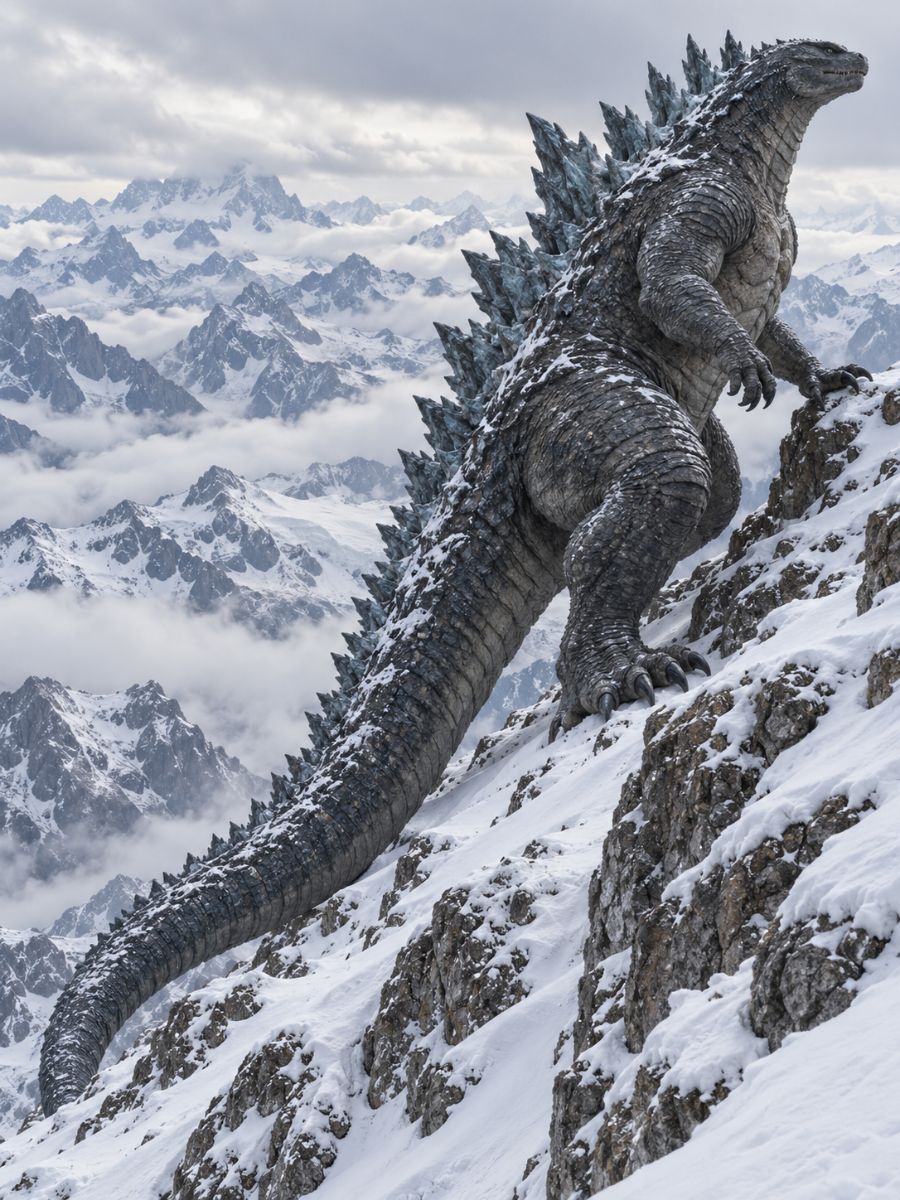
Compare three original Godzilla-style kaiju: a reef-scarred marine titan that wades through the ocean, a glass-scaled desert titan that burrows beneath the dunes, and a long-tailed alpine titan that climbs across snowy ridges.

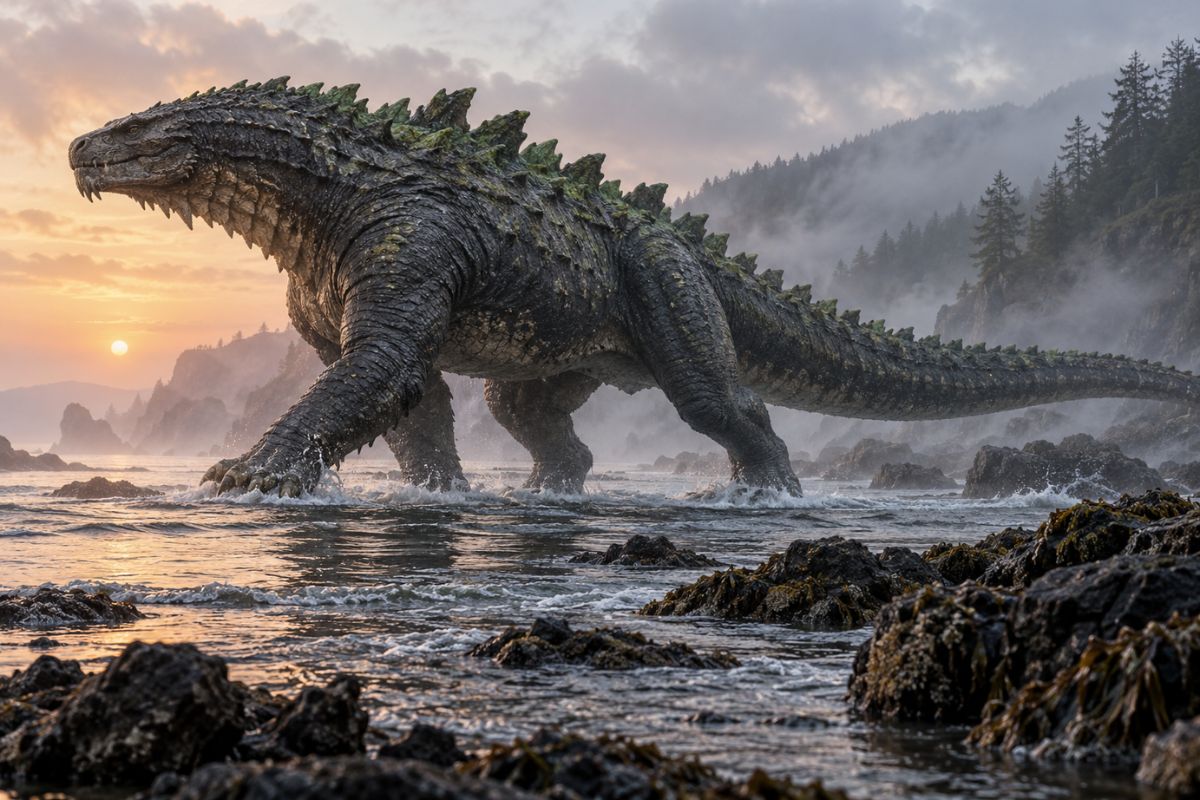
  • Godzilla OC concept of a long-necked coastal kaiju standing in ocean water beneath a cloudy sky01

    Reefback Godzilla

  • Godzilla OC concept of a pale desert kaiju with rugged scales and jagged dorsal plates crossing the dunes02

    Glass Dune Godzilla

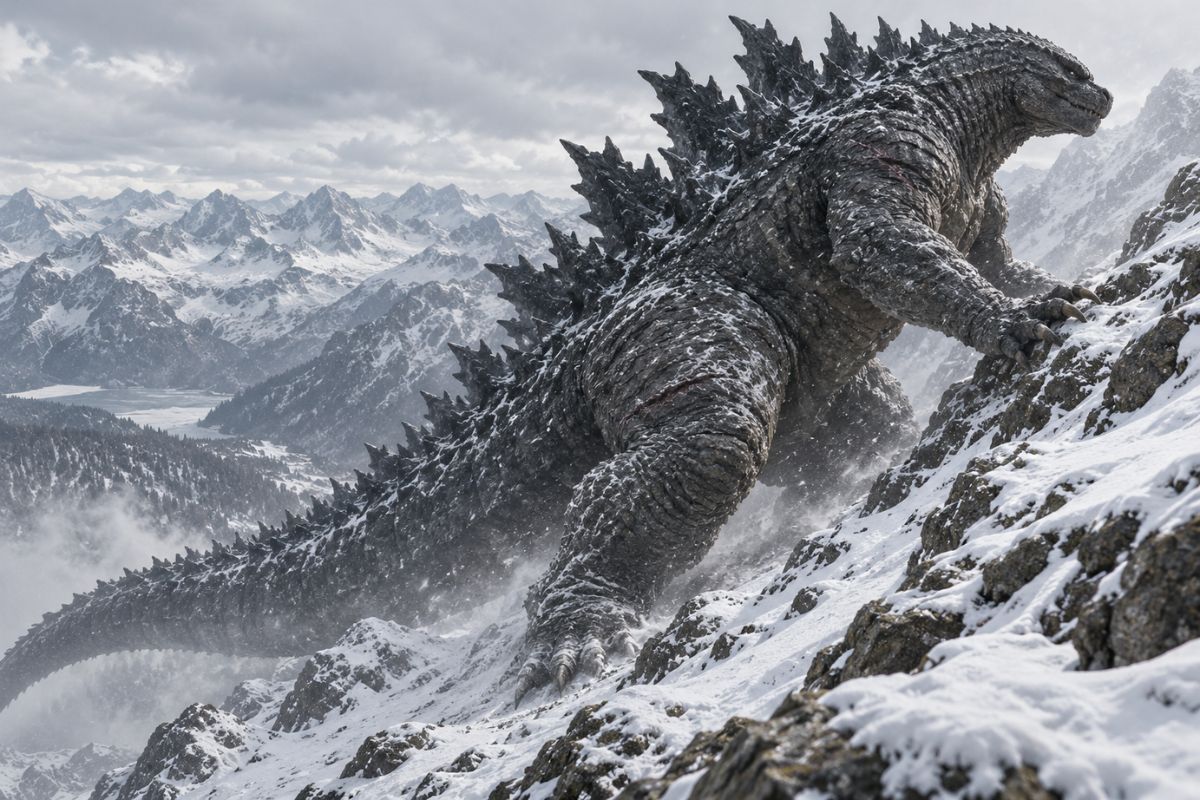
  • Godzilla OC concept of a dark, long-tailed kaiju climbing across a snowy alpine mountain03

    Alpine Longspine Godzilla

Shape a Colossus From Anatomy to Final Frame

Define a nonhuman structure, connect its movement to a habitat, then inspect the image for copied franchise cues and visual errors.

  1. Anchor the Species in One Structure

    Choose a body plan first: radial, colonial, limbless, six-legged, ribbon-like, or fungal. State its limb count, weight distribution, surface, face placement, and the movement that its anatomy permits.

  2. Make the Habitat React

    Describe one biome and the physical evidence of scale within it. Add displaced water, cracked salt, bowed trees, cloud contact, deep tracks, or drifting debris, then set a camera distance that keeps those clues visible.

  3. Remove Familiar Monster Signals

    Review the silhouette, back edge, head, power effect, extra limbs, and setting. Regenerate if you see Godzilla-like dorsal plates, atomic breath, official monster anatomy, franchise symbols, malformed joints, duplicated parts, or readable text.

Generate Giant-Creature Images Beyond Familiar Shapes

Build each frame from species anatomy, locomotion, environmental interaction, and visible evidence of immense scale.

0104

Invent a New Body Plan

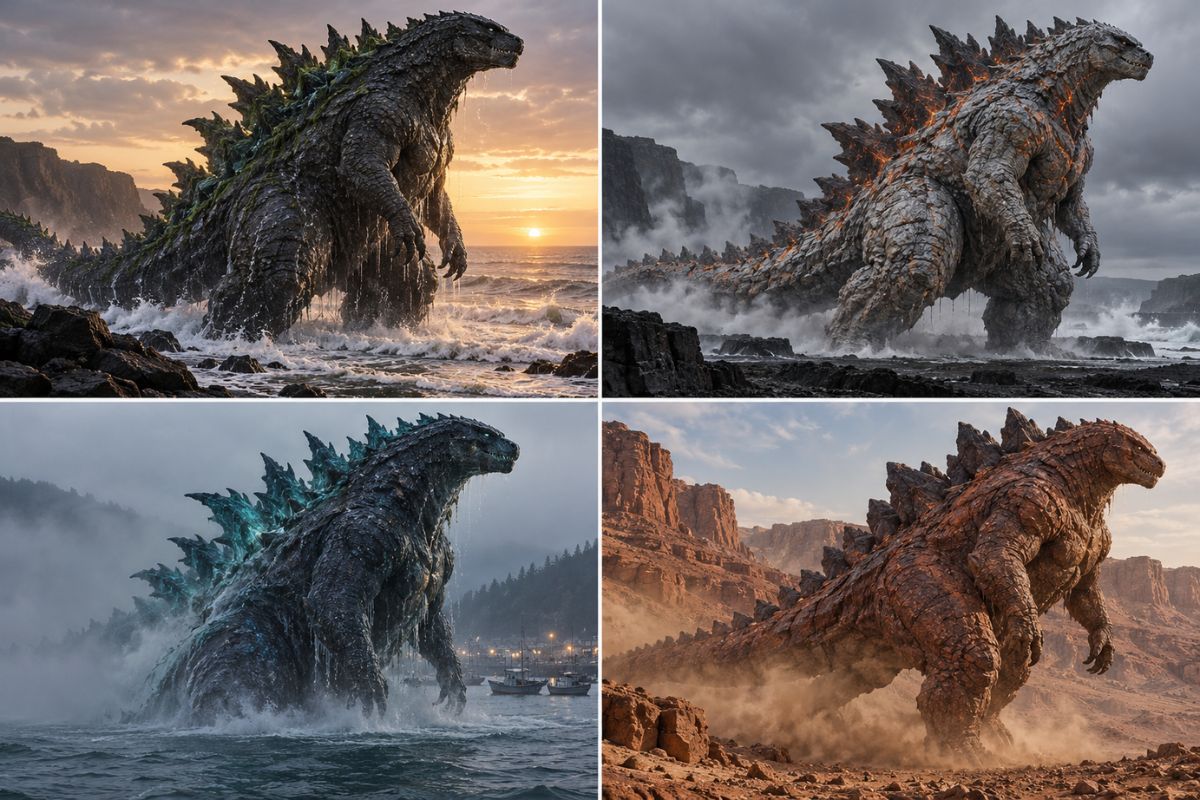
Begin with anatomy that controls the whole image: radial limbs, a hollow ring torso, distributed eyes, and buoyant movement over open water. Set the number and placement of appendages, choose the surface material, and define how the creature balances. The result is a species study suitable for a concept board or profile image.
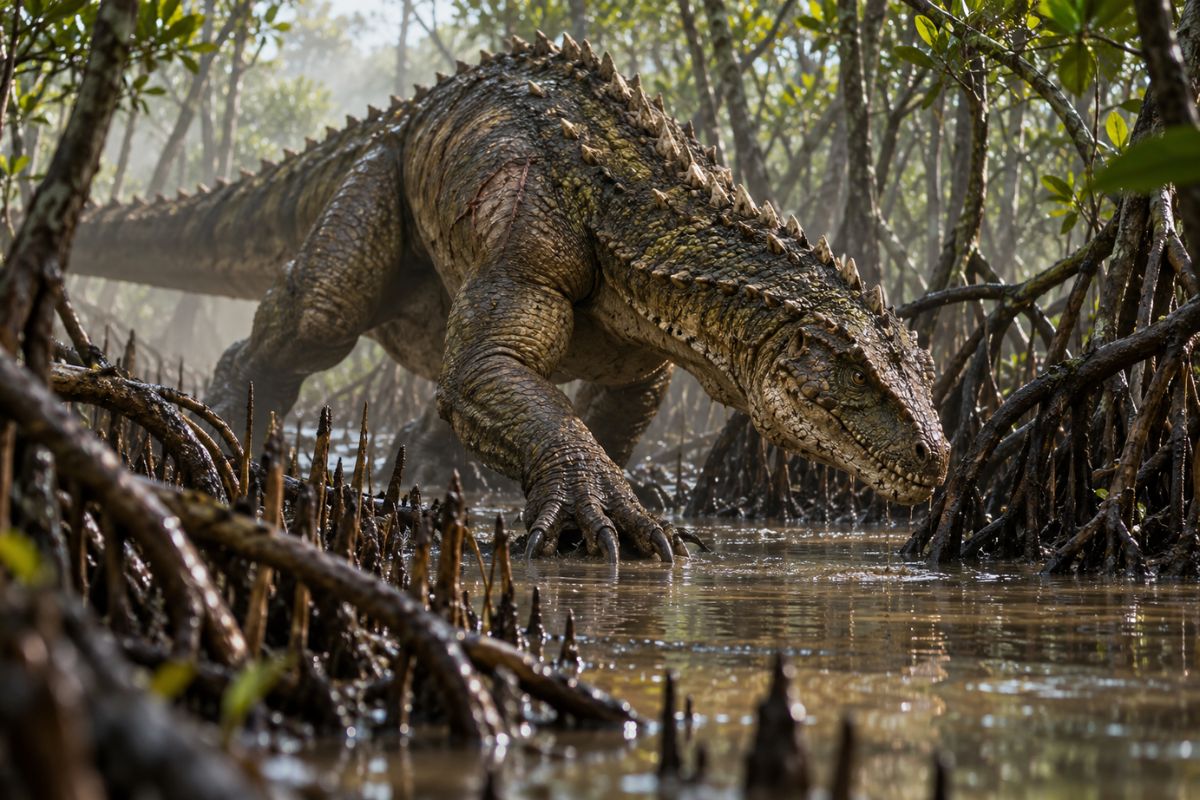
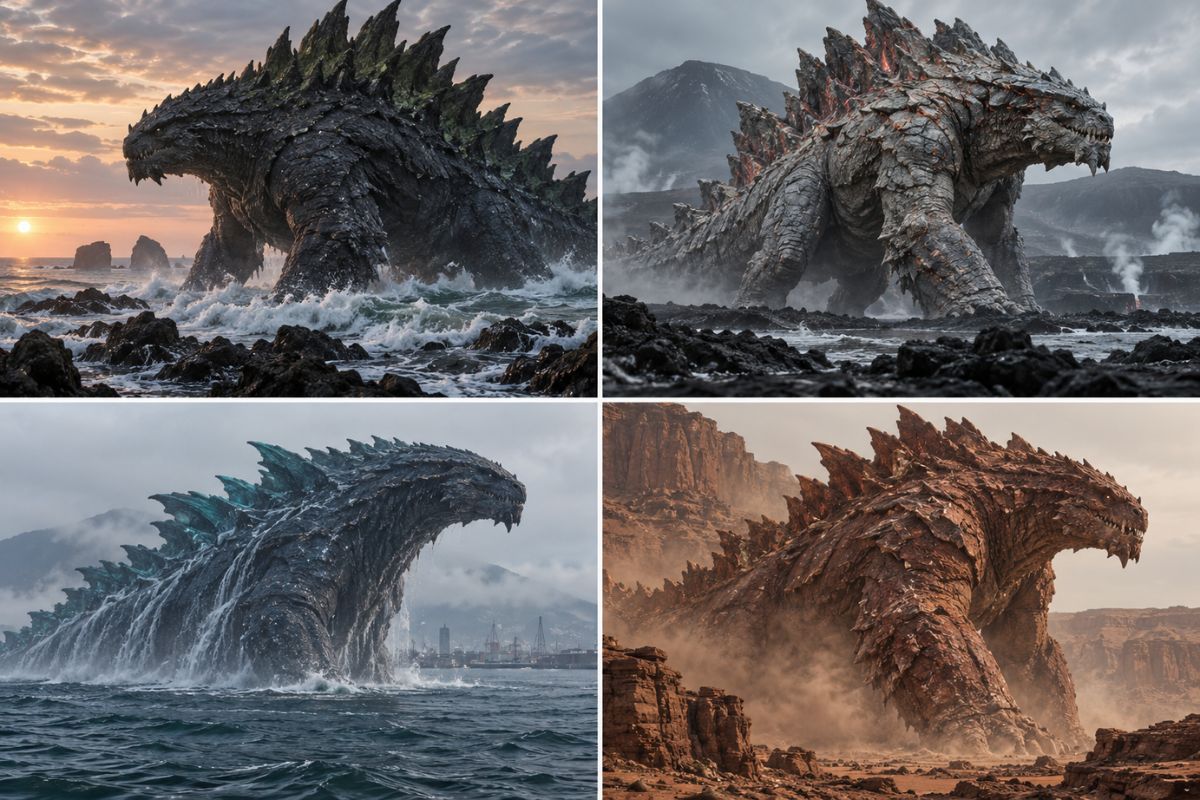
Godzilla OC Maker creature-form variations showing original kaiju designs across coastal, icy, and desert habitats

0204

Show Weight Through the Landscape

Make colossal size visible through bent reeds, displaced water, compressed earth, mist layers, and distant empty structures rather than a copied skyline. Control camera height, depth, weather, and the creature's contact with terrain. An AI anime generator offers another visual direction for stylized scale studies and dramatic creature art.

Godzilla OC Maker kaiju forms shown in coastal water and desert landscapes with visible environmental scale

0304

Visualize Unfamiliar Creature Abilities

Translate an ability into visible cause and effect without a mouth beam. A translucent amphibious colossus can pulse light through throat membranes, drawing rain into spirals while nearby pools ripple. Specify the source, direction, environmental response, and exposure so the action remains clear enough for a creature reference sheet.

Godzilla OC Maker sunset coastal kaiju standing among waves and dark shoreline rocks

0404

Compare Species Without Losing Scale

Create a second image that tests a radically different creature class, pose, and biome while retaining the same sense of magnitude. Contrast a tripod fungal walker in a frozen caldera with a radial coastal animal, then use the OC maker to explore which silhouette best fits a profile, reference board, tabletop campaign, or personal monster roster.

Godzilla OC Maker snowy mountain kaiju with a long tail and dorsal spines crossing an icy ridge

Why Use This Godzilla OC Maker

Develop giant-creature images around anatomy and ecology instead of relying on a familiar franchise silhouette.

  • 01

    Creature-Class Range

    Generate terrestrial, aquatic, aerial, colonial, fungal, mineral, or limbless beings with clearly different anatomy.

  • 02

    Habitat-Specific Presence

    Create environmental interactions that connect mass and movement to marshes, reefs, deserts, ice fields, or mountains.

  • 03

    Flexible Camera Distance

    Produce close anatomy studies, full-body views, low-angle scale shots, or distant environmental compositions.

  • 04

    Material Variety

    Get shell, translucent tissue, mineral hide, fibrous growth, plated clay, or wet membrane surfaces in the image.

  • 05

    Atmospheric Scale Cues

    Maintain colossal presence through fog banks, cloud layers, water displacement, long shadows, and terrain contact.

  • 06

    Pose-Led Identity

    Create crawling, drifting, burrowing, coiling, grazing, or tripod movement that makes each species identifiable.

Frequently Asked Questions

Godzilla OC Maker FAQ

Answers about giant-creature image types, body plans, scale cues, Godzilla x OC ideas, visual failures, and rights-aware use.

What is Godzilla?

Godzilla is a fictional giant monster introduced in Toho's 1954 Japanese film Godzilla. The character has appeared in many films and other media; this maker focuses on newly designed creatures rather than official depictions.

Can I create a non-reptilian kaiju with an original body plan?

Yes. Describe a structural rule before adding surface details: a floating colonial reef, a limbless salt-flat burrower, an eight-limbed ring animal, or a tripod fungal walker. Pair the anatomy with a habitat and locomotion method so the creature reads as a functioning species rather than a recolored upright reptile.

How do I make Godzilla OCs look original?

Change the full structural idea rather than recoloring a reptile. Try radial symmetry, colonial organisms, limbless burrowers, soft-bodied amphibians, tripod fungi, or ribbon forms, then pair each with a different movement and habitat.

Can I create a Godzilla x OC scene?

You can describe a crossover-inspired scale or confrontation composition, but avoid requesting an exact official character. Use an original second colossus, an unfamiliar location, and distinct anatomy so the generated image does not reproduce protected designs or a known film scene.

How can I show size without copying a city scene?

Use empty natural scale references such as cliff bands, forest canopies, glaciers, tidal flats, cloud layers, or volcanic islands. Terrain deformation, mist overlap, footprints, and water displacement can communicate mass without recreating a recognizable city sequence.

Why did my creature gain dorsal plates or atomic breath?

Those cues can appear when the prompt relies on a generic upright reptile. Replace the whole body plan, forbid a jagged dorsal silhouette and mouth beam, choose a different face location or locomotion, and describe a non-beam ability tied to the environment.

What rights should I check before commercially using a kaiju image?

Review the current OCMaker AI terms and confirm your rights to every input and output. Screen the creature for Toho monster likenesses, Godzilla's upright silhouette and dorsal plates, atomic-breath imagery, official monster names, logos, and recognizable film scenes; this page does not grant rights to those elements.

Put a Never-Seen Colossus Into the Landscape

Generate a giant-creature image whose anatomy, movement, and environmental impact belong to a species of your own design.

Godzilla OC Maker: Create Original Giant Creatures