Style*
Background
4tokens•~30s

Hero Costume Maker

A hero’s outfit should explain how they move and what they can do. Hero Costume Maker generates costume concept images for illustrators and character designers, from flexible rescue gear to dramatic power-channeling suits.

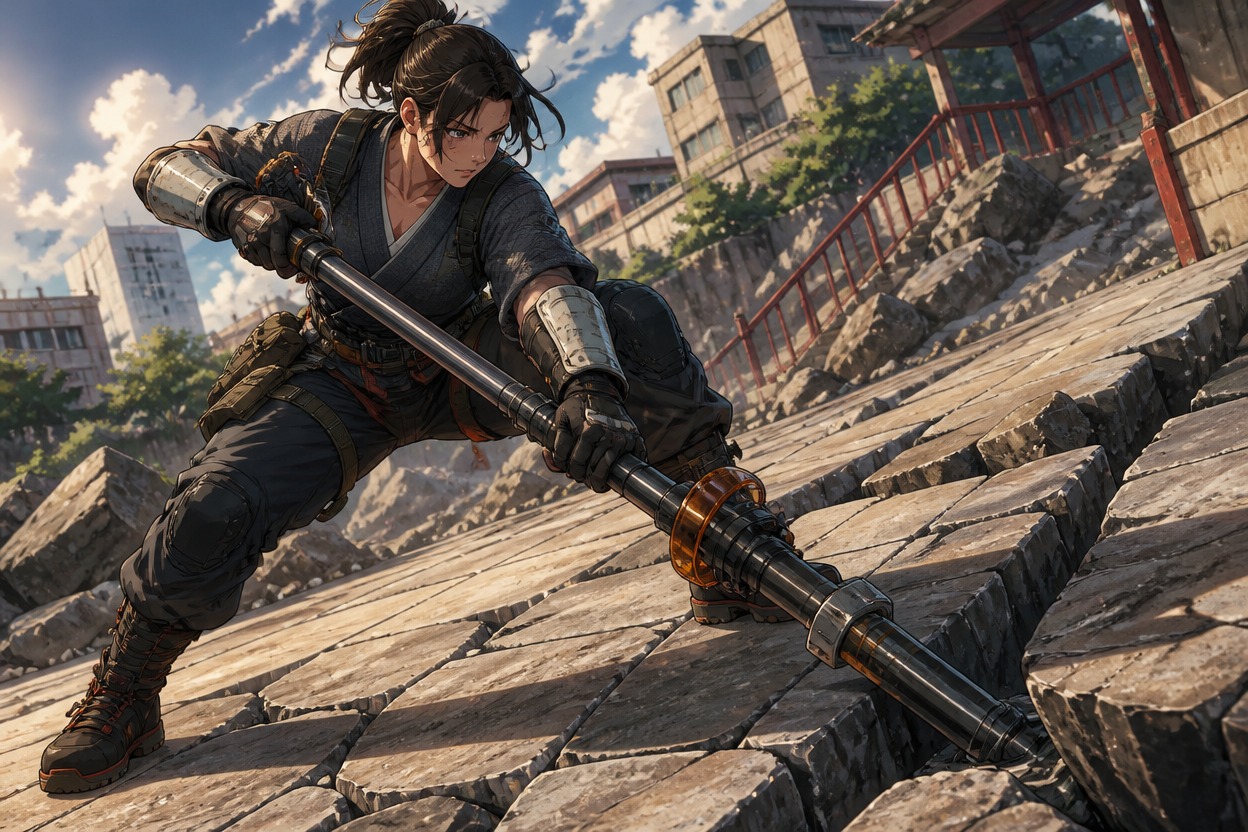
Rescue hero in a slate wrap jacket bracing a long lever on a cracked plaza

Three Missions, Three Different Wardrobes

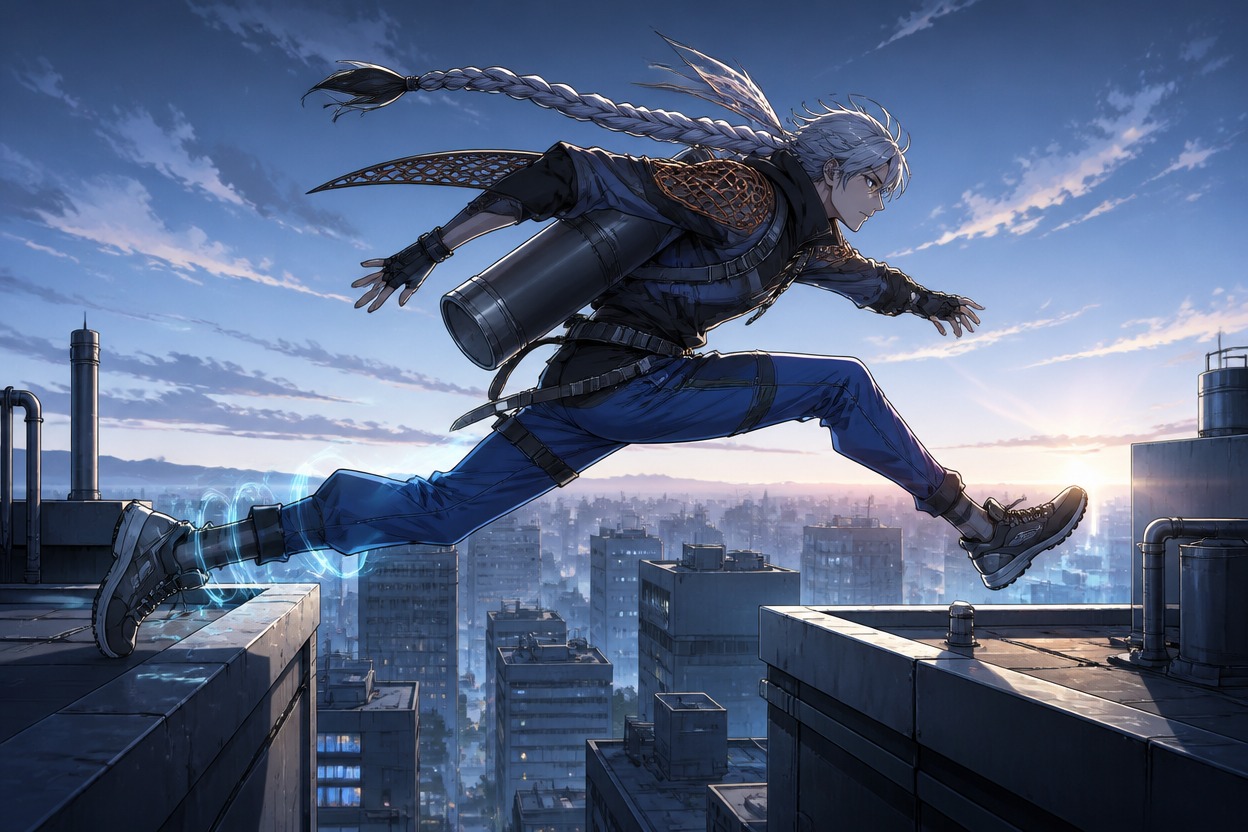
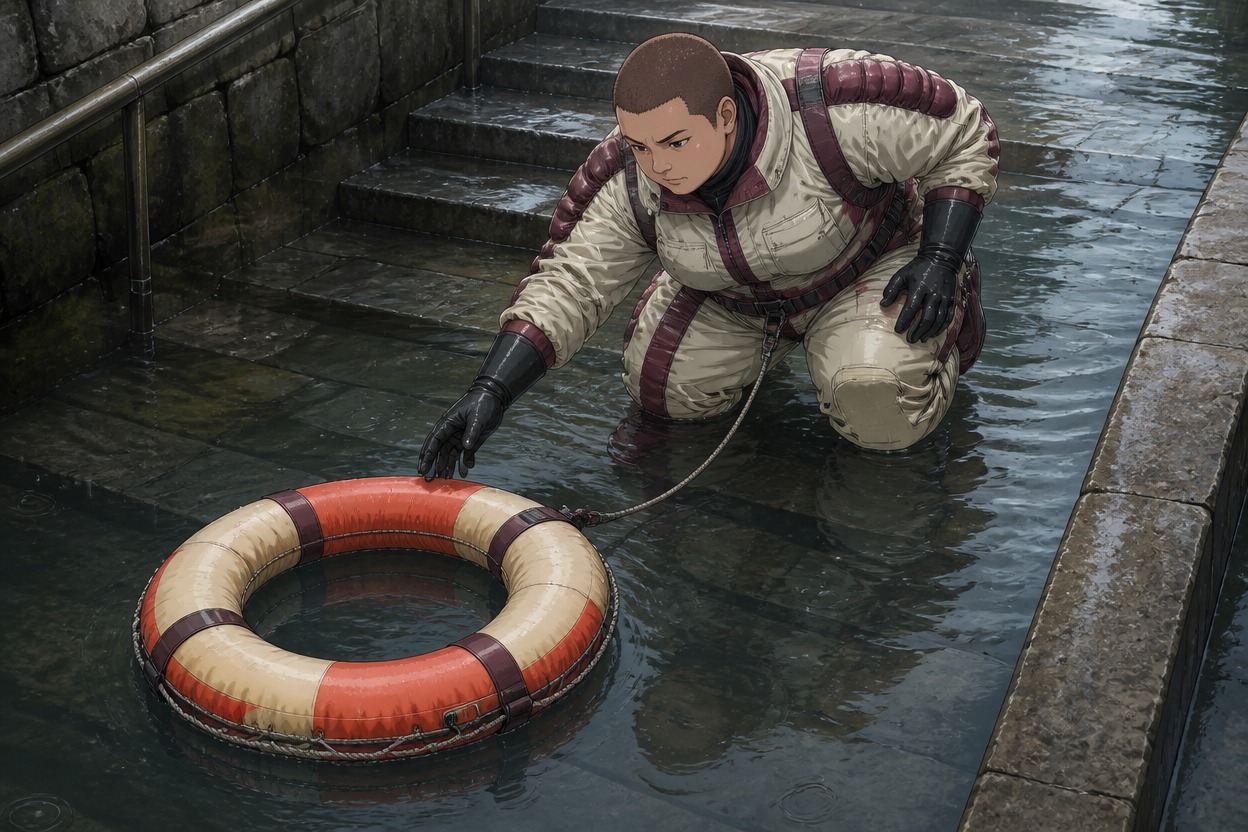
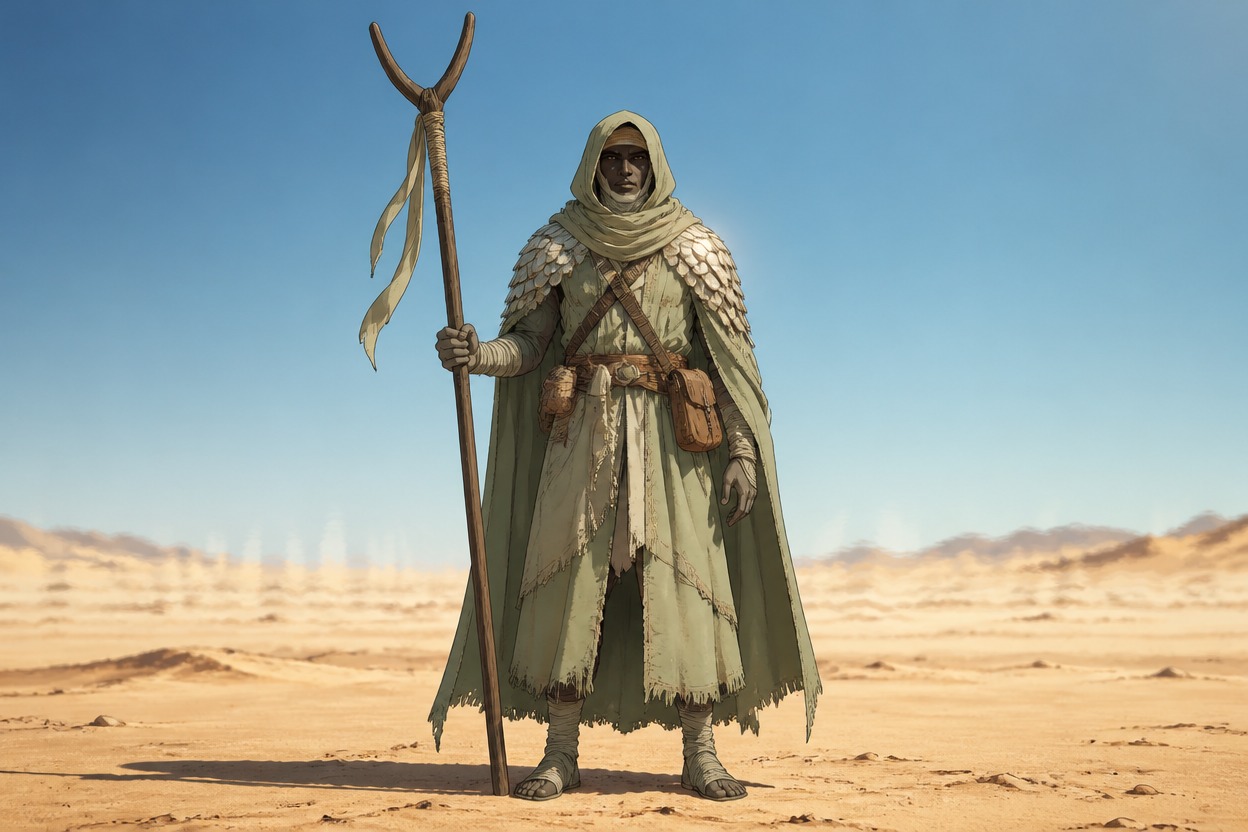
A rooftop courier, a flood responder, and a desert sentinel show how the job can reshape an entire costume.

  • Silver-braided rooftop courier leaping with a strapped cylinder and copper shoulder pieces01

    Rooftop Courier

  • Flood responder kneeling beside a hip-tethered floating ring on submerged stairs02

    Flood Responder

  • Desert sentinel in a pale sage mantle planting a forked staff in sand03

    Desert Sentinel

Hero Costume Generator For Action-Ready Outfits

See how silhouette, construction, abilities, and mission context become costume concept images.

0104

Silhouettes Built Around Movement

Full-body studies help visualize outfits around a movement style, from a deep crouch to a long vault. Split hems, exposed joint zones, and compact equipment create full-body concept images where the suit supports the action, useful for planning an illustrated hero introduction.
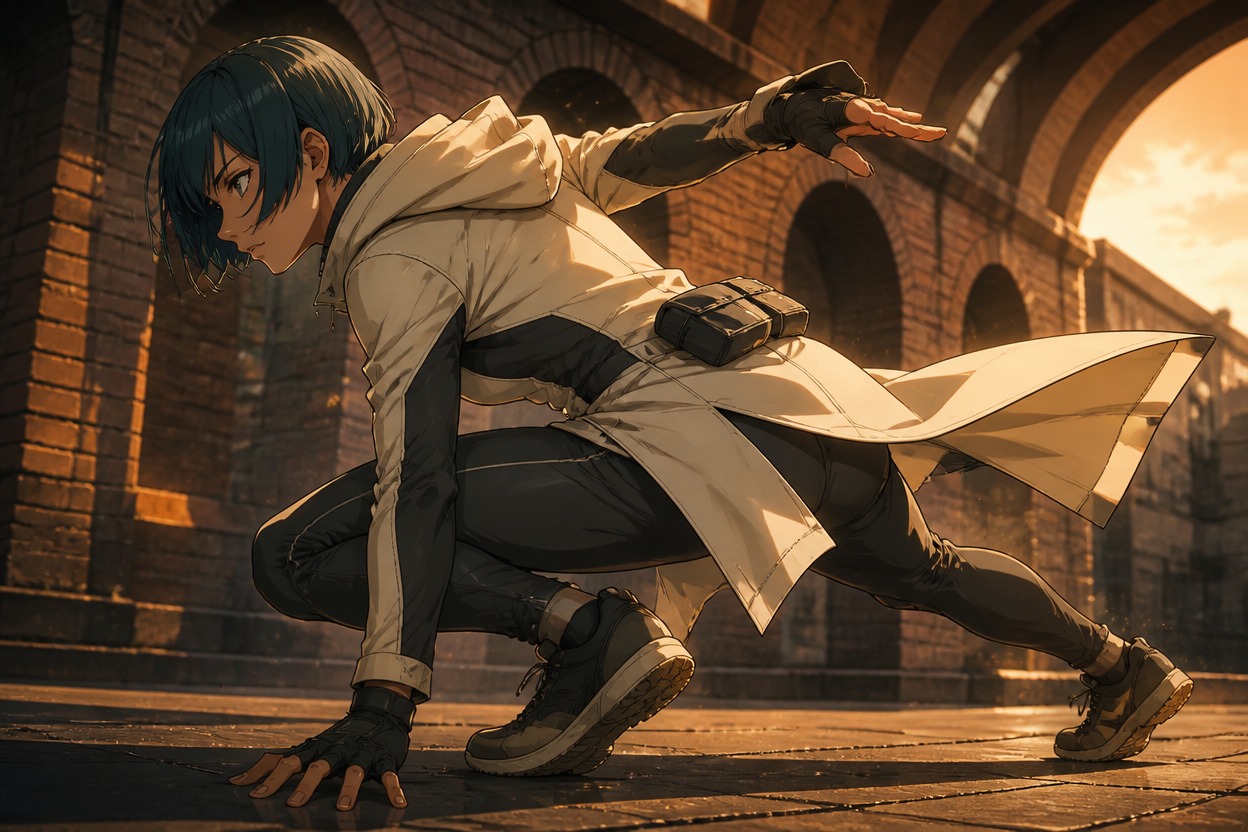
Teal-haired parkour hero landing in a low lunge with a split cream coat

0204

Materials That Explain Abilities

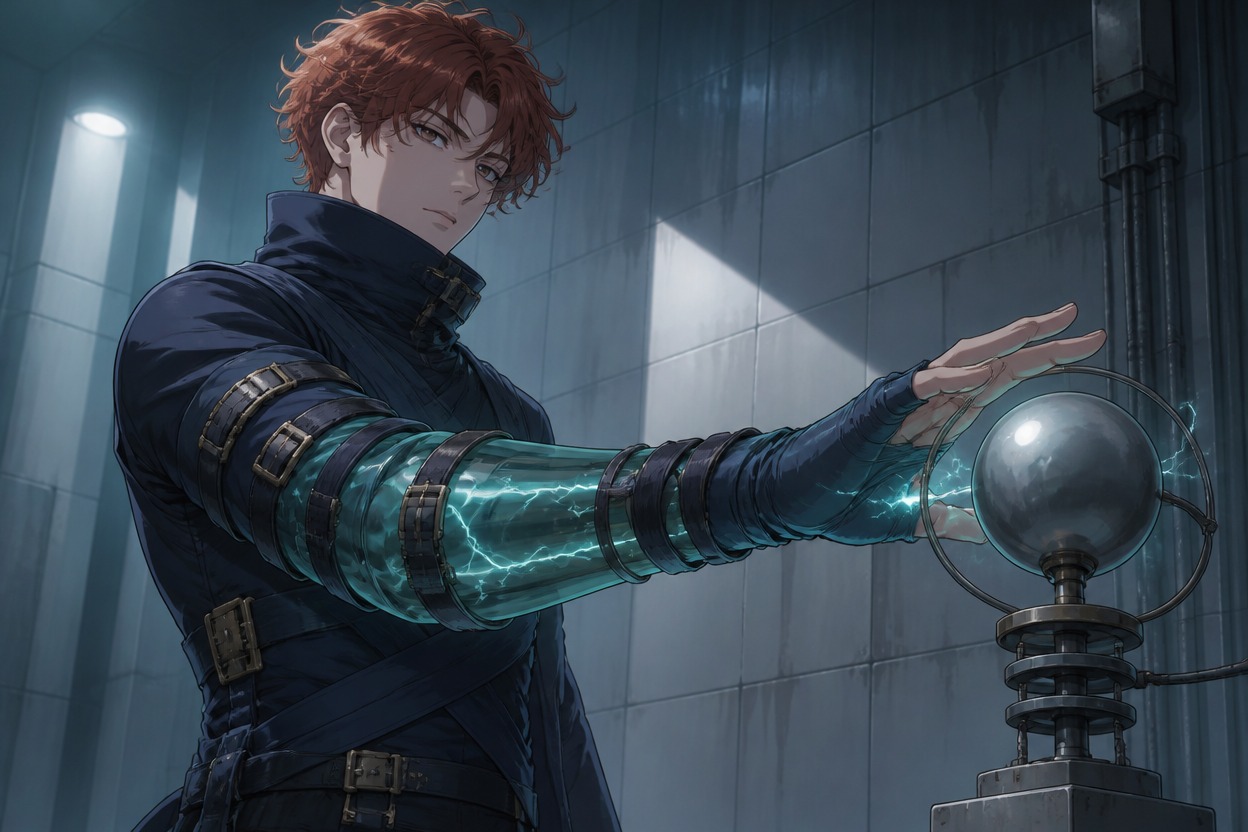
Insulating wraps, flexible mesh, and translucent channels can make a power visible in the outfit itself. The AI anime generator offers a cel-shaded direction for these costume images, giving artists a reference for where energy gathers without hiding the wearer beneath effects.

Static-field specialist with a translucent energized sleeve reaching over a mounted metal sphere

0304

Superhero Costume Generator For Rescue Gear

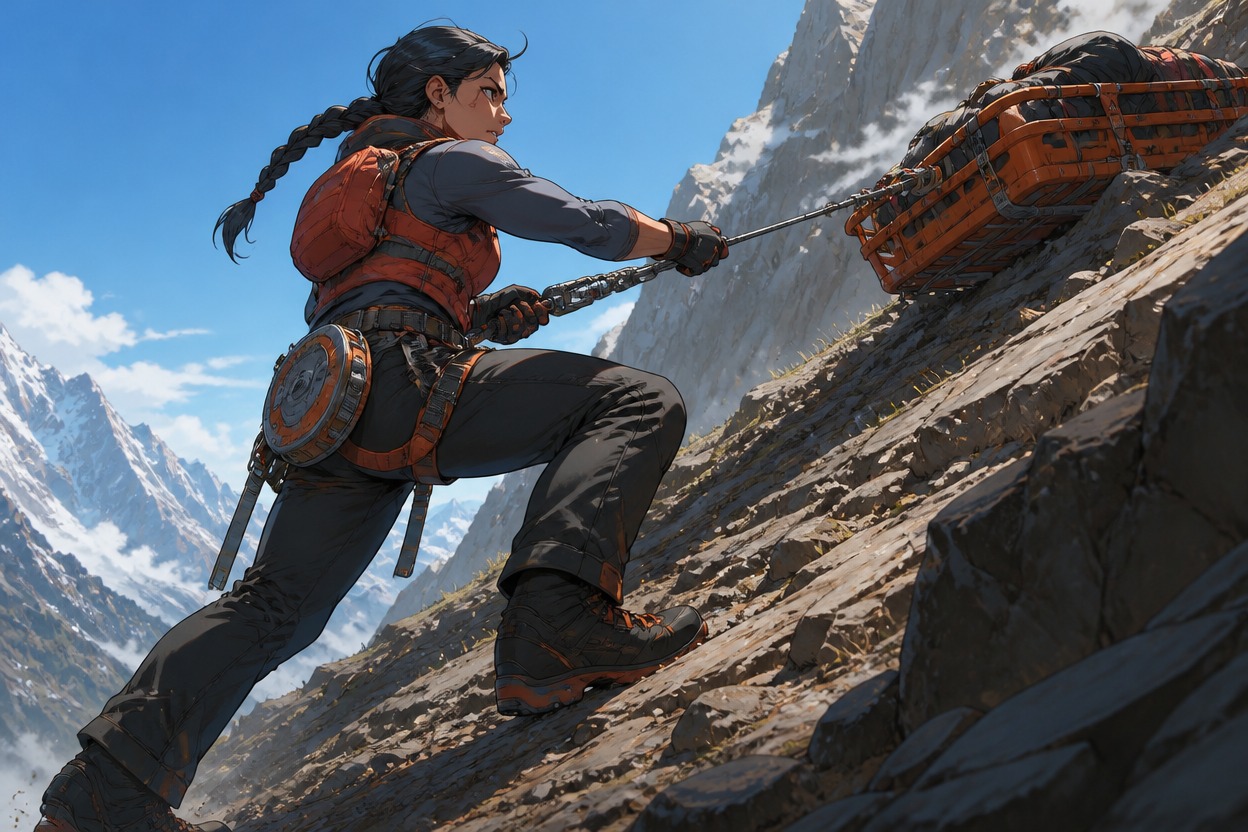
Costume imagery can connect a rescue task to the gear shown on a suit. Buoyant panels, reinforced grips, or a compact recovery spool produce a mission-focused outfit image, useful for a comic pitch where equipment needs to communicate a role before any dialogue appears.

Canyon recovery hero pulling a rescue basket with a hip-mounted cable spool

0404

Costumes Within Their World

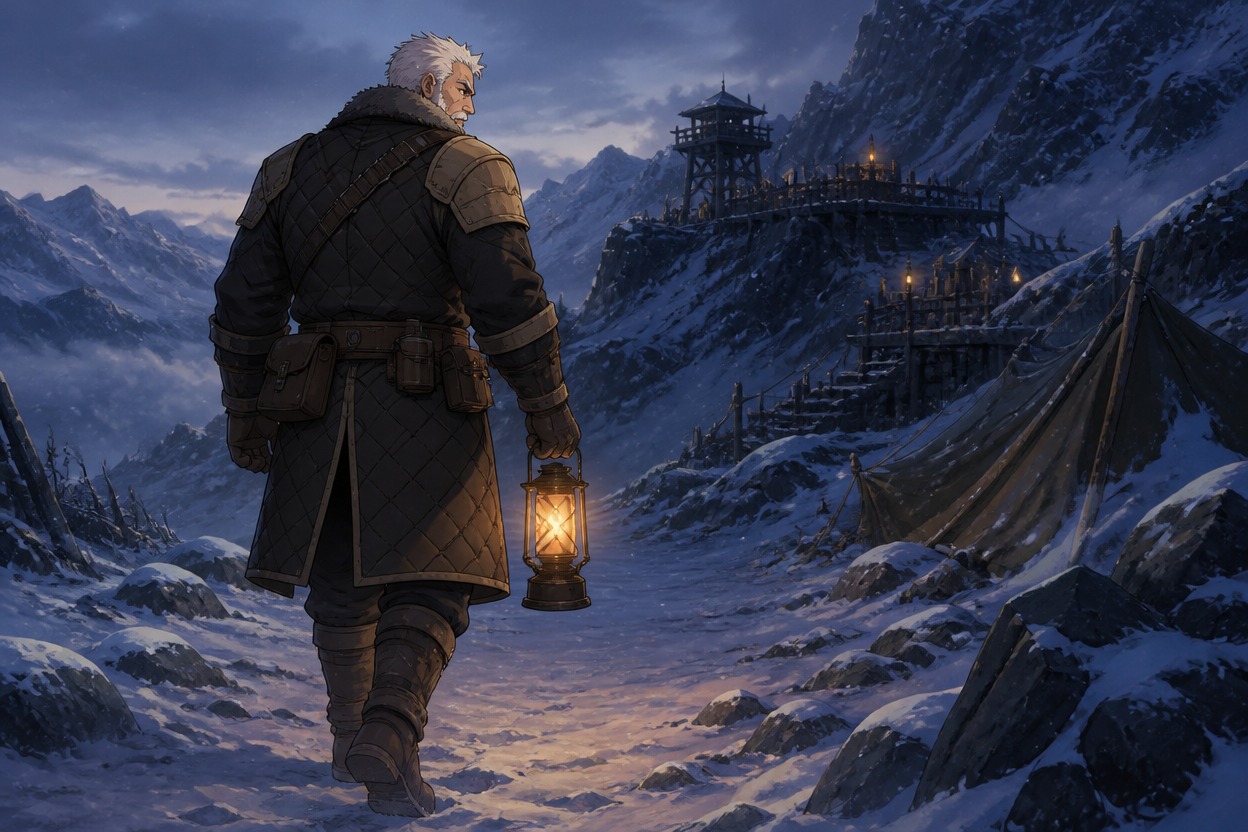
A costume image gains context when its shape is seen against the place it serves. The OC maker supports broader character imagery, while weathered surfaces, local light, and an active setting help a hero outfit read as part of a world rather than an isolated fashion sketch.

Frost-watch hero carrying a lantern through a snowy outpost

How to Create Your Own Hero Costume

  1. Write the Movement First

    State what the hero does physically: vaulting, climbing, hovering, or carrying rescue equipment. Add the power’s visible effect and identify the joints that need freedom.

  2. Map the Suit’s Working Parts

    Describe the main silhouette, two material families, and one piece of mission gear. Specify a full-body view and a pose that exposes the costume’s key construction areas.

  3. Inspect the Outfit Under Stress

    Generate the image, then check elbows, knees, closures, and loose fabric. If effects hide the suit or equipment floats, reduce the glow and describe the attachment point before generating again.

Costume Details That Hold Up Beyond The Action

Extra visual choices for giving a costume room to function.

  • 01

    Portrait Details

    Create cropped costume studies where a collar, fastening, or visor frames the face for a profile illustration.

  • 02

    Quiet Power States

    Generate a resting appearance with effects reduced, making the underlying outfit easier to study between action scenes.

  • 03

    Color Hierarchy

    Produce a limited costume palette with a clear focal accent, helping the hero remain legible in a crowded illustration.

  • 04

    Weathered Finish

    Get visual wear such as scuffed fabric edges or dusty boots to suggest a costume that has already seen service.

  • 05

    Accessory Restraint

    Create less cluttered outfit concepts with a small accessory set, keeping decorative pieces from swallowing the main shape.

  • 06

    Lighting Studies

    Generate costume imagery in dusk or overcast light to see whether important edges still separate from the setting.

Frequently Asked Questions

Hero Outfit Design Questions

What Is Hero Costume Maker?

It is an image-generation tool for visualizing hero outfits. Descriptions of movement, powers, materials, and gear guide costume concept art rather than a playable character or a physical garment.

How Do I Use the Hero Costume Generator?

Outline the hero’s physical task, connect one costume detail to a power, and request a pose that exposes the outfit. Generate an image and revise the description when a joint, layer, or gear attachment looks unclear.

Is Hero Costume Maker Free to Try?

Check OCMaker AI’s current pricing and the tool’s displayed credit requirement before generating. Free access or trial credits, when offered, may have limits; this page does not promise unlimited costume images.

Can I Sell Illustrations Featuring a Generated Hero Suit?

Review OCMaker AI’s current terms and your rights to inputs and outputs first. Existing superhero emblems and recognizable costume designs can raise third-party rights issues; a generated image is not a commercial clearance.

Can I Create My Own Hero Costume Without a Cape?

Yes. To create your own hero costume around speed or close-quarters movement, describe a compact outline, fitted layers, and short attachments. A cape is an optional visual choice, not a requirement for a heroic silhouette.

Will the Image Include Sewing Patterns or Measurements?

No. Costume concept art shows an imagined appearance, not validated garment construction. It does not establish seam allowances, material safety, protective performance, or a reliable fit for a real person.

How Can Armor Look Flexible at the Knees?

Describe separated plates above and below a fabric joint, then use a bent-leg pose. Continuous hard shells across the kneecap may look rigid; inspect the result for overlaps that would block the pose.

Why Does the Power Glow Hide My Costume?

A broad aura can cover the very surfaces you want to design. Limit the effect to one channel, cuff, or contact point and request restrained illumination with a visible fabric surface underneath.

Can a Rescue Hero Look Different From a Fighter?

Give the rescue outfit an identifiable working function, such as flotation, lifting support, or a recovery line. Low-profile protection and accessible tools communicate assistance without relying on large weapon-like accessories.

How Do I Keep a Mask From Dominating the Outfit?

Ask for a low-profile face covering and make the torso or shoulder outline the main focal shape. A full-body view is more useful than a tight face crop when judging the relationship between mask and suit.

Can the Costume Suggest Sound or Magnetism Without Symbols?

Use visible consequences instead: vibration ripples near a padded cuff or small metal fragments hovering beside a controlled field. Avoid lettering and explanatory emblems when the material response can carry the idea.

What Should I Change When Too Many Straps Appear?

Specify a single belt path and name only the attachments that serve the mission. Remove decorative harness language, then inspect whether each retained strap visibly connects to the garment or equipment.

Give the Next Hero a Suit Worth Drawing

Generate a costume concept image where the outfit’s construction carries the action.

Free Hero Costume Maker: Power-Led Outfit Concept Art