
Pricing
Log In
Style*
Background
4tokens•~30s
Little Nightmares OC Maker
Create a small survivor or unsettling monster with a readable silhouette, worn costume, eerie prop, and oversized environment. Generate atmospheric art for profile images, fan stories, roleplay, and horror references.
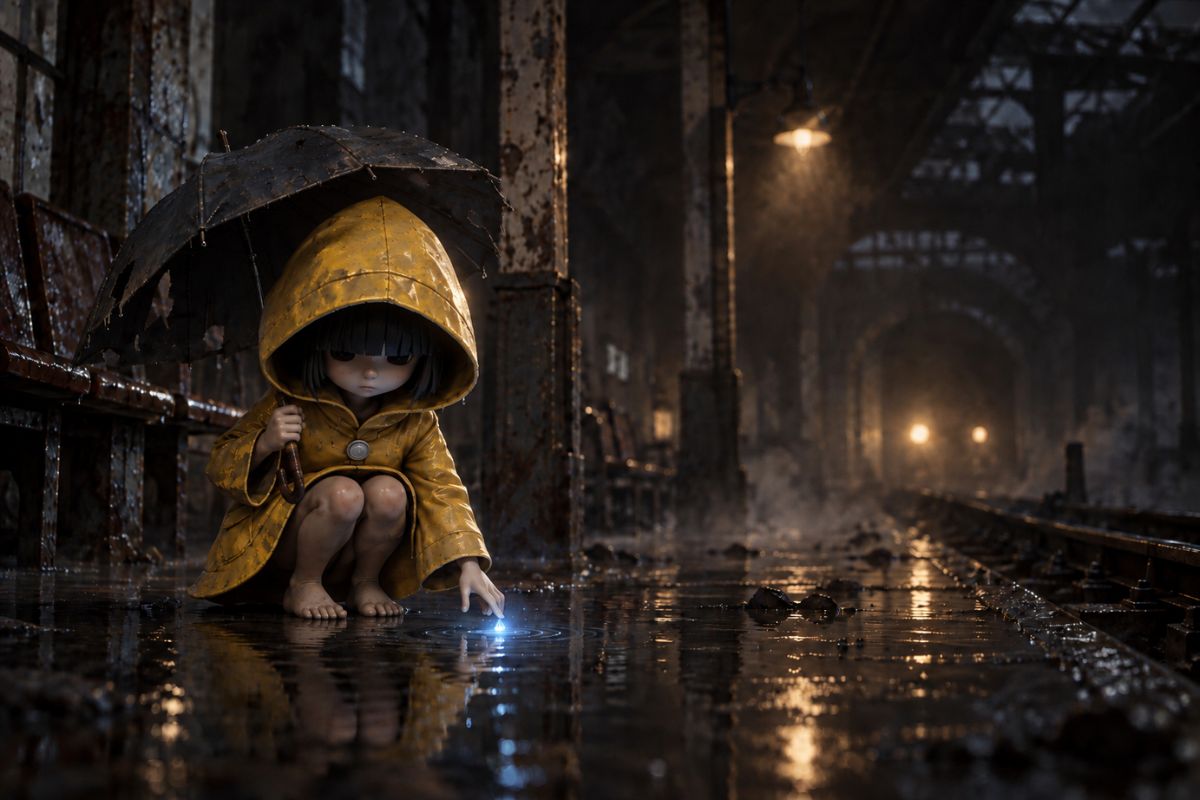
Survivor and Monster OC Directions
Explore three contrasting horror identities shaped by scale, movement, found objects, and the spaces they haunt or escape.
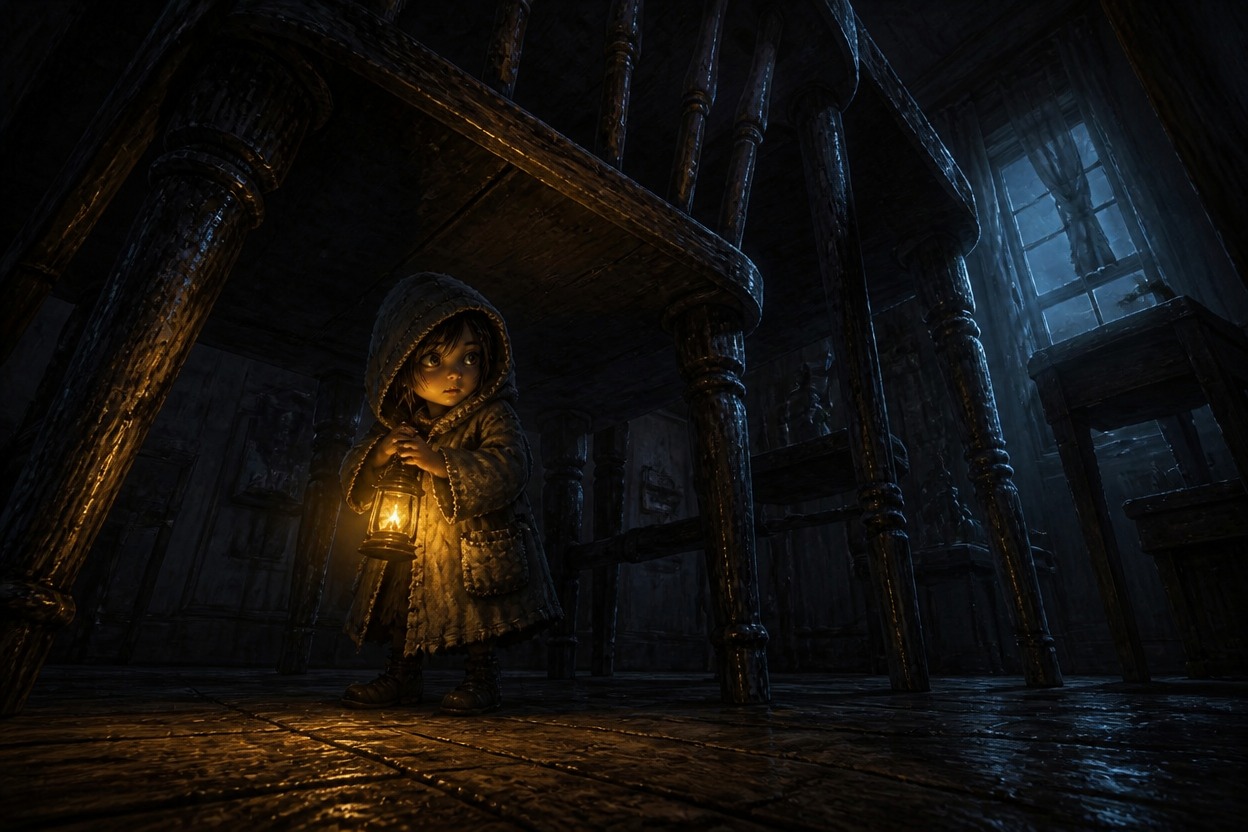
Porcelain Mask Runaway
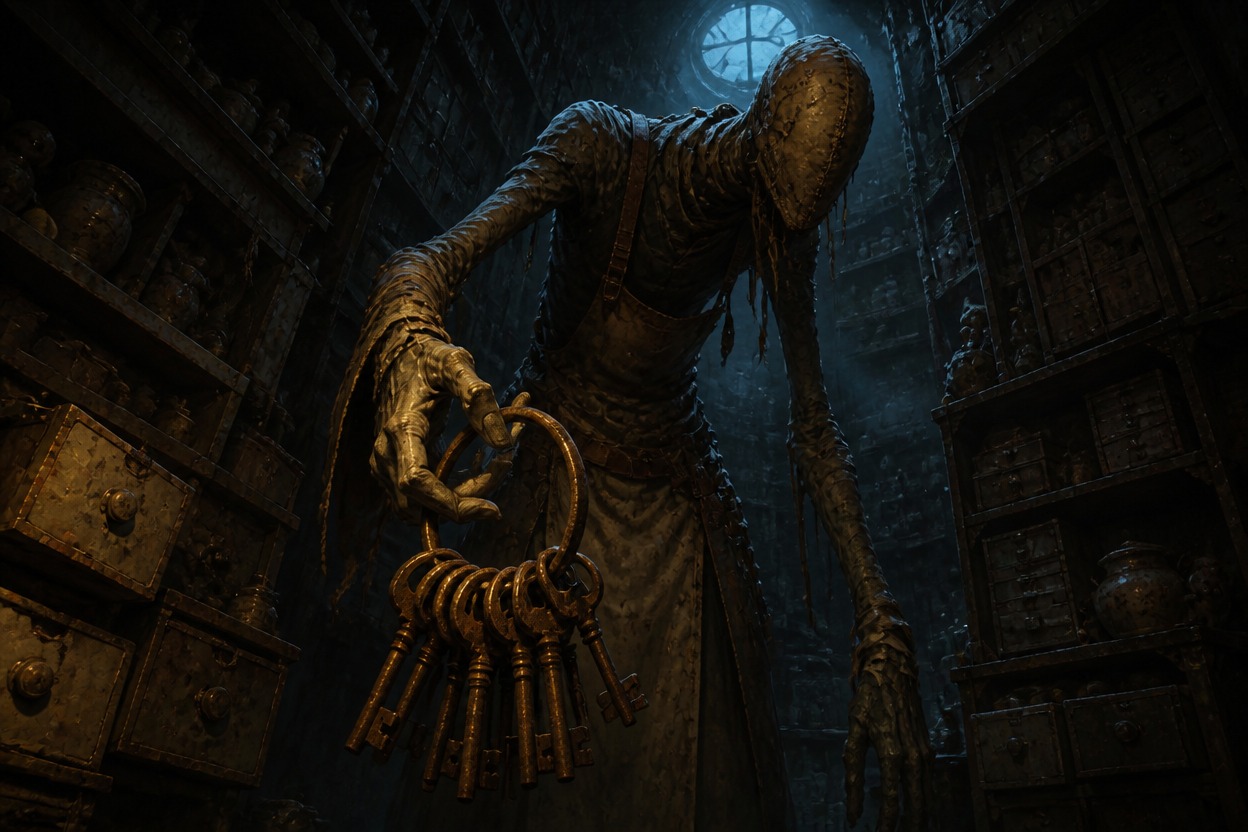
Key Collector Monster
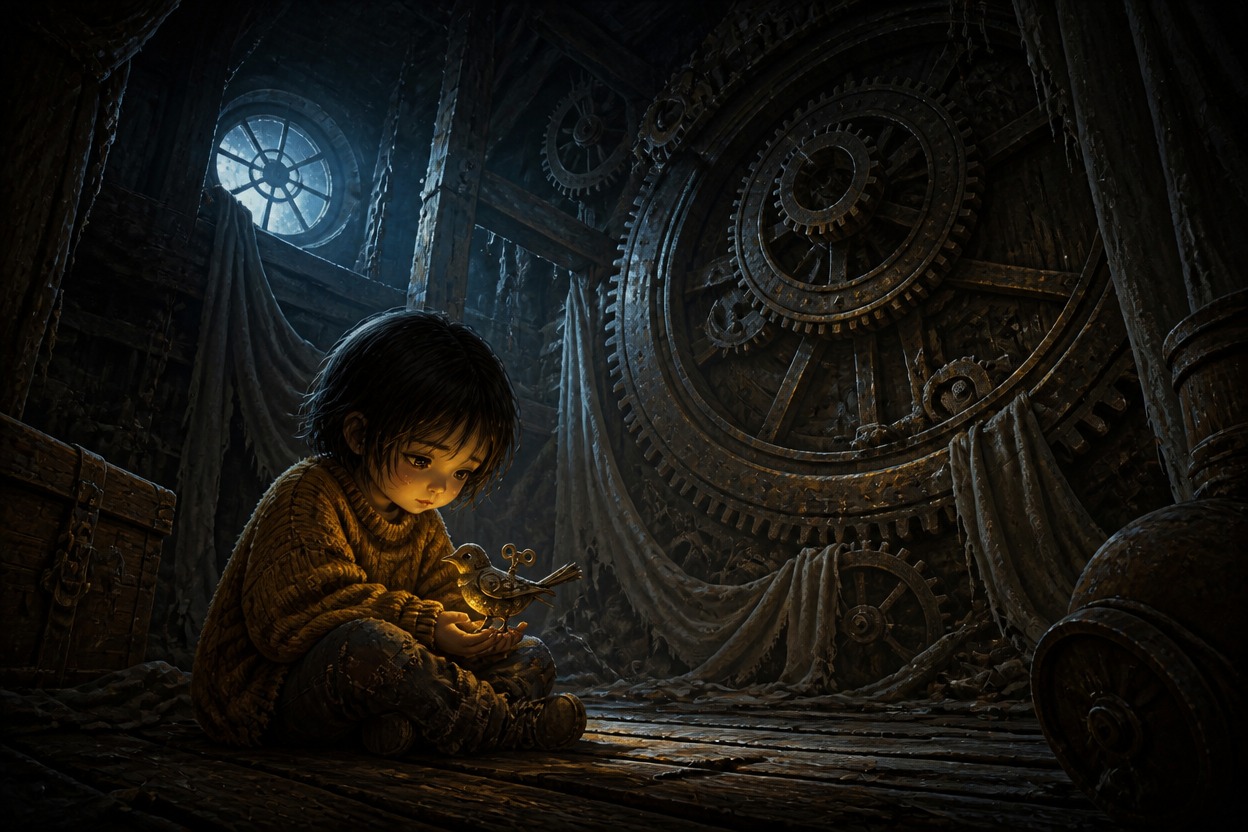
Clockwork Attic Child
Create Horror OCs That Read at a Glance
Frame a Vulnerable Survivor
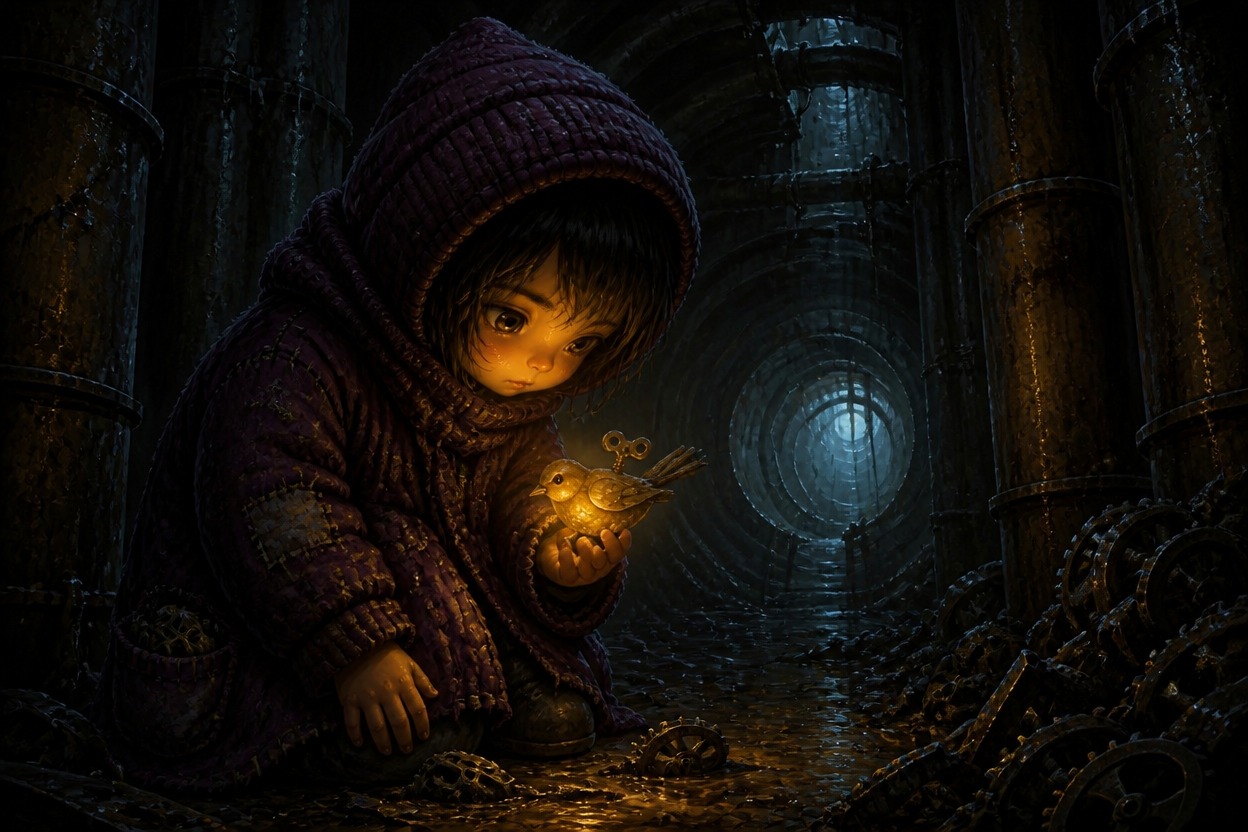
Generate a small child OC whose oversized coat, bare feet, improvised light, and guarded posture emphasize vulnerability inside a towering room. The OC maker can turn a focused visual brief into a profile portrait or full-scene concept without reducing the character to a familiar yellow-coated silhouette.
Distort One Monster Trait
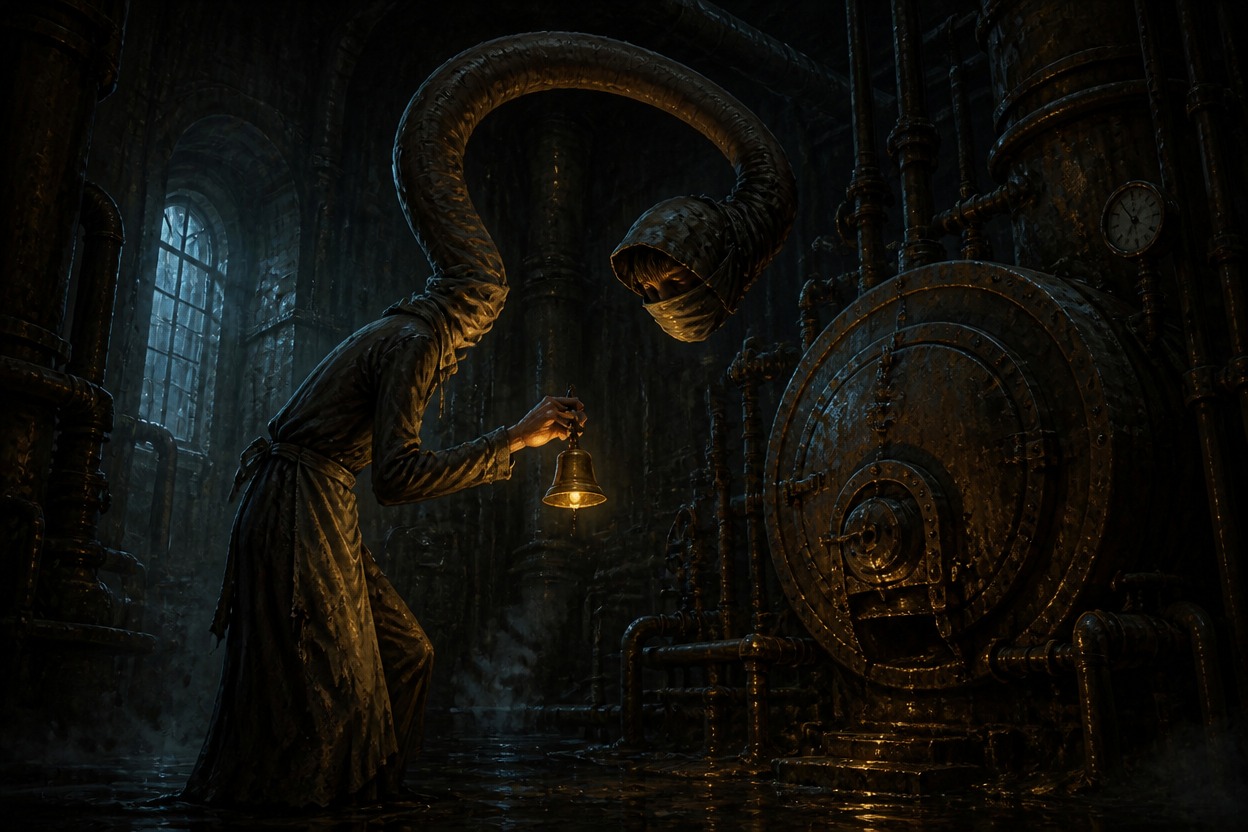
Create a Little Nightmares OC Monster around one dominant physical idea: arms made for reaching, a neck bent by listening, a body hidden inside luggage, or a face sealed behind porcelain. A single exaggeration produces a stronger threat than stacking every grotesque feature, especially when the hands and outline remain easy to inspect.
Turn Rooms Into Threats
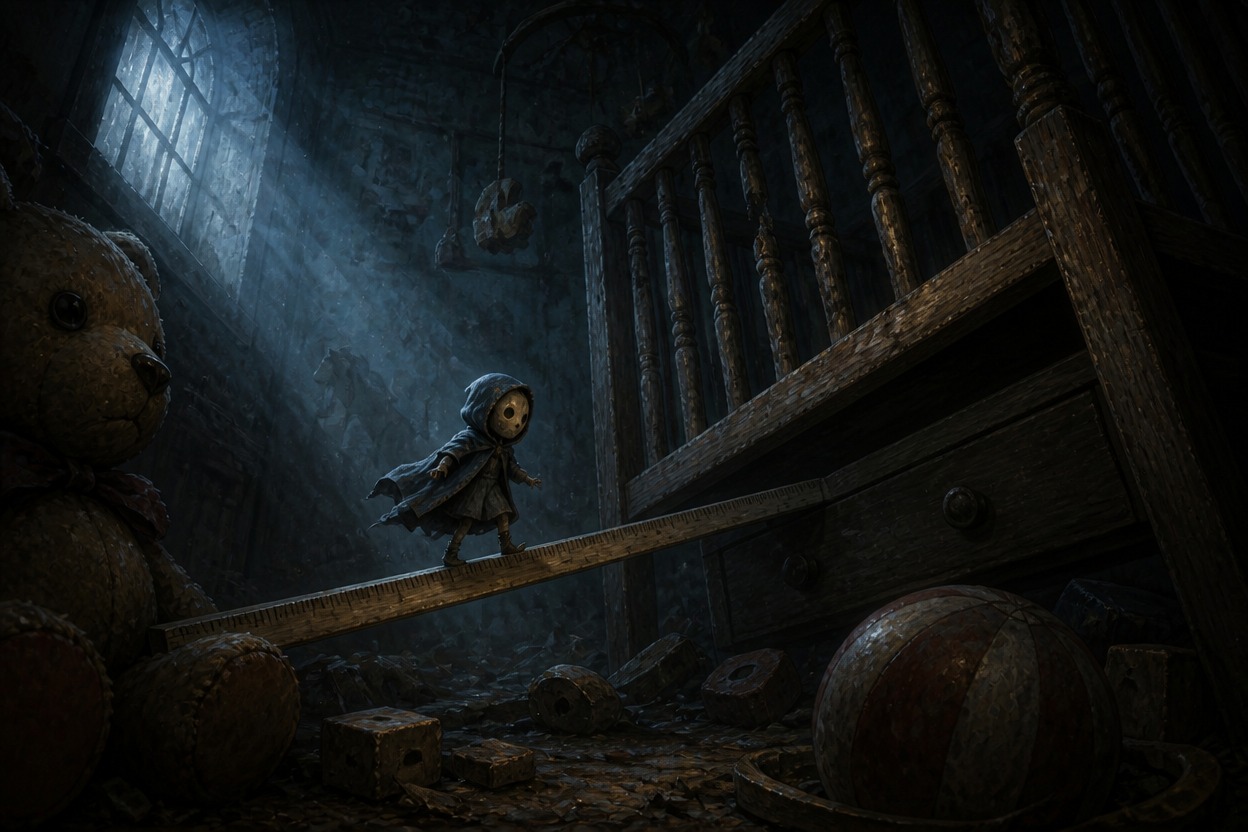
Produce kitchens, nurseries, workshops, attics, and flooded corridors where ordinary objects become enormous obstacles. The AI anime generator offers another route for scenes with controlled lighting and camera tension, while the character remains clear rather than disappearing into set decoration.
Build Prop-Led Character Identity
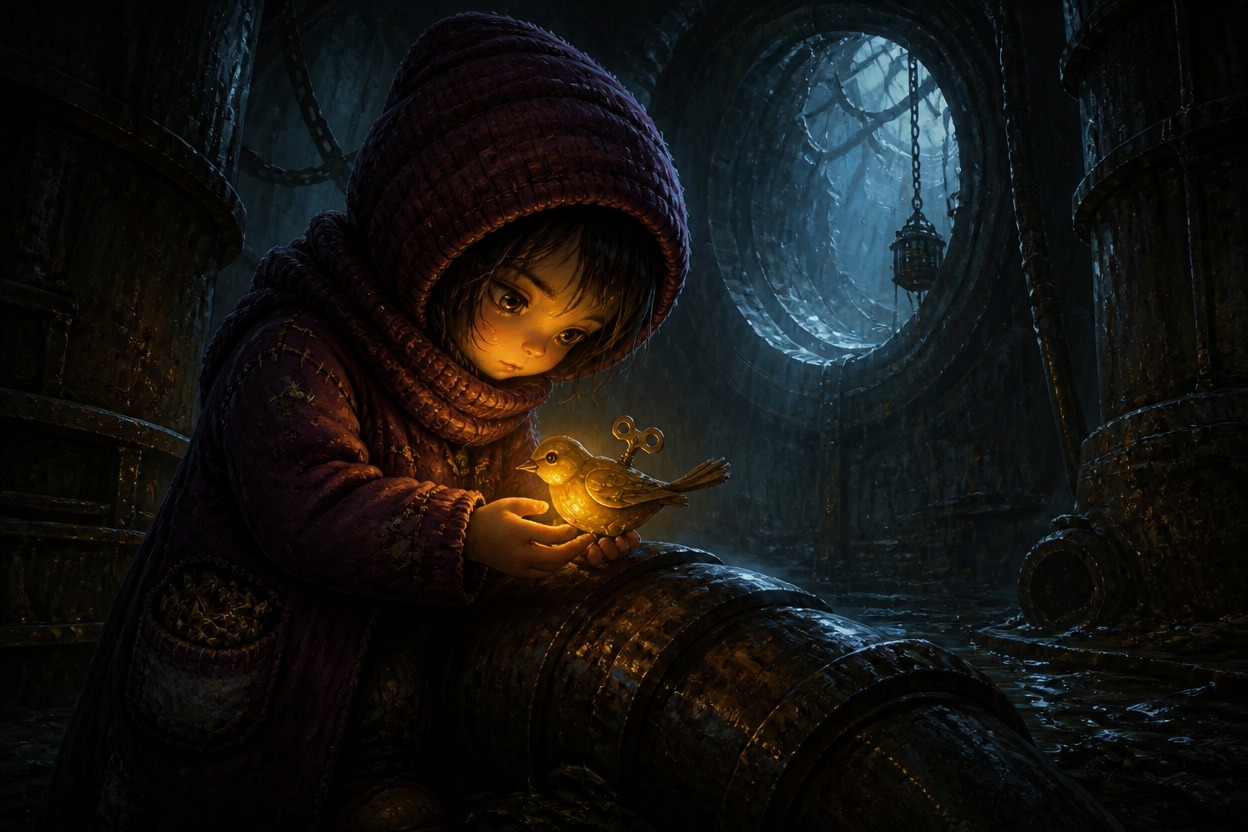
Generate a signature object that reveals how the OC survives: a match tin, bent spoon, wind-up bird, thread spool, hand bell, or stolen key. OCMaker AI can connect the prop to grip, stance, pockets, wear patterns, and scene lighting, giving the result a visual purpose for PFP art, character references, or fan-story moments.
Shape clearer horror identities through scale, silhouettes, props, and oppressive spaces
Why Use This Little Nightmares OC Generator
Child-to-World Scale
Make doors, beds, tables, toys, and tools feel enormous so a survivor looks exposed and small.
Worn Material Detail
Build character history through patched cloth, damp wool, chipped porcelain, rusted metal, and dust.
Readable Shadow Shapes
Keep the hood, mask, limbs, and prop recognizable even when the scene uses low, directional light.
Female OC Variety
Create a Little Nightmares Female OC defined by role, movement, costume, and survival tool rather than one familiar outfit.
Portrait-Safe Composition
Generate a tighter face-and-shoulders crop where the mask, hood, eyes, and prop remain clear for profile use.
Focused Horror Variants
Compare one change at a time, such as mask shape, coat length, monster limb ratio, or corridor lighting.
Create a Little Nightmares OC in 3 Steps
Set the power imbalance, add one survival clue, and inspect the horror silhouette
01
Set the Power Imbalance
Choose a small survivor escaping a huge space or a monster controlling it, then name the room, obstacle, and emotional tone.
02
Anchor One Visual Secret
Add a mask or face treatment, worn outfit, unusual body proportion, and one object that hints at what the character hides or needs.
03
Inspect the Silhouette
Check limb count, hand placement, prop grip, face clarity, and size contrast. Remove extra effects if the subject blends into the room.
Answers for survivor portraits, monsters, props, and visual troubleshooting