Style*
Background
4tokens•~30s

Made in Abyss OC Maker

Create a fan-made delver or transformed cavern dweller with expedition gear, unusual anatomy, relic-inspired tools, and an environment shaped by depth. Generate expressive character portraits, full-body references, and atmospheric descent scenes while keeping the design your own.

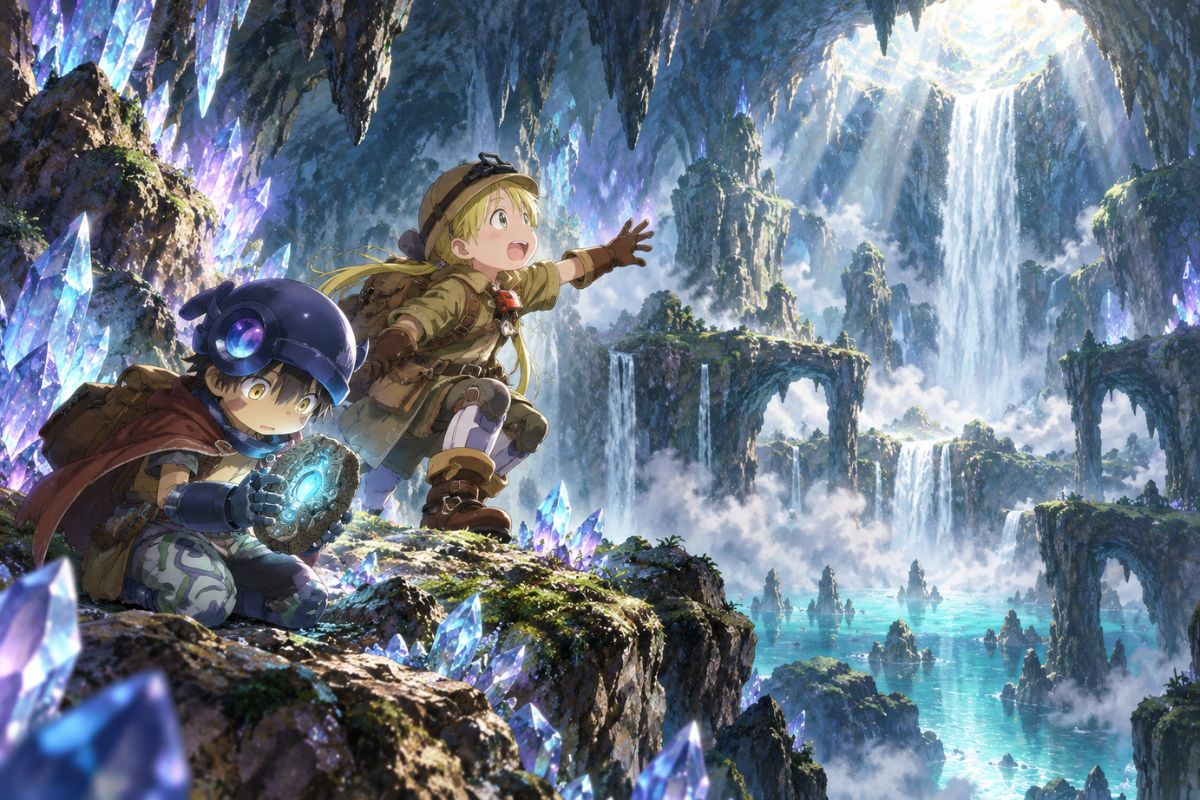
Made in Abyss OC Maker scene showing an original delver team exploring a crystal cave with relic light and dangerous depth.

Delver and Narehate OC Directions

Explore three identities shaped by expedition work, bodily adaptation, relic use, and the ecosystem each character must navigate.

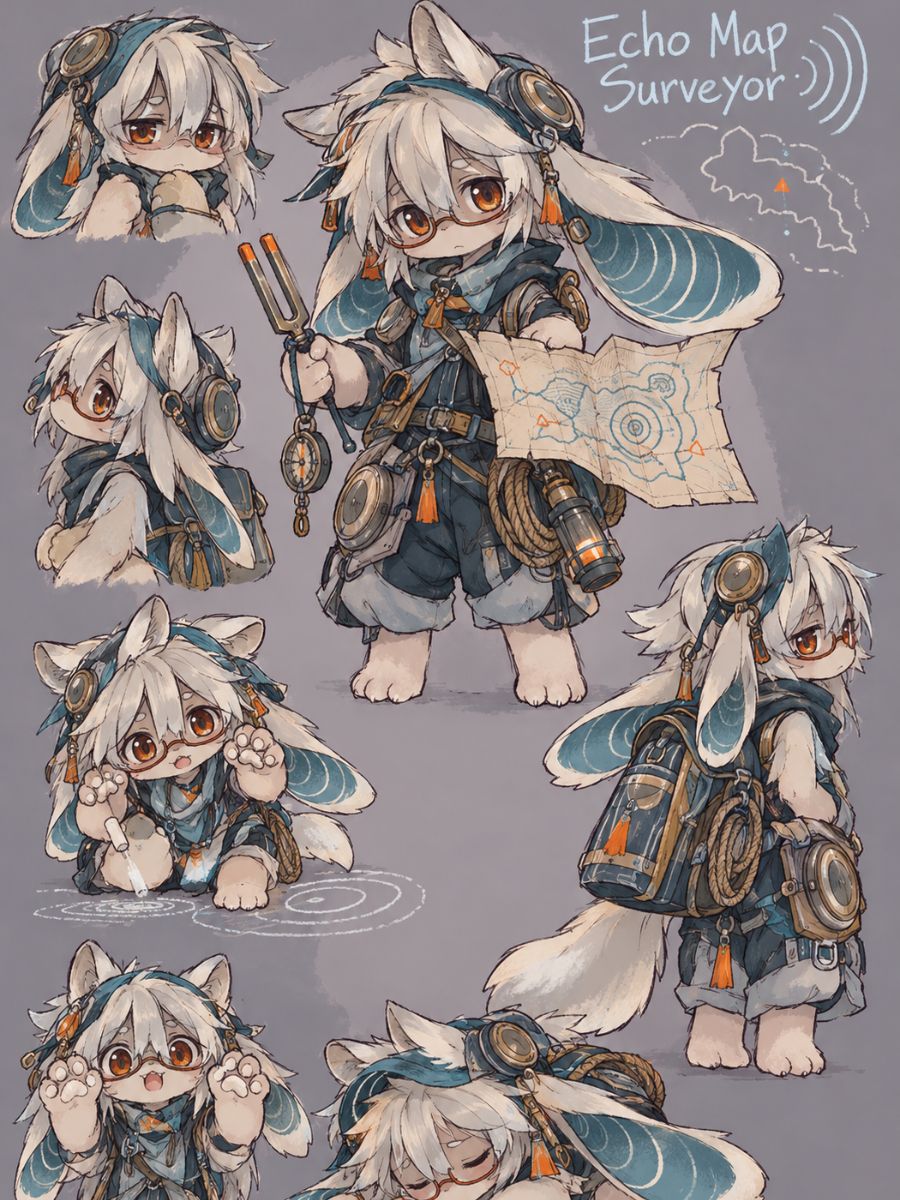
  • Made in Abyss OC Maker character sheet showing an original echo map surveyor OC with expedition gear and a relic map.01

    Echo Map Surveyor

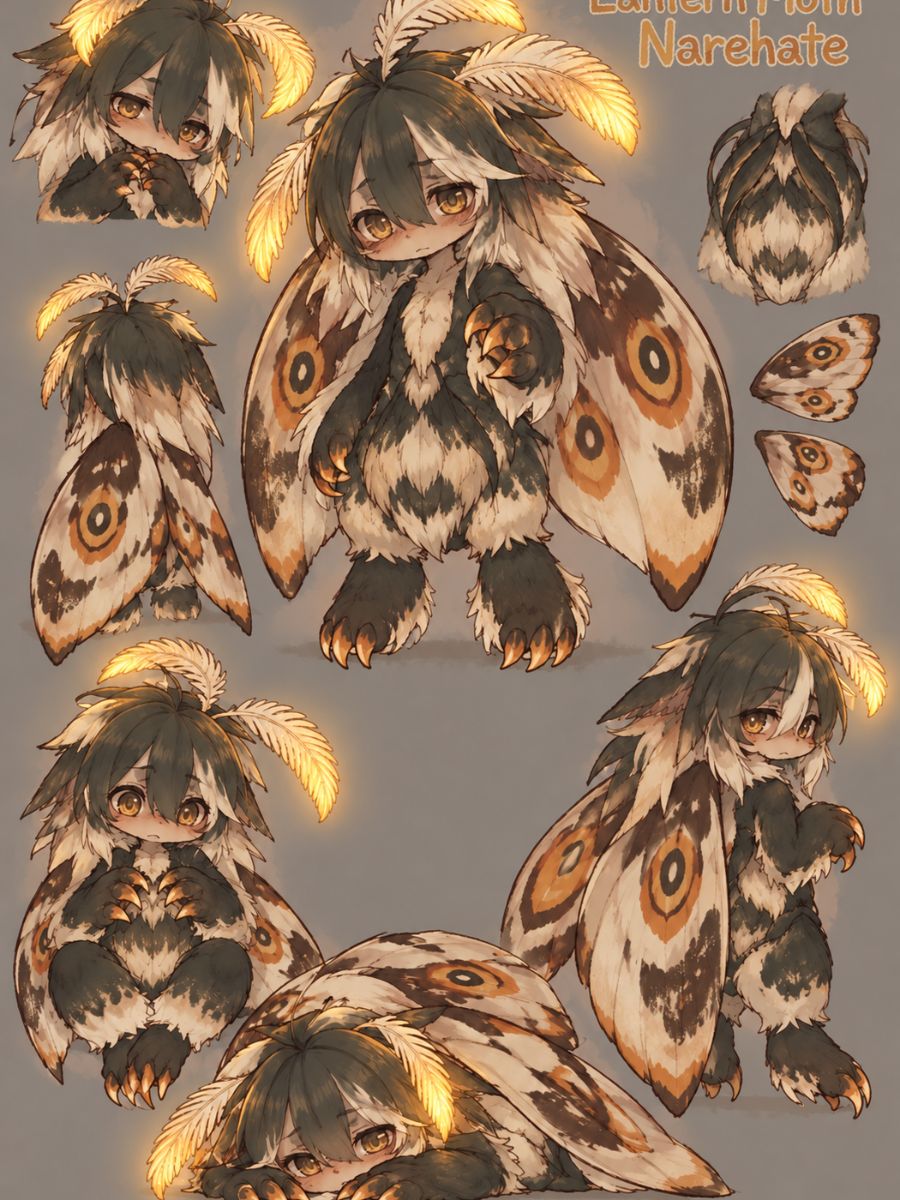
  • Made in Abyss OC Maker character sheet showing an original lantern moth Narehate OC adapted to the abyss.02

    Lantern Moth Narehate

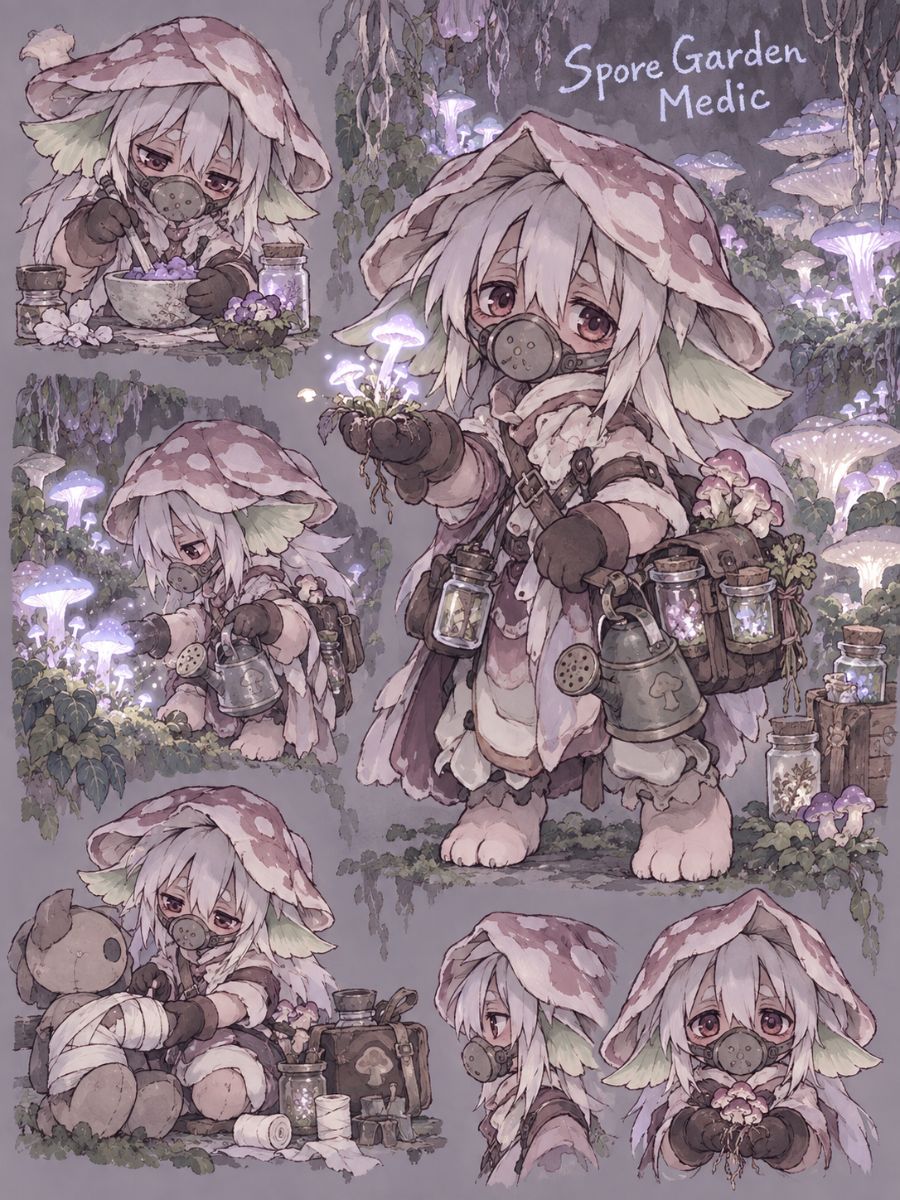
  • Made in Abyss OC Maker character sheet showing an original spore garden medic OC gathering healing fungi in a cavern.03

    Spore Garden Medic

Shape Characters for a Dangerous Living Chasm

Generate expedition-ready delvers and transformed beings whose bodies, equipment, relics, and surroundings reveal how they endure the descent.

0104

Build Expedition-Ready Delver Gear

Generate a delver whose helmet, layered coat, climbing harness, storage packs, boots, and hand tools match a specific expedition job. The OC maker can turn that equipment brief into a readable full-body reference for mapping, medicine, relic recovery, or creature study.

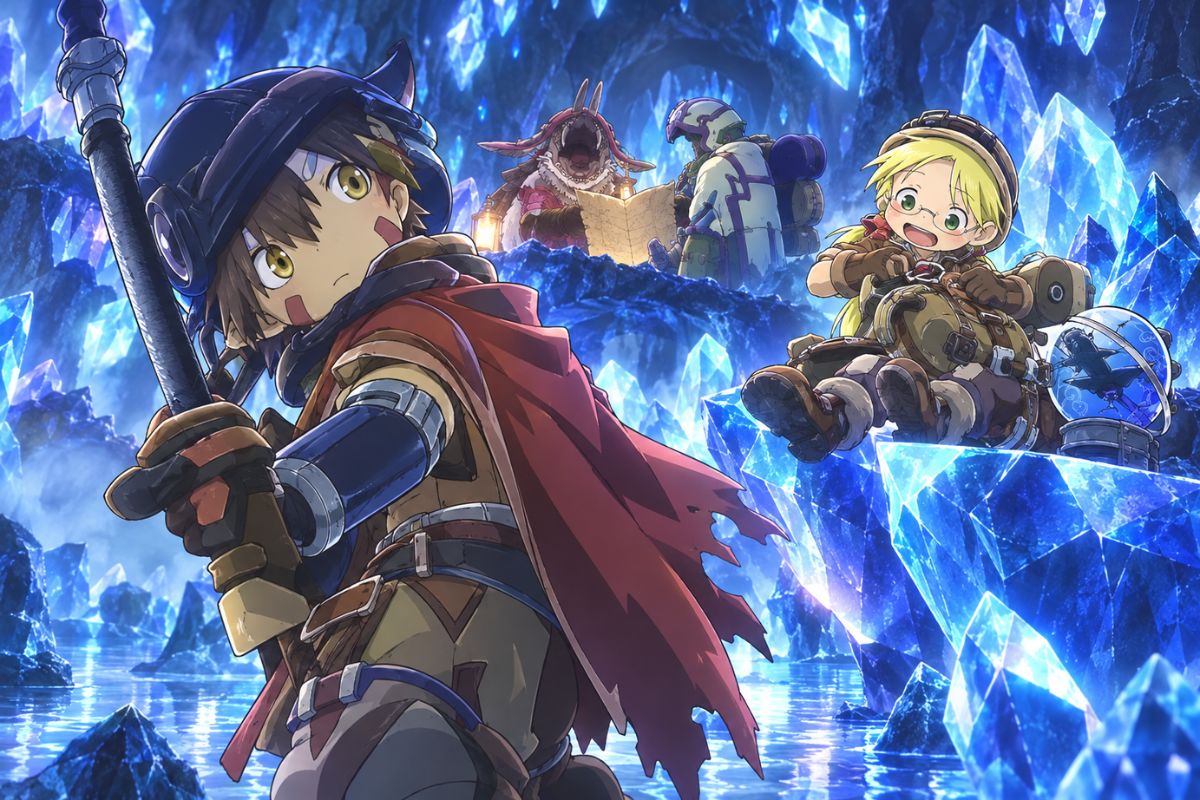
Made in Abyss OC Maker scene showing an original delver team with specialized survey gear near a coastal lighthouse.

0204

Design Narehate Body Adaptations

Create a Made in Abyss Narehate OC around one survival adaptation: luminous feelers that sense air currents, padded limbs for vertical caves, heat-storing skin, or a shell that filters spores. OCMaker AI connects the trait to posture, movement, material, and silhouette so the transformed body feels functional.

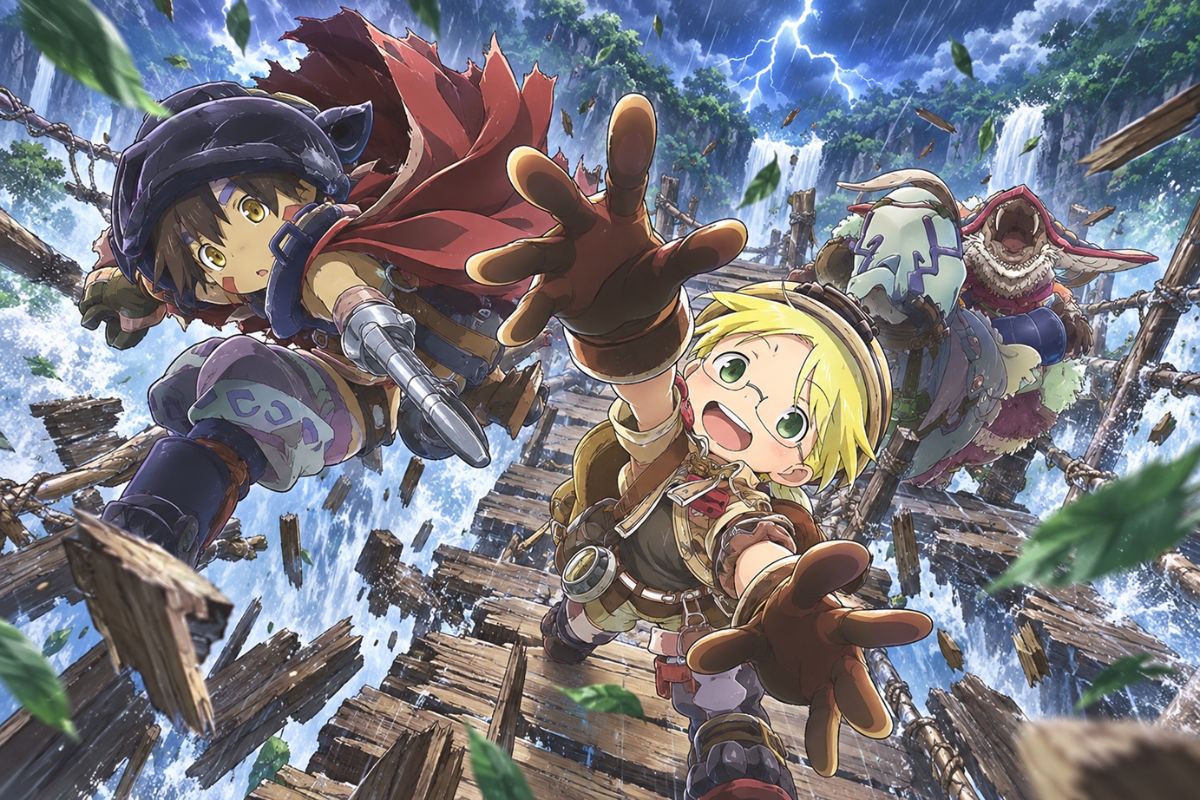
Made in Abyss OC Maker artwork showing original cave explorers with unusual adaptations in a luminous waterfall cavern.

0304

Turn Relics Into Visual Functions

Produce a relic-inspired tool with a visible purpose, such as an echo compass, pressure lantern, cable beetle, or memory-glass vial. An AI anime generator can show how the object changes light, grip, or nearby terrain, creating Made in Abyss artwork where the prop affects the scene.

Made in Abyss OC Maker crystal cave expedition scene showing an original delver using relic-inspired equipment.

0404

Place OCs Inside Living Layers

Generate environments that test the character design: upside-down forests, flooded bone tunnels, mineral gardens, hanging nests, or fungal ravines. Show how the OC climbs, hides, gathers, heals, or negotiates scale, while controlled lighting and a clear camera angle keep the figure visible inside the cavern.

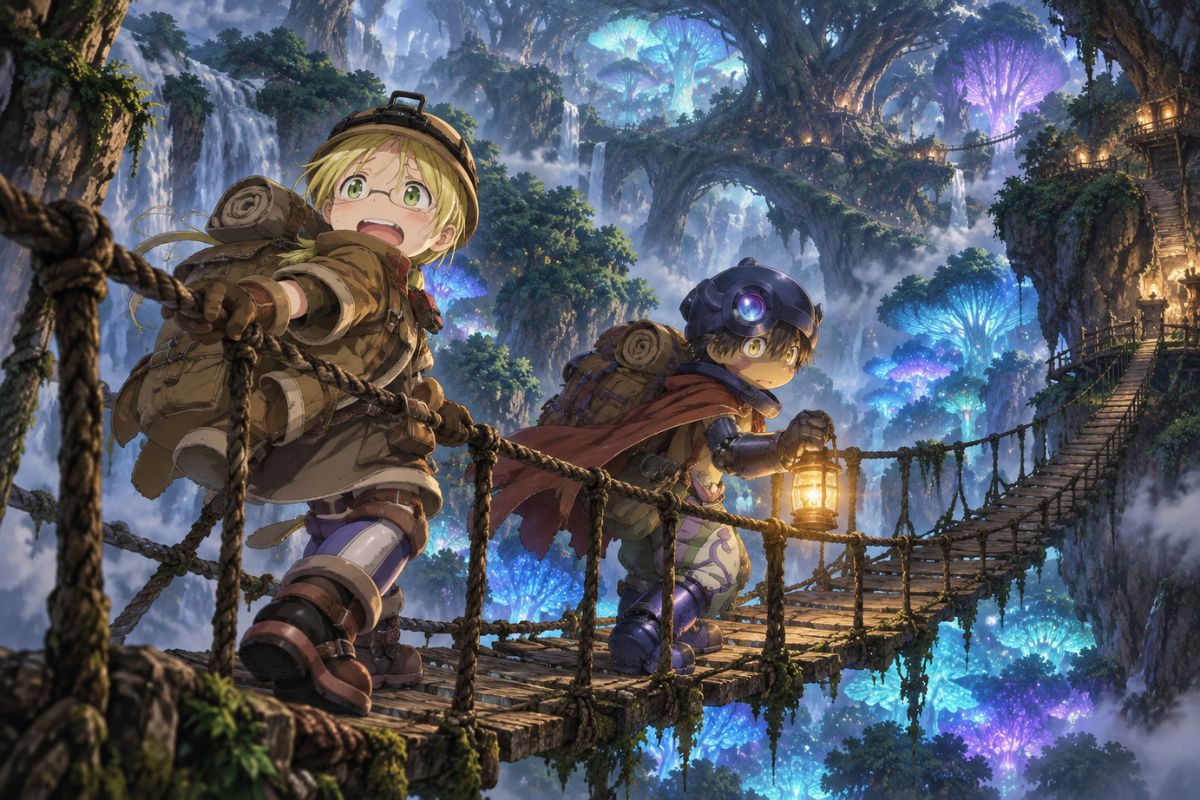
Made in Abyss OC Maker scene showing original cavern explorers crossing a glowing bridge inside a living abyss layer.

Create Clearer Abyss Explorer Concepts

Control the visual evidence that connects role, adaptation, equipment, atmosphere, and depth

  • 01

    Depth-Worn Materials

    Show patched canvas, scratched metal, fogged lenses, rope fibers, cave dust, and damp fabric from a long descent.

  • 02

    Creature-Scale Contrast

    Frame the OC against giant roots, fossils, fungi, cliffs, or predators to establish vulnerability and cavern scale.

  • 03

    Nonhuman Silhouette Control

    Separate ears, feelers, tails, shells, paws, and body mass so transformed anatomy stays clear in action poses.

  • 04

    Bioluminescent Lighting Choices

    Use relic glow, spores, mineral light, or lantern beams to shape the mood without hiding the face, hands, or gear.

  • 05

    Portrait and Expedition Views

    Generate emotional portraits, neutral body references, or wide expedition scenes that show the OC at survival work.

  • 06

    Role-Specific Visual Clues

    Distinguish surveyors, medics, cooks, climbers, handlers, and relic specialists through visible tasks and tools.

Create a Made in Abyss OC in 3 Steps

Choose a survival role, bind the body or gear to one depth-born challenge, and inspect the result for functional clarity

  1. Assign an Expedition Function

    Decide what the OC does below ground, what they carry every day, and which task should be visible in the generated scene.

  2. Pair Adaptation With Habitat

    Connect one body trait, relic effect, or clothing solution to a specific hazard such as spores, darkness, water, cliffs, or cold.

  3. Inspect Gear and Anatomy

    Check harness paths, hands, climbing points, limb count, tail placement, scale, and light direction. Remove clutter that hides the survival logic.

Made in Abyss OC Maker Questions

Answers for delvers, Narehate forms, relic concepts, cavern scenes, and image troubleshooting

How do I create a Made in Abyss Narehate OC?

Begin with the character's new survival problem and choose one adaptation that answers it. A cave dweller might need air-current feelers, padded climbing limbs, spore-filtering fur, heat-storing skin, or a shell for falling debris. Then define posture, scale, expression, and remaining personal objects. Keeping one dominant adaptation makes the transformed body easier to read than combining every animal trait at once.

What makes convincing Made in Abyss artwork for an OC?

The character and environment should explain each other. Show how the OC handles ropes, light, unstable ground, giant organisms, relic tools, or limited visibility. Use a clear scale cue and one strong light source, then keep the face, hands, and silhouette readable. Atmosphere matters, but too much fog, glowing particles, or background detail can make the result feel like scenery with a tiny unrelated figure.

Can I create both a delver and a Narehate version?

Yes, but build them as two controlled images rather than asking one crowded frame to show every stage. Preserve a few identity anchors—eye color, a scarf, a charm, a tool, or a repeated palette—while changing anatomy, posture, and equipment to suit the transformed form. Compare the images at a similar camera angle if you want the connection to read clearly without relying on labels or explanatory text.

How should I design relic-inspired equipment?

Give the object one visible function and one operating rule. An echo compass can unfold toward sound; a pressure lantern can dim near unstable tunnels; a cable beetle can anchor into stone. Describe the material, size, grip, light, and effect on nearby objects. Avoid stacking several unrelated powers into one ornate prop, because the generator may produce decorative machinery with no clear use.

Why does my cavern scene hide the OC?

Wide environments can overwhelm a small figure, especially when clothing and cave walls share the same value. Add a rim light, simplify the area behind the head and torso, choose a closer camera, and create one strong color contrast between the OC and the setting. Keep giant environmental features at the frame edges when the character is the priority, and reserve extreme scale shots for separate landscape concepts.

How do I keep nonhuman anatomy from looking tangled?

State the exact limb count and separate each appendage through pose and camera angle. Ask for open hands or paws, a tail that does not cross the legs, ears or feelers against a clean background, and a full-body stance before adding action. If the image still merges limbs, remove floating effects and complicated gear, correct the body reference first, and introduce the environment in a later generation.

Can I make a darker abyss OC without graphic imagery?

Use consequence and atmosphere rather than gore. Worn gear, cautious posture, an abandoned pack, cracked lenses, a failing lantern, an empty rope line, or an adaptation with an emotional cost can create tension. Restrained visual clues leave more room for expression and world scale. They also reduce the chance that horror effects obscure anatomy, clothing, or the character's defining survival tool.

Can I use generated abyss OC art commercially?

Commercial use depends on current OCMaker AI terms, your rights to the inputs, the generated result, and relevant third-party intellectual-property rights. Review character names, costumes, relic designs, symbols, creature anatomy, and environmental references before publishing, selling, or using the art for clients. For higher-risk projects, develop a more independent setting and seek qualified legal advice.

Send a New Delver Into the Living Depths

Generate a delver or Narehate whose body, gear, relic, and surrounding cavern reveal how they survive the descent.

Made in Abyss OC Maker: Create Delvers and Narehate