Style*
Background
4tokens•~30s

My Singing Monsters OC Maker

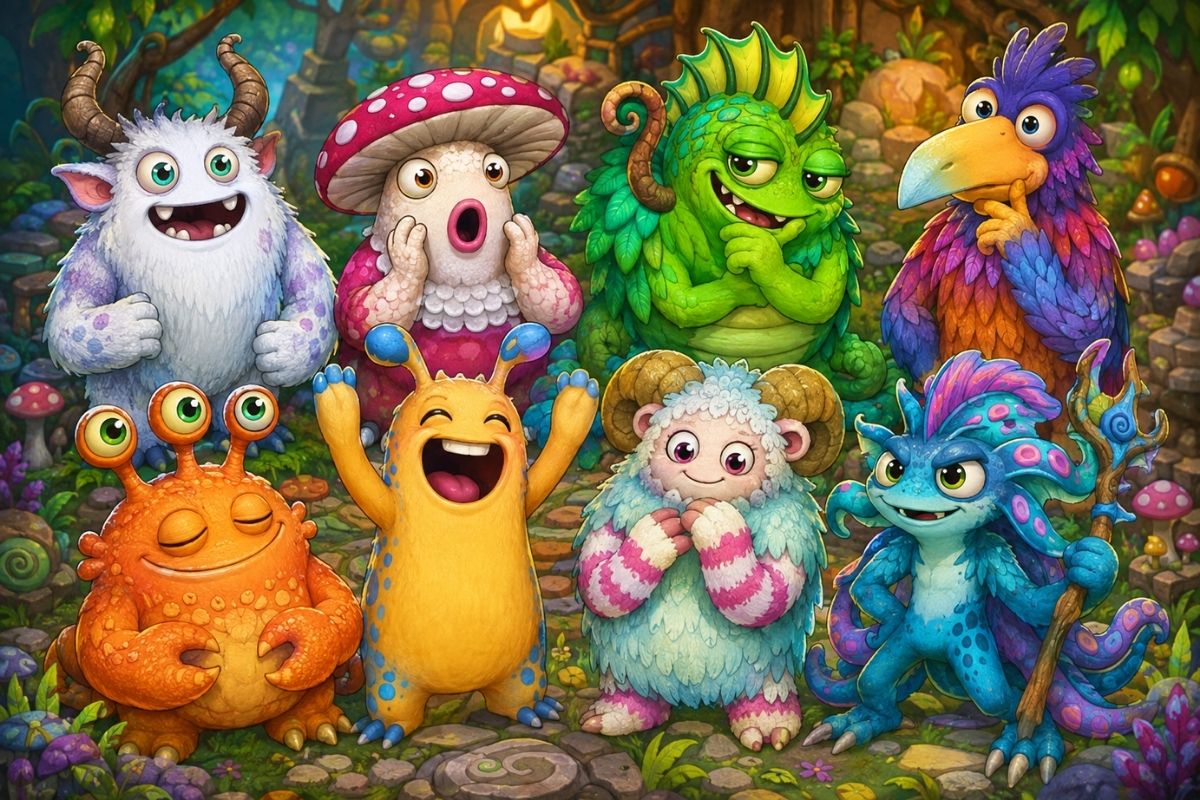
Design My Singing Monsters OCs by combining an original creature body plan, natural sound source, rhythm, habitat, temperament, color system, movement, and ensemble role. Build a fresh musical species rather than recoloring an official monster or repeating its silhouette.

one original tall tripod moss creature with three flexible reed legs, a round amber chest resonator, tiny leaf fins and one wide friendly eye, producing soft bass pulses in a misty

Original Musical Monster OC Ideas

Explore three original musical creatures with different body plans, habitats, materials, temperaments, movements, and natural sound sources.

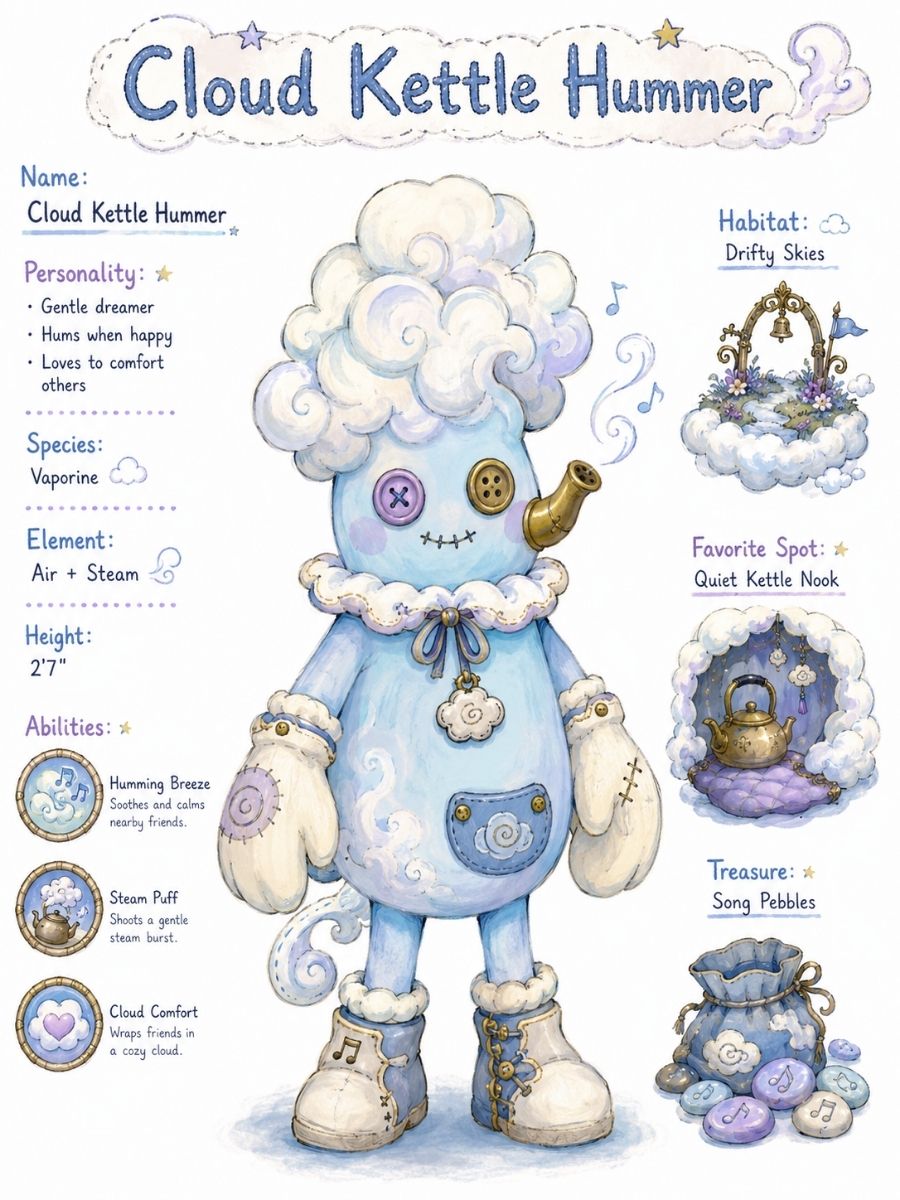
  • One original floating kettle-shaped cloud creature with pale peach vapor skin, two ribbon fins, a tiny round mouth and three dangling rain beads, humming above a sunrise cloud mead01

    Cloud Kettle Hummer

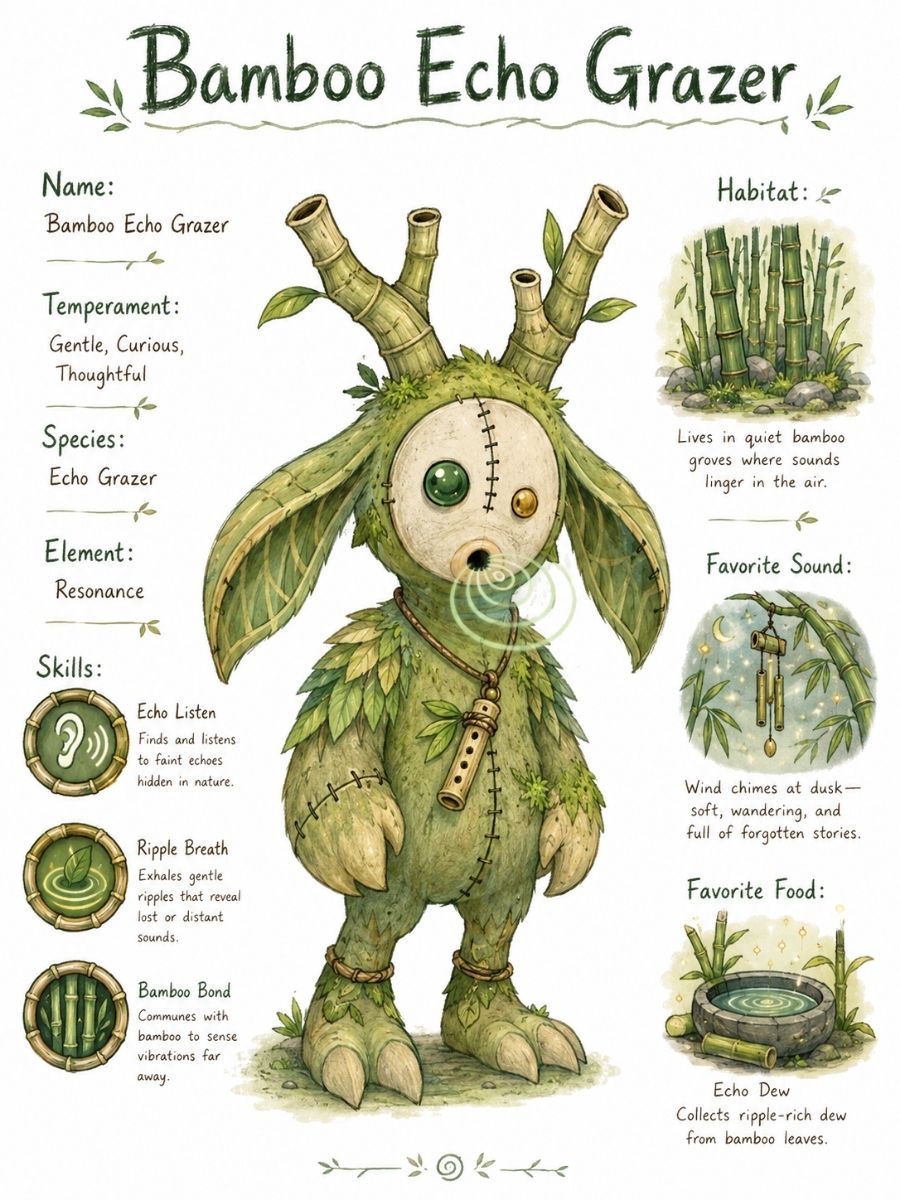
  • One original round low-bodied forest creature shaped like a smooth blue-gray boulder, with six short stubby legs evenly spaced beneath the body, three inflatable coral cheek sacs a02

    Bamboo Echo Grazer

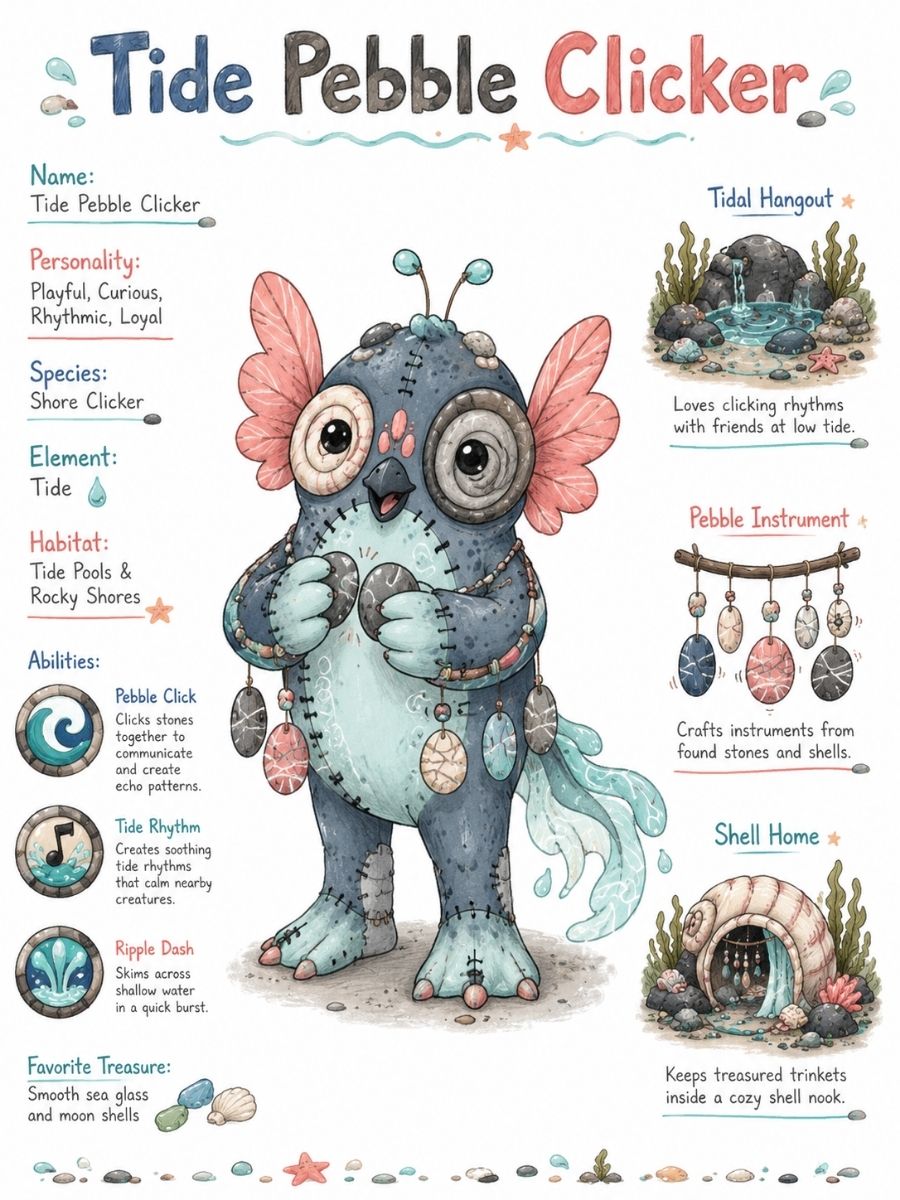
  • One original colony creature made of five smooth cobalt pebble bodies linked by flexible orange seaweed strands, each with one small fin and no face, clicking together in a shallow03

    Tide Pebble Clicker

Create Musical Monster OCs With Original Sound Identity

Explore major creation controls, visible outcomes, and practical ways to develop the concept.

0104

Invent a Fresh Musical Species

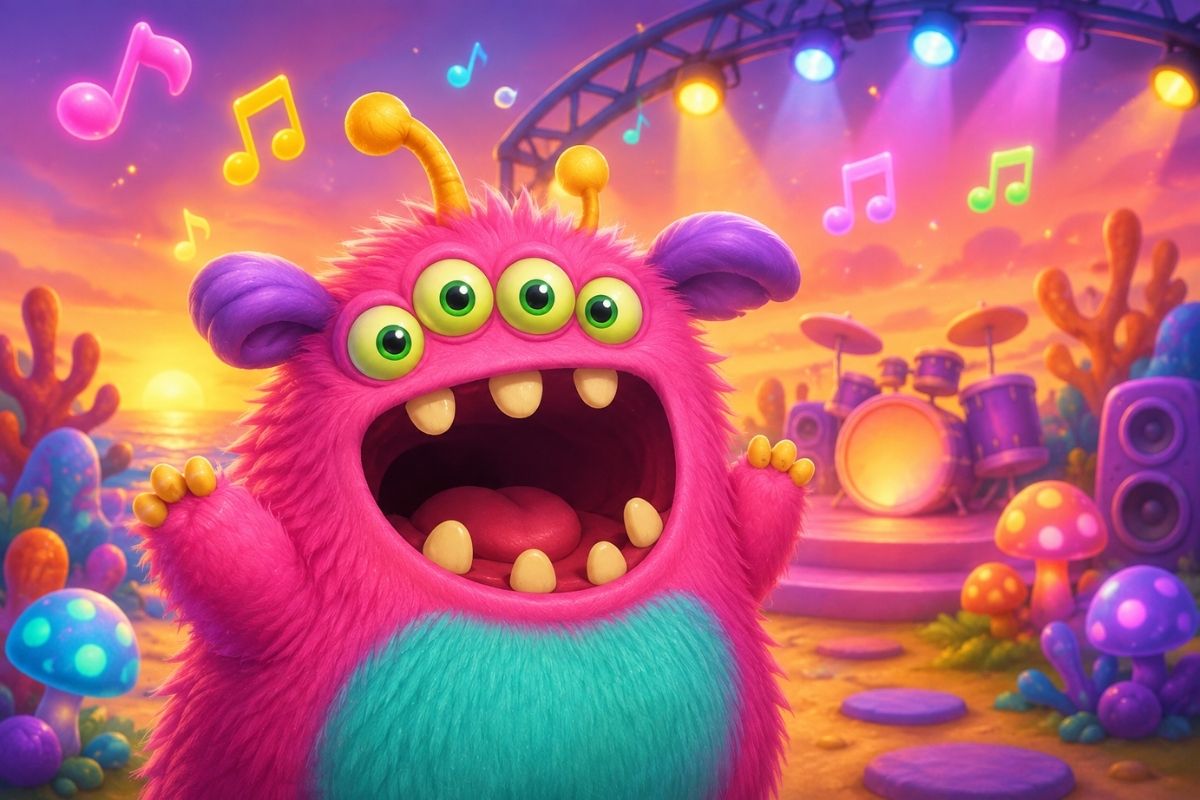
Start with a body plan, habitat, diet, temperament, movement, natural sound source, rhythm, and ensemble role, then turn those inputs into an original musical creature. The result gives My Singing Monsters OCs a recognizable performance identity for profiles, fan concepts, collections, and illustrated songs.
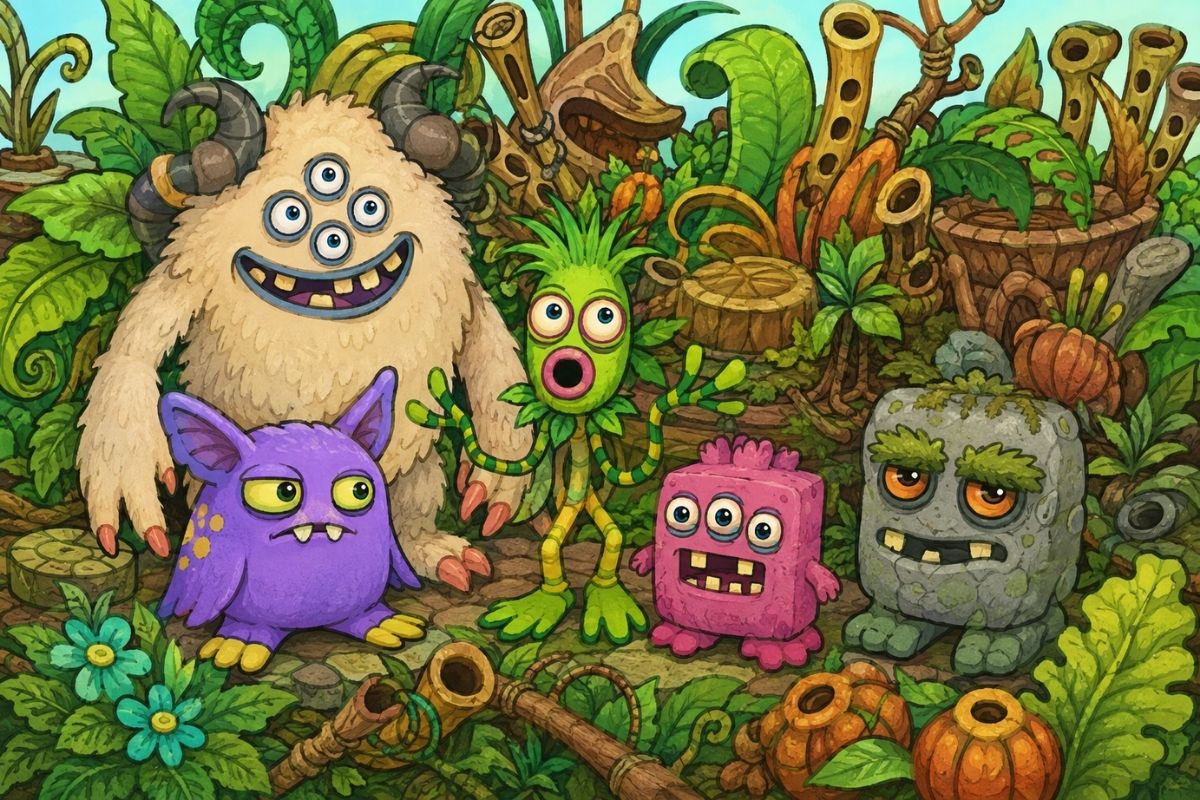
One original low flat star-shaped dune creature with five soft coral arms, a central turquoise breathing dome, no eyes, and small vibrating sand membranes under each arm, pulsing g

0204

Control Anatomy Sound and Habitat

Describe limb count, skin or shell material, mouth or resonator anatomy, palette, scale, movement, sound source, tempo, and environmental adaptation. An AI anime generator connects those choices into coherent creature art instead of combining random instruments and familiar monster parts.

One original small wheel-shaped ceramic creature with a hollow turquoise ring body, four short coral stub legs attached beneath the ring, two tiny amber eyes along the outer rim, a

0304

Create Performance-Ready Monster Art

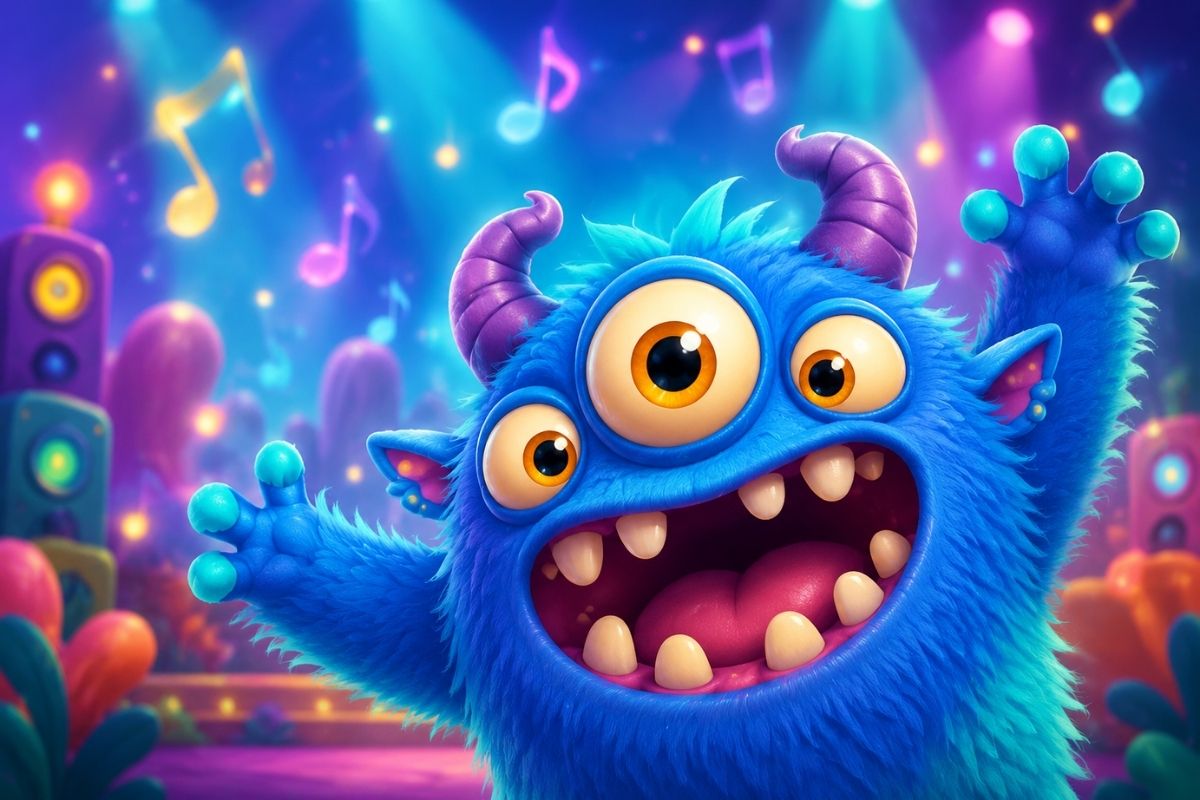
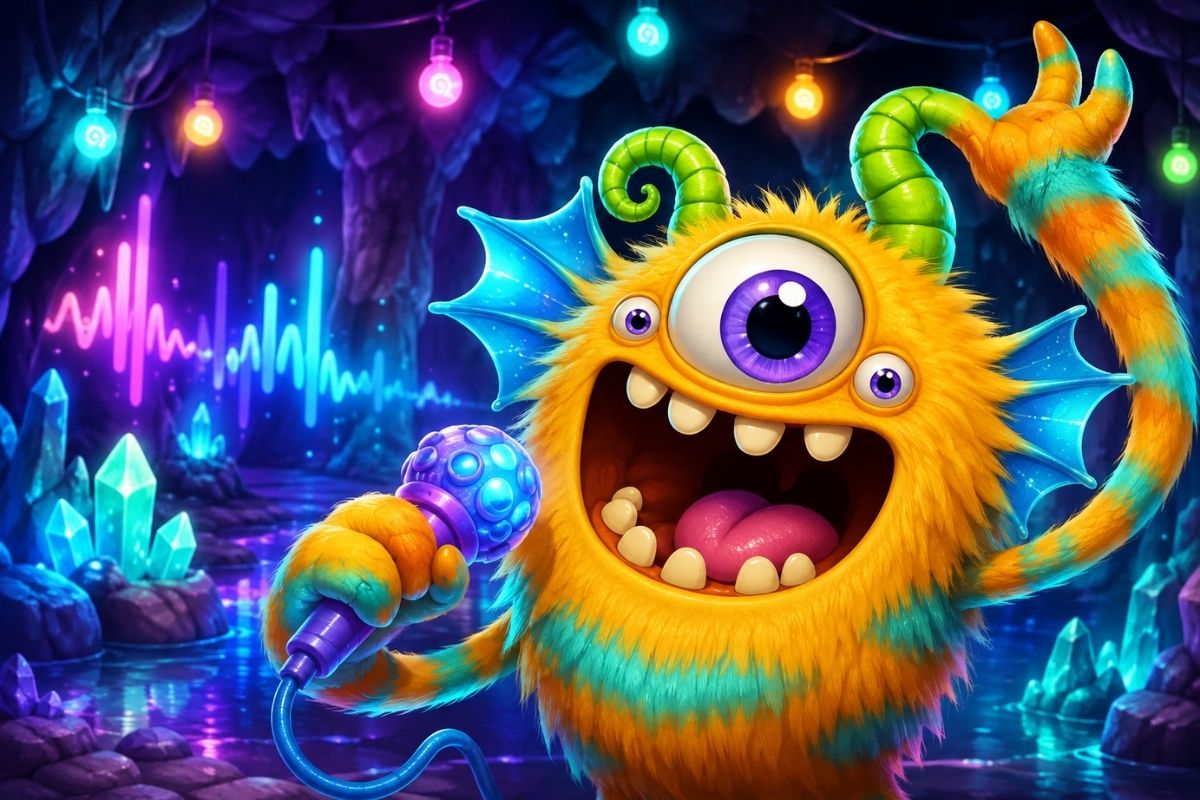
Turn a My Singing Monsters OC brief into a creature portrait, full-body reference, habitat performance, duet, seasonal variant, or ensemble scene. Match pose, expression, movement, environment, and visible sound behavior to the monster’s musical role so viewers can imagine its part without labels or notation.

One original broad flat manta-like sky creature with translucent violet membranes, six hanging wooden chime tendrils and no legs, gliding above a windy red-rock canyon while the te

0404

Refine Recognizable Creature Variants

Keep body plan, face, materials, palette, resonator anatomy, movement, and sound behavior stable while testing new poses or habitats. The broader OC maker workflow helps compare alternatives and preserve a recognizable species across profile art, ensembles, seasonal concepts, and collection sheets.

One original elderly-looking six-legged stone cricket creature with a low arched body, turquoise mineral plates and two smooth resonating forelimbs, tapping a syncopated rhythm ins

How to Make My Singing Monsters OCs

Move from a natural sound idea to an original musical creature with coherent anatomy, habitat logic, and ensemble value.

  1. Choose Sound Habitat and Role

    Define the natural sound source, rhythm or pitch range, ensemble role, habitat, diet, temperament, movement, and social behavior.

  2. Describe Anatomy and Materials

    Specify body plan, limb count, face, skin or shell, resonator anatomy, palette, scale, pose, visible sound behavior, and setting.

  3. Generate Review and Refine

    Check anatomy, silhouette originality, material logic, movement, sound readability, and species consistency while changing one trait at a time.

Why Use This Singing Monsters OC Maker

Develop original musical creatures with clearer anatomy, coherent sound sources, habitat logic, expressive movement, and repeatable visual traits.

  • 01

    Original Creature Body Plans

    Create tripod, quadruped, winged, floating, segmented, aquatic, fungal, mineral, or plantlike species with fresh silhouettes.

  • 02

    Coherent Natural Instruments

    Generate resonators, vents, membranes, shells, chimes, reeds, percussion limbs, or vocal anatomy integrated into the body.

  • 03

    Readable Musical Roles

    Produce bass, rhythm, melody, drone, accent, harmony, or ambient creatures whose motion suggests their ensemble part.

  • 04

    Habitat-Shaped Designs

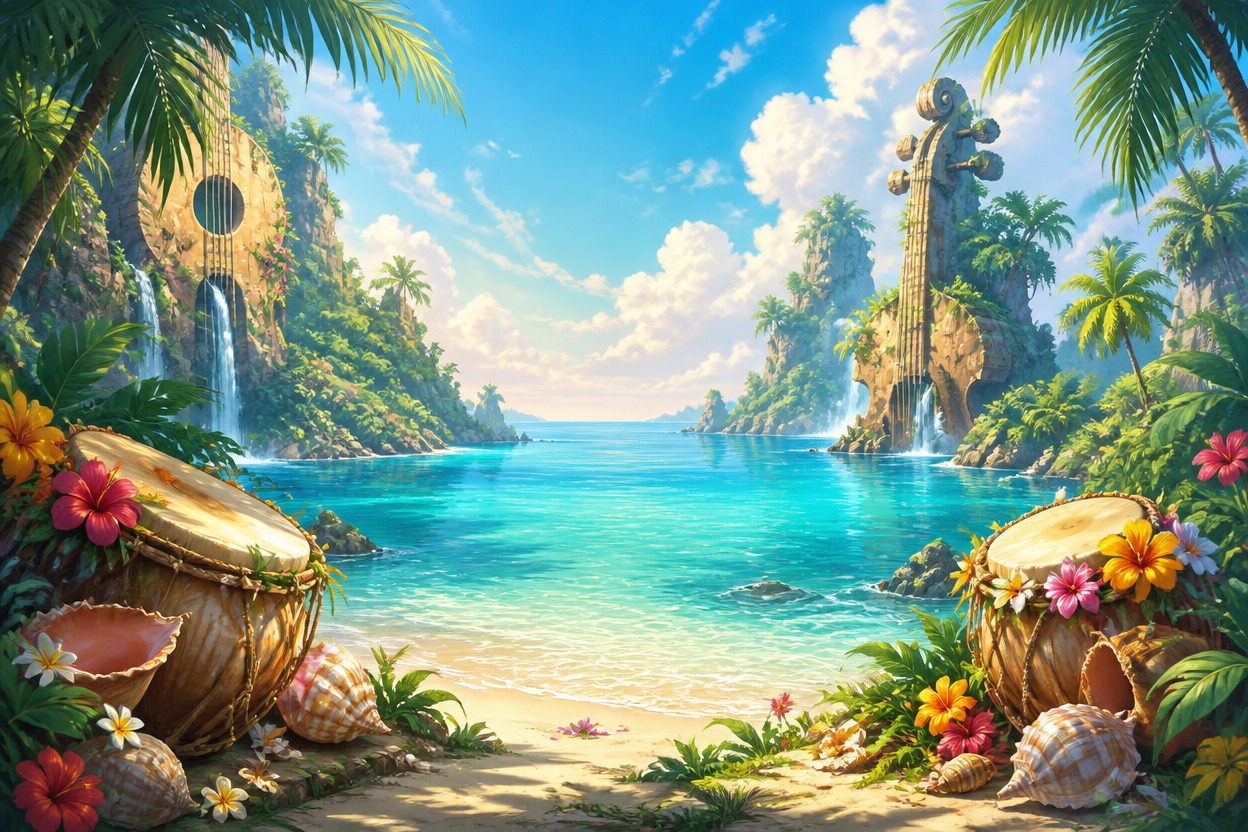
    Connect materials, colors, limbs, movement, and sound behavior to bogs, caves, deserts, reefs, clouds, or forests.

  • 05

    Expressive Monster Personalities

    Create shy, playful, solemn, curious, sleepy, energetic, or communal performers through pose, face, and movement.

  • 06

    Recognizable Species Traits

    Help preserve anatomy, palette, material, resonator structure, and sound behavior across new scenes and variants.

Frequently Asked Questions

My Singing Monsters OC Maker FAQ

Practical answers about character direction, consistency, originality, useful outputs, and review.

What is a My Singing Monsters OC maker?

It is a concept workflow for turning your own musical-creature brief into visual art. You can direct body plan, materials, face, resonator anatomy, sound source, rhythm, movement, habitat, temperament, and ensemble role.

What makes strong My Singing Monsters OCs?

Strong OCs combine a fresh silhouette with a sound source that grows naturally from the body. Their materials, movement, habitat, personality, and ensemble role should support the same musical idea.

How do I invent a monster sound without adding text?

Choose a physical sound source such as hollow vents, membranes, shells, chimes, reeds, tapping limbs, or vocal chambers. Show vibration, breath, movement, or environmental response rather than musical notes or labels.

How can I avoid recoloring an existing monster?

Change the underlying body plan, limb count, face structure, material, movement, sound anatomy, habitat, and temperament. A new palette alone does not create a distinct species.

Can I design a monster for a duet or ensemble?

Yes. Define its range, rhythm, timing, volume, social behavior, and visual response to nearby performers. Keep every creature’s silhouette and sound source readable in a shared scene.

How do I keep the species consistent?

Reuse the same identity description and reference image. Lock body plan, face, materials, palette, resonator anatomy, scale, and movement, then vary only pose, expression, season, or habitat angle.

Is OCMaker AI affiliated with My Singing Monsters?

No. OCMaker AI is independent and is not affiliated with or endorsed by Big Blue Bubble or My Singing Monsters rights holders. Create original musical creatures and avoid copied official monsters, islands, symbols, instruments, logos, or artwork; review applicable rights before public or commercial use.

Create Your Original Musical Monster

Turn a body plan, natural sound source, rhythm, habitat, personality, and ensemble role into a distinctive musical creature OC.

Free My Singing Monsters OC Maker: Create MSM Characters