Project SEKAI OC Maker

Give your next music-unit concept a face on stage. Generate anime performer images where the costume, movement, and concert atmosphere express the sound you imagine.

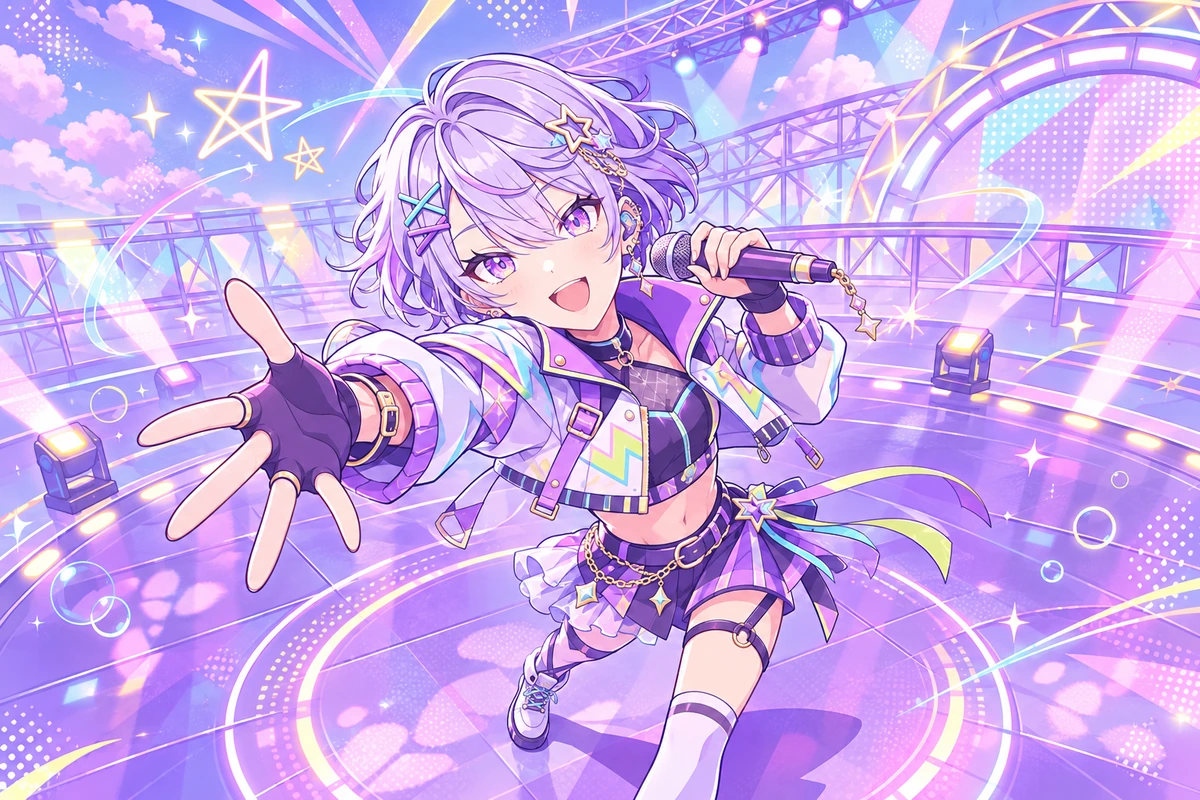
A lilac-haired vocalist reaches toward the audience with a microphone on a luminous violet concert stage.

Three Musical Worlds, Three Different Silhouettes

A street vocalist, a theatrical percussionist, and a studio arranger show how a music role can change the entire picture.

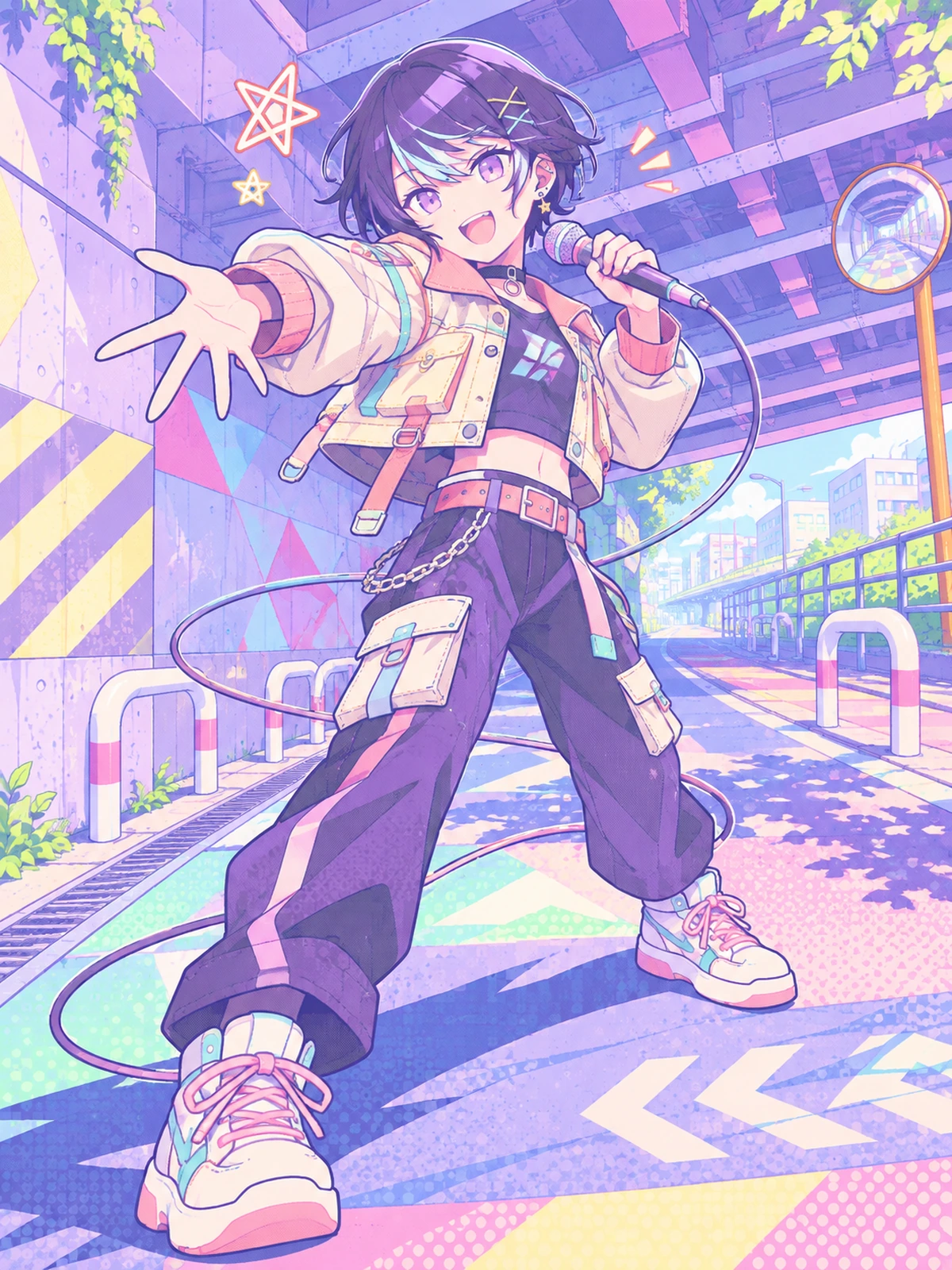
  • A short-haired vocalist in a pale cropped jacket reaches toward the viewer with a microphone on a bright covered city walkway.01

    Street-Corner Vocalist

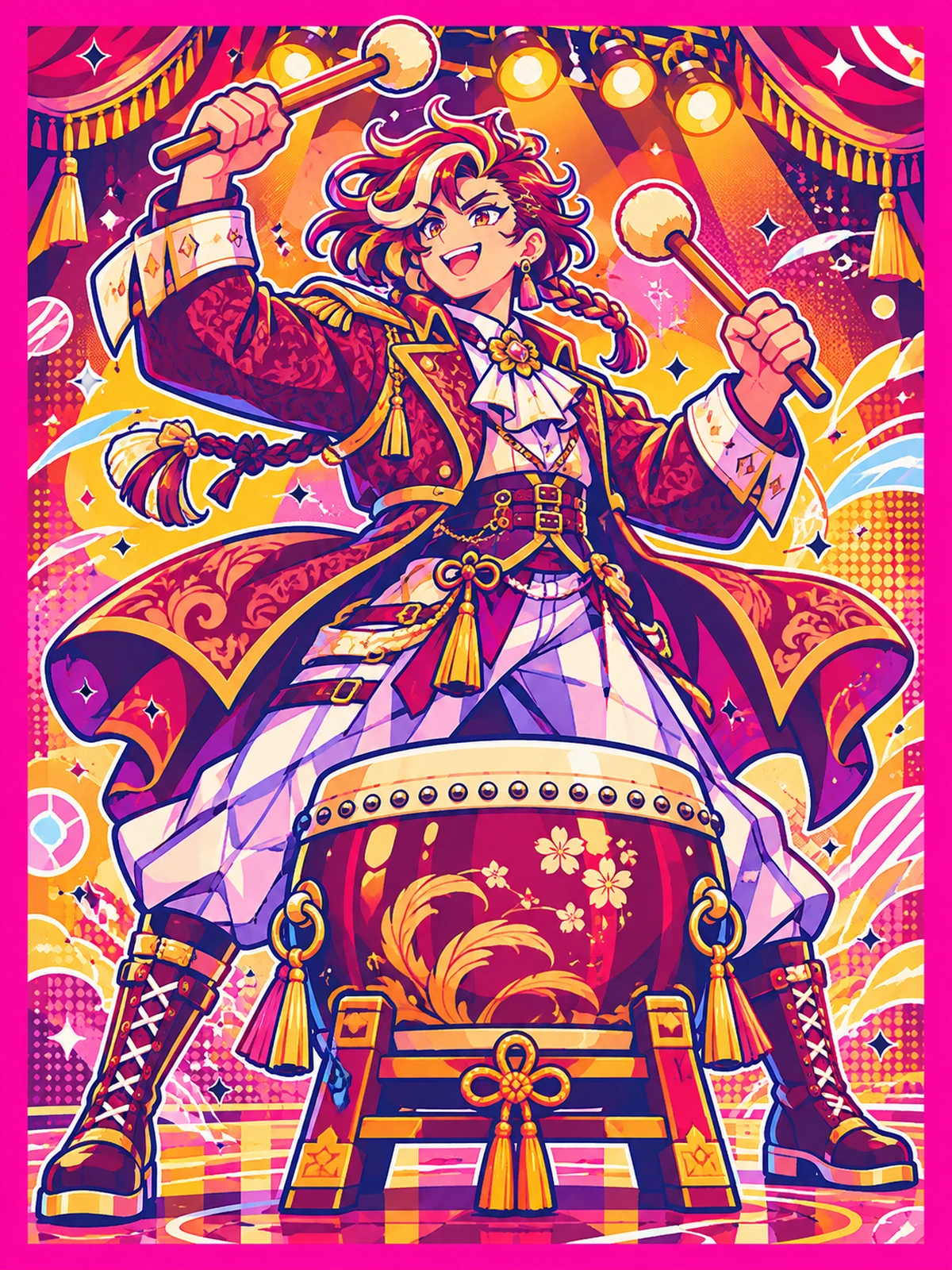
  • A red-haired percussionist in ornate burgundy stagewear lifts two mallets above a large drum under bright theater lights.02

    Theatrical Percussionist

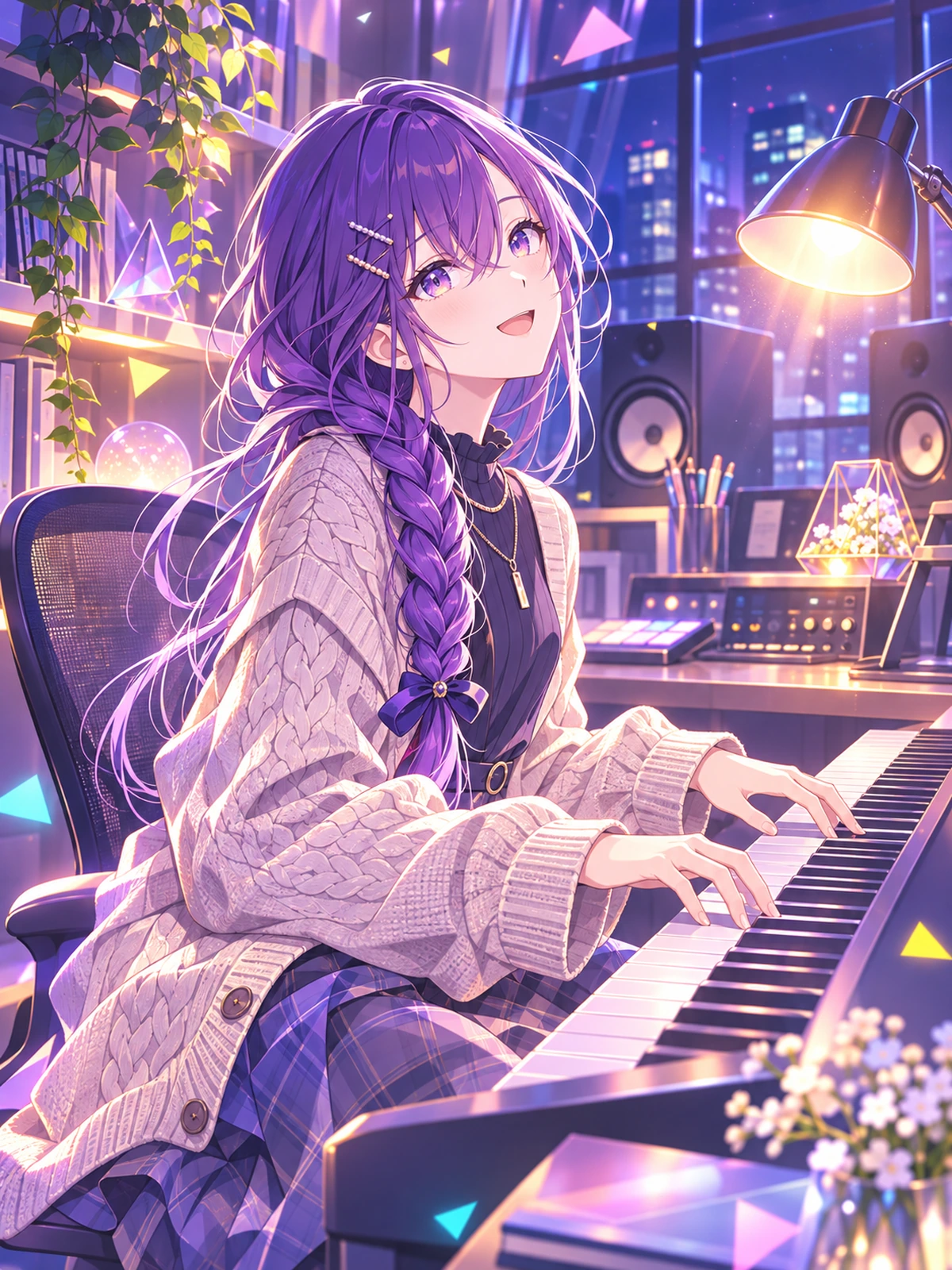
  • A purple-haired arranger with a long braid and cream knit cardigan plays keyboard in a warmly lit home studio.03

    Late-Night Arranger

Music Roles That Become Visible Stage Character Art

From the way a singer holds the mic to the color of a spotlight, the performance shapes the picture.

0104

Music Roles in Motion

The AI anime generator supports pose-led anime art for presenting a new act before its first imagined show. The Project SEKAI OC generator turns a musical role into a performance image: a vocalist leans toward the mic, a drummer braces for the next beat, or a dancer opens the frame.
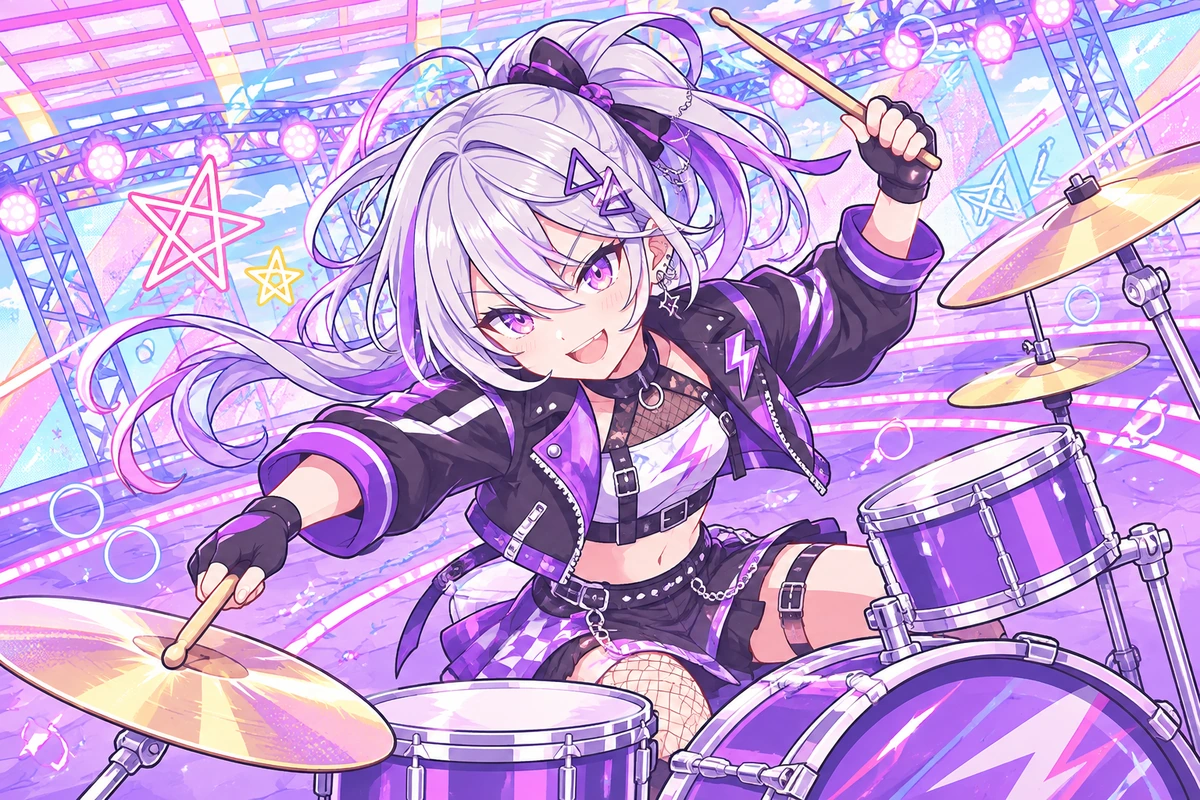
A pale-lavender-haired drummer raises a stick over a violet drum kit under bright concert lights.

0204

Costumes With Unit Rhythm

A Project SEKAI character maker can translate a unit mood into layered stagewear. Sharp tailoring, soft fabric, or metallic accents give a performer a visual rhythm, while a shared accent color helps the image suggest an ensemble without dressing every member identically.

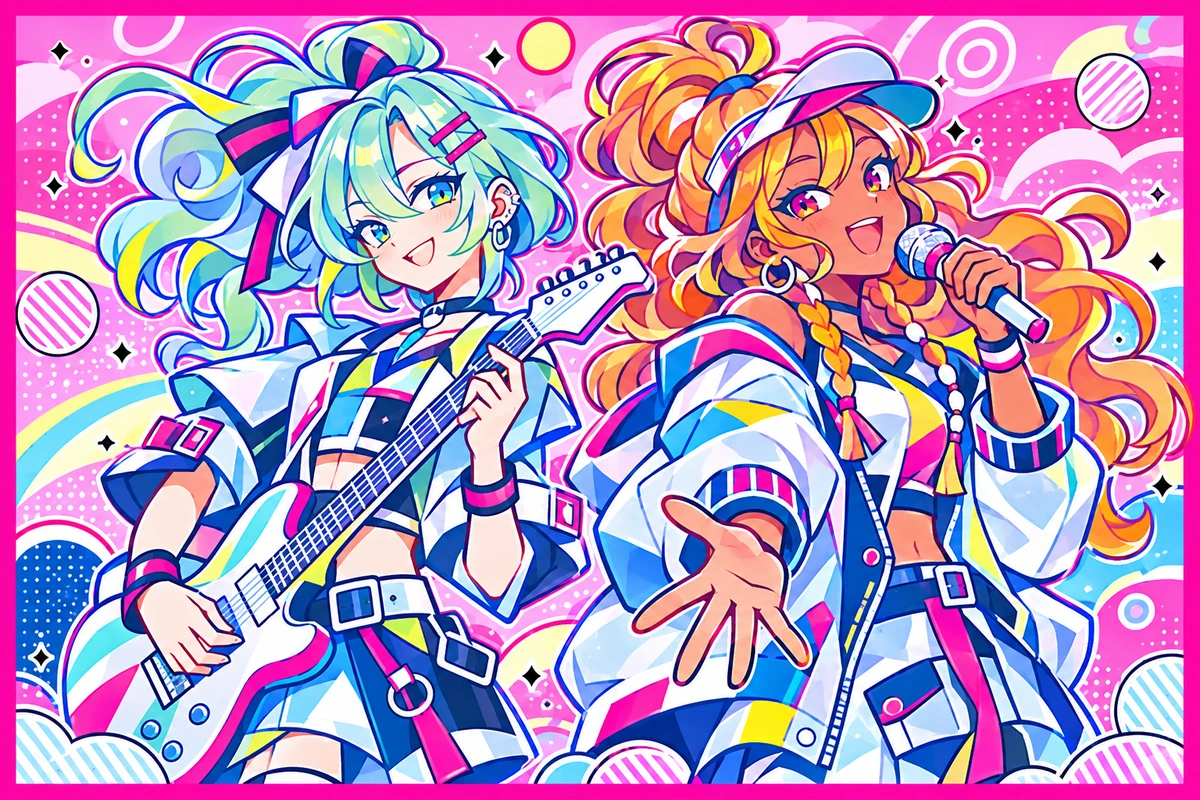
A mint-haired guitarist and an orange-haired vocalist wear coordinated white stage outfits with magenta accents.

0304

Concert Worlds Around the Performer

Stage setting generation connects the performer to a musical atmosphere. A hazy club, a luminous rooftop, or a curtain-framed theater changes the scale and emotion of the picture. These scene images help visualize how the same kind of act might feel to an audience.

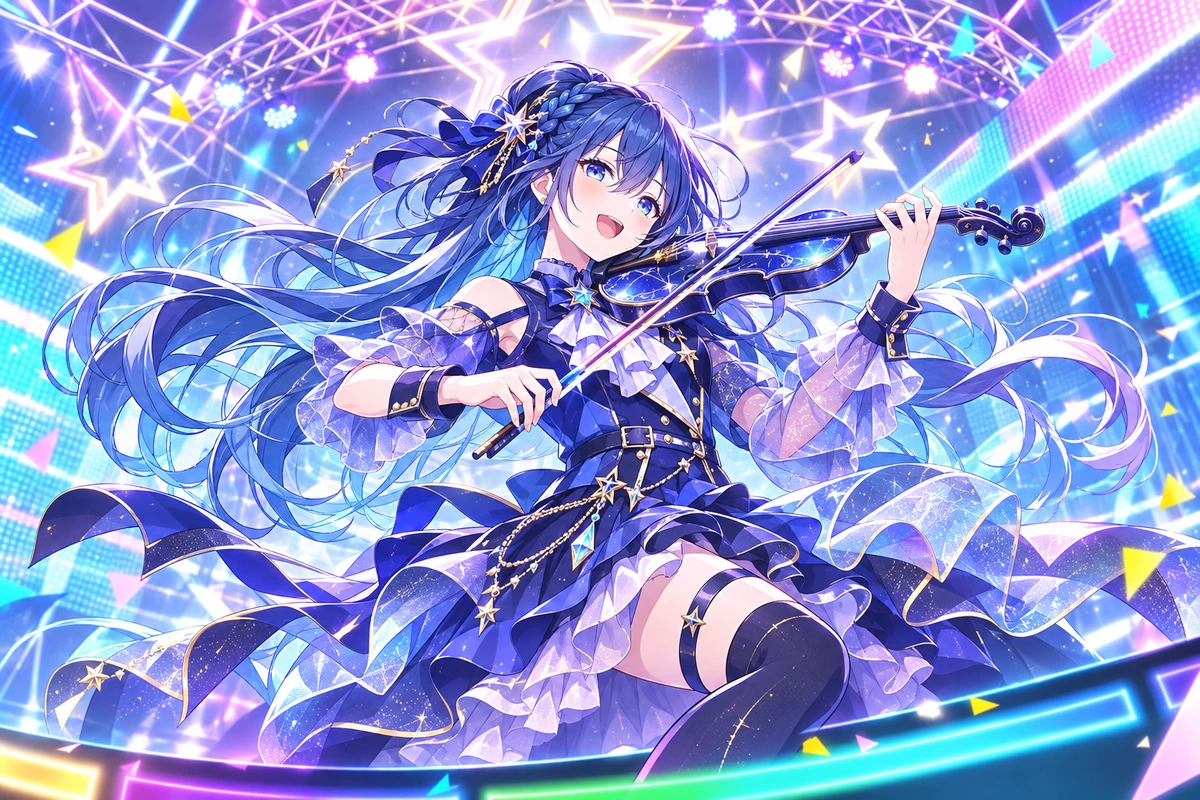
A blue-haired violinist performs beneath star-shaped lights on a luminous concert stage.

0404

Alternate Looks for a Set

The OC maker gives a place to develop those directions, so creators can compare visual moods without treating a new image as a locked character model. Costume and expression variations support visual exploration of a new set: a restrained rehearsal look can become a more dramatic performance image.

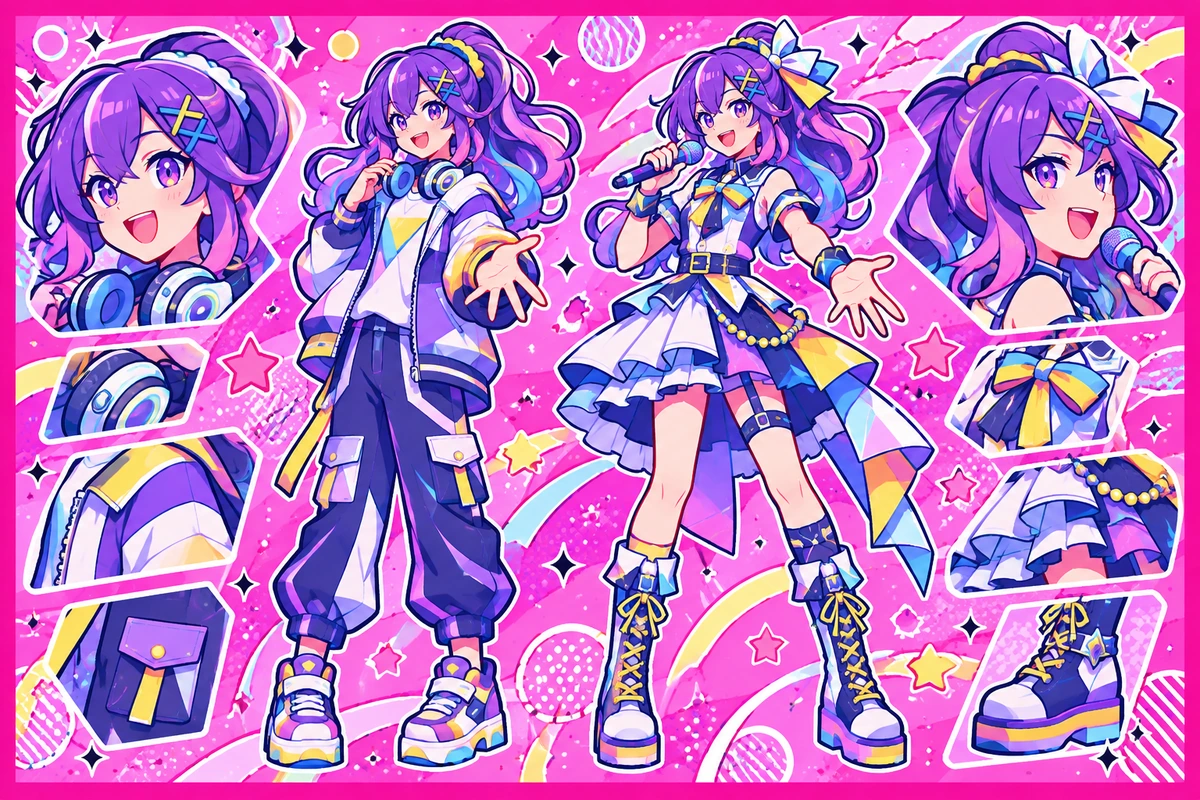
A purple-haired performer appears in casual rehearsal clothes and layered stage costumes on a pink character-design sheet.

Small Visual Choices That Help a Music Concept Land

Supporting image directions give your performer more room beyond the main stage shot.

  • 01

    Close-Up Expressions

    Create face-focused images where a held breath or sideways smile adds a quieter note to a performance concept.

  • 02

    Accessory Studies

    Generate a closer view of an earpiece, wrist ribbon, or guitar strap to explore the details between major costume shapes.

  • 03

    Rehearsal Room Quiet

    Produce informal practice-room images that give a polished performer a more grounded, offstage visual counterpart.

  • 04

    Instrument Emphasis

    Create prop-led compositions that give an instrument more space when its shape matters to the musical identity.

  • 05

    Poster-Like Framing

    Generate images with surrounding breathing room, useful as visual starting points for a separately designed concert layout.

  • 06

    Restrained Color Studies

    Explore a reduced-color image direction that makes fabric contrast and silhouette easier to judge apart from stage effects.

From a Musical Premise to a Stage Image

Anchor the performance first, then work outward to costume and venue.

  1. Write the Moment Before the Chorus

    State the music role and a single visible action, such as a singer leaning into a microphone. Specify a mature performer and the camera distance before adding costume detail.

  2. Give the Unit a Visual Motif

    Add a small palette and one recurring garment detail. Describe the venue separately from the performer so spotlights and scenery do not replace the face or swallow the pose.

  3. Generate and Inspect the Performance

    Check the microphone grip, instrument contact, and garment edges in the result. If the pose is crowded, simplify the movement and reduce light effects before generating another image.

Frequently Asked Questions

Questions About Project SEKAI OC Maker

What Is Project SEKAI OC Maker?

It is an image-creation approach for music-inspired anime performers. A PJSK character maker brief describes stage presence and appearance, producing visual art rather than rhythm-game charts, playable cards, or character statistics.

How Do I Use It for a New Music Unit?

Write one performer and one musical moment, then add a costume motif that could connect the act. Generate a picture and adjust the visible pose or setting; a unit name alone gives the image very little visual direction.

Is Project SEKAI OC Maker Free to Try?

OCMaker AI pricing mentions a free trial and credit-based paid plans. Available access and generation cost depend on the current account, model, and settings; this page does not promise a free allowance for a dedicated SEKAI tool.

Can Performer Images Go on Concert Merchandise?

The pricing page advertises commercial-use benefits, but that is not permission to use Project SEKAI characters, unit emblems, or other protected designs. Check current OCMaker AI terms and rights to every input and output before selling concert prints or merchandise.

Can I Make a Performer Without Assigning a Canon Unit?

Yes, a visual brief can use a self-defined music direction instead: chamber pop, intimate acoustic performance, or a theatrical rhythm act. State the visual cues of that sound rather than relying on a canon unit name to supply the design.

Why Does the Microphone Cover the Entire Face?

A frontal microphone combined with a close crop can dominate the face. Ask for a three-quarter camera angle, a mic held below the mouth, or more space around the upper body so the expression remains visible.

How Can a Shared Unit Palette Avoid Matching Uniforms?

Use the same accent color in different proportions and garment locations. One performer might have a narrow cuff stripe while another wears a lining in that hue; vary tailoring and fabric so the unit connection does not erase individual silhouettes.

Can I Show the Difference Between Rehearsal and a Live Set?

Use a practice-room setting with ordinary clothing for rehearsal and a stage setting with performance wear for the live image. Treat each as a separate visual study; repeated descriptions do not guarantee identical faces across generations.

Will the Image Include a Playable Rhythm-Game Card?

No. The intended result is character artwork, not an in-game asset, card editor, rarity system, or playable unit. Layouts, readable card text, and gameplay implementation would require separate work outside this visual brief.

Which Age Direction Fits These Stage Concepts?

Use mature adult performers and age-appropriate concert clothing. A music-inspired scene does not need school uniforms or a school-age cast to communicate ensemble identity, rehearsal pressure, or stage ambition.

How Do I Stop Spotlights From Washing Out Costume Colors?

Ask for a neutral key light on the performer and place colored lights behind or to the sides. Very strong colored light can tint every surface, so reduce its intensity when the unit palette matters more than concert spectacle.

Can a Keyboard or Guitar Have Exact Key and String Details?

Generative images can distort keys, strings, or finger placement. Use a simpler instrument angle and a less intricate hand action, then inspect the result closely. Artwork should not be treated as a technically exact instrument diagram.

Picture the Moment Your Performer Takes the Stage

Make a concert image that gives your next musical act a visible presence.

Project SEKAI OC Maker: Stage Performer Art