

Skibidi Toilet OC Maker

Ceramic bowls, salvage hardware, and absurd engineering become visual character concepts. Skibidi Toilet OC Maker helps fan creators generate images with a clear machine silhouette, from compact scouts to towering mechanical oddities.

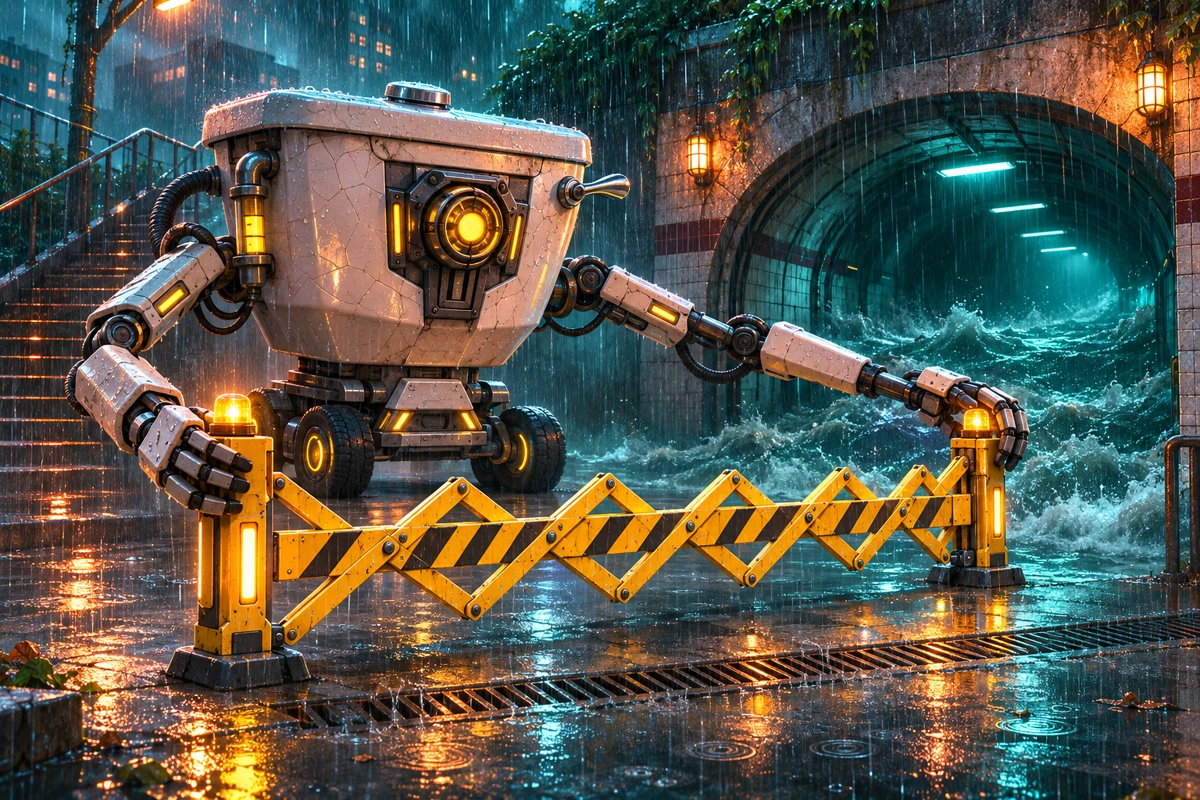
A squat glazed ceramic repair machine with dark treads and a brass sensor neck works beside a leaking service-road junction.

Three Very Different Machines

A glazed crawler, a survey unit, and a heavy lifter show how role and construction change the whole silhouette.

  • A small glazed ceramic scout with a blue sensor screen rolls across a wet pipe in a maintenance tunnel.01

    Glazed Tunnel Scout

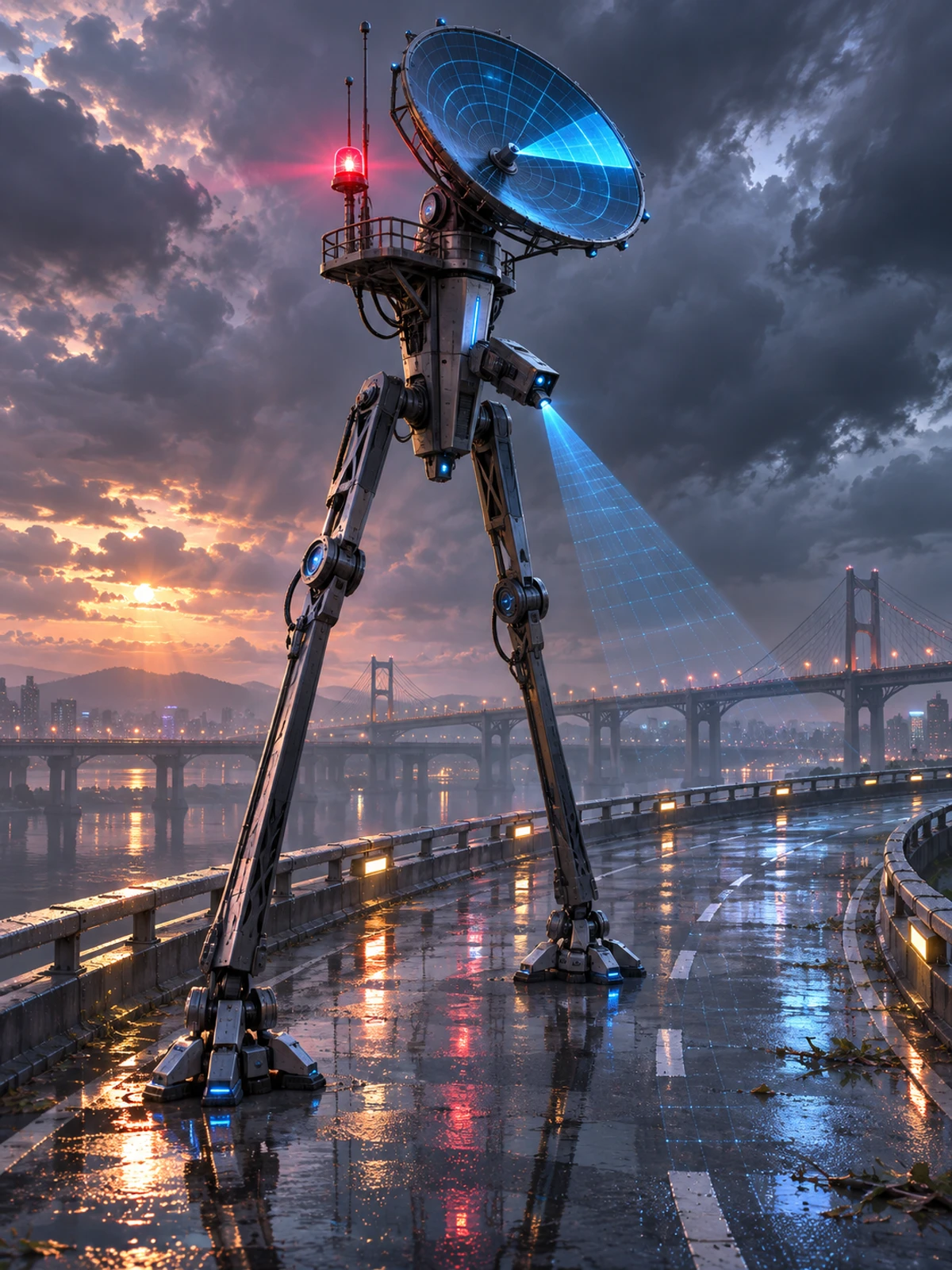
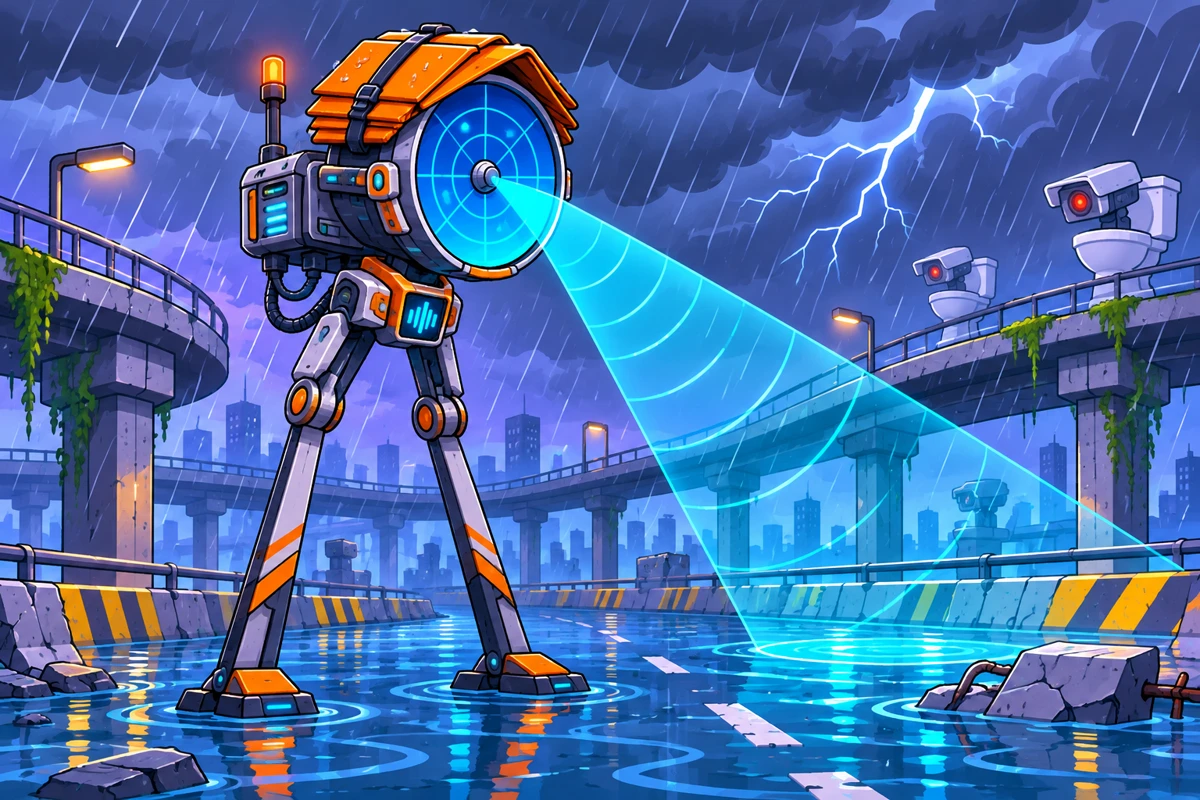
  • A long-legged radar walker scans a rain-slick elevated roadway at dusk beneath storm clouds.02

    Radar Survey Walker

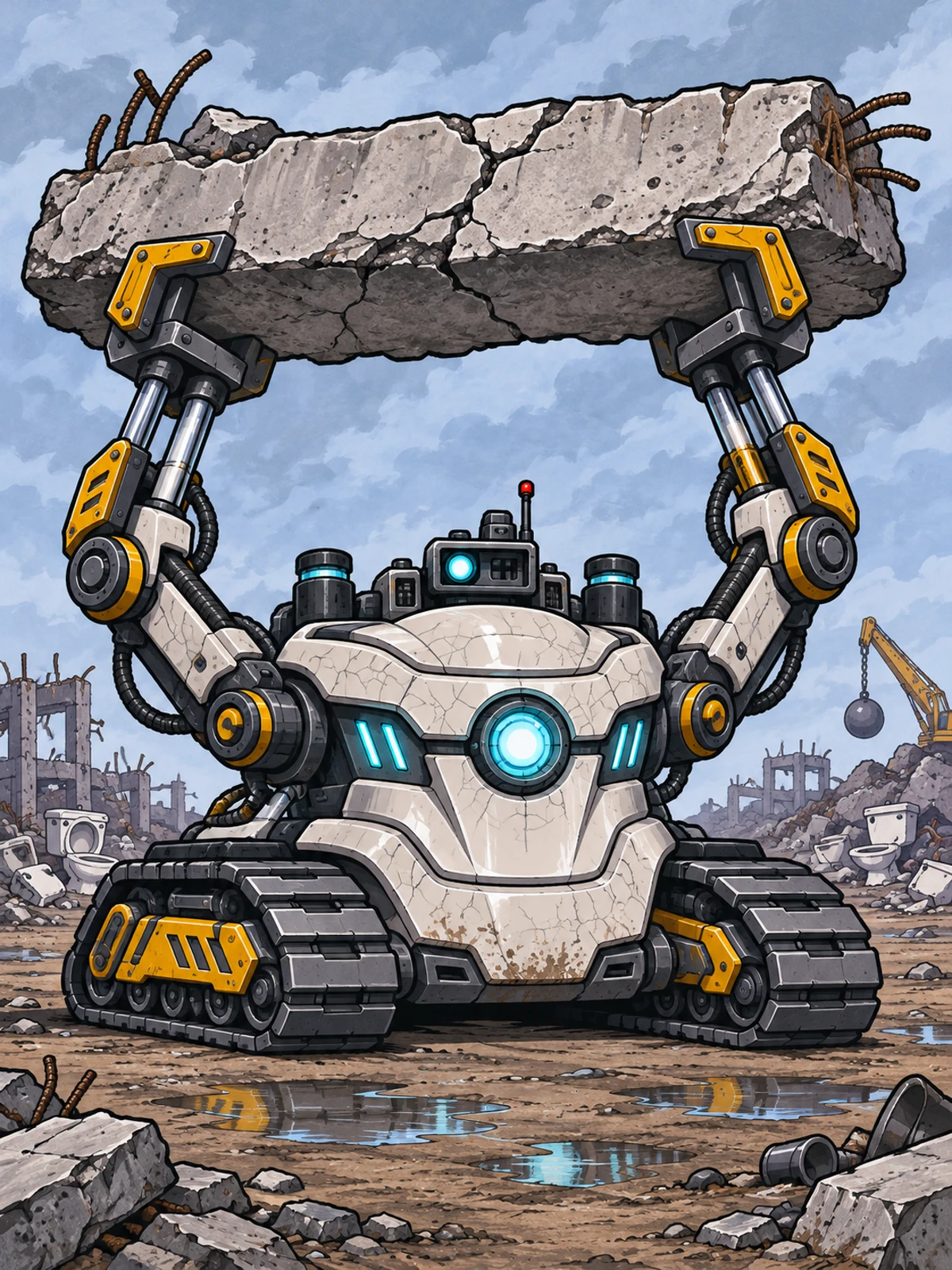
  • A low tracked porcelain machine supports a cracked concrete slab with two articulated arms in a rubble-filled demolition yard.03

    Porcelain Heavy Lifter

Character Images Built Around Strange Engineering

The core visual problem is how the shell, sensors, and moving parts work together in one convincing design.

0104

Ceramic Shells, Mechanical Weight

A bowl-shaped shell can become a low crawler, a tall walker, or a suspended chassis. Prompt-based images support different mounting points, wheel sizes, and exposed braces, giving ceramic-and-metal concepts a convincing center of gravity for fan design references rather than a floating pile of spare parts.
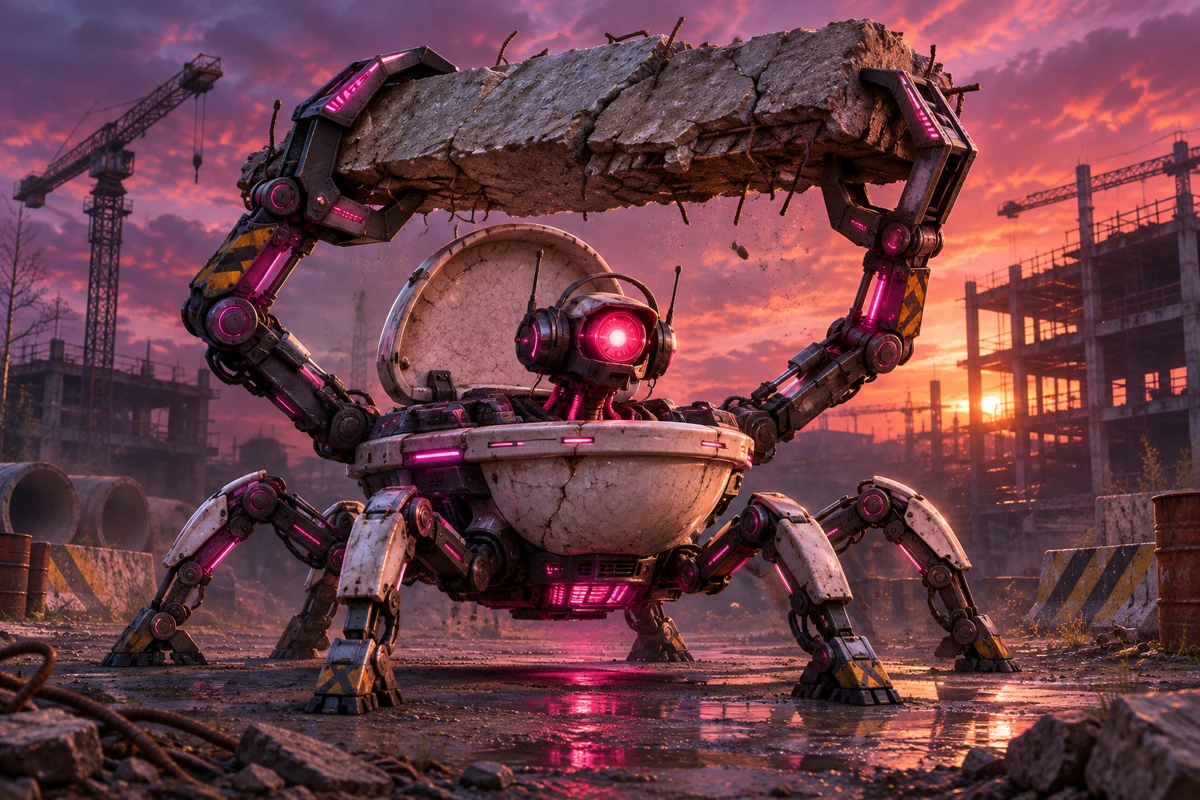
A cracked porcelain machine braces a concrete slab with two mechanical arms in a demolition yard.

0204

Sensors That Define the Role

A swiveling lens suggests a scout; a broad acoustic array suggests a lookout. Head geometry, neck position, and protective housings can shape a hardware character image before armor is added. The OC maker gives these equipment-led designs a starting point beyond conventional human portraits.

A long-legged radar walker scans a flooded elevated road beneath storm clouds.

0304

Action With Legible Mechanics

A braced landing or a shielded advance can show how an unusual chassis moves. Pose, camera angle, and environmental prompts help create non-graphic action illustrations where feet meet the ground and attachments remain visible, useful for presenting a machine’s stance rather than hiding it behind explosions.

A wheeled ceramic guardian stretches a yellow barrier across a flooded tunnel entrance.

0404

Scale Beyond a Bigger Head

Towering designs need more than an enlarged appliance: leg thickness, shell breaks, and nearby buildings establish scale. A giant-unit image can emphasize those relationships, while the AI anime generator offers a separate route for more stylized fan concept art with exaggerated mechanical proportions.

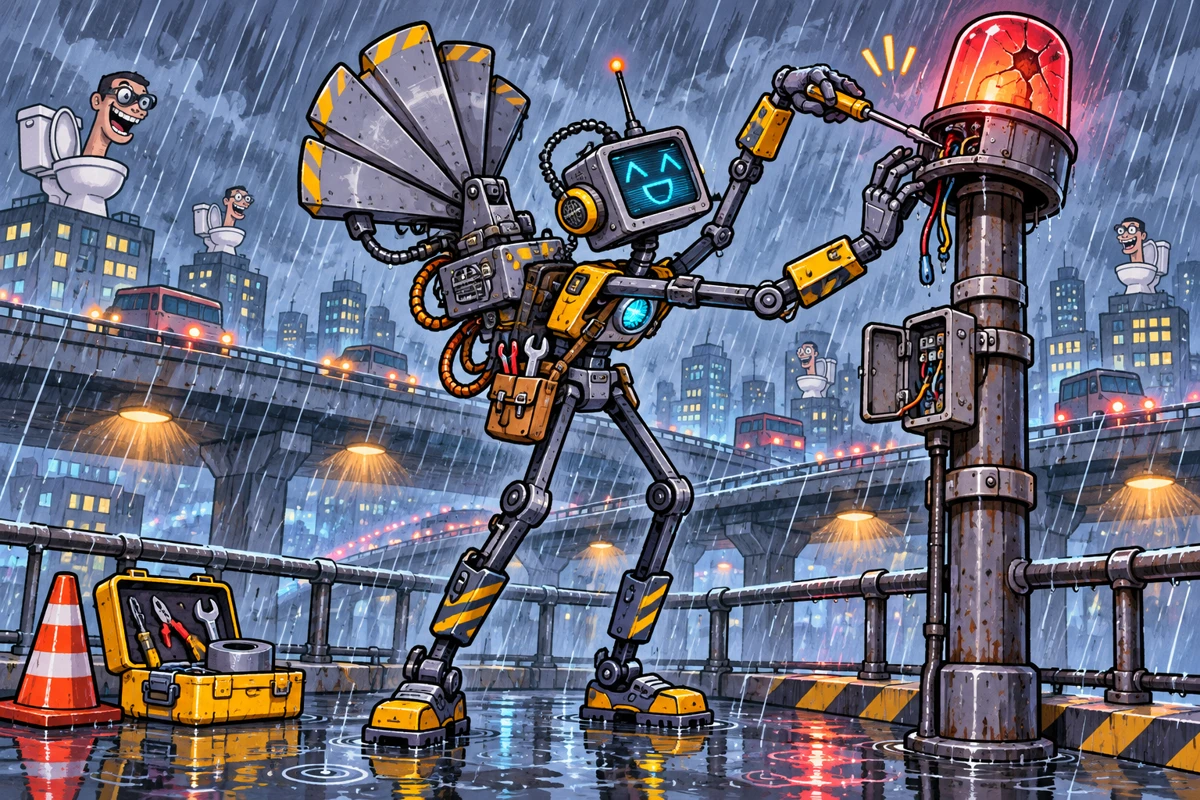
A tall signal repair walker reaches toward a red warning beacon above a rain-soaked overpass.

More Than a Head Swap

Material, framing, and wear add useful design information without another layer of ornamental weapons.

  • 01

    Material Separation

    Create glossy porcelain beside dull steel so the shell and support structure remain easy to distinguish in the image.

  • 02

    Repair History

    Generate patched plating and mismatched fasteners that suggest a machine assembled from salvage rather than a pristine kit.

  • 03

    Uncrowded Design Views

    Get a plain workshop backdrop that leaves brackets, hoses, and wheel placement visible for later drawing reference.

  • 04

    Accent-Light Control

    Maintain a restrained glow around a sensor without letting bright effects erase the geometry of the surrounding housing.

  • 05

    Alternative Wear Levels

    Produce a cleaner or more battered visual direction by changing surface descriptions, without claiming a live upgrade system.

  • 06

    Grounded Environment

    Get dust, puddles, and contact shadows that place an odd machine on a surface instead of leaving it visually suspended.

Resolve the Machine Before Adding the Spectacle

Keep the supports and joints visible before adding armor, effects, or a more crowded setting.

  1. Sketch the Support in Words

    State what touches the ground: treads, feet, or a balancing wheel. Place the ceramic shell above that support and name the function of the hardware head.

  2. Connect Shell and Hardware

    Describe brackets, neck joints, and a small number of attachments. Add one pose and a camera angle that shows the connections; use non-graphic action rather than injury.

  3. Check the Load Path

    Generate the image, then inspect whether the legs attach, the shell has support, and the sensor is unobstructed. Remove excess equipment or simplify the pose before trying a revised version.

Frequently Asked Questions

Questions About Skibidi Toilet OC Maker

What Is Skibidi Toilet OC Maker?

It is an image-creation direction for fan concepts built from absurd ceramic and hardware hybrids. OCMaker AI interprets descriptions of a chassis, sensors, materials, and pose to generate character artwork rather than a working mechanical model.

How Do I Use It to Design a Hardware Hybrid?

Specify the support structure first, then the shell and sensor head. Add a clear joint layout and one action. Review the generated image for disconnected parts before adding more equipment.

Is the Ceramic Character Generator Free?

The platform’s current terms list a free tier alongside subscriptions and token purchases. Availability and token cost depend on the selected tool and model, so check pricing before generating; unlimited free hybrid designs are not confirmed.

Can a Ceramic Machine Design Be Used on Merchandise?

Review OCMaker AI’s terms and the rights in the design and any references first. Skibidi Toilet character likenesses, recognizable hardware factions, and third-party emblems may raise separate rights issues. Generating a variation does not itself supply merchandising permission.

How Can a Porcelain Bowl Attach to Treads Believably?

Place a metal cradle below the ceramic body and describe brackets that connect it to the tread frame. A visible underside and three-quarter angle make the connection easier to assess than a front view dominated by the rim.

Can the Head Be a New Type of Sensor?

A radar dish, optical stalk, or asymmetrical listening array can work as a visual direction. Give it a purpose and a neck attachment instead of asking for an existing faction’s exact head shape.

Why Does the Machine Collapse Into a Pile of Equipment?

Several unrelated heads, arms, and mounted devices can compete for the same space. Reduce the design to one chassis, one primary sensor, and one locomotion system, then add secondary pieces only after the main shape is clear.

What Establishes Titan Scale Without People in the Frame?

Use architectural scale cues such as warehouse doors, roof heights, or road lanes. Thick load-bearing limbs and a low viewpoint help; simply enlarging the head can make a machine look top-heavy rather than immense.

Can I Show a Clash Without Graphic Damage?

Use a defensive stance, a raised shield, flying dust, or a blocked path to imply conflict. OCMaker AI’s terms prohibit graphic violence and gore, so keep the scene focused on mechanical movement rather than injury.

How Do I Stop Glow Effects From Hiding the Sensor?

Limit the illuminated area to a rim or a small lens and ask for the housing to remain opaque. Removing smoke and bloom language often gives the mechanical edges more room in the composition.

Will These Images Become a Rigged Titan or Game Asset?

No rig, mesh, animation controls, or game integration is established by this image page. The output is visual concept art; turning it into a functioning 3D asset requires a separate production process.

How Can I Keep a Hybrid Playful Instead of Frightening?

Rounded shields, oversized feet, and a lopsided optical stalk suggest comic machinery without a human face. Use clean daylight and non-graphic staging. The service is restricted to users aged 18 and over under its current terms.

Make the Hardware Fit the Creature

Generate a ceramic-and-metal character image whose shell, sensors, and stance feel like parts of the same machine.

Skibidi Toilet OC Maker: Hardware Hybrid Character Art