
Someone Fishy OC Maker

Picture a fish character with a face, posture, and fins that work together. Someone Fishy OC Maker turns an aquatic character idea into illustrated portraits and full-body fan-design references.

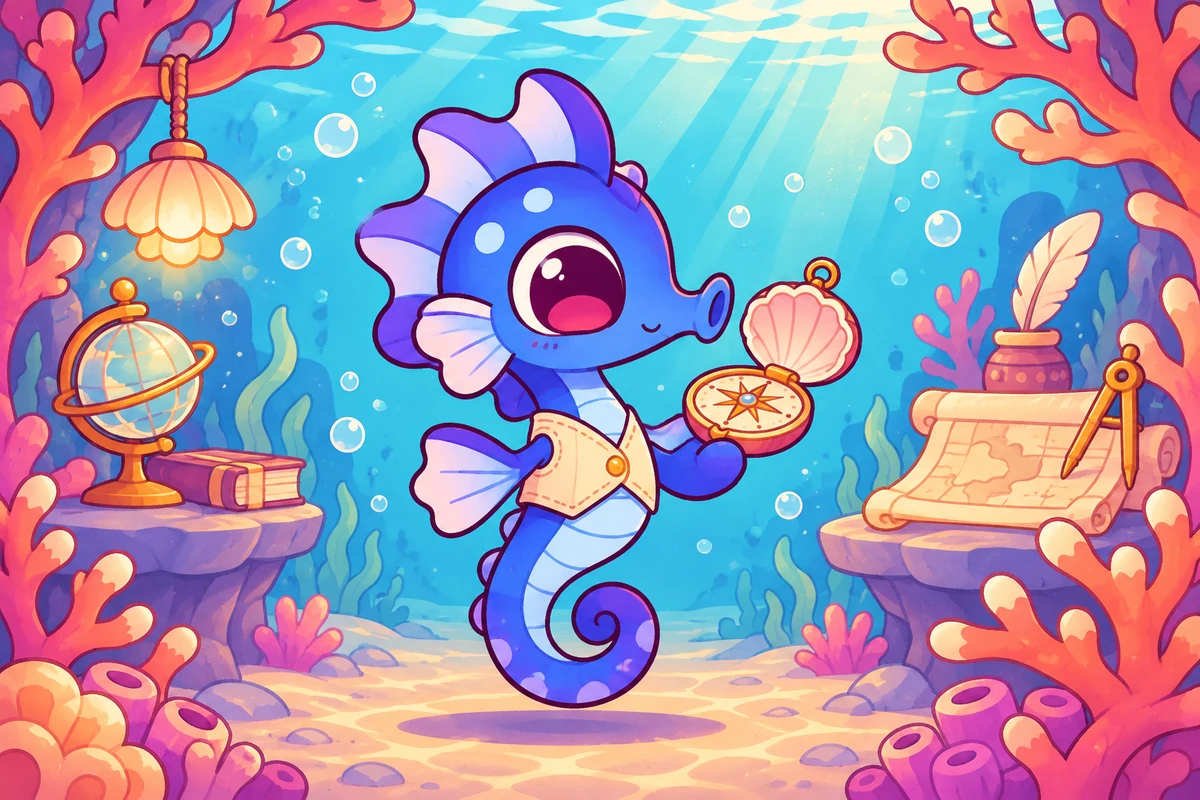
A sapphire seahorse chartmaker holds a shell compass beside a coral arch.

Fish Anatomy Gives Each Character a Different Rhythm

A stout pufferfish, a ribbon-finned dancer, and a whiskered catfish offer three different ways to build a fish-person silhouette.

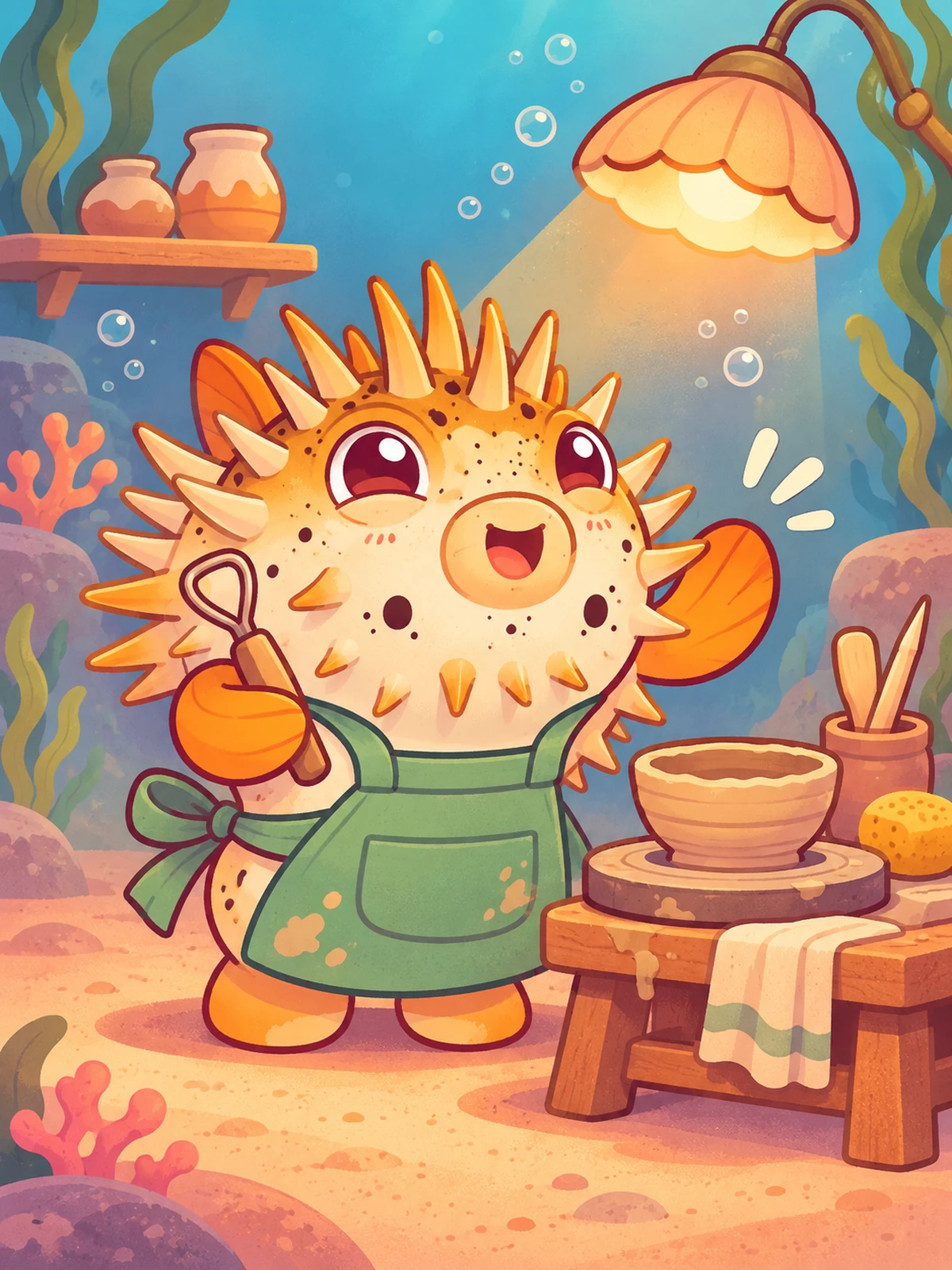
  • A round pufferfish character in a green apron shapes clay beside a pottery wheel and a small bowl.01

    Pufferfish Ceramicist

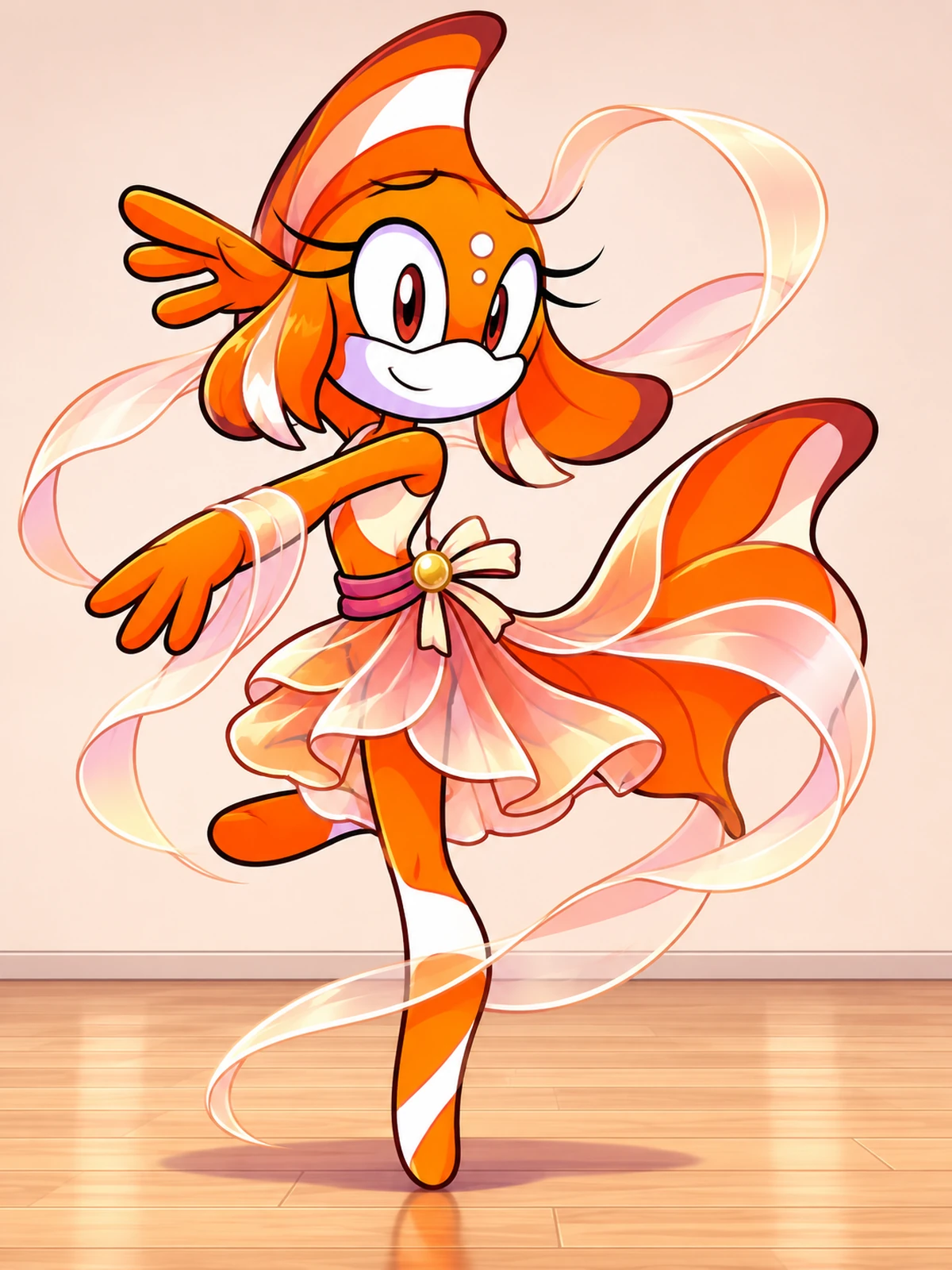
  • A long-finned fish character turns in a plain rehearsal room, flowing fins trailing behind.02

    Ribbonfin Dancer

  • A whiskered catfish character wears a small satchel on a quiet riverside path.03

    Catfish Night Courier

Build the Body Before the Outfit

  1. Name the Fish Anatomy

    Start with one species or a clearly described hybrid. State whether the body is upright with legs, and identify the tail, dorsal fin, and gills.

  2. Make Room for the Outfit

    Describe how clothing fits around those features. Add a face expression and one activity; avoid asking for several overlapping props in the same hand.

  3. Correct the Fin Attachments

    Generate the image, then inspect where fins join the torso and whether the tail exits behind the outfit. Revise unclear attachment points before adding details.

Fin-Led Silhouettes and Faces Built for Expression

Anthropomorphic fish images keep aquatic anatomy visible without losing gesture and clothing.

0104

Species Visible in Silhouette

A tall dorsal fin or a broad fan tail changes the whole figure, not just its color. Species-led image generation carries those cues into an upright fish character, while the AI anime generator offers an illustrated direction suited to a Someone Fishy OC drawing reference.
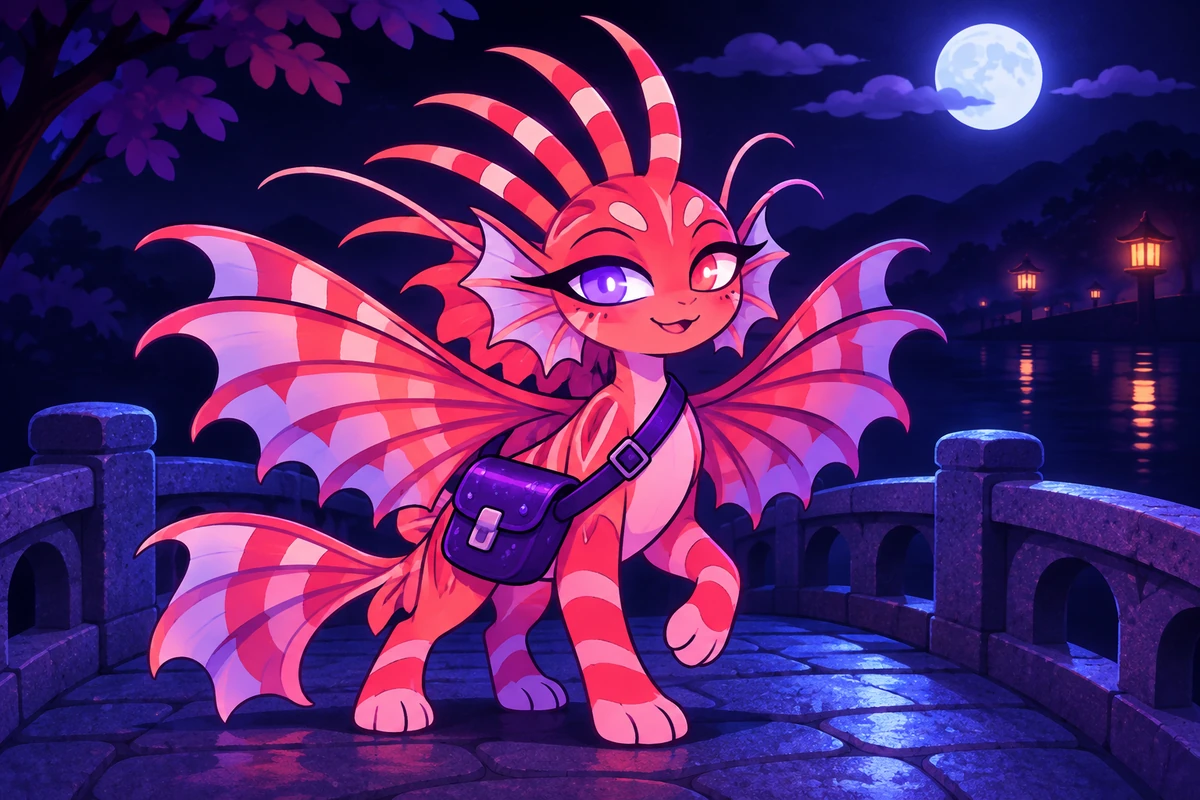

A coral lionfish courier crosses a moonlit bridge with a small waterproof bag.

0204

Clothes Around Aquatic Features

Fins need space in a jacket just as arms need sleeves. Clothing-focused images can suggest open backs, cropped hems, and clear tail openings around a fish-person body. The result is a costume concept where fabric and anatomy are easier to understand together in a full-body view.

A violet eel archivist carries a scroll case through a softly glowing underwater library.

0304

Faces With Fin Gestures

Raised cheek fins and a bent tail can support the same emotion as the eyes. Portrait images bring these signals close enough to see, helping an expressive fish character feel more animated. The OC maker also gives the wider character concept a place beyond a single facial close-up.

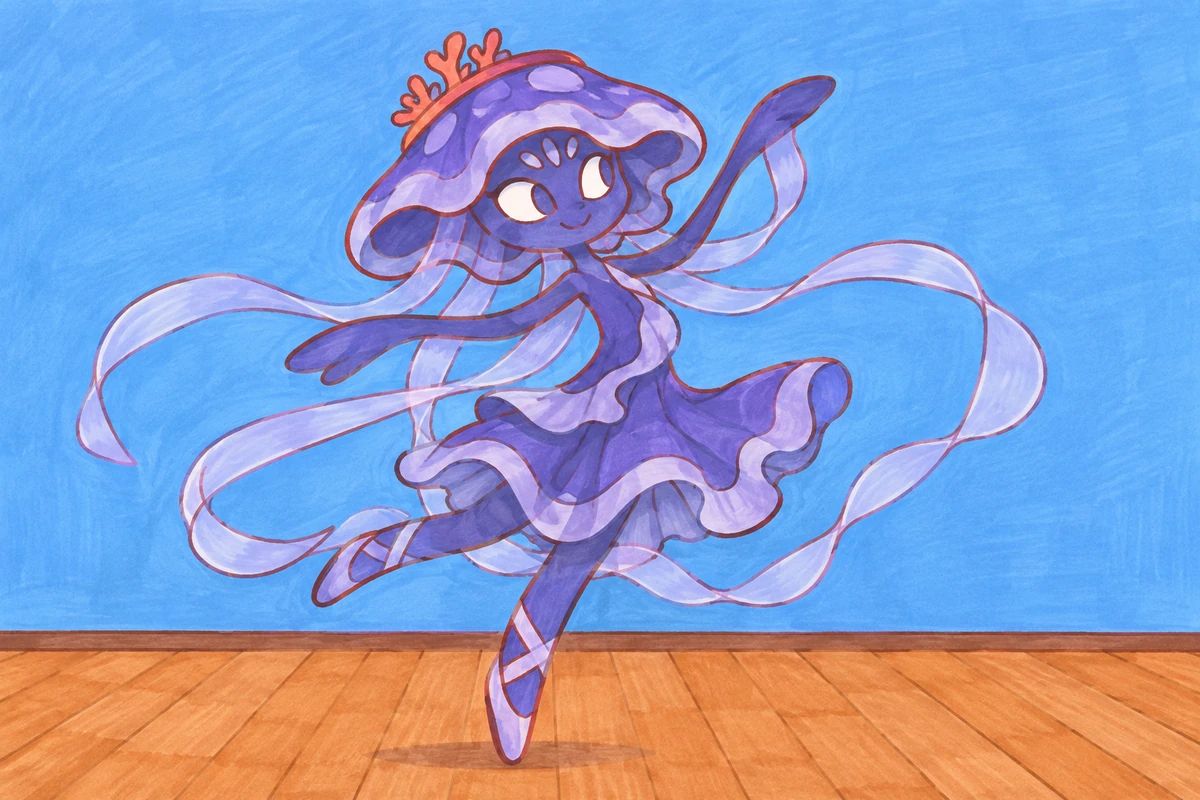
An indigo jellyfish dancer turns through a plain blue rehearsal room, tentacles streaming.

0404

Everyday Scenes for Fish People

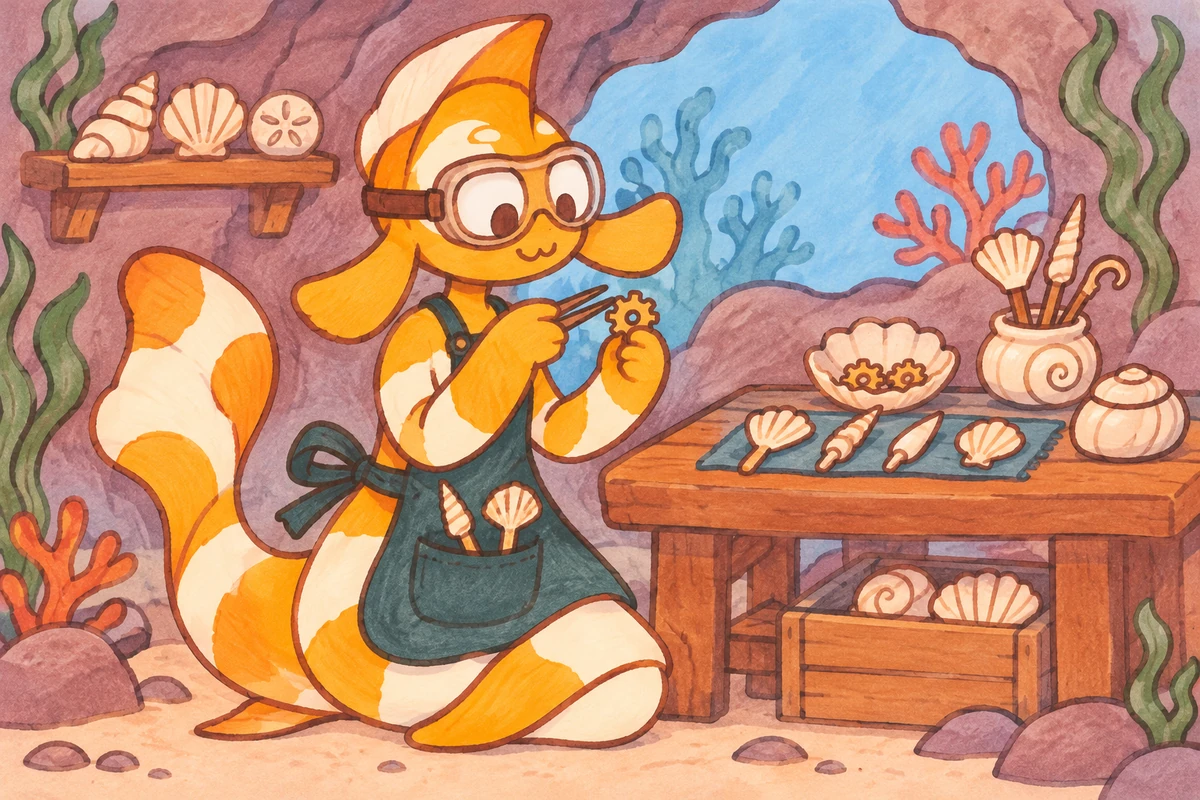
A pottery table or rehearsal room can make a fish character feel occupied rather than posed for display. Scene-led images place hands, fins, and everyday objects in one composition, giving fan artists a reference for how an aquatic silhouette moves through a familiar activity.

A gold koi mechanic adjusts a tiny gear in a tidy reef workshop.

More Room for Gills, Scales, and Tails

Supplementary visual studies address the parts that aquatic anatomy makes tricky.

  • 01

    Clear Gill Placement

    Create side-lit cheek and neck views that leave space to see where gills sit beside the face.

  • 02

    Tail-Friendly Framing

    Get wider compositions that keep a long tail fin inside the picture instead of cutting off its tips.

  • 03

    Scale Pattern Accents

    Generate small patches of scales that add surface detail without burying the face under dense texture.

  • 04

    Dry-Land Color Study

    Produce neutral-light images for comparing a fish palette without a blue underwater tint changing every hue.

  • 05

    Accessory Separation

    Maintain visible gaps between glasses, cheek fins, and earrings so the face has fewer overlapping parts.

  • 06

    Hand Reference Ideas

    Create simple open-hand poses for drawing studies when a finned wrist makes a complicated gesture hard to read.

Frequently Asked Questions

Fish-Person Image Questions

What Is Someone Fishy OC Maker?

It generates illustrated anthropomorphic fish character concepts for fan-design exploration. Someone Fishy is a creator-led animation subject featuring fish people; this page focuses on new character images, not scripts, animation episodes, or canon additions.

How Do I Use Someone Fishy OC Maker?

Write the fish species, upright body shape, fin placement, and outfit fit, then add an expression or activity. Generate an image and refine any fused fins or blocked tail opening before expanding the scene.

Is Someone Fishy OC Maker Free to Try?

The platform has token-based generation, a free tier, and paid options. Consult current pricing and your account for available access; a free tier does not establish unlimited use of this particular character direction.

Can I Use Fish-Person Fan Art in a Paid Comic?

Review current OCMaker AI terms and the rights in both your inputs and output. Someone Fishy cast designs and creator artwork remain separate third-party concerns; a paid comic needs a rights review rather than an assumed fan-art license.

Does Someone Fishy OC Base Mean an Editable Drawing Base?

Here the result is a generated image reference, not a layered drawing base with removable parts. You can study its silhouette for your own drawing, but no editable base file or ready-made body template is promised.

Is Someone Fishy OC Maker Picrew Connected to a Picrew Creator?

No Picrew integration is provided or verified for this page. If you want a specific Picrew maker, use its own creator page and usage rules. This workflow generates image concepts rather than selecting parts from that maker.

Is This for the Animation Fandom or Any Random Fish?

The page is aimed at the anthropomorphic fish fan-design intent associated with Someone Fishy. A freshwater, reef, or deep-sea species can be a starting point, but no generated design is presented as part of the creator's canon.

Why Does My Upright Fish Turn Into a Mermaid?

Tail-only wording can suggest a mermaid body. State that the figure has two legs plus a separate rear tail fin, then describe where that fin attaches. Remove mermaid, siren, and fishtail lower-body cues.

How Can a Jacket Avoid Swallowing the Dorsal Fin?

Specify a dorsal opening or sleeveless cropped garment with the fin visible above the back. A three-quarter rear view often makes the connection clearer than a frontal portrait.

Can Gill Marks Stay Separate From the Smile?

Place the gills behind the cheek or below the jaw and ask for a clean boundary around the mouth. If stripes merge with the grin, simplify the face markings before adding them back.

Will These Images Provide Animation Rigs for Fish Characters?

No rig, separated fin layers, or animation-ready mesh is promised. A generated pose can inform a drawing study, but an animator still needs to build and test a character rig separately.

How Do I Keep a Fan Tail From Becoming Hair?

Locate it at the back of the pelvis and describe a clear tail stem before the fin spreads. Keep head fins smaller, and use a side or three-quarter view so the two structures do not overlap.

Let the Fins Carry the Gesture

Generate a fish-person image where posture and aquatic anatomy express the same mood.

Someone Fishy OC Maker: Anthro Fish Character Art