Style*
Background
4tokens•~30s

TADC Character Maker

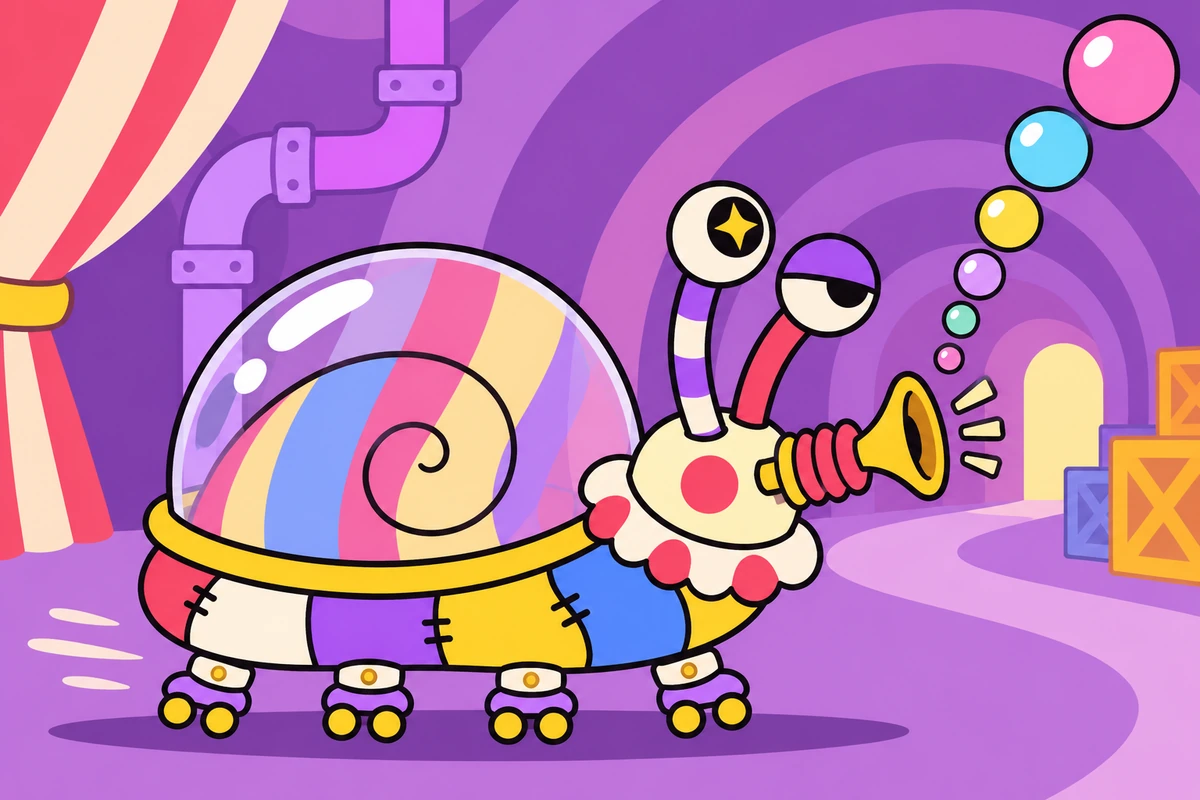
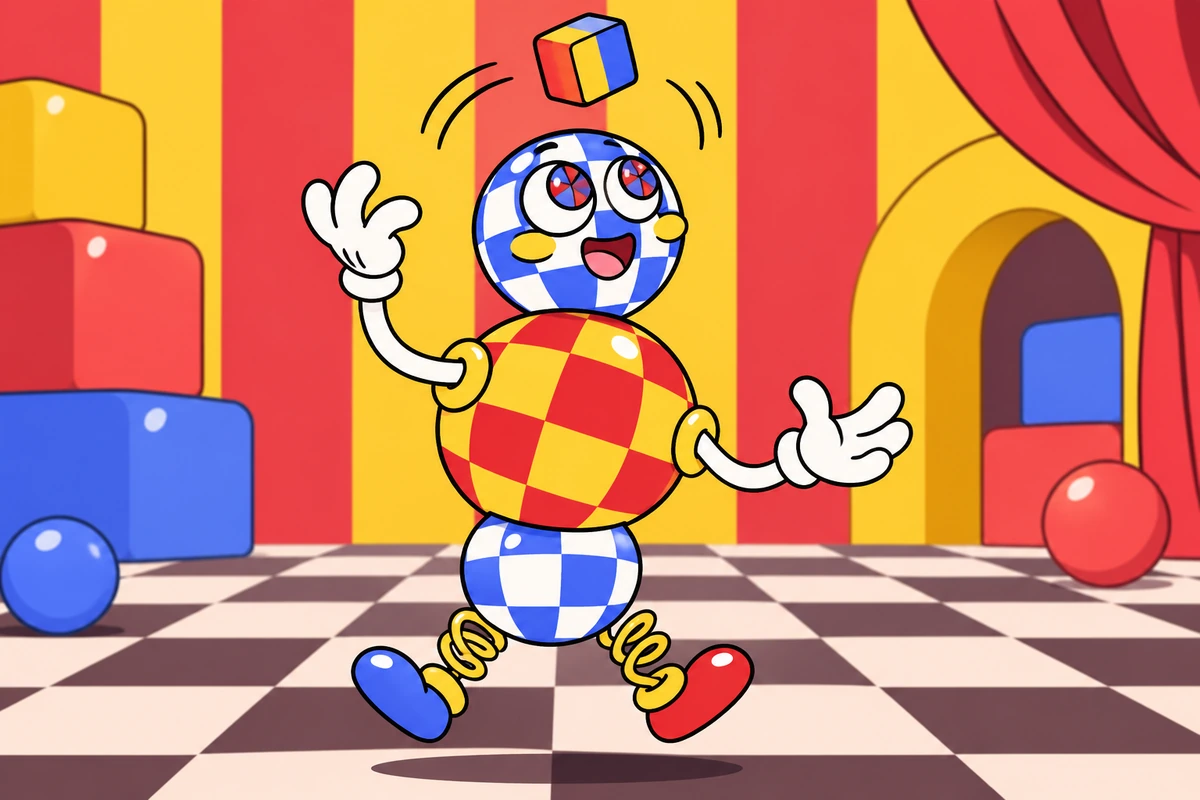
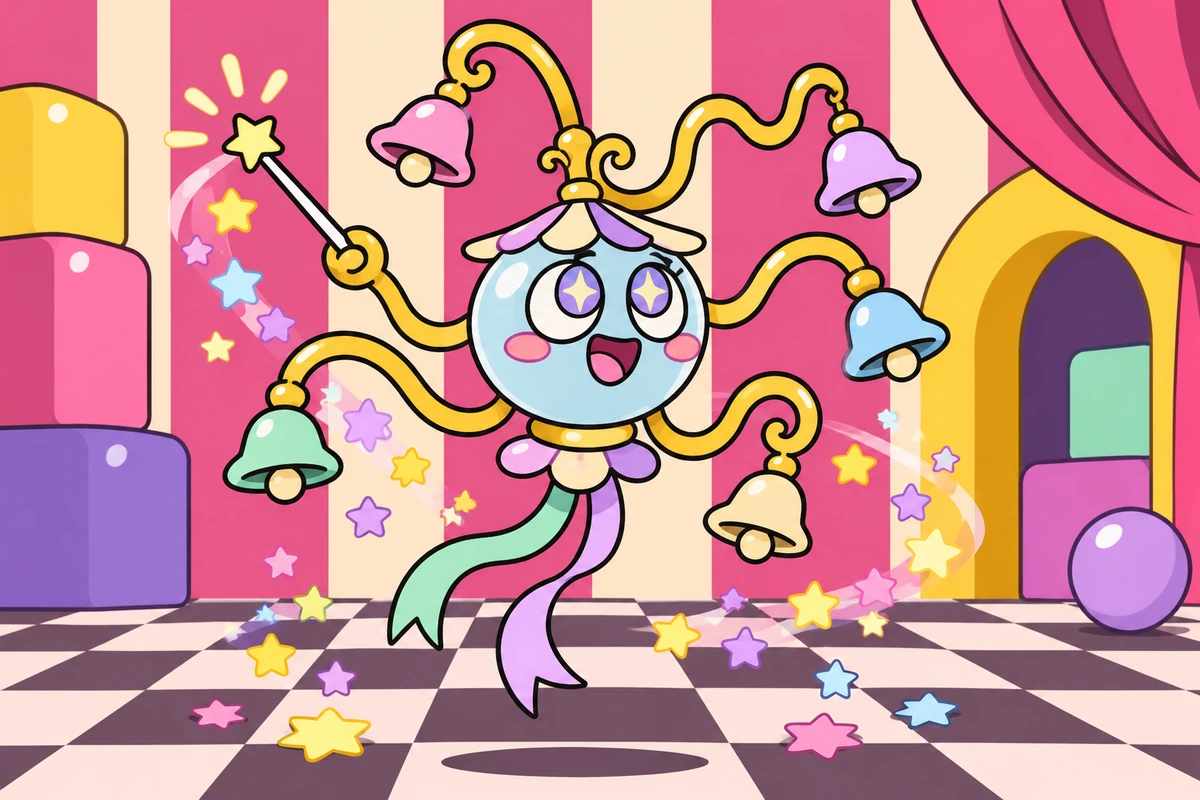
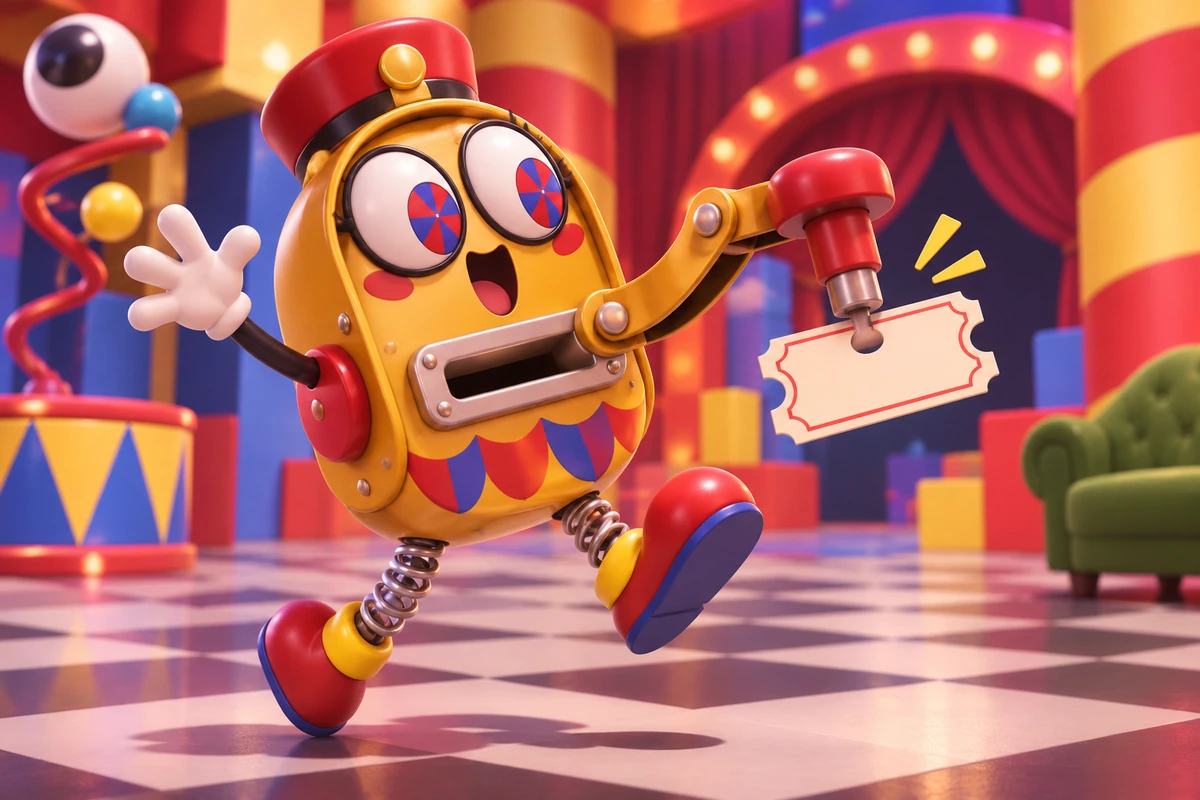
A circus performer can be a folded shape, a springy object, or something with no human outline at all. This TADC OC maker generates surreal 3D cartoon images for fans designing an abstract performer with a visual act of its own.

Hollow terracotta pebble performer balancing a brass disk above a turquoise band

A Cast That Changes Shape, Not Just Color

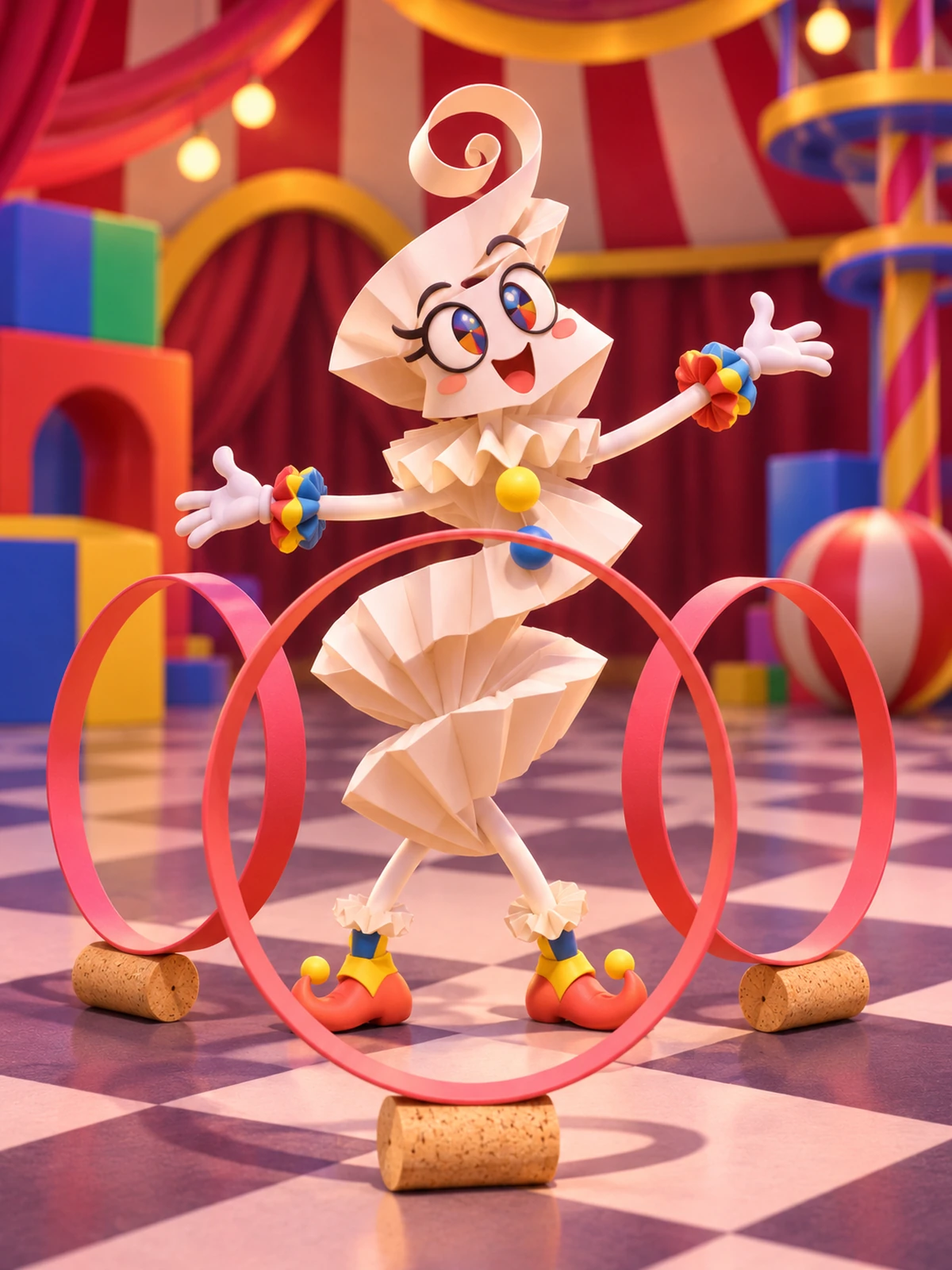
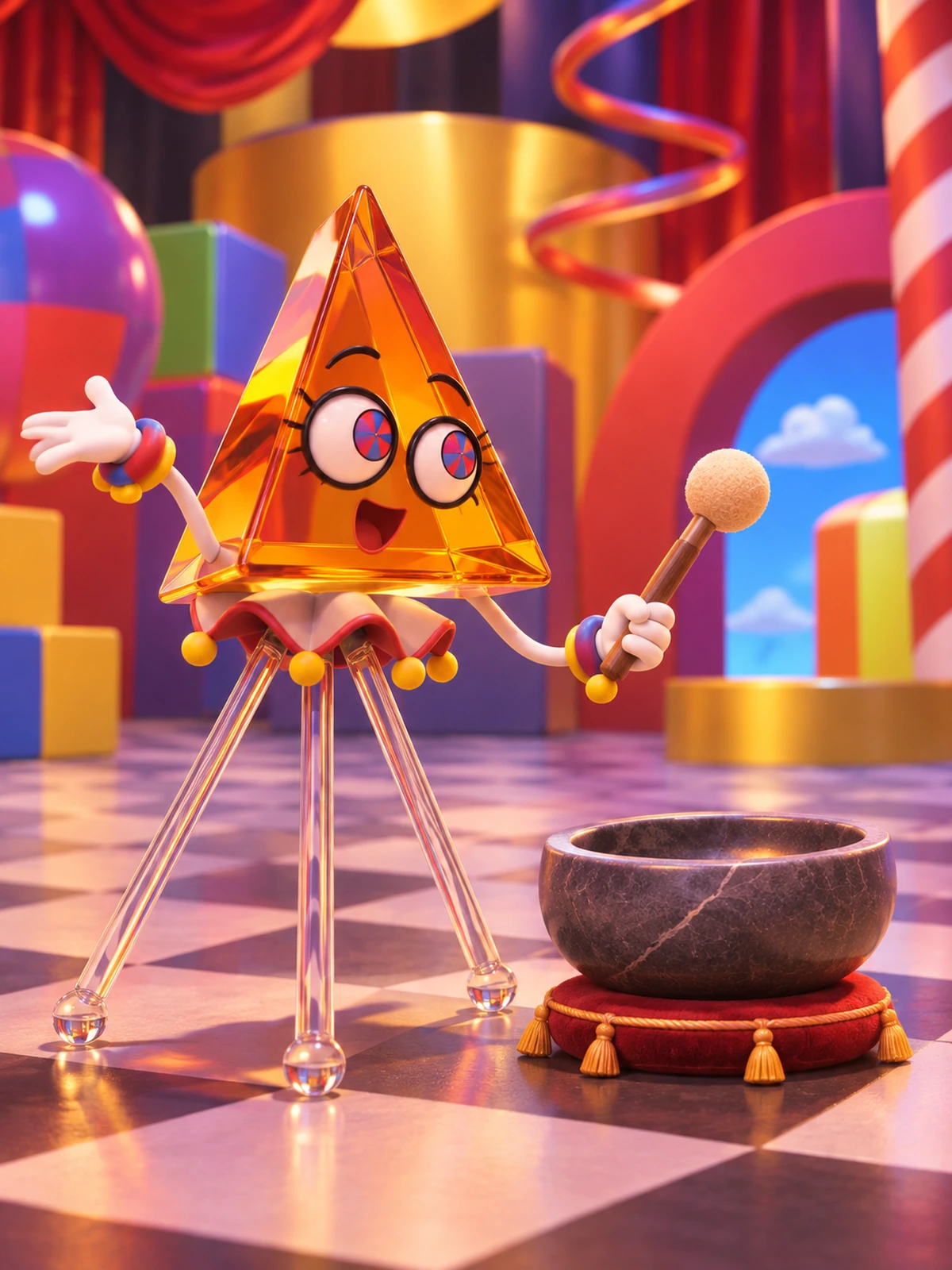
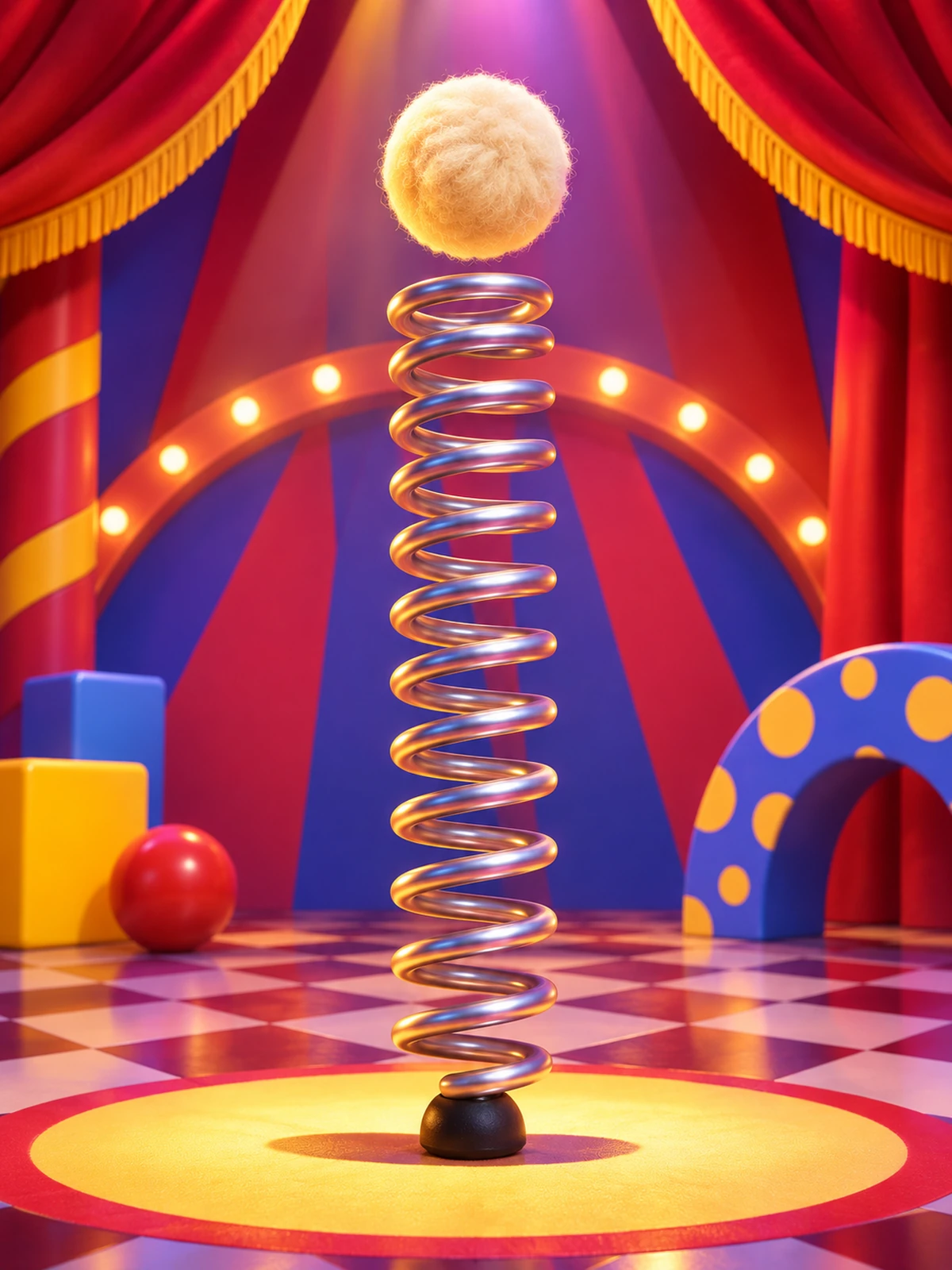
A hollow pebble, a paper spiral, and a glass tripod take different routes to a surreal circus performer.

  • Ivory paper spiral performer supporting coral hoops on cork rollers01

    Paper Spiral

  • Amber glass prism performer holding a mallet near a stone resonator bowl02

    Glass Tripod

  • Extended steel spring performer balancing on a rubber foot beneath a wool ball03

    Steel Coil

Give an Abstract Shape a Circus Act

  1. Reject the Human Outline First

    Name a core geometry and its support structure: a hollow pebble on two feet, a paper helix on rollers, or an offset arch. Specify a material and a performer occupation.

  2. Write One Visible Performance

    Describe a single prop interaction and an expressive change in posture. Ask for polished surreal 3D cartoon rendering and one environmental impossibility rather than a busy collection of tricks.

  3. Test the Silhouette Before Refining

    Generate the image and inspect the outer shape, contact points, and prop count. If it resembles a familiar cast member, change the geometry and support structure together before adjusting color or lighting.

TADC OC Maker For Surreal Stage Performers

Body geometry, surface behavior, performance, and spatial oddity give each generated image a different visual premise.

0104

TADC OC Generator For Abstract Bodies

Shape-led generation supports image concepts built around a body’s main shape rather than a human costume. A hollow oval, a walking helix, or an offset arch becomes a surreal performer image, useful for exploring a fan-cast silhouette that remains distinct even when its surface color is removed.
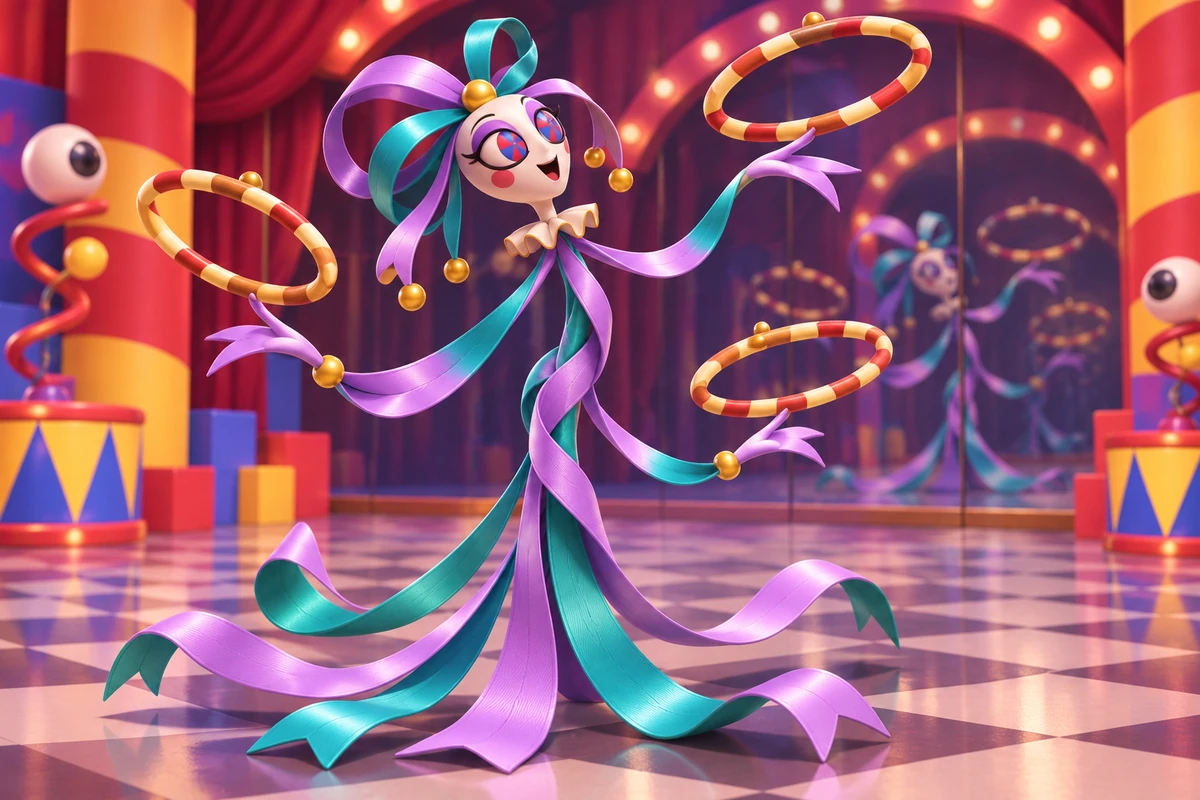
Wooden arch performer threading an indigo ribbon through its opening

0204

Materials Become the Act

Spring steel can visibly flex while translucent jelly catches stage light. The OC maker gives these material-led concepts a place in broader character exploration; the resulting 3D cartoon image can communicate a performer’s act through deformation and reflection instead of written explanations.

Translucent lime jelly performer supporting a plum cushion

0304

Expressions Without Familiar Faces

A surreal circus image can communicate uncertainty through a folded rim or confidence through an exaggerated lean. Unlike a flatter AI anime generator treatment, this page emphasizes rounded 3D cartoon volume, giving abstract performers an expressive pose without requiring a human face.

Ribbed pink felt crescent curling inward beside a teal floor brush

0404

Stages That Bend Spatial Rules

Impossible steps and suspended fabric paths can frame a performer without swallowing its body shape. A single surreal stage image places a clear act against one spatial oddity, useful as a fan-art scene where the strange environment supports the character instead of becoming visual noise.

Low cobalt hexagon performer touching a flat porcelain disk beside a floating-ended staircase

Small Visual Choices For An Unusual Cast

Supporting image choices for a stranger kind of stage presence.

  • 01

    Close Surface Studies

    Create a closer view of a selected body region to explore toy-like seams, frosting, or soft reflections without a labeled sheet.

  • 02

    Small Cast Icons

    Generate a centered solo composition with space around the outline, helping a strange body remain legible in a small crop.

  • 03

    Prop Proportions

    Produce a performer beside a simply shaped prop so its scale and handling style are visible within a single scene.

  • 04

    Mood Through Light

    Get cooler backstage or warmer ring-side illumination to suggest a change of mood without changing the performer’s geometry.

  • 05

    Restrained Glitches

    Create localized displaced shadows or floating surface fragments while keeping the body’s main structure visible.

  • 06

    Empty Stage Margin

    Generate extra breathing room around an act so appendages and prop movement do not collide with every image edge.

Frequently Asked Questions

Abstract Performer Design Questions

What Is TADC Character Maker?

It is an image tool for imagining abstract circus performers in a surreal 3D cartoon look. Text descriptions guide shape, material, stage action, and expression; the output is artwork, not a game avatar or a rigged 3D character.

How Do I Use the TADC OC Generator?

Name a nonhuman body shape, a material, and one visible circus act. Generate a single image, then revise the support structure or pose if the performer becomes too human or its prop merges with the body.

Is the Amazing Digital Circus Character Creator Free?

Check OCMaker AI’s current pricing and the credits shown for this tool before generating. Any trial or free access depends on the current offer and applicable limits, not a promise of unlimited circus artwork.

Can I Sell Prints of My Digital Circus Performer?

Review OCMaker AI’s current terms and rights to inputs and outputs. The Amazing Digital Circus cast likenesses, show branding, and recognizable character designs may involve third-party rights; generating fan art does not establish commercial permission.

Can the Amazing Digital Circus OC Maker Avoid Human Bodies?

Yes. Describe the overall geometry, where its weight rests, and how it handles a prop. A body made from a hollow stone or an offset arch gives clearer nonhuman direction than a human figure wearing an unusual costume.

Why Does My Shape Turn Into a Jester?

A circus brief filled with bells, split-color caps, and diamond suits can pull the image toward a familiar archetype. Remove that clothing language and replace it with an object-based body and a concrete act.

How Can a Faceless Performer Show Embarrassment?

Use a compressed posture, inward-turned supports, or a folded upper rim, with the prop held close. Body tension and staging can convey the emotion without adding a human face or a mask.

What Separates a Toy Material From Flat Plastic Color?

Toy-like material depends on volume and light: soft reflections on vinyl, subsurface glow in jelly, or brushed highlights on metal. Request one material behavior rather than treating every surface as equally glossy.

How Do I Stop Props From Becoming Extra Limbs?

State how the prop touches the body and leave a visible gap elsewhere. Reduce the number of props and request a less tangled pose; abstract appendages and curved tools can otherwise merge visually.

Can the Stage Be Impossible Without Becoming Chaotic?

Use one spatial rule break, such as a stair ending in open air, while the performer stands on a clear surface. Several competing distortions can obscure the act and make the body difficult to parse.

Does a 3D Cartoon Image Include a Model or Rig?

No. A dimensional-looking still image is not a mesh, skeletal rig, animation, or game-ready asset. Any later modeling work requires separate tools and additional decisions about the unseen sides of the design.

How Do I Make Two Object Performers Feel Like Different Cast Members?

Change the outer geometry, support count, material response, and act, not only the palette. A paper spiral balancing hoops and a glass tripod tuning a resonator should differ even as monochrome outlines.

Find the Performer Inside an Impossible Shape

Generate a TADC Character Maker image with a clear silhouette and one act that only this body could perform.

TADC Character Maker: Generate Surreal Circus OC Images