Dragon Quest OC Maker

An adventurer should look ready to leave town. Develop a fantasy companion whose vocation shows in the cut of the coat, the weight of the pack, and the tool carried closest to hand.

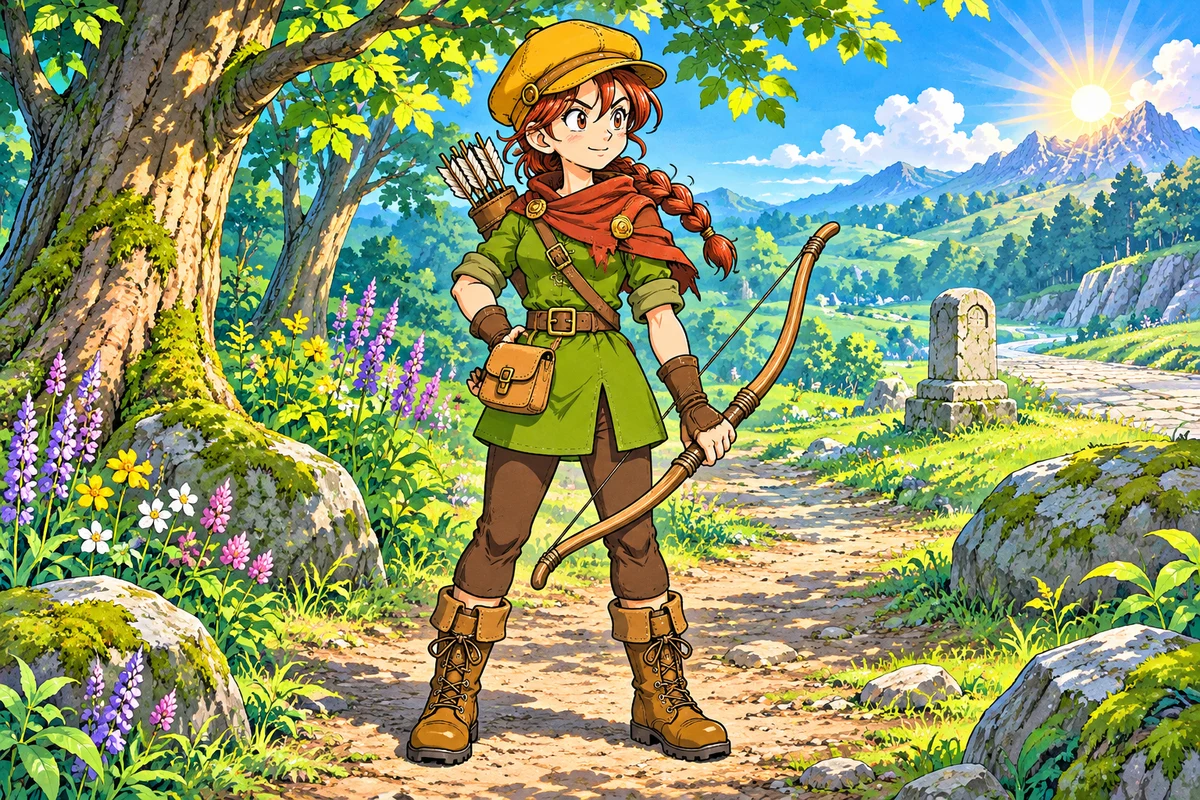
A forest ranger with an auburn braid, mustard cap, green tunic, and bow stands on a flower-lined woodland road.

At the First Crossroads

A lantern-bearing healer, a market-road merchant, and a cliffside martial artist offer three different ways to join the journey.

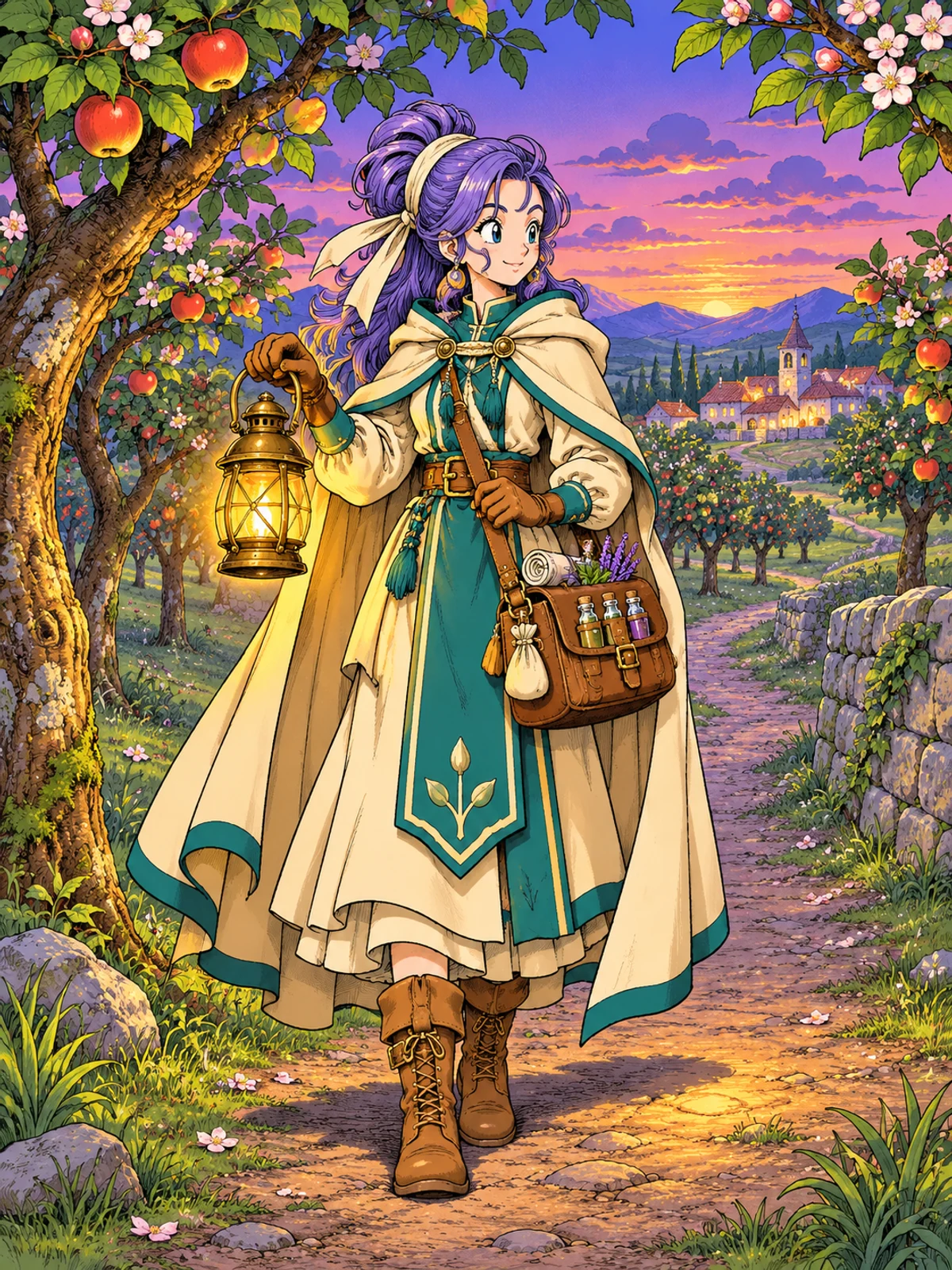
  • A purple-haired traveling healer in a cream-and-teal cloak carries a brass lantern along an orchard path at dusk.01

    Lantern Healer

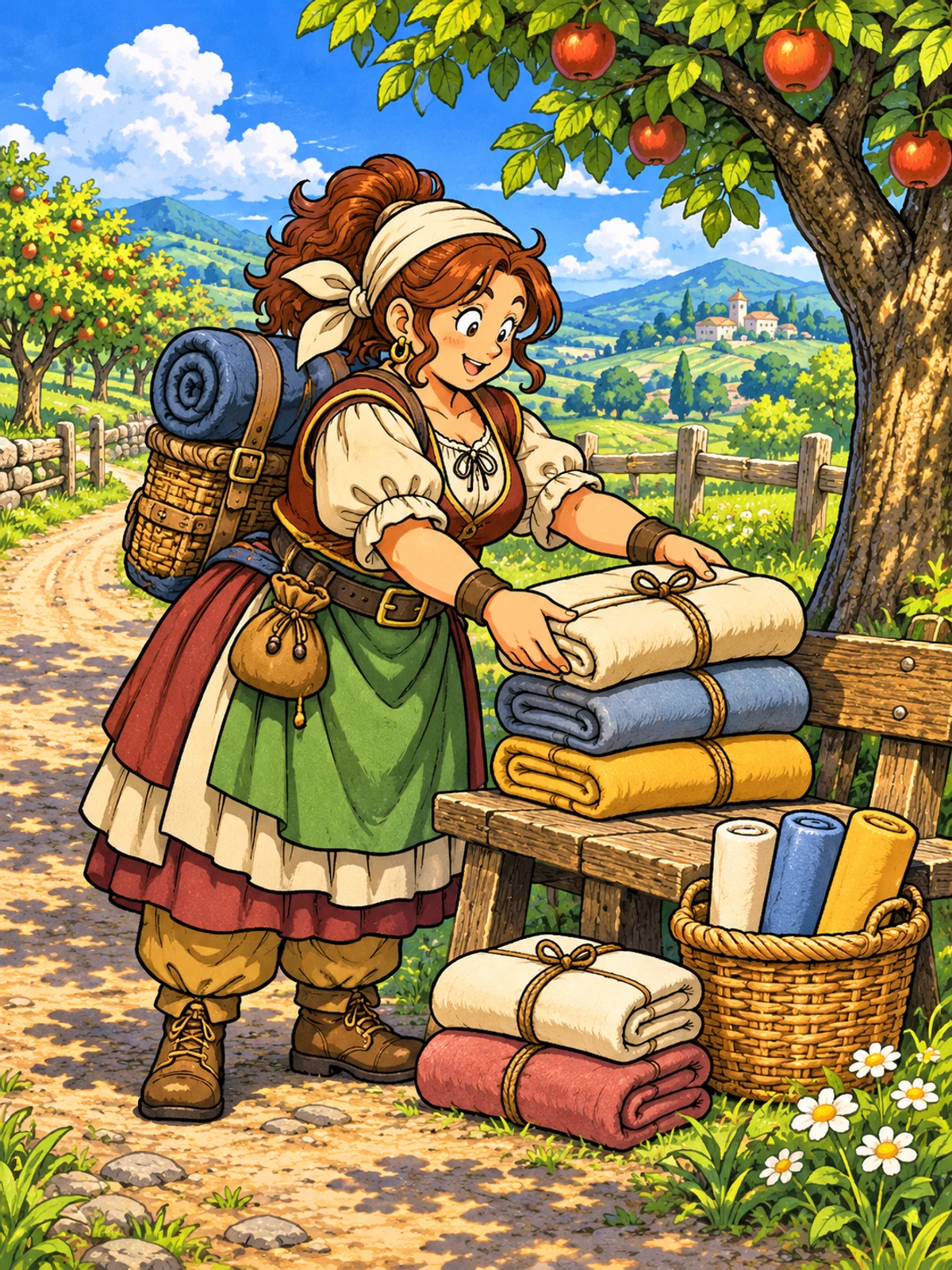
  • A traveling merchant arranges rolled cloth bundles beside a roadside bench under an apple tree.02

    Market-Road Merchant

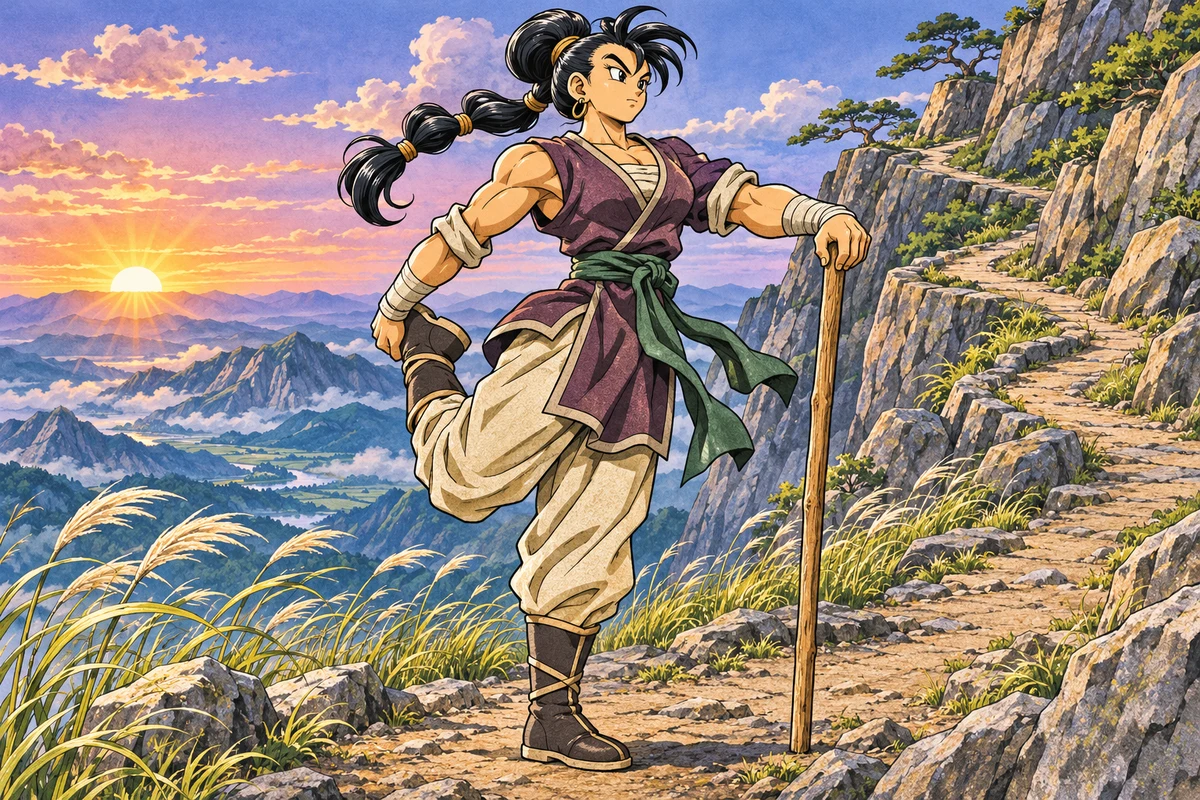
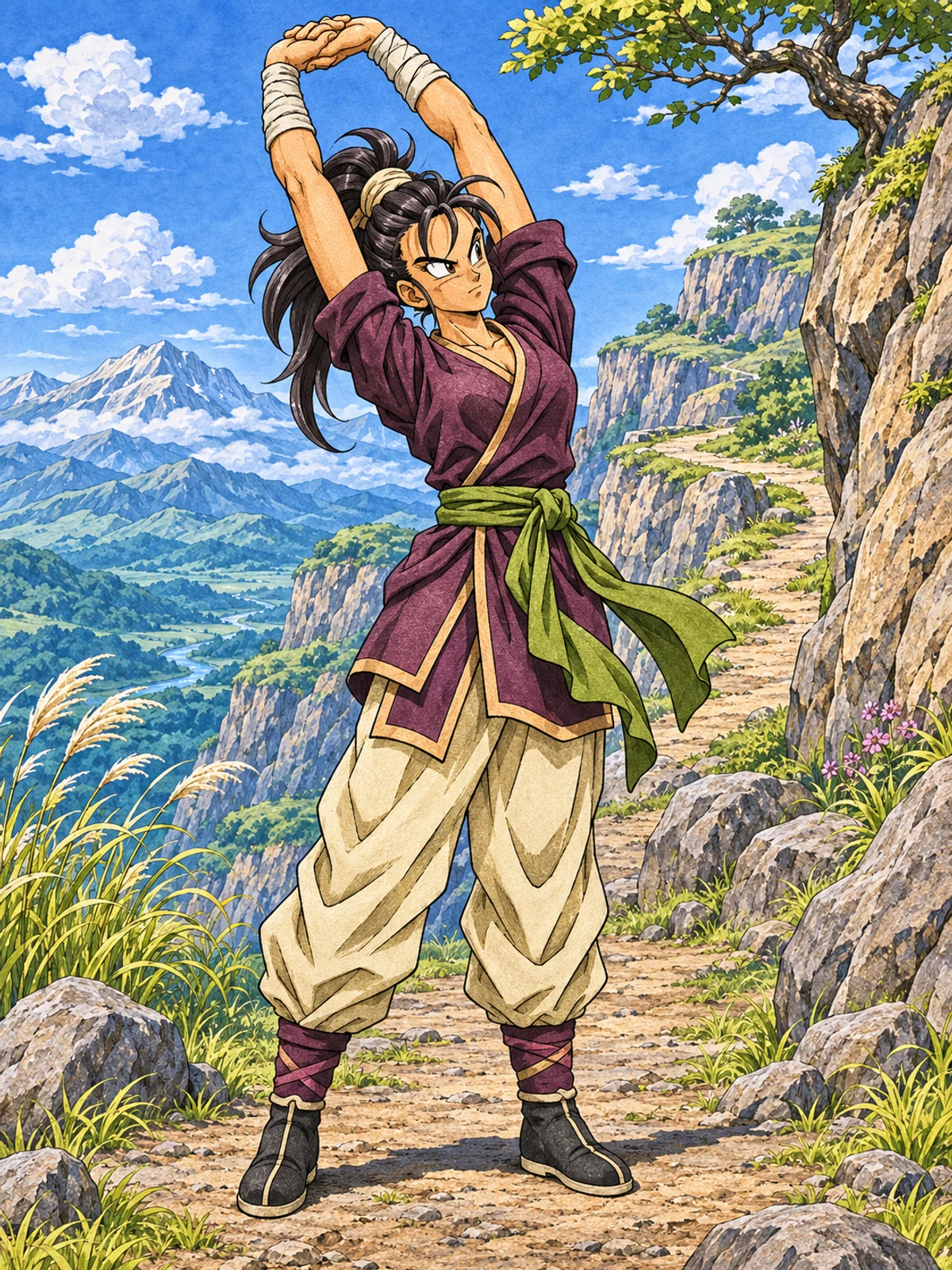
  • A martial artist in plum and cream training clothes stretches beside a winding mountain path.03

    Cliffside Martial Artist

Adventurer Vocations Made Visible Through Gear

From travel kit to party contrast, each direction gives a fantasy companion a reason to look the way they do.

0104

Vocations Read Through Equipment

A warrior and a mage should remain different even before their names are known. The AI anime generator can interpret vocation-led descriptions through armor weight, staff shape, and the balance of a travel pack, giving a new adventurer a useful role at first glance.
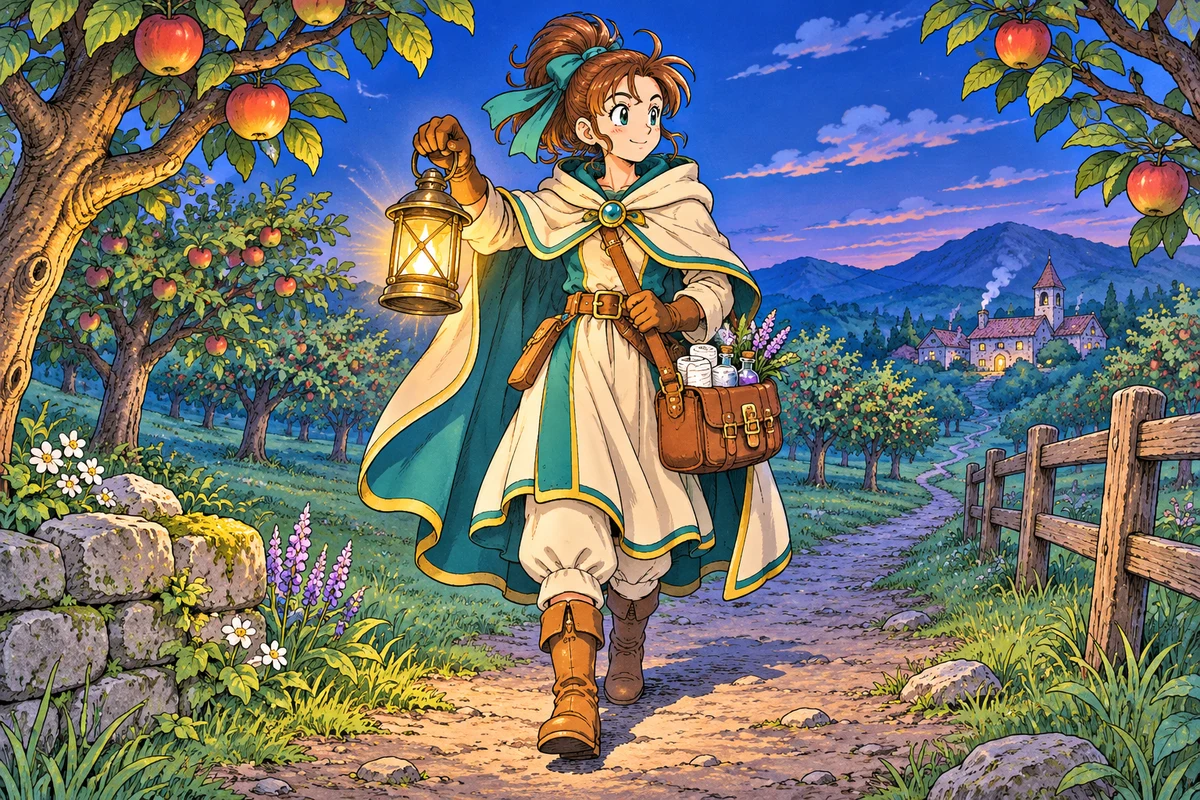
A brown-haired traveling healer in a cream-and-teal cloak carries a brass lantern along an orchard path at dusk.

0204

Travel Kits With Personality

A patched bedroll, weathered boots, and a carefully wrapped cooking pot can make the journey feel present in an adventurer design. Pack size, clothing wear, and everyday gear support a companion who looks prepared for the road, useful when developing a campaign introduction or an artist brief.

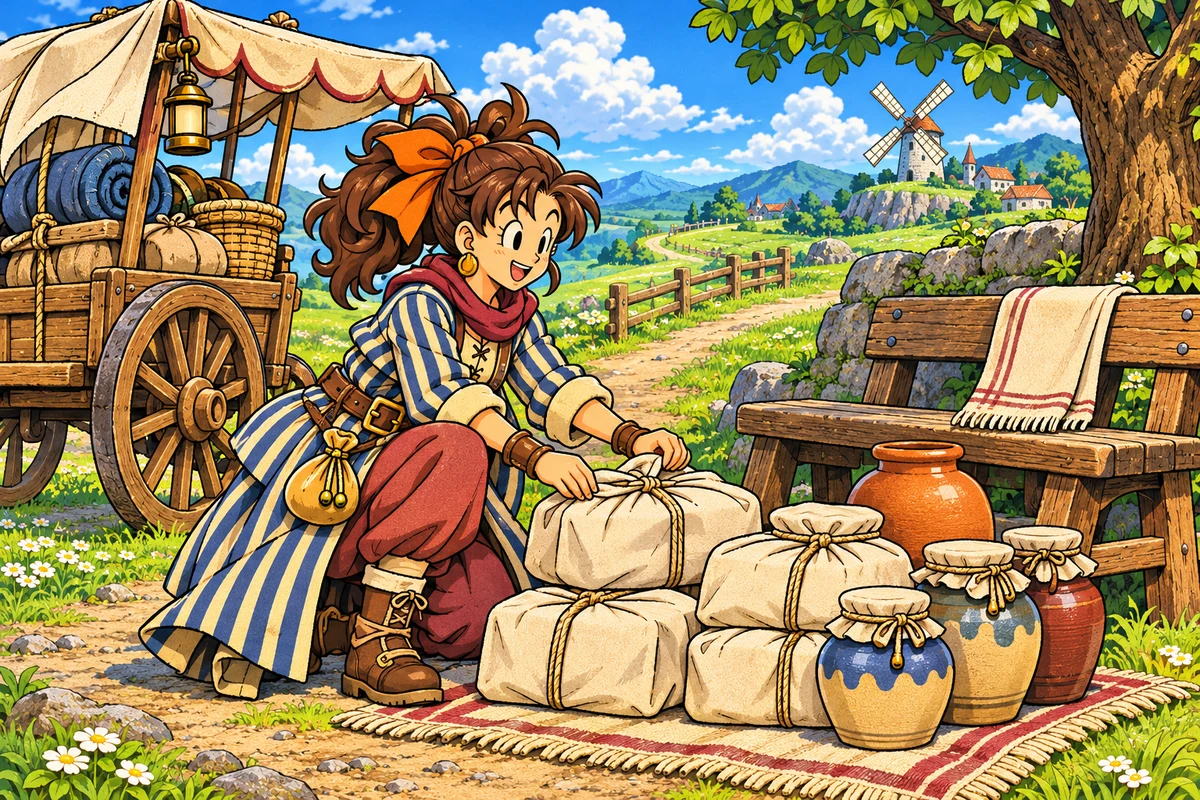
A cheerful traveling merchant displays a pouch beside jars and cloth-covered bundles on a sunny road.

0304

Companions With Contrasting Shapes

A broad shield bearer and a narrow-robed scholar offer different rhythms in a party concept. Within the OC maker, contrasting silhouettes and separate accent colors help distinguish companions, so a small group can feel varied without depending on identical coats or numbered labels.

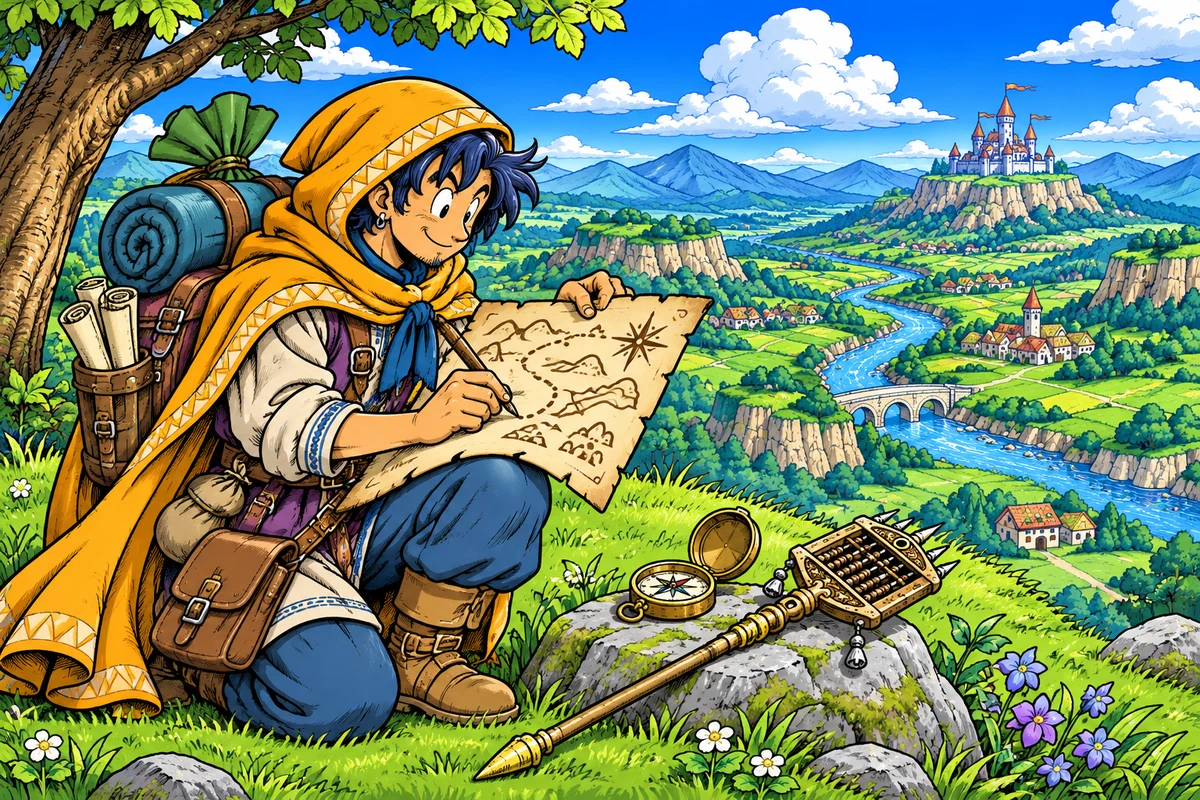
A hooded cartographer studies a map while seated above a green valley.

0404

A Vocation Change in Costume

An adventurer moving from a light scouting outfit toward heavier protection can retain a familiar scarf or hair shape. Alternative clothing descriptions support a visual comparison of that change, providing reference material for a personal journey concept rather than a calculated in-game build.

A martial artist in plum training clothes stretches beside a mountain path with a wooden staff.

Extra Character Beyond the Vocation

Additional details give the concept more presence without crowding its central idea.

  • 01

    Friendly Portraits

    Create a welcoming grin or thoughtful glance suited to a companion introduction rather than a battle screen.

  • 02

    Readable Hand Props

    Get an isolated lantern, pouch, or herb bundle with room around the hand for closer visual study.

  • 03

    Regional Weather

    Generate a dusty road or mountain chill that gives travel clothing context without naming a canon kingdom.

  • 04

    Town-Day Outfits

    Produce a relaxed market outfit that shows how an adventurer might look between expeditions.

  • 05

    Colorful Spell Accents

    Create restrained magic light around a staff tip while keeping the face and clothing colors visible.

  • 06

    Scale-Friendly Framing

    Maintain a clear head-to-boot composition for comparing the overall proportions of an adventuring design.

From Vocation to Traveling Companion

Work from the defining choice toward the details that need a second look.

  1. Put a Vocation on the Road

    Name the companion’s vocation and the journey ahead: a mage crossing windy uplands, for example. Specify a build and the single item that should identify the role.

  2. Pack Only What Matters

    Add a coat, boots, and two travel objects with exact positions. Keep the main tool separate from the pack; describe a plain backdrop if the equipment is the priority.

  3. Test the Departure Look

    Generate the adventurer and check whether the vocation is apparent without a caption. Remove competing props, correct fused straps, and adjust the pose before adding a busier setting.

Frequently Asked Questions

Dragon Quest OC Maker Questions

What Is the Dragon Quest OC Maker?

This page helps you develop a Dragon Quest OC as a fantasy adventurer concept. Vocation, costume, travel gear, and expression guide the result; it is not the character-creation system inside a Dragon Quest game.

How Do I Use It to Design an Adventurer?

Give the character a vocation and a clear travel situation, then describe the equipment that makes that role visible. Generate a version and refine whichever detail is hardest to read, such as the staff, pack, or shield position.

Does a Dragon Quest OC Cost Credits?

OCMaker AI describes a limited free trial and paid credit plans. The amount used depends on the model and settings, so check your account and the current generation cost. No unlimited free access to this maker is promised.

Could I Publish My Adventurer in a Paid Campaign?

Review OCMaker AI’s current terms, your subscription, and the rights in the design before paid publication. A plan’s commercial-use language does not grant rights to Dragon Quest monsters, emblems, named characters, or copied costume designs. Keep those separate from your own adventurer.

Must My Mage Wear a Pointed Hat?

No. A staff, layered robe, and carefully placed supplies can communicate a mage without that silhouette. A hood, soft cap, or uncovered hair can give your adventurer another direction while leaving the vocation legible.

How Do I Show a Priest Without Copying a Known Outfit?

Use a traveler’s cloak, a simple medicine pouch, and a calm supportive pose. Replace recognizable religious marks with an invented geometric fastening, and describe your own arrangement of fabric panels rather than naming a cast member.

Why Does the Merchant Look Like a Soldier?

Heavy armor, drawn swords, and defensive poses tend to dominate softer trade cues. Remove those instructions, then emphasize wrapped goods, practical walking clothes, and a relaxed roadside stance with the hands away from weapons.

Can I Compare a Thief and Warrior Version of One Adventurer?

You can request separate costume concepts while repeating identifying appearance notes. For the thief, emphasize light travel layers and accessible pouches; for the warrior, change weight and protective coverage. Facial and accessory matches may need revision between attempts.

How Large Should an Adventurer’s Travel Pack Be?

Keep its top below the head and describe where it sits against the shoulders. An oversized pack may swallow the silhouette or merge with a cape. Fewer attached objects usually make the straps and tool placement easier to judge.

Can a Two-Person Party Avoid Matching Costumes?

Give the pair different body proportions, hem lengths, and dominant gear shapes. Place each companion on a named side of the scene. If their packs or weapons merge, develop them separately before trying the shared composition again.

Does This Create a Build I Can Import Into Dragon Quest III?

No. The output is a character concept, not a save file, stat allocation, equipment database, or game-ready model. Vocation references describe an adventurer’s visible role and do not validate a legal or optimized game build.

What If My Fantasy Companion Looks Like a Famous Hero?

Replace the combined silhouette: hair shape, headwear, tunic length, and signature accessory should change together. A new palette alone may leave the resemblance intact. Ask for a different travel role and less familiar equipment arrangement.

Make Someone Worth Meeting at the Crossroads

Give the next traveling companion a vocation you can see and a road-ready look you want to follow.

Dragon Quest OC Maker: Adventurer Vocations and Gear