Style*
Background
4tokens•~30s

OC character sheet

Turn a scattered character idea into a structured profile with appearance anchors, personality, motives, relationships, abilities, limits, and visual references. Build a reusable sheet for writing, roleplay, commissions, comics, games, and consistent image generation.

OC character sheet

Character Sheet Formats for Different Projects

Choose a compact profile, a visual reference layout, or a story-focused dossier based on how you plan to use the character.

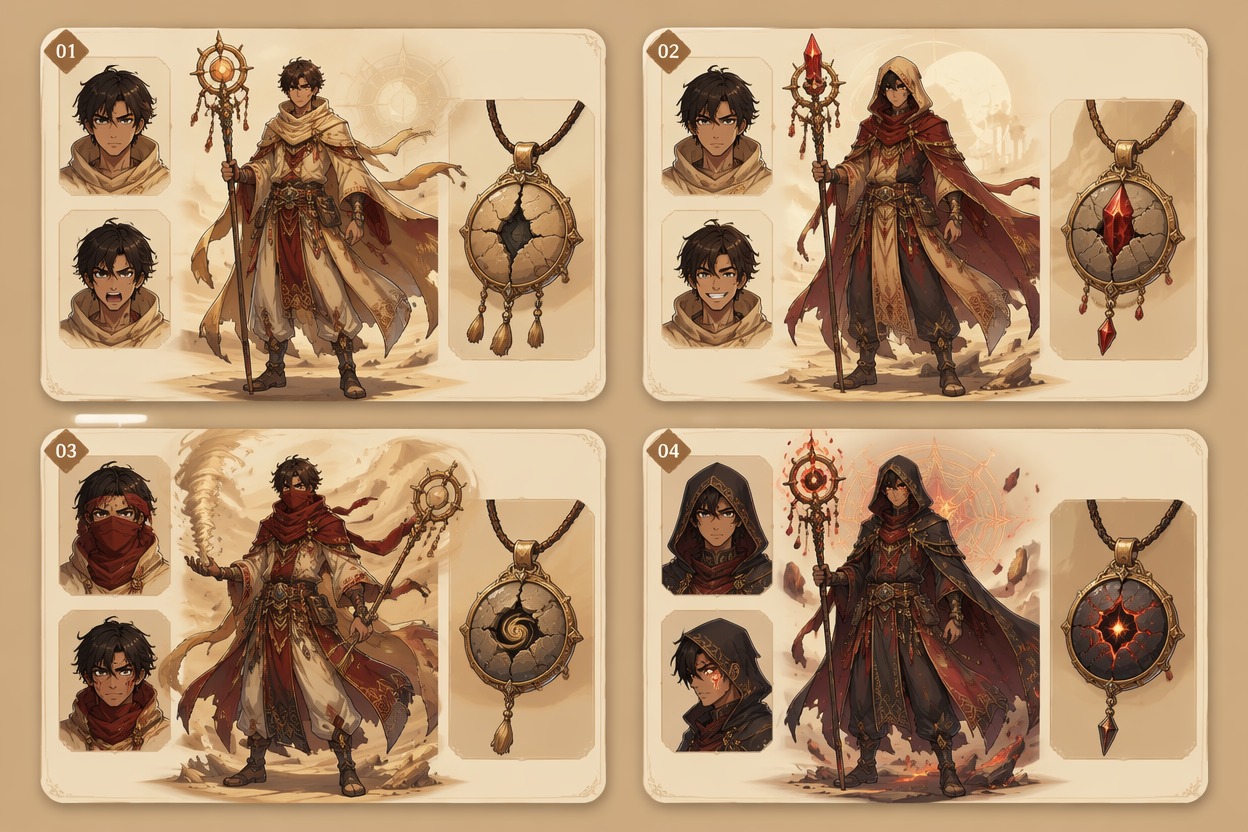
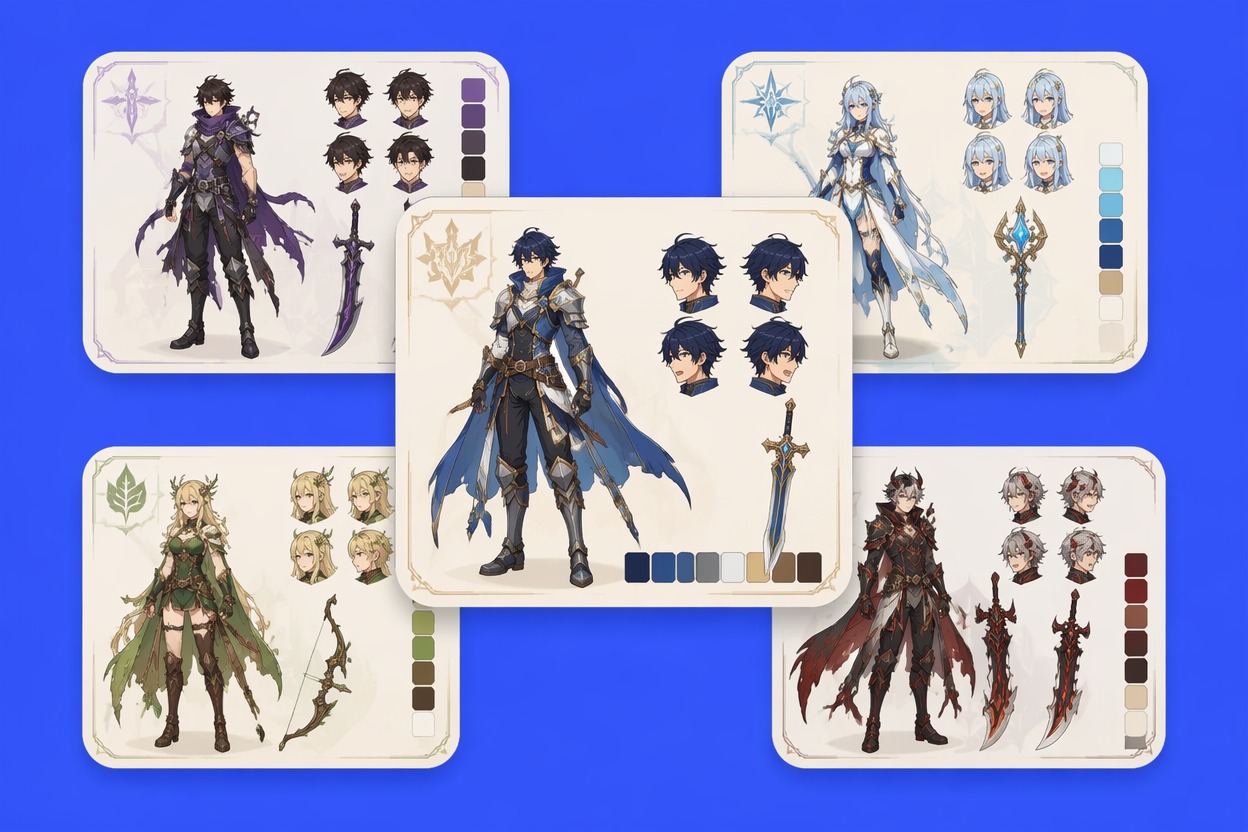
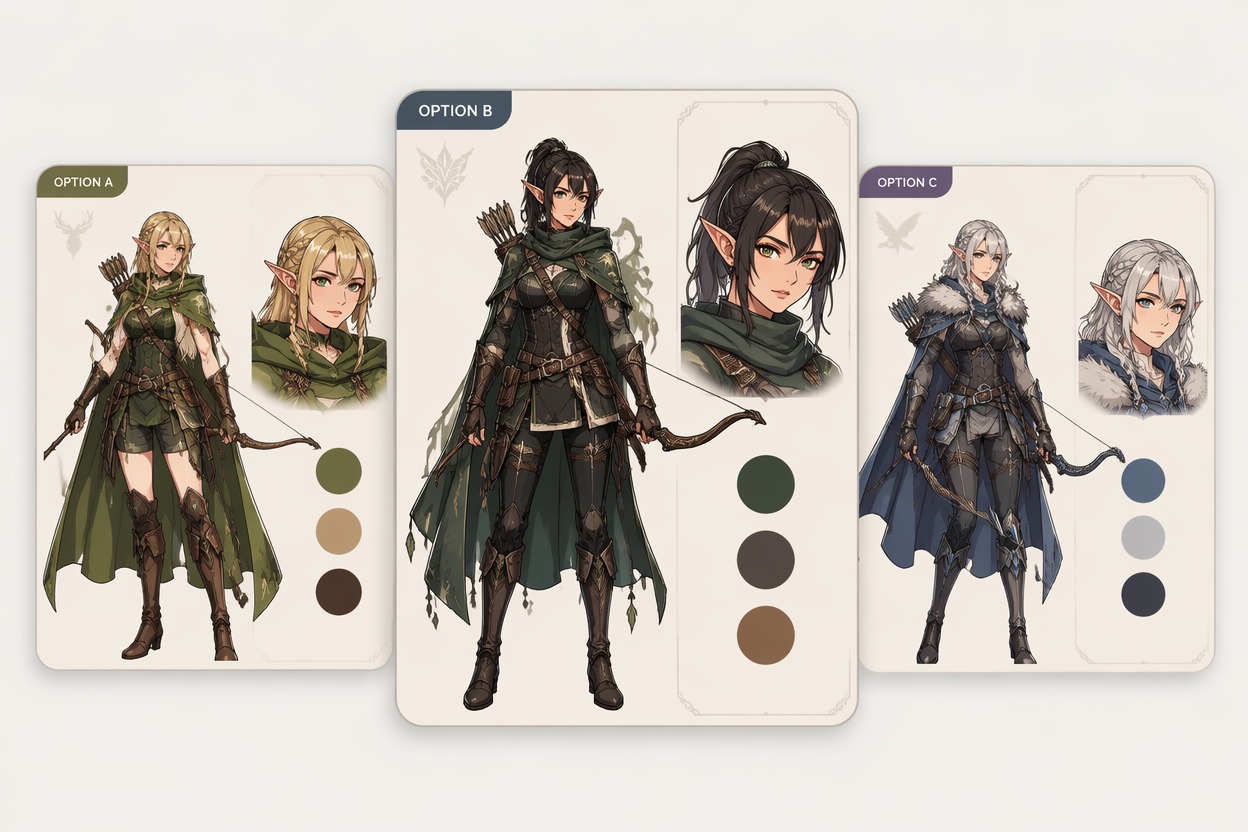
  • Compact Profile Sheet01

    Compact Profile Sheet

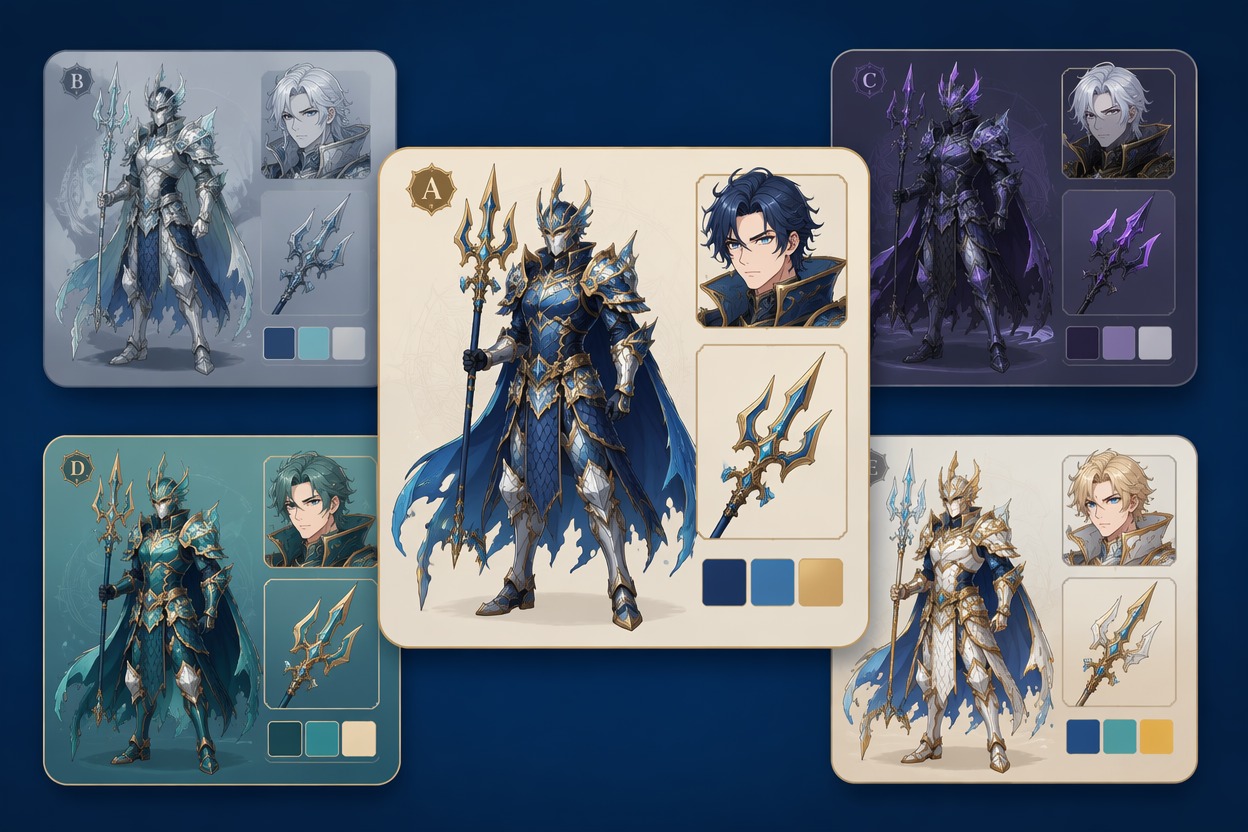
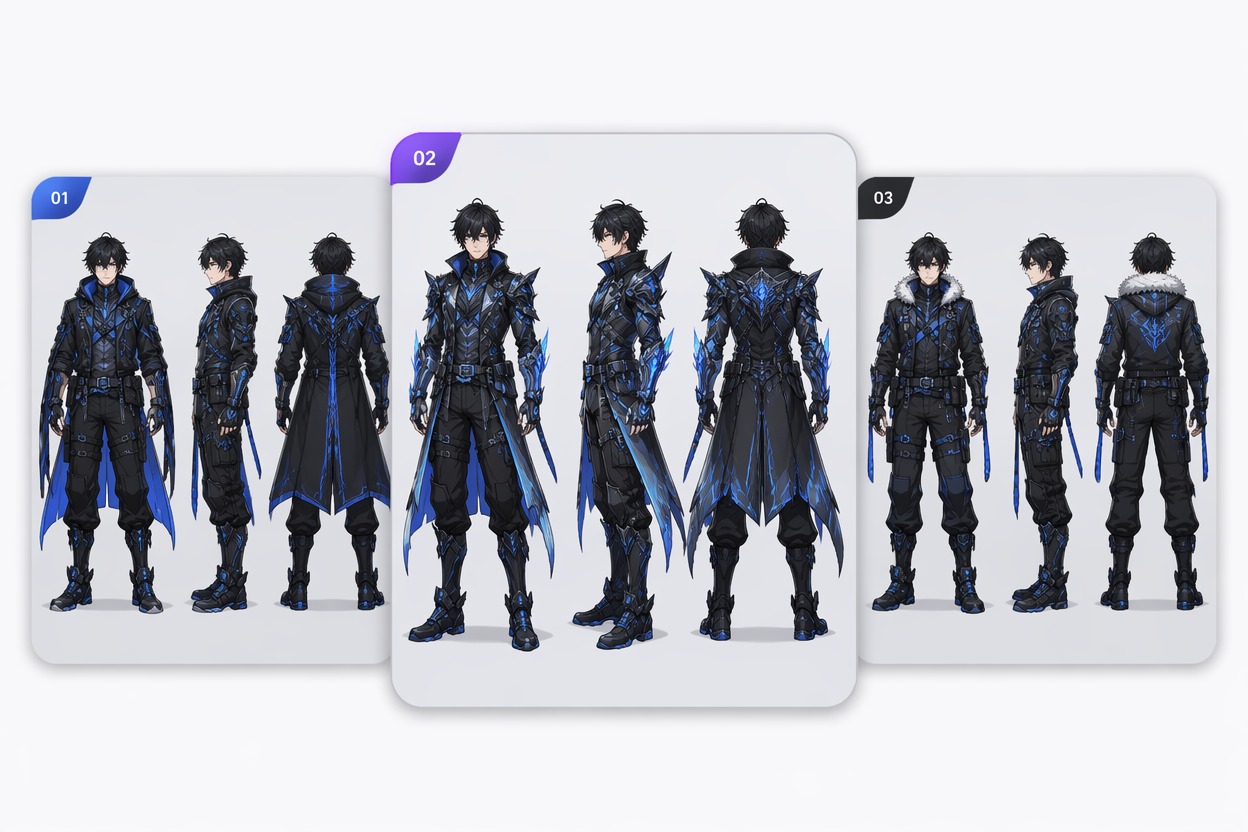
  • Visual Turnaround Reference02

    Visual Turnaround Reference

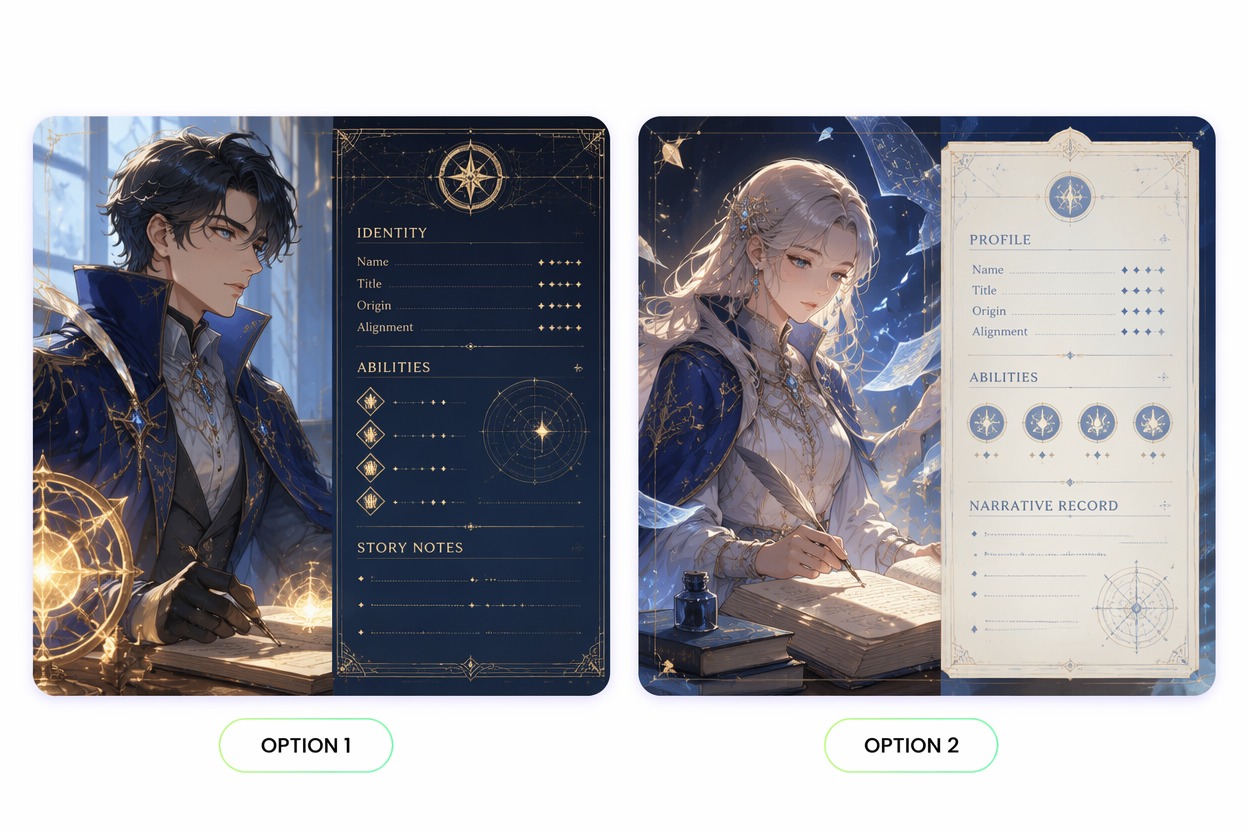
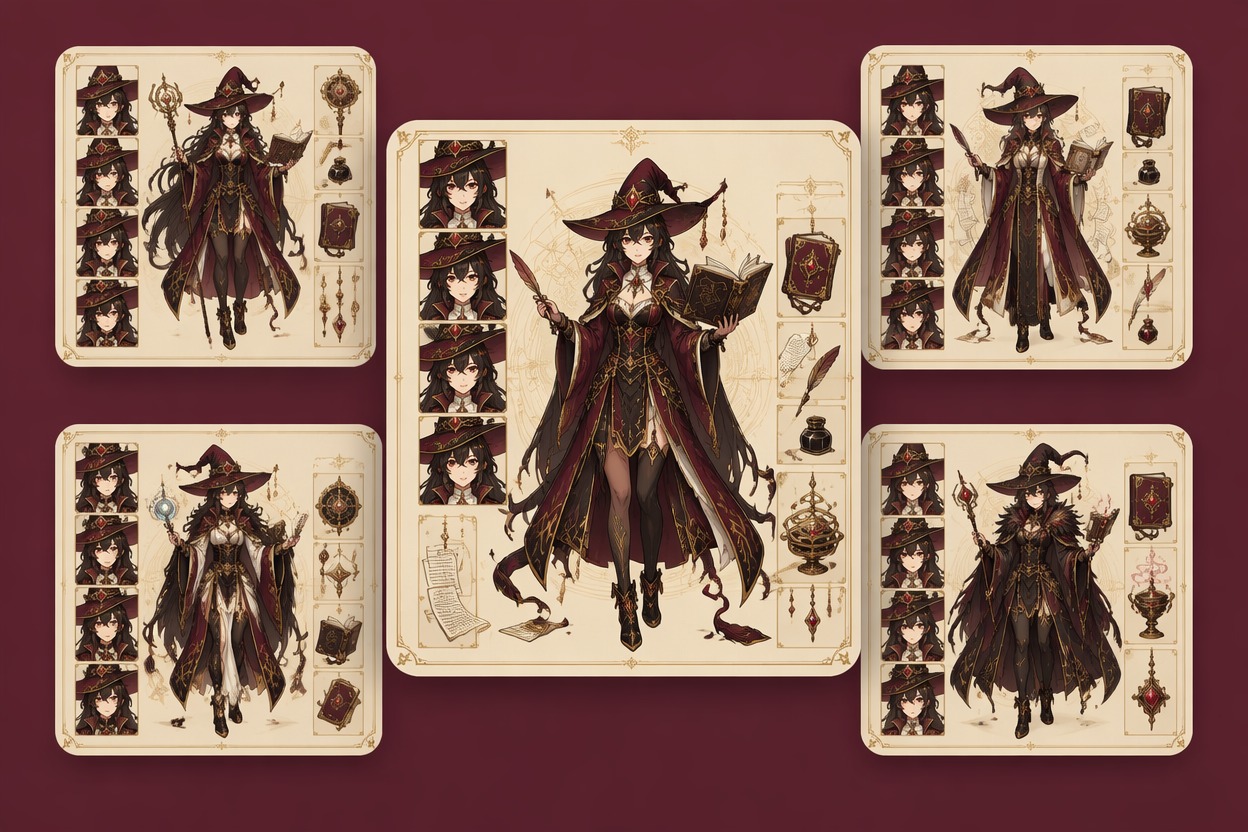
  • Story Character Dossier03

    Story Character Dossier

Turn Character Notes Into a Usable Reference System

Organize stable identity anchors, story logic, visual views, and project-specific details so the sheet remains useful after the first portrait.

0104

Organize Identity Without Losing Detail

Collect name, pronouns, role, species, age range, appearance, personality, motives, fears, habits, and core conflict in one hierarchy. The OC maker helps separate essential identity anchors from optional flavor, producing a profile that is easy to scan during writing, roleplay, commission feedback, or collaborative projects.
Organize Identity Without Losing Detail

0204

Build a Visual Continuity Guide

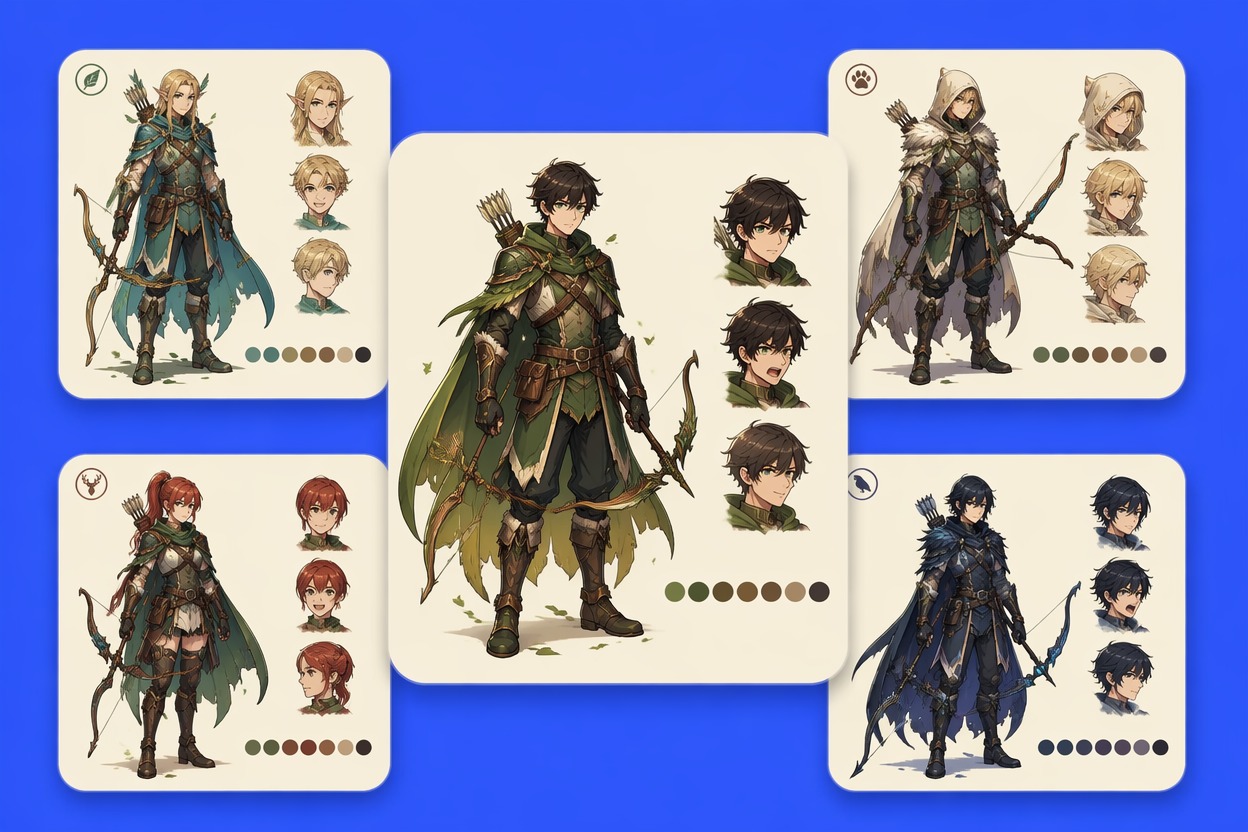
Define hairstyle, face shape, body type, outfit silhouette, palette, materials, markings, signature prop, and recurring expression. These stable fields give an OC character sheet maker enough structure to support later portraits, action scenes, seasonal outfits, artist commissions, or new character visuals created with a text-to-image generator without redesigning the character each time.

Build a Visual Continuity Guide

0304

Connect Backstory to Present Behavior

Turn biography notes into active character logic: formative event, current goal, obstacle, coping habit, relationship pattern, and decision under pressure. A strong OC character sheet template shows how history affects present scenes, making the sheet more useful for novels, campaigns, comics, games, and long-running roleplay.

Connect Backstory to Present Behavior

0404

Prepare Art-Ready Reference Views

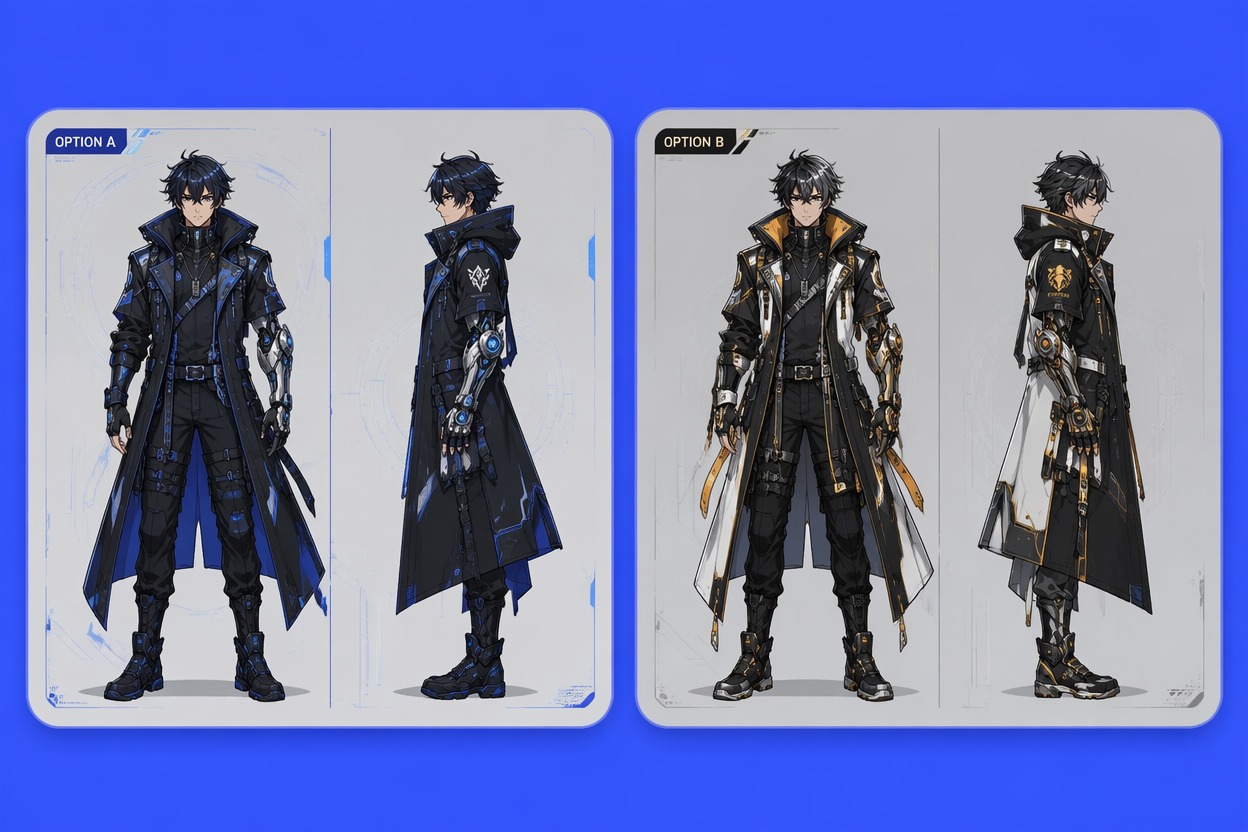
Translate the stable visual anchors into an AI anime generator brief for portrait, full-body, expression, and turnaround images. Review consistency in face, hairstyle, palette, outfit layers, and prop placement, then keep the clearest views together for artists, collaborators, or future generations.

Prepare Art-Ready Reference Views

Why Use an OC Character Sheet Maker

Keep appearance, story logic, relationships, abilities, and visual references organized for faster reuse and fewer continuity mistakes.

  • 01

    Scannable Character Profile

    Separate essential identity, appearance, personality, history, and project notes so collaborators can find details quickly.

  • 02

    Stable Visual Anchors

    Lock face, hair, body type, silhouette, palette, materials, markings, and signature props across future images.

  • 03

    Story-Useful Motivation

    Connect goals, fears, false beliefs, pressure responses, and conflicts instead of storing biography that never affects scenes.

  • 04

    Relationship Mapping

    Record what the OC wants from allies, rivals, family, mentors, teams, or factions and how those bonds can change.

  • 05

    Ability and Limit Balance

    Pair powers, skills, or resources with costs, conditions, weaknesses, and consequences that support believable conflict.

  • 06

    Commission-Ready References

    Combine full-body, portrait, expression, prop, color, and outfit notes into a clearer brief for artists or collaborators.

Explore More OC Creation Tools

Build a Complete OC Sheet in 3 Steps

  1. Capture the Character Core

    Enter the OC’s role, identity, personality contrast, current goal, main obstacle, and the conflict that makes them worth following.

  2. Lock Story and Visual Anchors

    Add appearance, outfit, palette, prop, backstory cause, relationships, abilities, limits, habits, and pressure response.

  3. Assemble the Reference Views

    Generate or attach a portrait, full-body view, expressions, colors, and key prop details, then remove fields the project will not use.

OC character sheet FAQ

What should an OC character sheet include?

Include identity, role, appearance, personality, motivation, fear, backstory, relationships, abilities, limitations, habits, and fixed visual anchors. Add portrait, full-body, expression, color, outfit, and prop references when the sheet will guide artwork. Keep optional trivia separate so the most useful details remain easy to scan.

How to make an OC character sheet without overloading it?

Start with the character core: role, goal, obstacle, personality contrast, and five visual anchors. Add only information that affects scenes, relationships, design consistency, or collaboration. Move deep history and trivia into notes rather than forcing every fact onto the main sheet. A concise sheet is easier to reuse and update.

Can I use this as an OC character sheet template?

Yes. Treat the output as a flexible template rather than a form where every field is mandatory. A writer may prioritize motives and relationships, while an artist needs silhouette, colors, materials, expressions, and props. Remove irrelevant fields and add project-specific sections for campaigns, games, comics, or commissions.

What visual references are most useful?

A full-body three-quarter view, a face close-up, two or three expressions, a small color palette, and a signature prop usually provide a strong foundation. Add front, side, or back views when outfit construction matters. Keep hairstyle, face, body type, palette, and outfit layers consistent across every reference.

How do I keep my OC consistent across images?

Reuse a short identity block containing face shape, hairstyle, body type, outfit silhouette, palette, markings, and signature prop. Change only one or two variables at a time, such as pose or background. Compare each result against the sheet and reject versions that alter important anchors without an intentional redesign.

Can I use a character sheet for writing and roleplay?

Yes. Include the current goal, fear, false belief, pressure response, relationship needs, secrets, and boundaries that affect decisions. These fields help writers and roleplayers choose believable actions during conflict. Add campaign or story-specific notes separately so the core character remains portable between projects.

Does OCMaker AI offer free credits?

OCMaker AI may offer free credits, trial access, or a limited allowance under current product rules. Additional credits or a paid plan may be required for multiple portraits, expressions, outfits, or turnaround images. Check the live app or pricing page before producing a large reference pack.

Can I use the sheet for commissions or commercial work?

You can use a sheet as a planning and communication aid, but commercial rights depend on OCMaker AI terms, source materials, contracts, and the originality of the character. Confirm the current license, obtain permission for uploaded references, avoid protected characters or logos, and agree with collaborators on ownership and permitted uses.

Build a Character Sheet You Will Reuse

Organize your OC’s identity, story logic, relationships, abilities, and visual anchors into one practical reference.

OC Character Sheet Generator: Profile and Reference Maker