

Style*
Background
4tokens•~30s

OC Description Generator

Put the character you picture into words. OCMaker AI writes appearance prose or a structured profile, with perspective and length controls for introductions, roleplay notes, and character references.

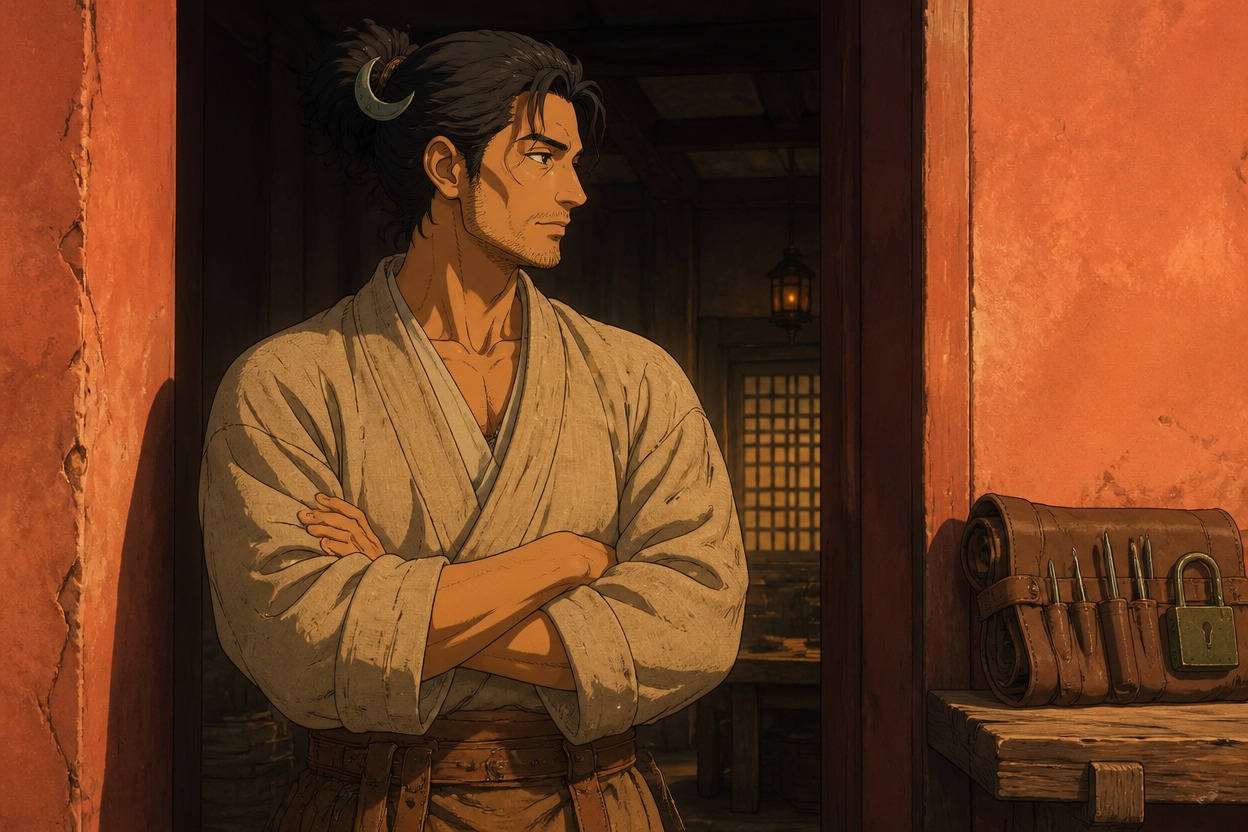
Anime locksmith in layered sand clothing with a crescent hair clasp at a terracotta doorway

Appearance Told Through Different Kinds of Detail

Illustrative concepts show how silhouette, material behavior, and sensory presence can guide a written introduction.

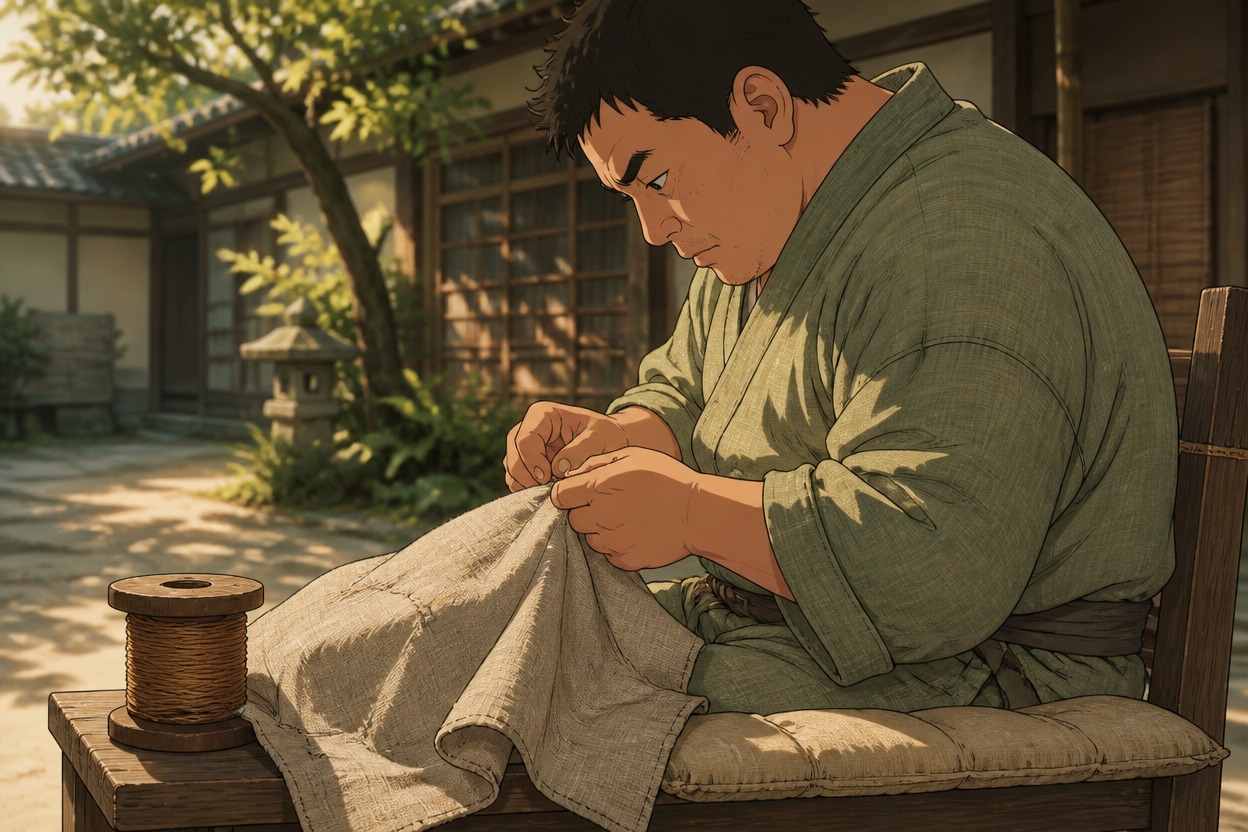
  • Anime textile mender in a sage smock with fabric on a courtyard bench01

    A Locksmith in Layered Linen

  • Anime traveler in a translucent rain mantle sheltering beneath a stone overhang02

    The Raincoat That Rustles

  • Anime glassblower in a navy shirt beside an amber glass sphere and brick furnace03

    A Glassblower’s Heat-Worn Cuffs

An OC Description Generator With a Point of View

Appearance prose and profiles give visible details a purpose, from a first entrance to a collaborator's reference.

0104

First Impressions in Written Form

The character description generator shapes silhouette, clothing, and distinguishing details into an introductory passage at the requested length. The resulting paragraph gives a reader a focused first impression, making an OC's arrival easier to place within a chapter or roleplay scene.

Anime older inn steward in a plum coat with a wooden toggle beneath a plaster arch

0204

Appearance Through a Particular Viewpoint

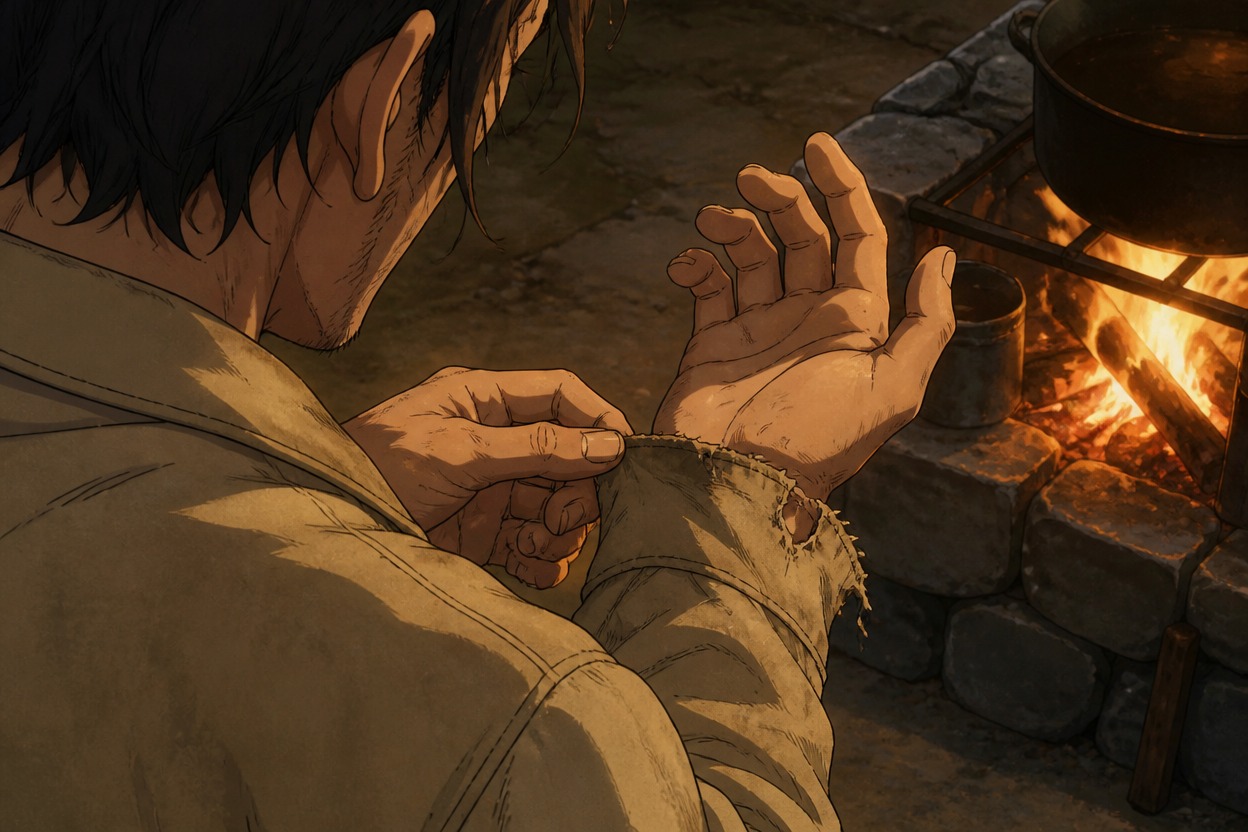
First- and third-person narration frame appearance through the observer's relationship to the OC. The resulting prose can emphasize a familiar detail or a stranger's first impression, giving a scene a particular perspective without turning visible features into an invented personal history.

Over-shoulder anime cook examining a frayed ochre cuff beside a hearth

0304

Appearance Facts in Organized Profiles

The character profile generator organizes known appearance facts into labeled sections for silhouette, attire, distinguishing features, and sensory cues. The text serves as a collaborator's reference. The AI anime generator offers optional illustration after the profile.

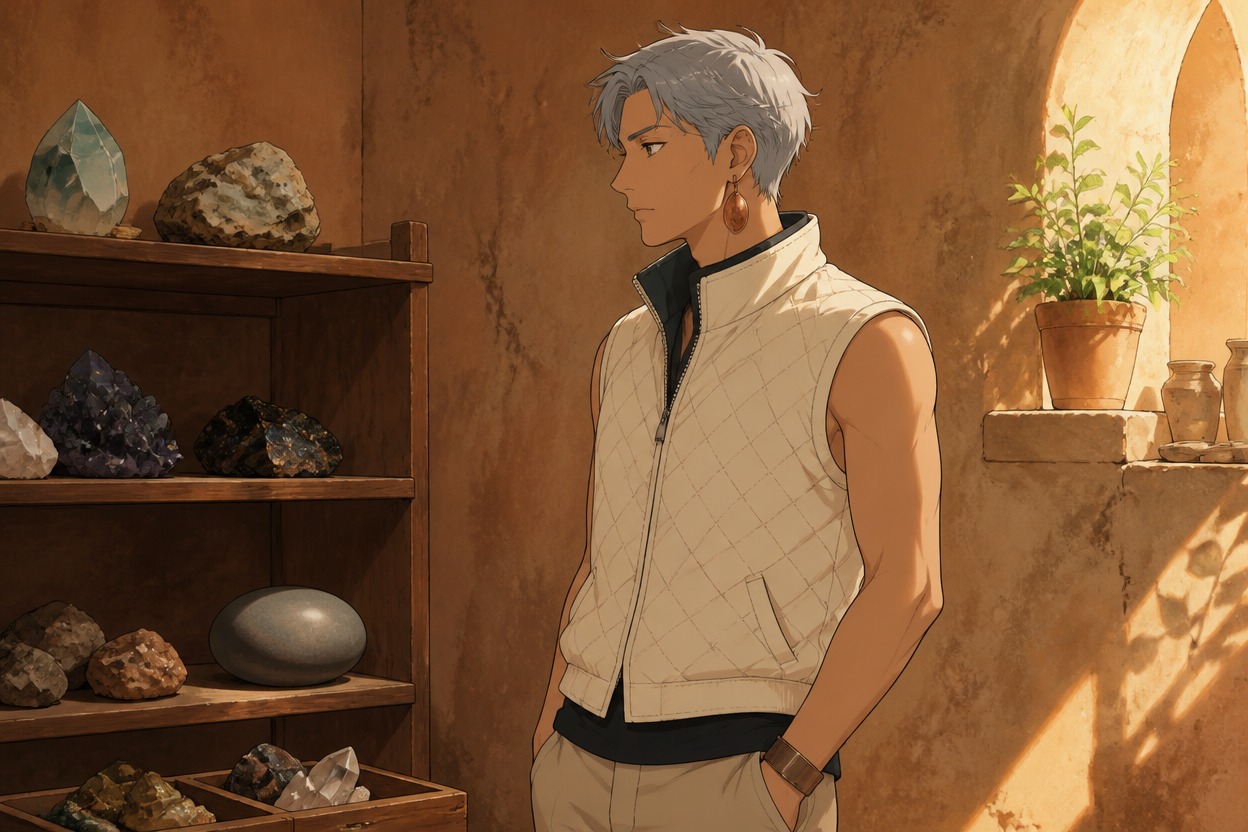
Anime silver-haired collector wearing an ivory quilted vest beside mineral shelves

0404

Sensory Details That Convey Presence

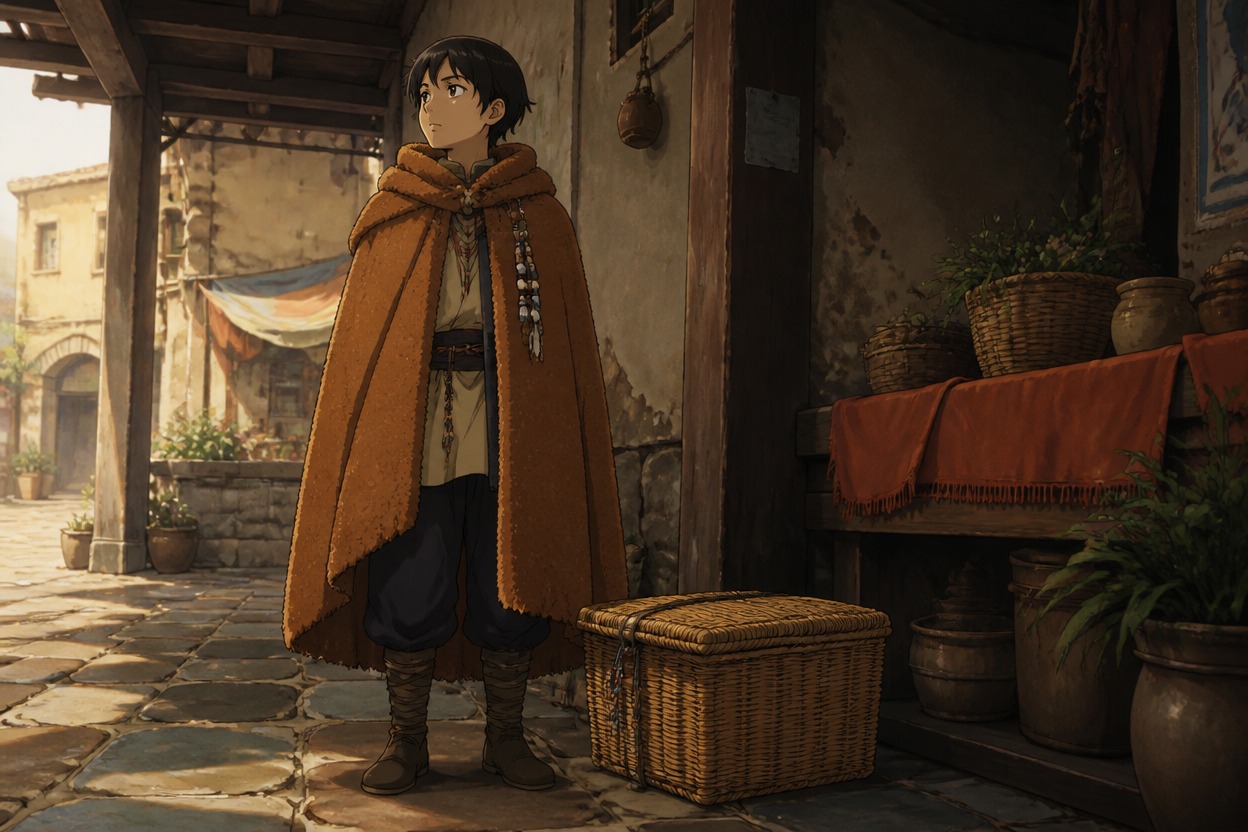
Sensory emphasis brings fabric sounds, movement, and environmental traces into descriptive prose. A felt cape's porcelain beads can announce an arrival through sound, adding presence to a written scene. The OC maker is an optional illustration tool, separate from the text result.

Anime human courier in a cinnamon cape beside a wicker basket in a market alcove

Why Use This OC Description Generator

Flexible language choices support a useful description without forcing every unknown trait into the design.

  • 01

    Observable Rather Than Judgmental

    Descriptive language focuses on observable appearance rather than presenting body shape as proof of moral character.

  • 02

    Room for Unknown Traits

    An unknown-field preference leaves undecided traits open in the profile instead of treating every detail as mandatory.

  • 03

    Genre-Sensitive Diction

    Genre diction supports contemporary, fairytale, or restrained speculative language around the supplied appearance facts.

  • 04

    Supplied Pronoun References

    Pronoun references guide sentence wording so the description reflects how the character is referred to in the brief.

  • 05

    Material-Specific Language

    Material notes support wording for unusual textures and behavior, such as waxed paper that rustles rather than flows.

  • 06

    Static Reference Mode

    A static description presents appearance without staging an entrance, giving collaborators facts outside a particular scene.

Decide What the Reader Notices First

Prioritize observation before asking for a complete description.

  1. Collect the Visible Facts

    Enter body silhouette, hair or head details, clothing materials, and a distinguishing feature. Mark unspecified traits as unknown if they should not be invented.

  2. Set the Narrative Lens

    Choose prose or profile, first- or third-person perspective, and length. For an introduction, name the observer and select one sensory cue that belongs in the scene.

  3. Read for Unsupported Inferences

    Generate the description and check that it preserves visible facts without assigning a personality to body shape. Cut unnecessary details or adjust the observer if the focus feels wrong.

Frequently Asked Questions

OC Description Generator Questions

What Is an OC Description Generator?

An OC Description Generator turns appearance notes into character-description text. The proposed formats include narrative prose and a structured appearance profile. Its subject is what an observer can perceive, such as silhouette, attire, movement, and sensory details, rather than a complete personality or life history.

How Do I Use the OC Description Generator?

Provide the appearance details already decided and mark anything that should remain unspecified. State whether you need a profile or a scene introduction, along with viewpoint and approximate length. Review the wording for invented features and remove details the observer would not actually notice.

Can an OC Appearance Generator Describe More Than Clothing?

Yes. Supply silhouette, posture, grooming, or a distinguishing physical feature alongside attire. Movement and sensory cues can add presence, but they should be observable in the scene rather than explanations of the character’s entire history.

When Should I Choose a Profile Instead of Prose?

A profile is useful when a collaborator needs separated appearance facts. Prose is better when a reader encounters the character inside a scene. Neither format replaces a backstory; the difference is organization and narrative use, not the amount of past history.

How Does First-Person Appearance Avoid Sounding Like a Mirror Scene?

Give the narrator a reason to notice their body or clothing, such as a stiff collar, wet sleeves, or a familiar weight in a pocket. Select details they can perceive directly rather than forcing a full visual inventory of their own face.

What If I Have Not Chosen Eye Color or Height?

Mark those fields as unspecified and request that they remain unknown. Review the resulting prose because a generative draft may still add details. A character detail generator should not make optional traits feel like mandatory design decisions.

Can the AI Character Description Generator Preserve Unusual Materials?

Provide the material and its observable behavior, such as a waxed paper mantle that rustles rather than flows. If the result substitutes ordinary cloth, state the material as fixed and explain the texture or movement that must remain visible in words.

Why Does the Description Infer Personality From Appearance?

Remove evaluative shorthand such as cruel eyes or a trustworthy face. Ask for observable details instead: a narrowed gaze, a repaired cuff, or a deliberate pause. Body type and facial structure do not establish moral character.

How Long Should a First Appearance Be?

Use only the details that affect the reader’s first impression or immediate scene. A compact paragraph often benefits from a silhouette, a signature feature, and a sensory cue; save the full reference for private notes rather than pausing the story for an inventory.

How Do I Describe a Character Without Listing Physical Traits?

Let the character do something that reveals appearance. A coat catching on a chair can suggest its oversized cut; a careful grip can reveal stiff fingers. Choose details the viewpoint character would notice and connect them to movement, rather than stopping the scene for hair, eyes, height, and clothing in sequence.

What Is an Example of a Short Character Description?

An illustrative example is: 'Mara ducked beneath the doorway, her rain-dark coat dragging at one shoulder. A brass fastener clicked each time she adjusted the strap.' The passage suggests scale, clothing, and a sensory detail without supplying a complete profile. It is a writing example, not a tested tool result.

How Do I Write a Nonhuman Character Description?

Anchor the description in body structure, movement, and how the character interacts with the environment. Explain unfamiliar anatomy through an action, such as folded membranes opening to steady a descent. Do not assume human hands, facial expressions, or clothing unless those features belong to the design.

How Is a Character Description Different From an Image Prompt?

A prose description guides a reader's attention through viewpoint, rhythm, and selected details. An image prompt gives a visual model instructions about subject, composition, lighting, and style. The same appearance notes can inform both, but a readable introduction is not automatically an effective image-generation prompt.

Is There a Free Option for OC Description Generation?

Check whether character-description generation is covered by your current free allowance. OCMaker AI advertises a free tier, but access to a specific text tool and any usage limits must be confirmed in the current plan details. Do not assume every prose revision is unlimited or free.

Can I Publish Generated Character Descriptions Commercially?

Publishing rights depend on the current service terms and the material used in the description. Check borrowed character designs and any passages supplied as reference before using the text in a paid novel or commissioned profile. Generated wording does not guarantee exclusive rights or copyright protection.

Find the Words for a First Impression

Let the OC Description Generator shape visible details into the paragraph or profile your next scene needs.

OC Description Generator: Appearance Prose and Profiles