



Style*
Background
4tokens•~30s

OC Personality Generator

When traits feel like disconnected adjectives, give them a reason to belong together. This character personality generator writes an OC profile connecting motivation, strengths, flaws, and behavior under pressure, so you have a basis for deciding how the character acts.

Anime mediator in a teal tunic standing among three empty chairs

Different People Facing the Same Kind of Choice

A generous mediator, a cautious engineer, and a proud performer suggest different patterns of action. These concept illustrations accompany written personality examples, not diagnostic profiles or portrait outputs.

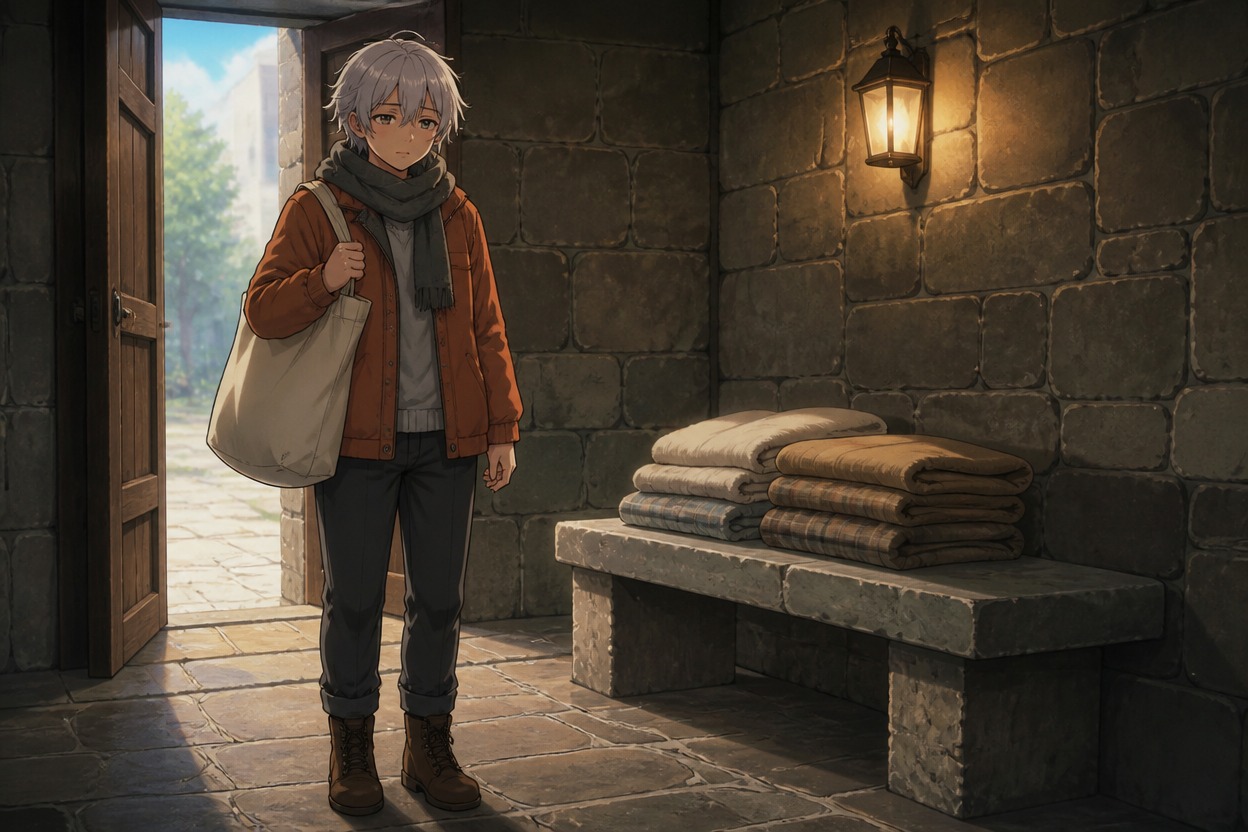
  • Anime silver-haired volunteer beside folded blankets in a stone entrance hall01

    Generosity That Avoids Conflict

  • Anime engineer pausing before a loose stone on a misty footbridge02

    Caution That Delays a Decision

  • Anime copper-haired performer beside an empty rehearsal chair03

    Pride That Conceals Uncertainty

Character Personality Generator for Connected Traits

This character personality generator connects motives to patterns of action, with strengths, tensions, and responses that belong together.

0104

Strengths With a Believable Cost

The character traits generator connects a central drive to both useful qualities and their costs. An organizer who needs to feel useful may build trust while struggling to refuse work. The written profile explains that shared motive, giving generosity and overcommitment a reason to coexist in scenes.

Anime neighborhood organizer with meeting stools in an evening courtyard

0204

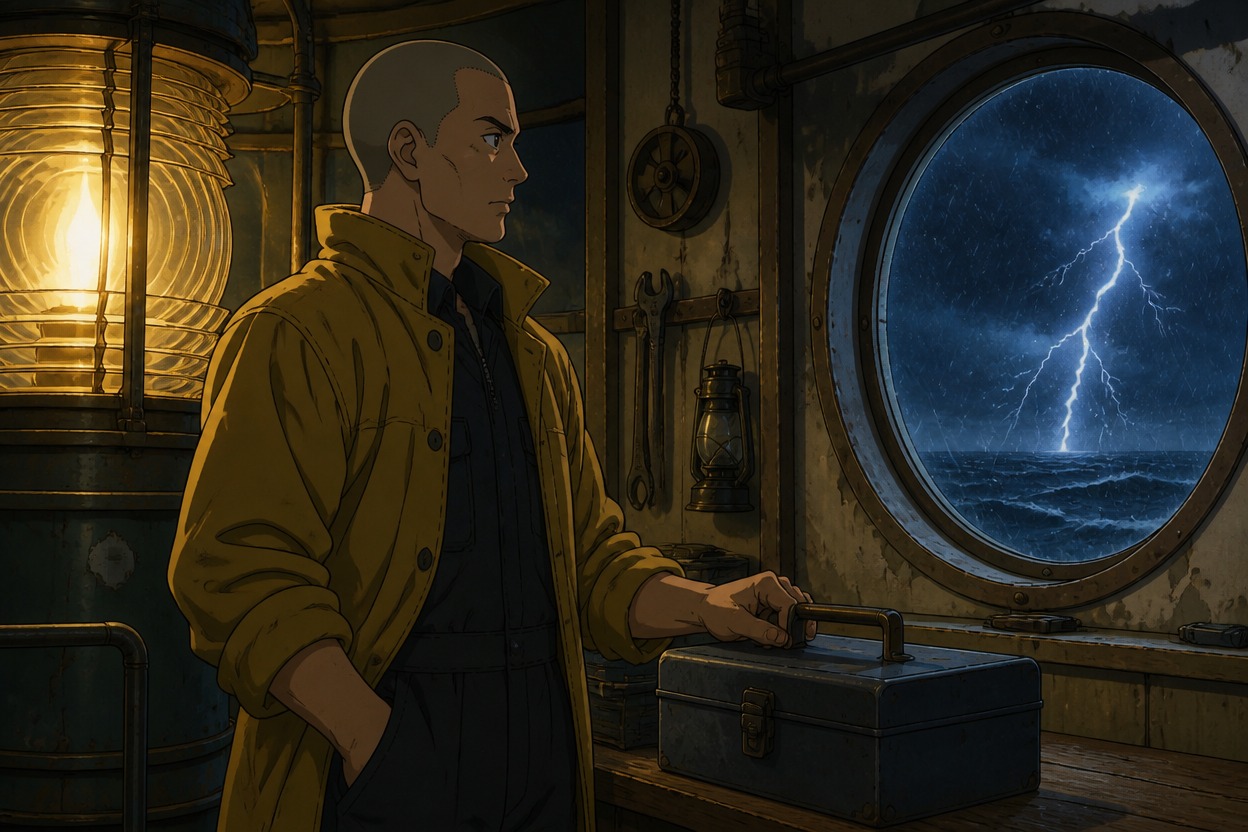
Reactions Under Meaningful Pressure

A supplied stress scenario gives the profile a concrete pressure point, producing reactions connected to what the character wants or fears losing. The resulting text helps explain a sudden change in behavior. The AI anime generator provides an optional way to illustrate one moment later.

Anime shaved-headed mechanic beside a toolbox and storm-lit round window

0304

Contradictions Explained by Context

Apparent contradictions become context-dependent patterns in the written profile. A reserved tutor might act boldly for a trusted companion because protecting them matters more than avoiding attention. The distinction supports scene decisions; a later OC maker design is an optional visual extension.

Anime short tutor in a blue cardigan standing ahead of a tall friend

0404

Connected Profiles at Different Depths

The detailed personality generator supports compact prose or a structured profile linking motivation, social behavior, strengths, flaws, and pressure responses. Those connections give character notes a usable basis for dialogue and decisions, rather than a collection of adjectives or a psychological diagnosis.

Anime gray-haired pottery instructor studying an uneven clay vessel

Why Choose This OC Personality Generator

Complementary profile elements add room for blind spots, changing relationships, and possible growth without prescribing an entire story.

  • 01

    Value Conflicts

    Supplied values give difficult choices a clear source of tension, such as loyalty competing with a commitment to fairness.

  • 02

    Unrecognized Blind Spots

    A profile can include limitations the character does not notice, adding friction beyond the shortcomings they openly admit.

  • 03

    Possible Growth Directions

    An optional growth direction connects present behavior to potential change without assigning the character a fixed ending.

  • 04

    Social Distance

    Relationship context supports different levels of trust and openness with strangers, close friends, and authority figures.

  • 05

    Separate Profile Alternatives

    Alternative profiles offer different ways to develop the same seed, keeping competing personality directions distinct.

  • 06

    Thematic Boundaries

    Exclusions help focus the profile away from unwanted themes or stereotypes while preserving space for fictional complexity.

How to Build a Personality From a Difficult Choice

A meaningful dilemma gives connected traits something concrete to explain.

  1. Name the Want and the Cost

    Write what the OC wants, what they fear losing, and one choice they avoid. Add existing traits or story facts that the profile must respect.

  2. Choose the Situations to Explain

    Specify a close relationship and a pressure point. Set profile depth and tone, then request behavior in those situations rather than a list of unrelated adjectives.

  3. Test the Profile in a Scene

    Ask what the character would do when two values conflict. If every answer is admirable or every reaction is identical, revise the motivation or the cost and reassess the profile.

Frequently Asked Questions

OC Personality Generator FAQ

What Is an OC Personality Generator?

An OC Personality Generator helps develop fictional behavior patterns from a character's desires, values, fears, and relationships. Its intended result connects strengths, flaws, and reactions under pressure, rather than simply assigning random adjectives. It is a character-writing aid, not a psychological assessment.

How Do I Use the OC Personality Generator?

Describe what your OC wants, what they fear losing, and a difficult decision they face. Add established traits and one important relationship, then request a concise or detailed profile. Test the proposed behavior in a scene and revise traits that do not explain the character's choices.

What If I Can’t Think of a Personality for My Character?

If your starting point is "can't think of a personality for my character," use a choice rather than a trait label. Who would they disappoint to protect something important? A want, a fear, and a relationship give the profile more direction than selecting a personality type at random.

How to Give a Character Good Traits Without Making Them Perfect?

Let a virtue require judgment. Patience may help a friend but become avoidance when a decision is overdue. Keep the positive trait useful, then identify a situation where using it too rigidly causes a cost. A token flaw unrelated to the virtue rarely solves the problem.

Is a Personality Generator for OCs a Psychological Assessment?

No. The planned output is a fictional writing aid, not a clinical assessment or a diagnosis. Avoid treating a trait combination as proof of a disorder or using diagnostic labels as shortcuts for motives, moral alignment, or predictable behavior.

What Should I Enter for a Personality Generator OC Prompt?

State the role, strongest desire, feared loss, and a relationship that matters. If you already know a trait, describe one action showing it. Add the kinds of behavior you need help deciding, such as asking for support or reacting to criticism.

Why Does the Profile Make My Character Behave the Same Around Everyone?

The input may not distinguish trust, status, and shared history. Specify one stranger, one trusted person, and one authority relationship. Look for differences in disclosure or assertiveness while retaining the underlying motive; variation should not erase the character’s basic priorities.

Can Two Conflicting Traits Belong in One Personality?

Yes, when a trigger or context explains the difference. A cautious engineer may accept personal risk to prevent others from being hurt. If opposite traits appear arbitrarily in the same situation, supply a stronger priority or remove one of the claims.

Will a Detailed Personality Generator Decide My Character’s Entire Arc?

A profile can suggest pressure points, but it cannot establish the right ending for your story. Growth depends on events and choices you write. Treat a proposed change as one possible direction, and keep room for setbacks, refusal, or an outcome the profile did not anticipate.

What Is the Difference Between a Personality Trait and a Motivation?

A trait describes a recurring tendency, such as being cautious; a motivation explains why the character pursues a goal. A cautious courier might accept a dangerous route to protect a colleague. Separating the tendency from the underlying reason helps you write choices rather than a fixed list of adjectives.

How Many Personality Traits Should an OC Have?

Start with a manageable handful you can demonstrate in scenes rather than trying to complete a long checklist. Identify a dominant tendency, a contrasting quality, and a flaw with consequences. Add nuance when a relationship or decision calls for it; there is no universal required trait count.

How Do I Show an OC's Personality Through Dialogue?

Decide what the character wants from the conversation and what they avoid admitting. Then choose how they ask, refuse, interrupt, or change the subject. A conflict-averse OC might offer practical help instead of disagreeing openly. Consistent conversational choices reveal more than repeatedly labeling them shy or kind.

Do I Need an MBTI Type to Create a Character Personality?

No. A personality label is optional shorthand, not a requirement for writing an OC. Desires, values, fears, and context-dependent behavior give you more direct scene material. If you use a type for inspiration, do not let it dictate every response or treat it as a clinical assessment.

Can I Create an OC Personality Profile for Free?

Confirm that personality-profile generation is part of your current free access before using it. OCMaker AI provides a free tier alongside paid options, but the specific text-tool allowance may differ. Check the current pricing and account information rather than assuming every alternative profile is free.

Can I Use an OC Personality Profile in a Commercial Story?

Consult the current OCMaker AI terms and review any character material supplied as input. A personality draft should not reproduce another creator's distinctive character biography or protected expression. Trait suggestions alone do not establish ownership of an exclusive character concept or clear third-party rights.

Know What Your OC Does When Values Collide

Use the character personality generator to connect a strength, its cost, and a choice you can write.

Free OC Personality Generator: Traits, Flaws and Motivations