Sprunki OC Ideas Generator

A soft shaker with stage fright, or a bell voice that never lands on the downbeat? This planned text tool develops Sprunki OC ideas around a sound role, a signature look, and a reason to join your fan lineup.

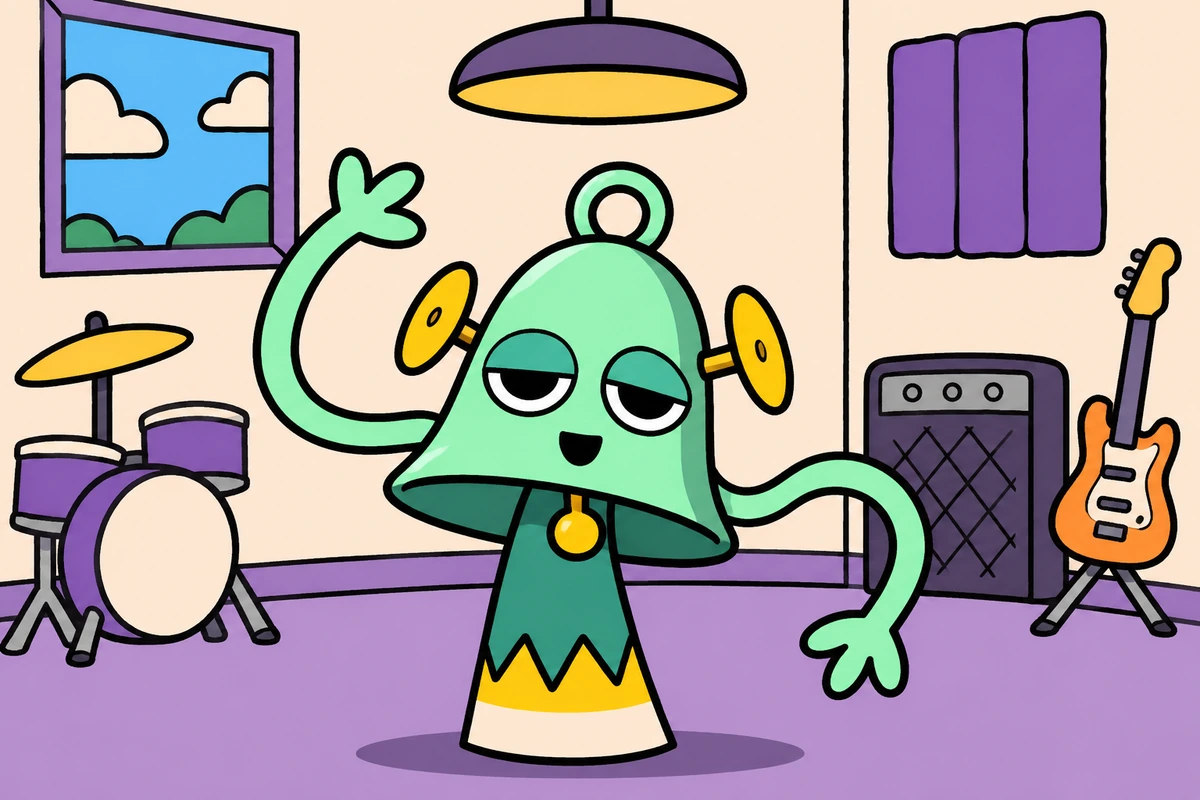
A mint-green bell-shaped music character with cymbal-like ear discs stands in a purple rehearsal room.

Written Concepts Built Around a Musical Identity

Planned text outputs connect an imagined sound with the character who might make it.

0104

Sound Roles Become Character Seeds

The proposed generator connects a chosen beat, effect, melody, or voice role to a short character pitch. A dry seedpod rattle might suggest a hesitant timekeeper whose confidence grows during quiet passages. The result is a written musical identity for fan planning, not a recording or a playable sound slot.
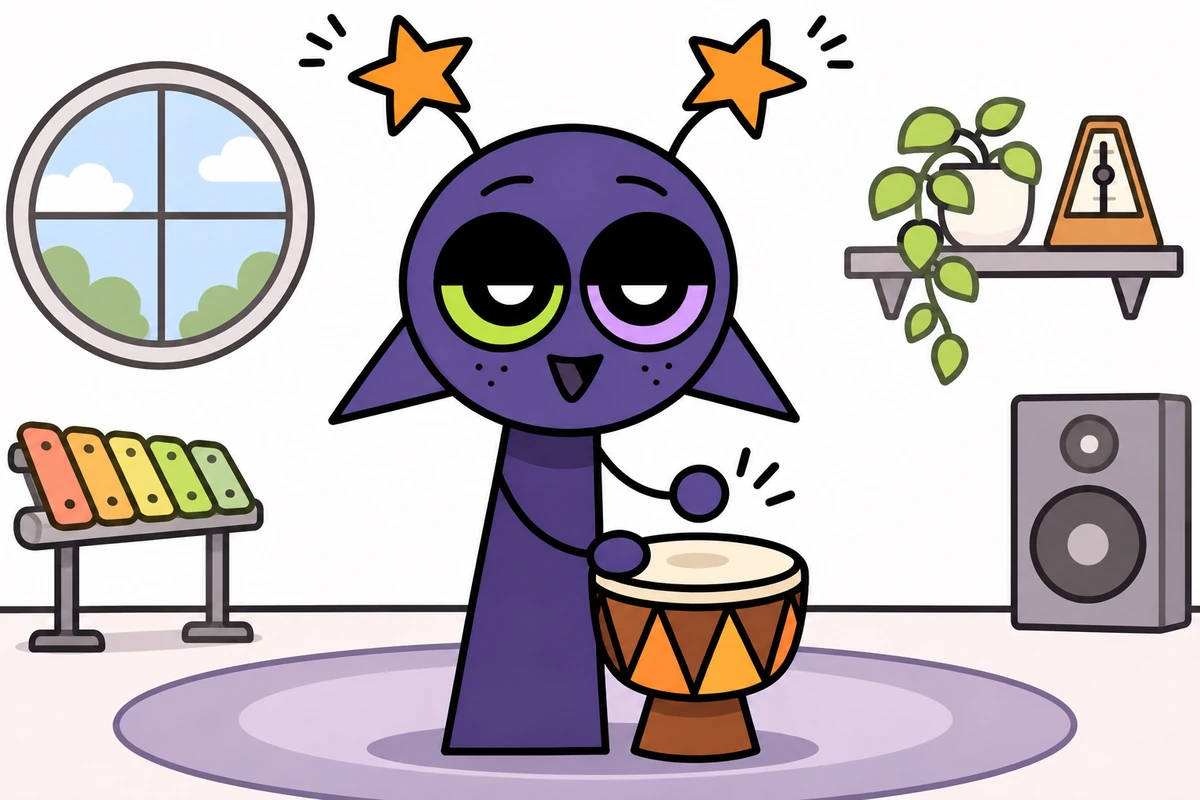
An indigo Sprunki character with orange star antennae taps a small hand drum in a bright studio.

0204

A Look That Explains Sound

A sound source and silhouette preference would shape concise appearance notes, from a folded paper body to a hollow wooden collar. The AI anime generator can be a separate next step; here, the intended output is a drawing brief that explains why each detail belongs to the sound.

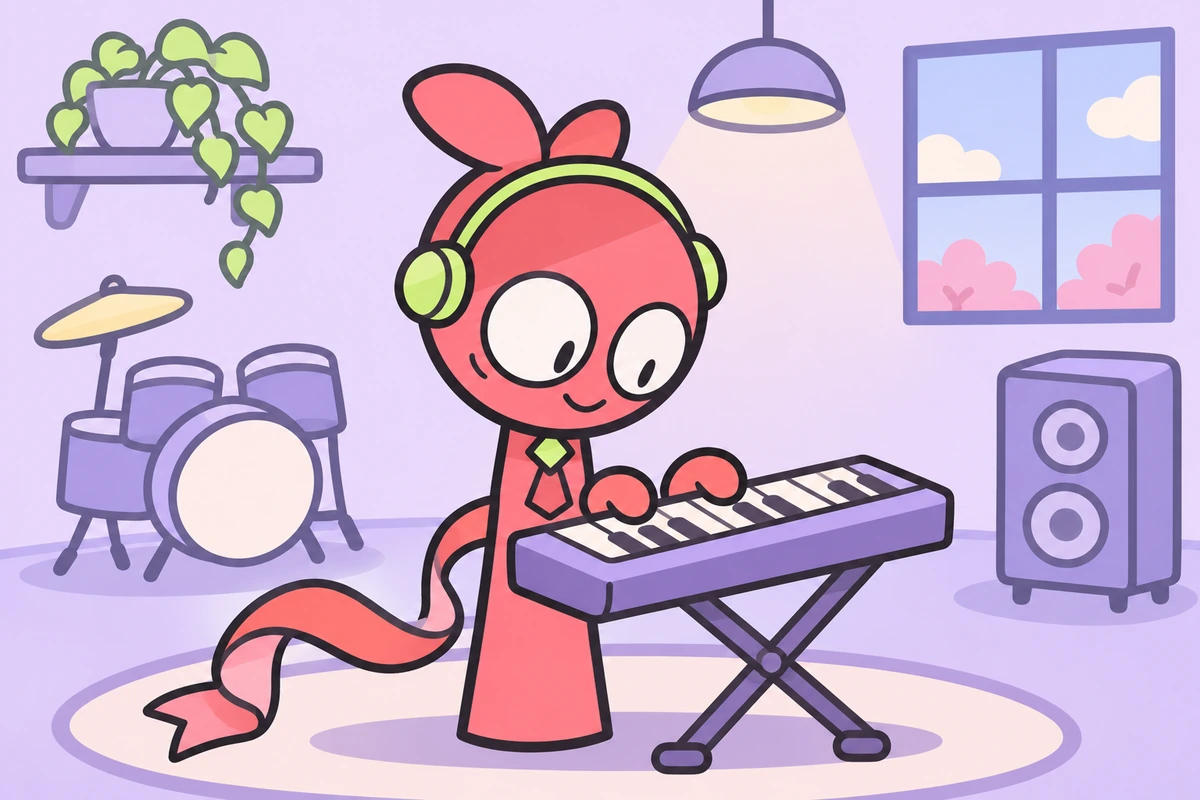
A coral-red character with lime headphones plays a keyboard in a pastel music room.

0304

An Eerie Counterpart With Logic

An optional normal-to-eerie concept pair would keep one identifying motif while changing its behavior: a steady chime becomes an irregular distant ring. The wider OC maker workflow begins with these written contrasts, giving a fan interpretation a link between its friendly and unsettling sides.

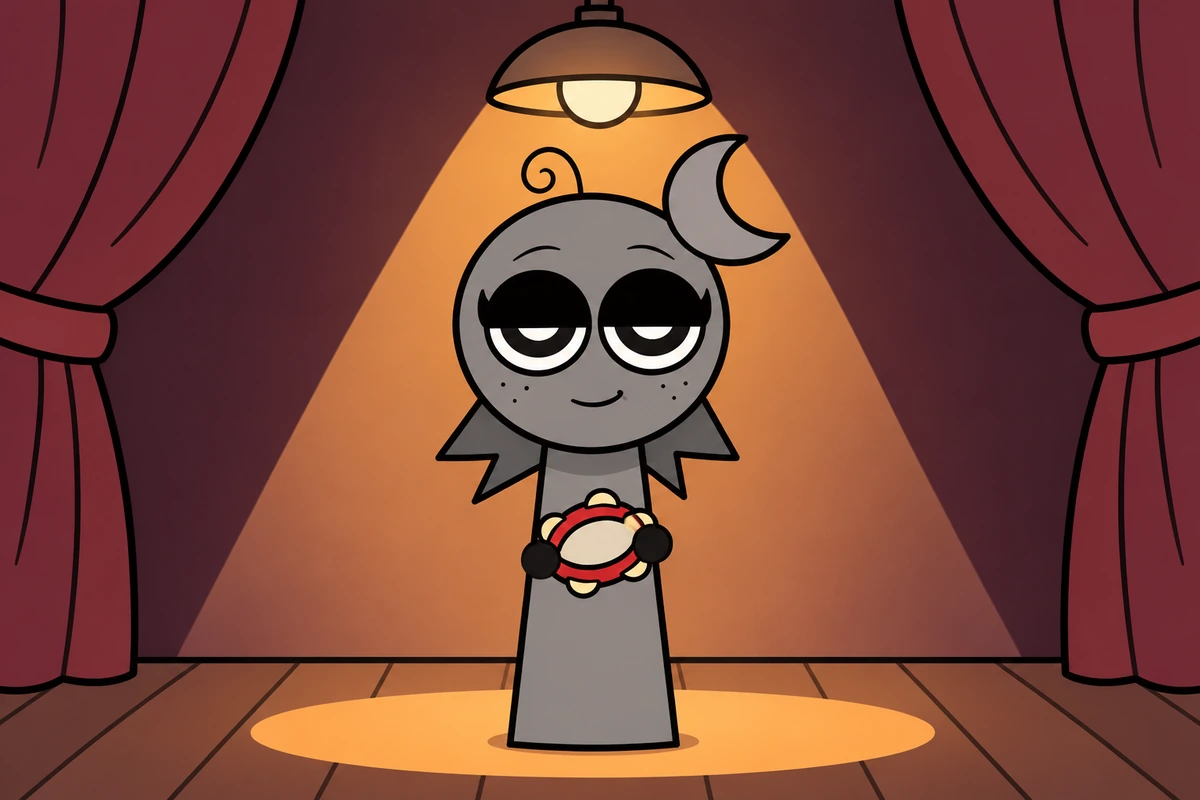
A soft-gray character with a crescent-shaped ear holds a small red tambourine under a warm stage light.

0404

A Place Within Your Lineup

A gap in a fan lineup would guide an interaction hook, such as a reserved pulse keeper who leaves room for a busy melody. Each proposed seed includes a small personality tension and an entrance cue, giving roleplay introductions a specific moment rather than a long biography or invented canon relationship.

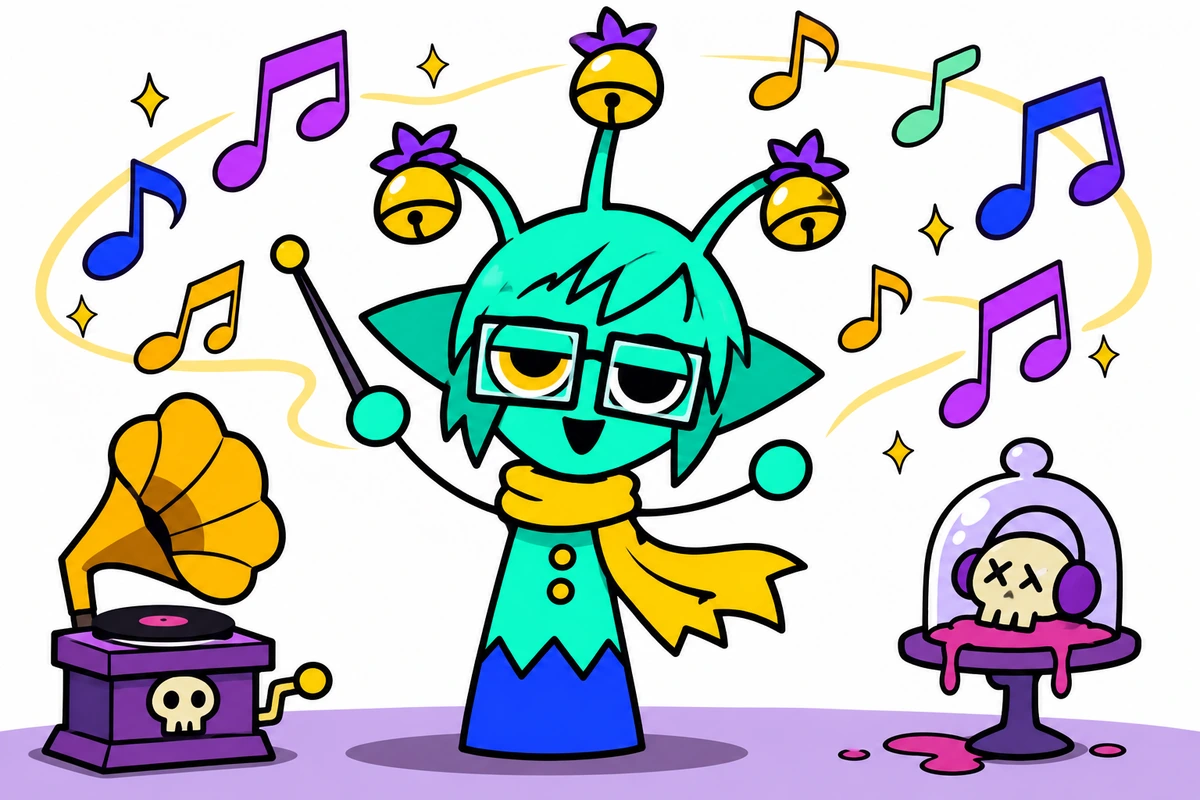
A turquoise music character with square glasses and a yellow scarf conducts floating notes in a simple studio.

Plan the Performer Before Making the Assets

Suggested workflow for the planned text tool; live controls and access remain unverified.

  1. Describe the Missing Sound

    Write what your imagined lineup lacks: a soft pulse under a busy lead, for example. Use beat, effect, melody, or voice as a creative role, then explain the sound in ordinary words.

  2. Fix a Motif and a Mood

    Add one material or accessory you want to keep, plus motifs to avoid. Specify friendly only or a non-graphic eerie counterpart; do not rely on a phase number to communicate the change.

  3. Test the Seed on Paper

    Read the proposed sound, look, and entrance cue together. If an accessory does not explain the sound, revise that connection. Retain the pitch you prefer before moving on to drawing or audio work elsewhere.

Small Constraints That Protect the Idea

The proposed specification leaves room for unfinished choices without losing the musical starting point.

  • 01

    Keep One Anchor

    Get concepts built around a fixed accessory or material, so a favorite bell collar need not disappear during ideation.

  • 02

    Leave Names Unsettled

    Create unnamed musical seeds when choosing a catchy label too early would narrow the sound and shape you want to explore.

  • 03

    Exclude Crowded Motifs

    Generate around an exclusion list, keeping overused headphones or antenna shapes out of a fan lineup already full of them.

  • 04

    Use Everyday Sound Words

    Get sound descriptions in familiar language, making a dry tap or breathy hum useful without specialist music vocabulary.

  • 05

    Keep Notes Compact

    Produce short sections for a fan profile, leaving space to develop the character instead of trimming a complete biography.

  • 06

    Separate Fan Assumptions

    Maintain a clear distinction between proposed performance hooks and facts you have checked about a particular Sprunki version.

Continue Beyond the Musical Seed

Verified related pages for the next part of character development.

Frequently Asked Questions

Questions About Sound-Led Sprunki Concepts

What Is the Sprunki OC Ideas Generator?

It is a planned independent text ideation tool for Sprunki-inspired fan characters. Its proposed output is a compact concept with a sound role, appearance rationale, personality tension, and lineup hook. It does not create game files, pictures, or audio.

How Would I Use It for a Sprunki Fan Character?

Explain the sound your lineup is missing, add a motif and mood, then compare the written seeds. Revise whichever connection feels weak before developing the design. These are proposed interactions, not a walkthrough of tested live controls.

Is the Sprunki Text Generator Free?

OCMaker AI currently lists a free tier and token-based paid options. Availability, token cost, and limits for this planned text tool have not been confirmed. Platform trial access does not establish free or unlimited use of a new feature.

Can I Sell a Sprunki-Inspired Concept or Mod Pitch?

The pricing page limits free-tier creations to personal use and lists commercial use for paid plans. That does not clear Sprunki or Incredibox names, designs, sounds, or branding. Check current terms, tool coverage, and input and third-party rights before a paid project.

What If I Cannot Describe My OC’s Sound Musically?

Describe the texture and timing instead: a hollow knock every other beat, a breathy note that fades, or a glassy ping between louder sounds. A text idea can use those descriptions without specifying notation, key, or a recorded sample.

Can I Make a Sprunki OC Without a Horror Version?

Yes, friendly-only concepts are part of the proposed scope. A performer can have an awkward entrance, an unusual sound source, or a habit during quiet passages without needing an unsettling counterpart to justify the idea.

How Can a Normal and Eerie Version Still Feel Related?

Keep a single sound-producing motif and change how it behaves. A gentle rattle might become a delayed uneven rustle while its seedpod shape stays familiar. This creates a conceptual connection without relying on injury or graphic detail.

Does a Phase Number Tell the Generator What to Write?

Not reliably. Phase labels may refer to different fan projects, and no universal mapping is verified here. Explain the atmosphere, sound change, and silhouette change you mean rather than assuming that a numbered phase carries one fixed definition.

Why Does My Performer Seem Like a Recolored Sprunki?

Color alone rarely changes the idea. Replace the sound source and how the body produces it, then adjust the performance habit. Compare the pitch against existing characters yourself; no automatic copying or originality check is promised.

Can the Idea Fill a Quiet Slot in a Busy Fan Mix?

A useful input describes contrast: sparse clicks beneath a sustained lead, for example. Ask for a pitch that leaves pauses rather than another dominant sound. The output can explain the intended role, but only actual listening can test whether a mix works.

Will the Output Include a Loop, Sprite Sheet, or Mod Code?

No. The proposed output describes an imagined loop and performance cue in text. Recording, synthesis, animation, sprite production, synchronization, and game integration are separate tasks; a written sound description is not an audio asset.

Which Sprunki Version Should I Reference in the Brief?

Name the fan version you mean and explain any rules you want followed in your own words. If you cannot verify a cast detail or sound assignment, leave it as a fan assumption rather than asking the tool to present it as established lore.

Give the Missing Sound a Character

Plan a performer whose look and behavior make sense of the sound you imagine.

Sprunki OC Ideas Generator: Sound-Led Character Seeds