Senran Kagura OC Maker

Give your shinobi a visual signature that survives the first glance. Shape layered training wear, a purposeful weapon, and a personal motif without relying on a familiar cast silhouette.

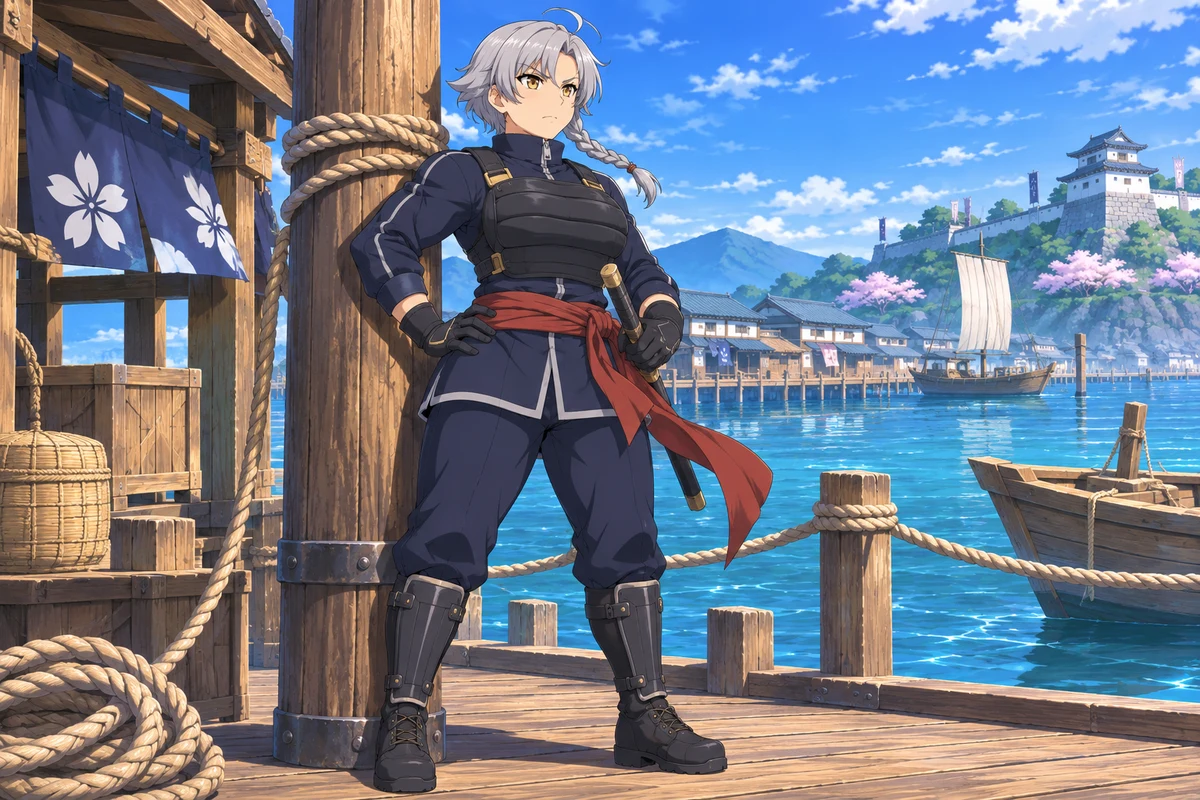
A silver-haired shinobi in fully covered navy armor and a rust sash stands beside a harbor mooring post.

Three Routes Through the Shinobi Wardrobe

A mountain courier, a harbor defender, and a rooftop observer show how a different duty changes stance, fabric, and equipment.

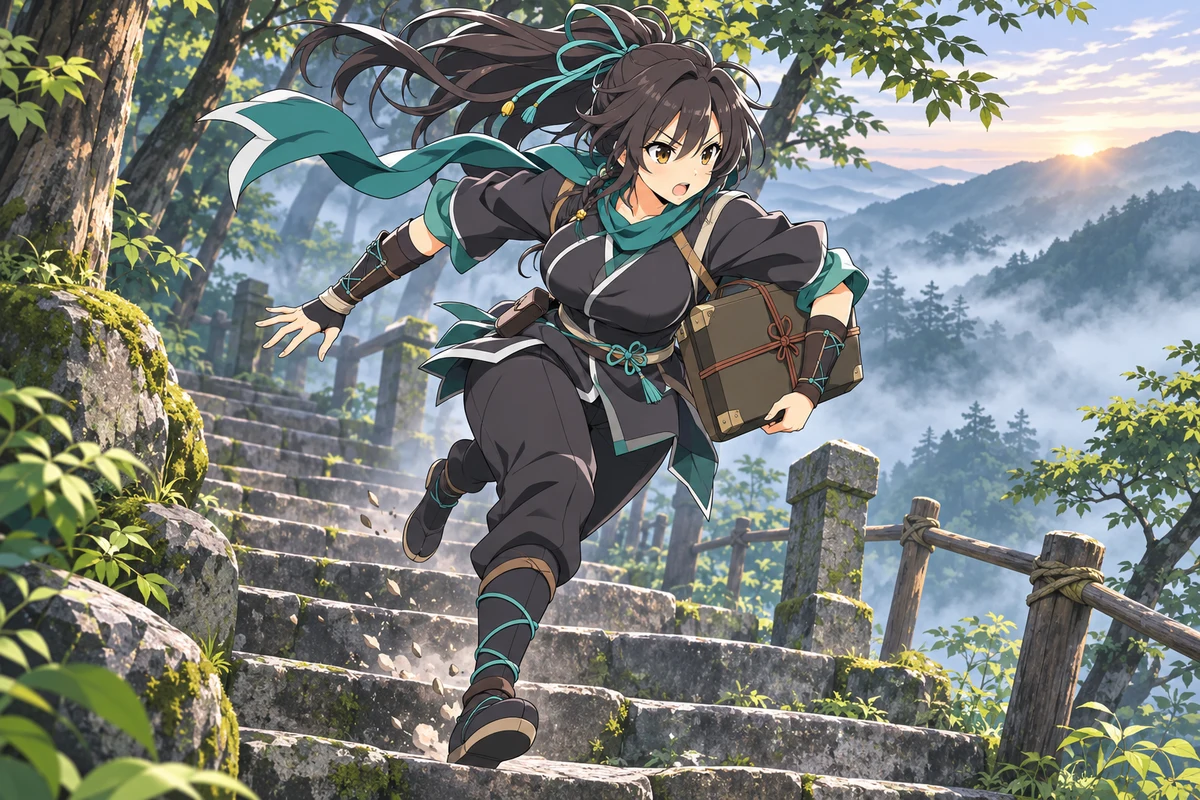
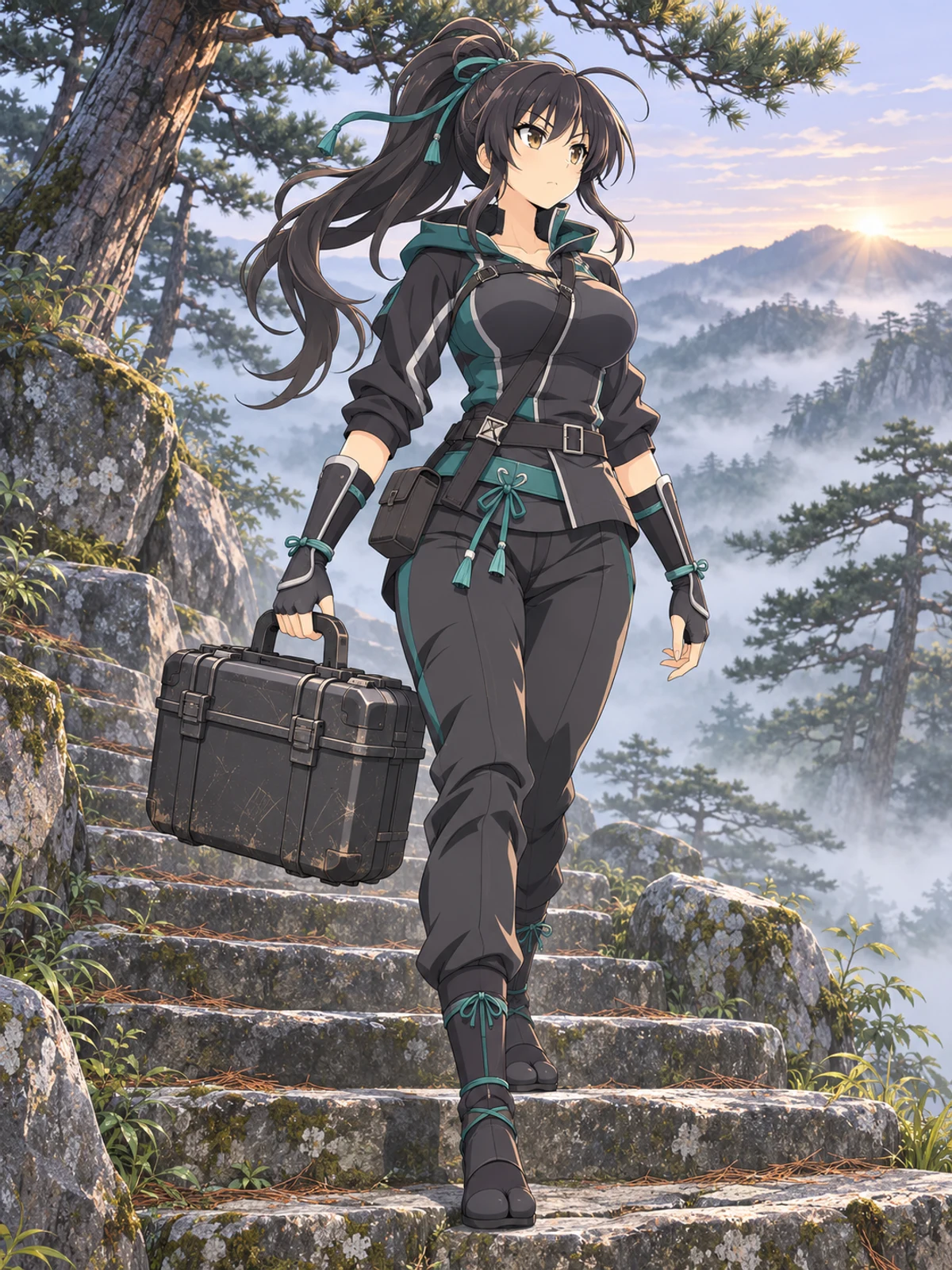
  • A shinobi courier carries a sealed equipment case across weathered mountain stone steps.01

    Mountain Courier

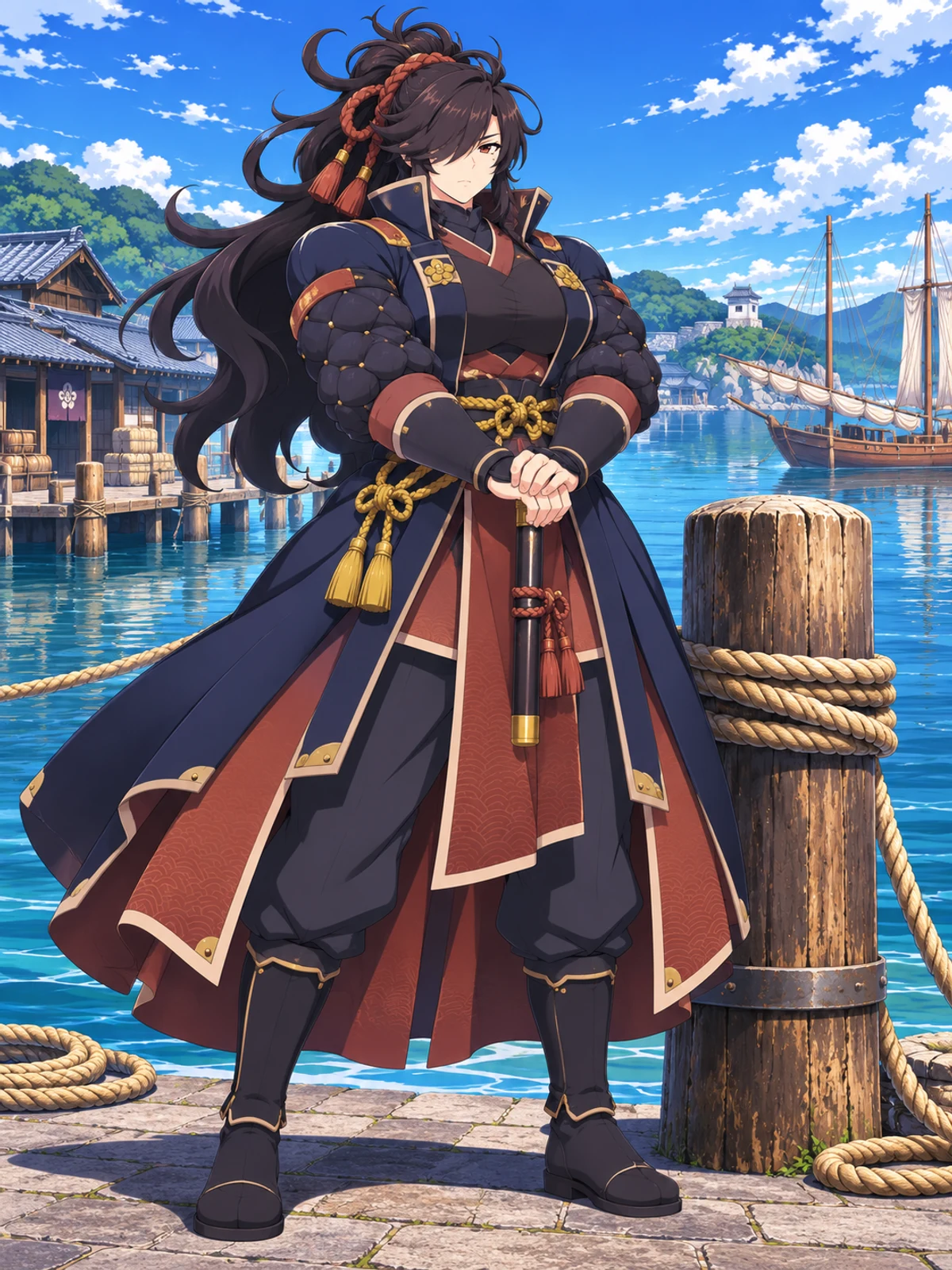
  • A broad-shouldered dark-haired shinobi defender in a navy-and-rust coat stands beside a harbor mooring post.02

    Harbor Defender

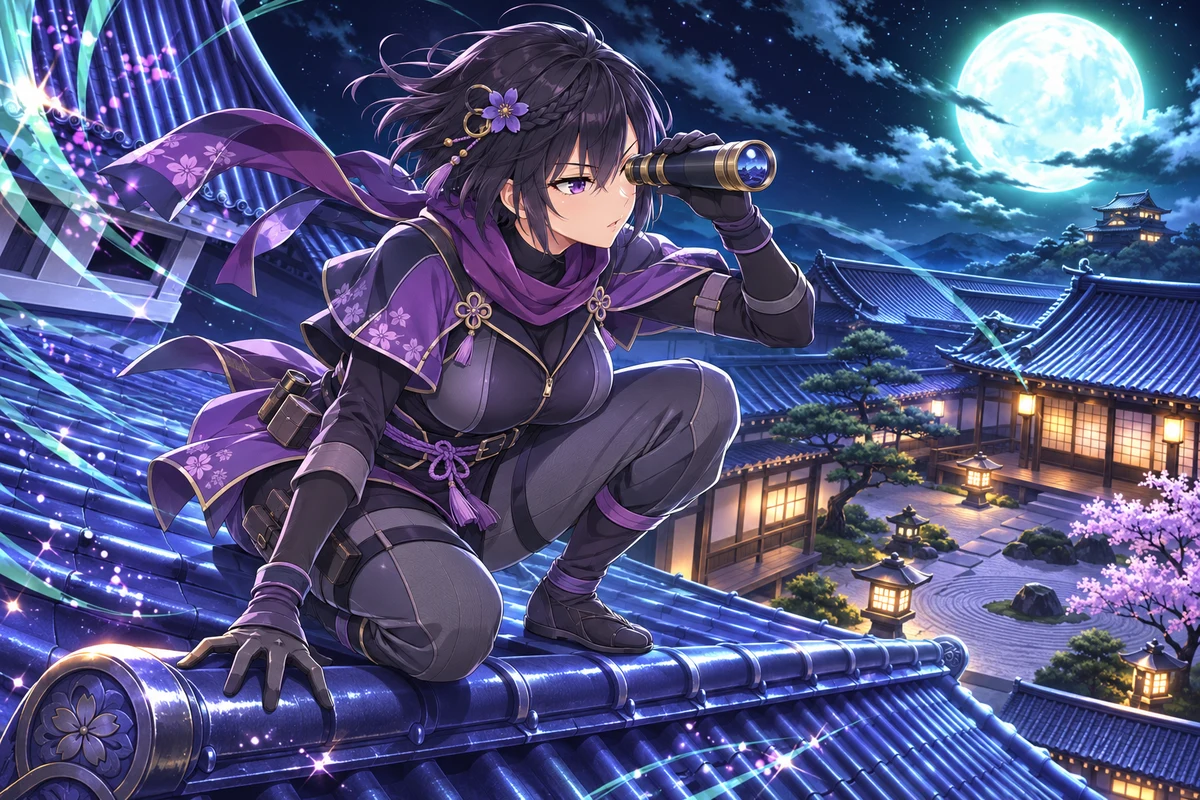
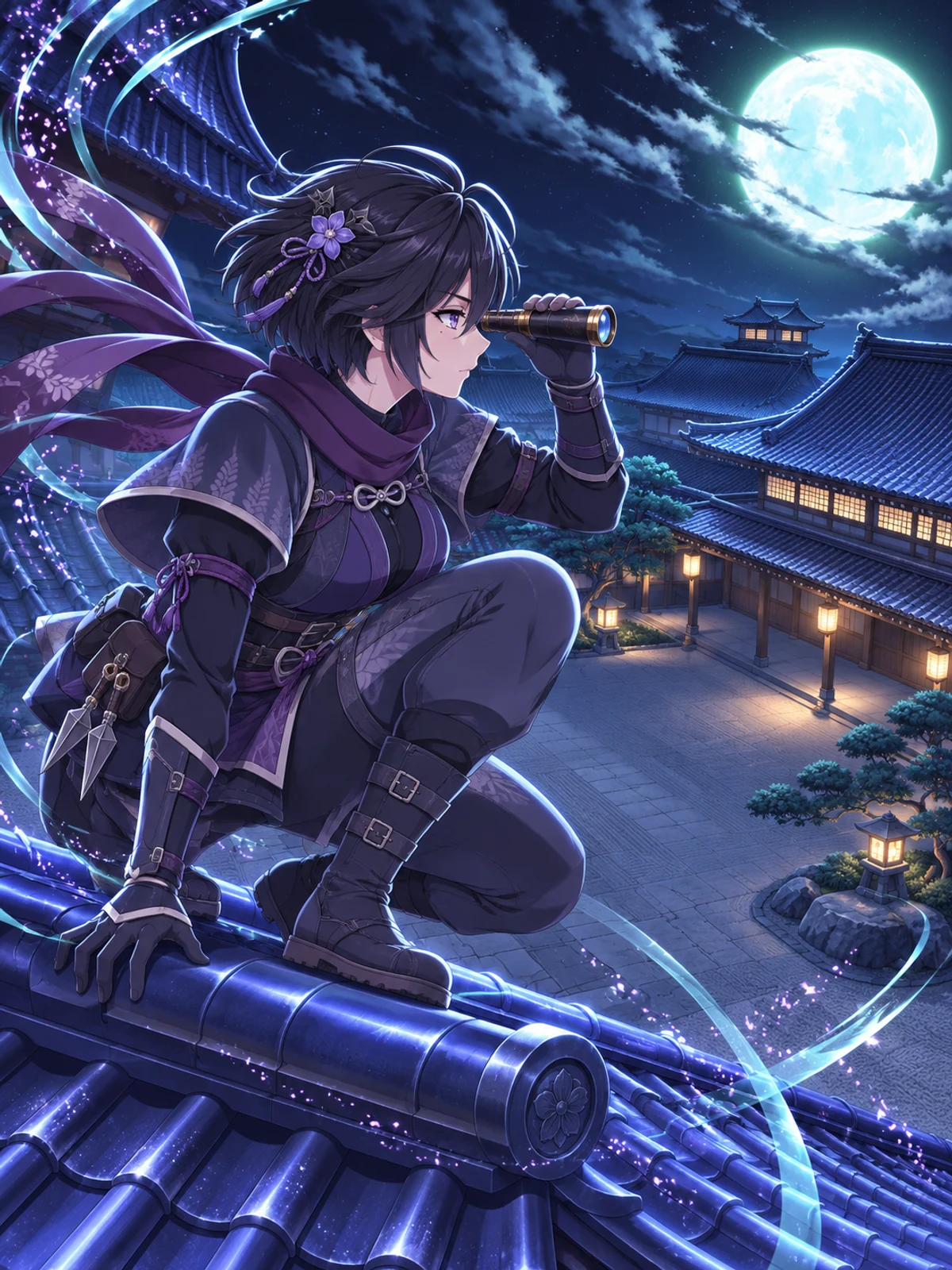
  • A compact dark-haired shinobi crouches on a tiled rooftop, watching a lantern-lit courtyard through a spyglass.03

    Rooftop Observer

Shinobi Identity Through Motifs, Cloth, and Motion

Four design directions connect personal symbols with the way your shinobi dresses and moves.

0104

A Motif Beyond the Crest

A personal motif can run through fastenings, hems, and weapon fittings without becoming a copied badge. The AI anime generator supports a unified shinobi direction, turning a reed, ripple, or folded-paper theme into a character concept suited to a fan-project introduction.
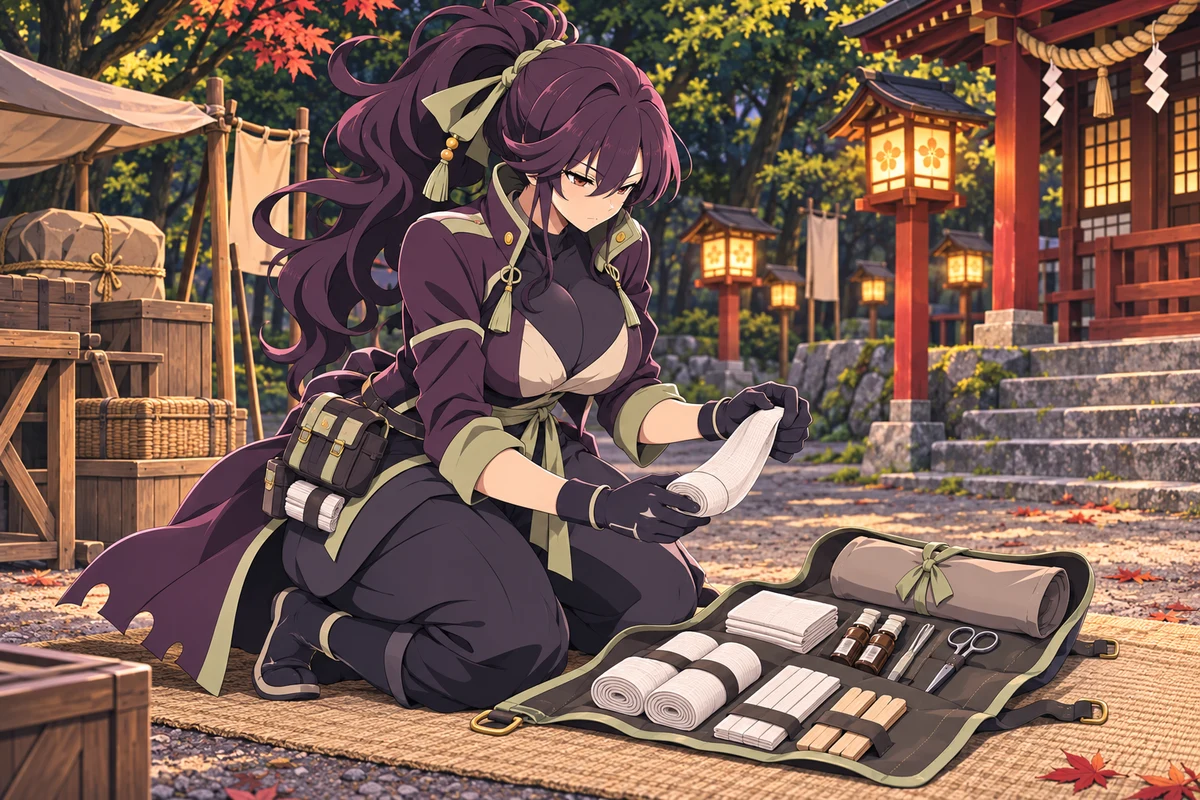
A purple-haired shinobi in a plum jacket kneels to check a roll of medical supplies beside a lantern-lit shrine.

0204

Weapons That Shape the Stance

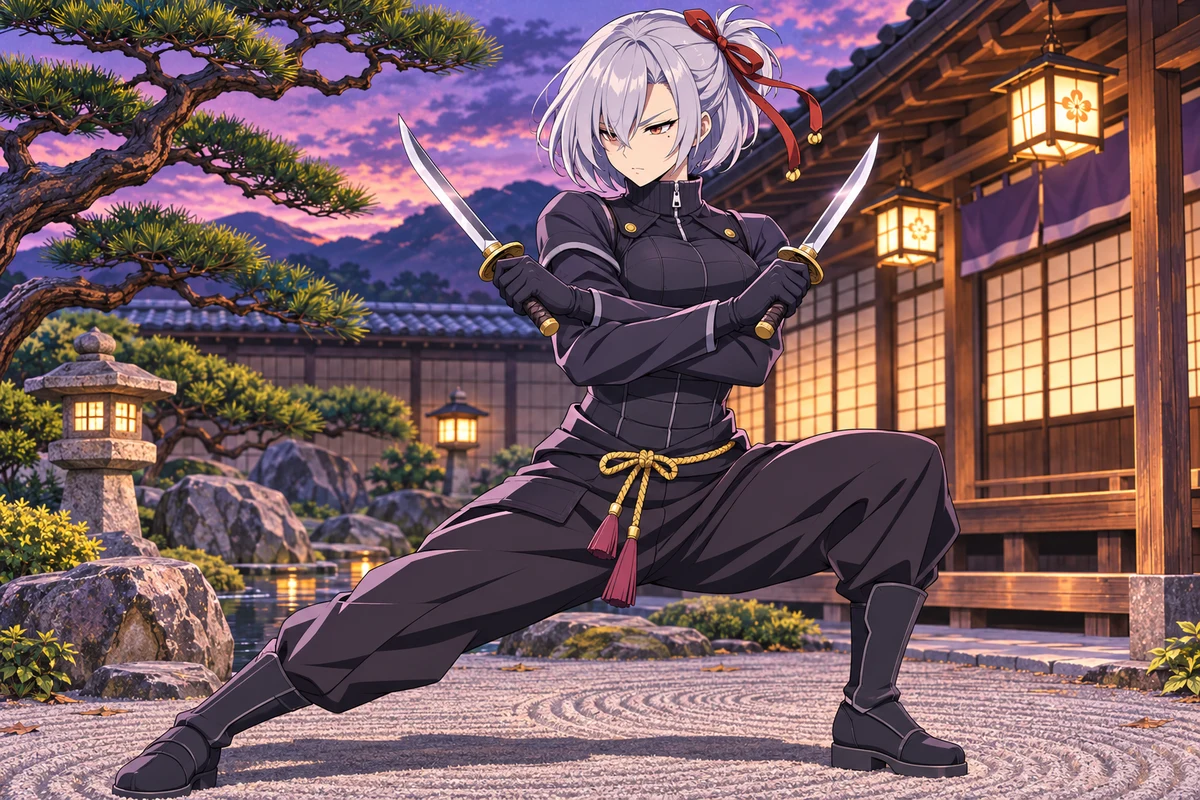
Weapon shape changes the whole pose: a long staff calls for a different balance than a compact blade. Described grip, reach, and resting position help establish a shinobi whose clothing and equipment work together, giving an artist a useful starting point for an action composition.

A silver-haired shinobi in a high-neck dark uniform practices a controlled crossed-sword stance in a twilight courtyard.

0304

Clothing With a Clan Accent

Layered jackets, wrapped trousers, and contrasting trim can suggest a shared training tradition without using an existing school uniform. Within the OC maker, fabric weight and repeated accent colors help a clan-inspired outfit feel connected from the collar to the footwear.

A dark-haired shinobi courier in charcoal-and-teal layers runs down misty stone steps with a sealed case.

0404

Mission Wear Worth Comparing

A rain patrol coat and a light practice outfit can express different sides of the same shinobi concept. Repeated hair shape and accessory notes support comparisons between versions, while changed outer layers show how the design responds to a mission rather than merely swapping its palette.

A dark-haired shinobi observer in a slate-purple uniform crouches on a moonlit roof, watching a lantern-lit courtyard.

Small Choices That Add Shinobi Character

Additional details give the concept more presence without crowding its central idea.

  • 01

    Expressive Resting Faces

    Create quiet determination or a wry resting smile that gives a shinobi presence beyond an attack pose.

  • 02

    Weathered Materials

    Get scuffed guards and softened fabric edges that suggest repeated practice without adding battle gore.

  • 03

    Compact Portrait Framing

    Produce a shoulder-up composition where a collar fastening or hair ornament remains easy to notice.

  • 04

    Seasonal Atmosphere

    Create an autumn courtyard or cool morning haze that supports the costume without competing with it.

  • 05

    Separated Weapon Outlines

    Maintain clearer negative space around a staff or sheath so the equipment is easier for an artist to study.

  • 06

    Movement Without Clutter

    Generate restrained cloth movement that suggests momentum while leaving the hands and foot placement visible.

From Motif to Shinobi

Work from the defining choice toward the details that need a second look.

  1. Name the Shinobi Signature

    Write one motif and one duty, such as a reed-themed ridge courier. Add hair shape, build, and a restrained main palette before naming any decorative details.

  2. Map Clothing Around the Weapon

    Describe the weapon at rest, the hand holding it, and where layers end. Ask for intact training wear with room to move; avoid combining several incompatible grips.

  3. Inspect the Clan Cues

    Generate your concept, then check the trim, fastening, and motif. If an existing cast design appears, replace its silhouette and gear rather than only changing the colors.

Frequently Asked Questions

Senran Kagura OC Maker Questions

What Is the Senran Kagura OC Maker?

It is a character-creation page for developing a Senran Kagura OC through shinobi-inspired appearance, clothing, and equipment descriptions. Its focus is the visible design, not a generated moveset or a playable fighter.

How Do I Use It for a Shinobi Concept?

Describe the role your shinobi performs, then connect a motif to the outfit and weapon. Generate a concept and revise the detail that most weakens the design, such as an oversized guard or a sleeve covering the grip.

Is Creating a Shinobi Here Free?

OCMaker AI advertises a limited free trial, while ongoing access depends on your account, model, and current plan. Check the displayed credit cost before generating; this page does not promise unlimited free attempts.

Can I Sell Merchandise Featuring My Shinobi Design?

Check the current OCMaker AI terms, your plan, and rights in your inputs and output before selling. Paid-plan commercial wording does not license Senran Kagura school crests, cast likenesses, or copied costume designs; those need separate consideration.

How Can a Clan Motif Work Without a Lettered Badge?

Use shape repetition instead of written insignia: a split-leaf clasp, angled cuff seam, and matching sheath fitting can suggest one invented group. Ask for unmarked surfaces if the result invents writing on the jacket.

Why Does My Long Weapon Bend Across the Sleeve?

A staff crossing a loose sleeve creates overlapping contours that can merge. Request a side-on resting staff with both hands visible, shorten the cloth near the grip, and separate the weapon from the torso.

Can Shinobi Transformation Mean a Costume Change?

For your own concept, describe the visible change as different outerwear, trim, or a restrained light effect. Treat it as a design variation, not a promise of a canon transformation sequence or a working gameplay mechanic.

How Do I Keep a Sleeve Motif Visible in an Action Pose?

Place the motif on the outer forearm and ask for that arm to face the viewer. A three-quarter stance usually exposes more fabric than crossed arms, while a plain background keeps the trim from disappearing into scenery.

What Makes a Courier Different From a Duelist?

A courier can have close-fitting layers, secure pouches, and a protected case held near the body. A duelist might carry fewer supplies and leave more space around the weapon arm. These are custom design choices, not assigned series roles.

How Can Rain Gear Still Feel Like Shinobi Clothing?

Use a short overlapping coat with tied cuffs and a sheltered weapon grip. Keep the main color visible on the inner collar or leg wraps, since a full-length opaque cape can hide nearly every identifying feature.

Can a Team Share Colors Without Identical Uniforms?

Repeat one trim color and one fastening shape, then vary jacket length, fabric, and weapon placement. Write each member as a separate concept first; crowded team scenes may merge accessories or swap their placement.

Why Is the Shinobi Covered in Too Many Ornaments?

A prompt full of animal symbols, charms, chains, and patterned cloth can compete with the main motif. Keep one symbol on two surfaces, remove the rest, and request plain fabric elsewhere so the costume has a clear focal point.

Give Your Shinobi a Signature Worth Wearing

Start with a motif that belongs on the cuff, the clasp, and the weapon—not just in a name.

Senran Kagura OC Maker: Shinobi Motifs and Gear