Anime Personality Generator

An Anime Personality Generator for the decisions behind the archetype. Develop a written profile that explains why a rival accepts help, a cheerful lead avoids an apology, or a quiet teammate finally speaks up.

Empty sunlit rehearsal courtyard with pale stone paving, teal fabric and a cup at the side.

Personalities That Hold Up Beyond the Archetype

Four writing functions connect an anime role to the choices that make it feel inhabited.

0104

Traits With Competing Pulls

A character personality traits generator connects an anime role with a strength and the trouble it creates. A generous club leader may quietly resent being needed. The resulting trait conflict gives ensemble scenes a source of friction instead of assigning a perfect hero a decorative flaw.

Dark-haired organizer in an indigo jacket stands beside a chair and brass bell on a flowering terrace.

0204

Motives Beneath the Persona

Public confidence and a private fear can point in different directions. This character personality generator uses your chosen want and competing values to explain that gap in writing. A later AI anime generator illustration can depict one decision, while the profile keeps its motive explicit.

Long-haired courier in an olive cape pauses with a satchel at a fork in a misty mountain path.

0304

Different Bonds Different Reactions

Relationship context produces contrasting behavior toward a rival, a trusted teammate, and a distant authority. Within an OC maker project, those written distinctions give the cast more than different hairstyles: one character can accept criticism from a stranger yet bristle when a friend says the same thing.

Silver-haired artisan in a plum apron offers a bowl to a hesitant coordinator in an ochre coat in a deserted market.

0404

Responses That Expose Priorities

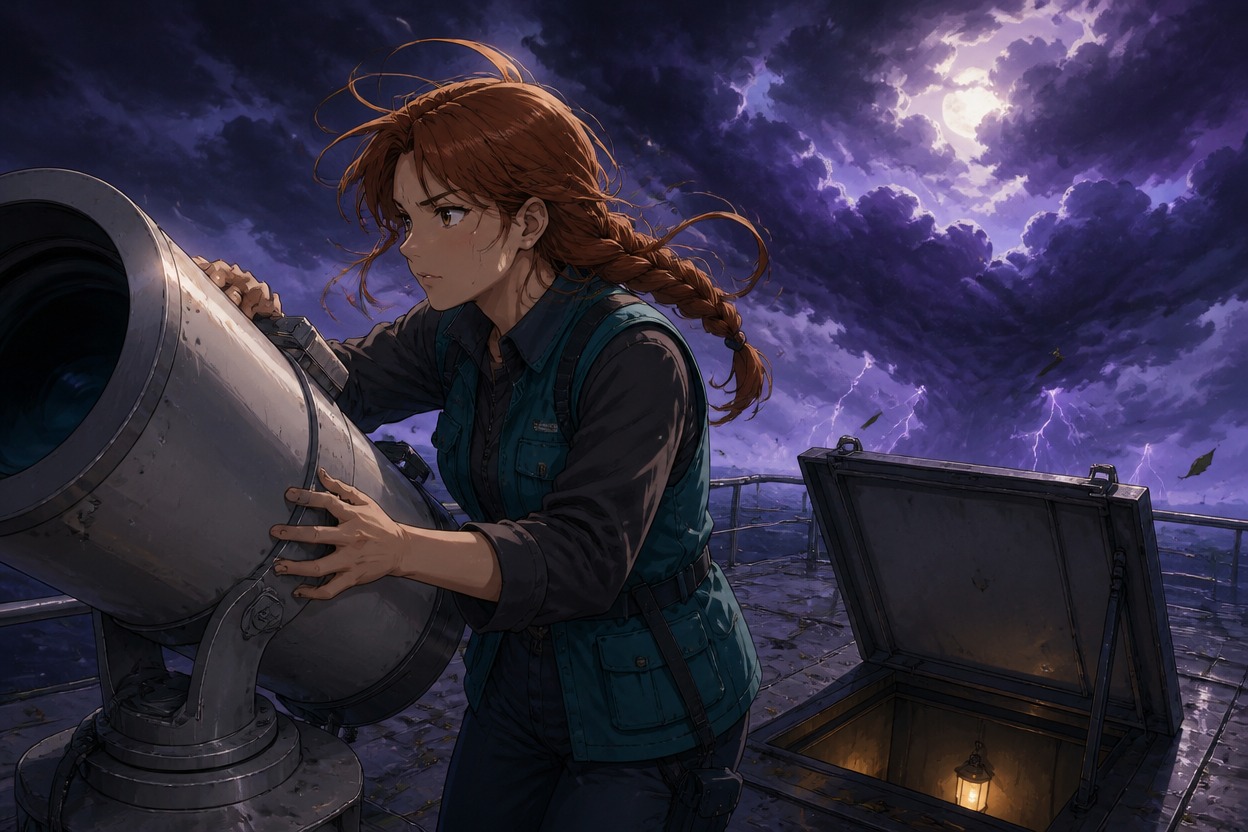
A supplied dilemma anchors the OC personality generator in a concrete moment, such as a teammate taking credit for a shared success. The profile describes the first reaction, the admission withheld, and a possible later repair, giving roleplay or dialogue a useful point of departure.

Braided auburn-haired technician in a teal vest braces a lens housing beside an open rooftop hatch during a storm.

Extra Texture for an Ensemble Cast

Smaller behavioral details support characterization without prescribing the entire story.

  • 01

    Conversational Rhythm

    Get speech habits that distinguish teasing, deflection, and direct requests without reducing a voice to a catchphrase.

  • 02

    Humor With Boundaries

    Create a comic register that fits the scene while keeping the character from joking through every serious exchange.

  • 03

    Repair After Friction

    Generate an apology pattern that reveals whether the character offers words, useful action, or a difficult admission.

  • 04

    Ordinary Anchors

    Get a small everyday habit that grounds larger emotions in a gesture, routine, or responsibility outside battle.

  • 05

    Gradual Trust Shifts

    Maintain room for changing closeness, so a later friendship can alter openness without replacing the whole personality.

  • 06

    Reader-Facing Summaries

    Produce a short cast-note version that leaves private vulnerabilities out of a public character introduction.

Put the Profile Through One Difficult Scene

A focused brief gives the proposed text result a clear purpose.

  1. Pin Down the Social Role

    Write the role your OC plays in the cast and a moment when that role becomes uncomfortable. Replace a broad label such as cheerful with something they do when a joke fails.

  2. Give Two Values a Collision

    Add a want, a feared consequence, and one person whose opinion matters. Specify the pressure scene and any existing traits the profile must retain; choose a compact or sectioned result.

  3. Read for an Observable Choice

    Ask whether the response changes a line of dialogue or an action. If it only repeats adjectives, make the dilemma more specific and revise the profile before adding it to your cast notes.

Related Character Tools

Frequently Asked Questions

Anime Personality Generator FAQ

What Is an Anime Personality Generator?

It is a planned character-writing tool for connecting an anime OC’s role, motives, traits, and behavior in specific situations. The intended result is a written personality profile, not a quiz about the reader or a psychological assessment.

How Do I Use It for an Anime Ensemble?

Provide the character’s place in the group, a private want, and a relationship that complicates it. Add a scene where those priorities clash, then read the proposed reaction alongside the rest of the cast’s responses.

Is Anime Personality Generation Free?

OCMaker AI’s current terms describe free-tier tokens and paid options, but no allowance for this planned text tool has been confirmed. Check current pricing and account access rather than assuming every profile or revision is free. Service access is restricted to users aged 18 and over.

Can I Put These Personality Notes in a Paid Visual Novel?

Check current OCMaker AI terms and your rights to any source character material before publication. A draft profile does not establish exclusive rights to an archetype or clear copied dialogue, biography, or another creator’s protected expression.

Is This a Character Quiz or a Writing Tool?

If your search was “personality generator character,” the distinction is who the profile describes. This proposed tool develops a fictional cast member from a writing brief; it does not identify which existing anime character matches you.

Which OC Details Make a Useful Starting Brief?

For a search such as “personality generator OC,” a useful brief goes beyond a name and favorite color. Mention what the OC will not admit, who notices it, and what happens when that person asks for honesty.

How Can a Tsundere-Inspired Rival Avoid Repeating the Same Insult?

Specify what the rival is protecting and when directness feels unsafe. Let concern appear through a practical action, then vary how they respond when it is noticed. An archetype can guide the starting tension without making every exchange hostile.

Can a Comic Relief Character Carry a Serious Episode?

Give the humor a social purpose, such as easing tension or avoiding scrutiny. In the serious scene, remove that usual escape and identify what the character has to say plainly. Do not assume humor conceals trauma unless your brief establishes it.

Why Does My Stoic Teammate Feel Emotionless?

The brief may only say what they do not express. Add a private preference, a specific irritation, and one action they take for someone else. Restrained expression still needs priorities that affect behavior.

How Do I Make Two Hotheaded Rivals Behave Differently?

Separate the triggers and recovery patterns. One may interrupt when status is challenged; another may stay quiet until a teammate is dismissed. Distinct reasons and aftermath matter more than giving both different synonyms for angry.

Can an Introverted OC Lead a Team Without Becoming Extroverted?

Yes as a writing direction: leadership can appear through preparation, focused questions, and private check-ins. A believable cost might be fatigue after public decisions, not a sudden replacement of the character’s social preferences.

Will the Profile Assign MBTI Types or Mental Health Diagnoses?

Diagnosis and psychological scoring are outside the proposed specification. Optional trope language is only fiction-writing shorthand. The profile should describe context-dependent choices rather than treating a label as a clinical explanation or a reliable prediction of a real person.

Find the Choice Behind the Mask

Give your anime OC one social role they can no longer perform comfortably, and a motive worth revealing.

Anime Personality Generator: Traits and Motives