Attack on Titan Name Generator

A believable name can carry an ordinary life into an extraordinary conflict. Compare personal names and surnames for soldiers, civilians, and families, with a grounded sound rather than an invented heroic translation.

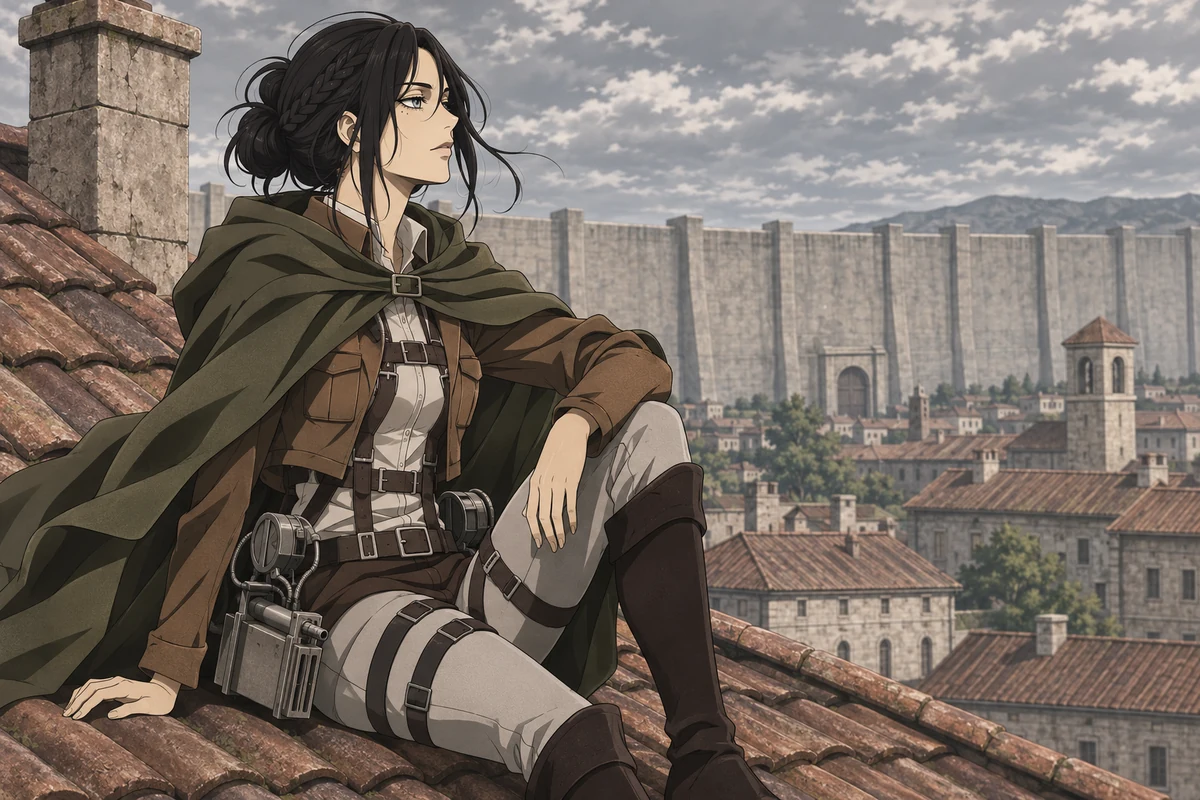
A dark-haired scout in an olive cloak and leather harness rests on a rooftop overlooking a walled stone city.

Personal Names That Belong Beside the Conflict

Keep cultural sound, family identity, and a character’s role distinct from titles for Titans.

0104

Cultural Sound, Not Fake Meanings

A stated sound direction guides combinations of given names and surnames with brief notes on their register. The proposed shortlist treats Germanic or other supplied influences as creative context, not proof that a name means freedom, courage, or any other invented translation.
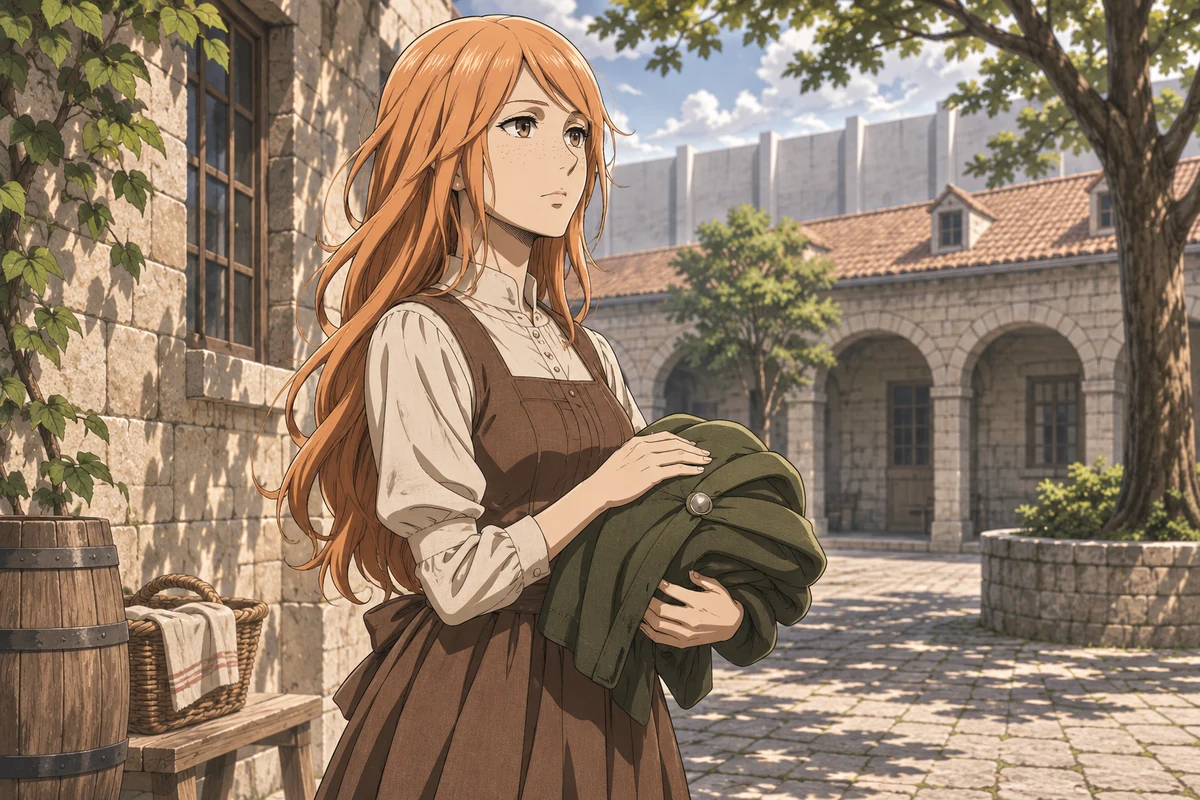
A copper-haired resident in a brown dress holds a folded green cloak in a sunlit stone courtyard.

0204

Families With a Shared Surname

A fixed surname can connect relatives while different given-name rhythms separate them in dialogue. For an OC maker family spread across military and civilian life, the result supports that relationship without assigning secret royal ancestry or borrowing a canon bloodline.

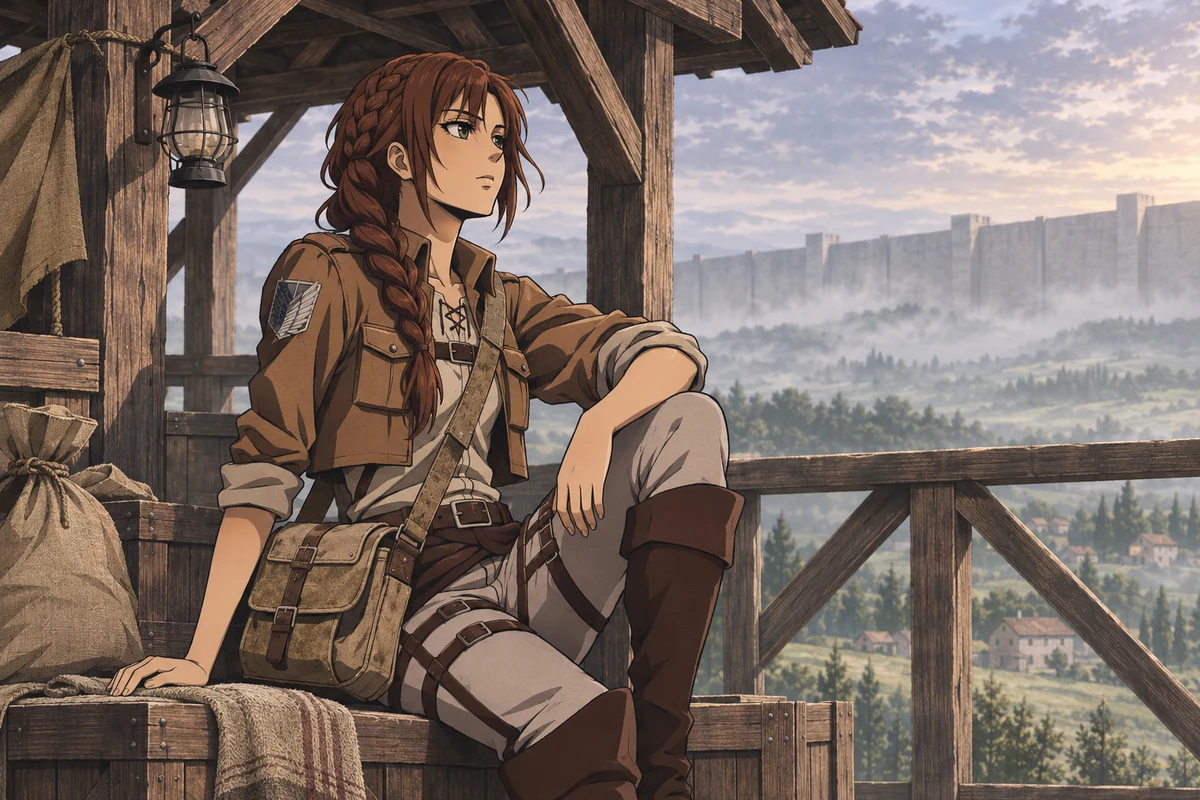
An auburn-haired supply runner in a brown field jacket sits beside a wooden watchpost above the city.

0304

Military and Civilian Introductions

An occupation changes how a name is presented, not a person’s ancestry. Full-name candidates suit formal introductions, while optional short forms suit close conversation; a later scene with an AI anime generator remains separate from the naming result.

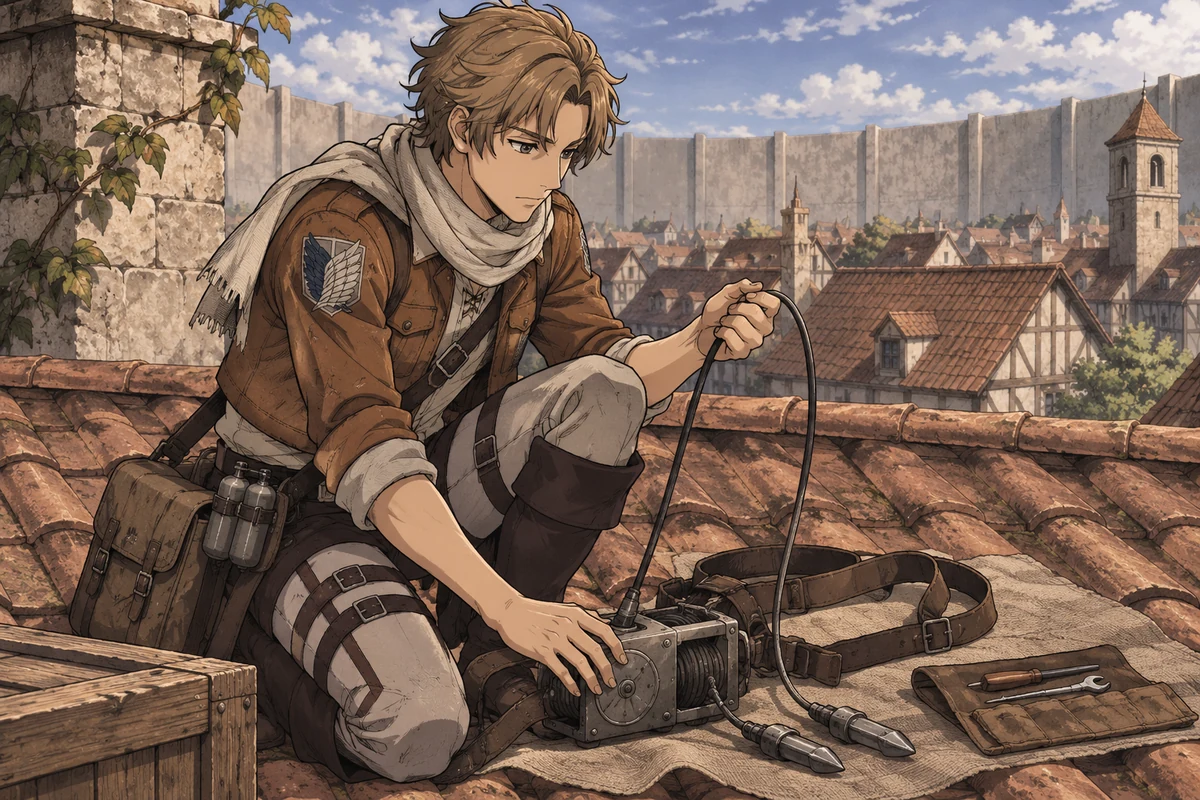
A sandy-haired scout in a brown field uniform checks a cable training rig on a tiled rooftop.

0404

Distinct Voices Within a Squad

A supplied cast list helps shape candidates with different initials, lengths, and stressed sounds. The comparison focuses on names readers can tell apart during a tense exchange, giving a small squad clearer identities without relying on elaborate titles or oversized reputations.

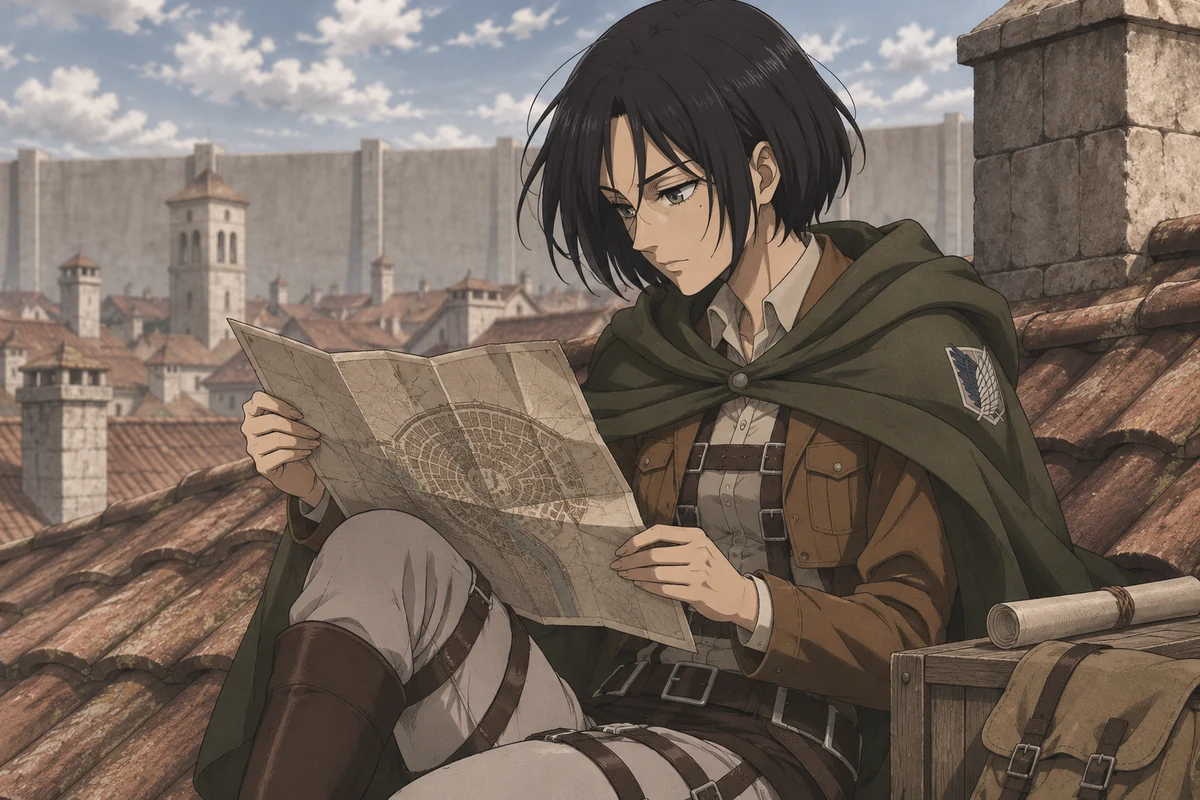
A short-haired scout in an olive cloak studies a folded map among city rooftops.

Naming Choices That Avoid Accidental Lore

A restrained shortlist leaves the character’s history and loyalties for you to decide.

  • 01

    Hold a Chosen Surname

    Maintain a supplied family name while comparing given names, without rewriting relationships already established in your notes.

  • 02

    Set a Sound Boundary

    Get options within a requested phonetic direction rather than a random mixture of modern slang and ornate fantasy syllables.

  • 03

    Exclude Famous Combinations

    Create alternatives around supplied canon names to avoid when a draft pairing recalls an existing character too closely.

  • 04

    Keep Titles Separate

    Produce personal names without treating a rank, regiment, or descriptive Titan title as part of the birth name.

  • 05

    Control Spelling Complexity

    Get simpler written forms when decorative spelling would make a name harder to follow across a long scene.

  • 06

    Reserve Unstated History

    Maintain a name-focused result that leaves ancestry, nationality, and political allegiance unassigned unless supplied.

Test the Name in a Roll Call and a Homecoming

A useful personal name must work outside a dramatic introduction.

  1. Set the Person’s Context

    Identify a civilian or military role and the story region you are using. State the cultural sound you want rather than asking for a guaranteed translation of a theme.

  2. Fix Family and Cast Anchors

    Supply an established surname if needed, plus nearby cast names. Mark canon surnames to exclude and say whether you want a nickname alongside the full name.

  3. Check Sound Before Symbolism

    Read the options in a roll call and a family conversation. Check any claimed real-world origin separately; discard an unsupported meaning instead of treating it as setting lore.

Develop the Person After the Introduction

Move from a roll-call identity to family history and a conflict worth putting on the page.

Frequently Asked Questions

Sound, Surnames, and Assumptions About Heritage

What Is the Attack on Titan Name Generator?

It is a planned text tool for personal names, surname pairings, and optional short forms for fan characters. The naming brief uses cultural sound and civilian or military context. It does not certify historical etymology, canon ancestry, or suitability under an official naming system.

How Do I Use the Attack on Titan OC Name Generator?

State the person’s role and preferred sound direction, then add a fixed surname or nearby cast names if relevant. Request a full personal name rather than a Titan title. Read the candidates aloud and verify any linguistic claims before adopting them.

Is the Attack on Titan Character Name Generator Free?

Tool-specific access and free allowances are not confirmed for this planned page. OCMaker AI’s pricing and terms describe platform plans and tokens, but do not establish free character naming here. Check the current tool notice rather than assuming unlimited use.

Can These Names Appear in a Commercial Military Novel?

Check OCMaker AI’s current terms and the rights in your inputs and proposed content. A personal name alone does not clear recognizable Attack on Titan regiments, bloodlines, character associations, or setting material for commercial publication. An independent novel needs its own rights review.

Must Every Attack on Titan OC Have a German Name?

No blanket rule is justified. Germanic-sounding names are a useful reference point, but the cast and setting include varied influences. State the background you intend rather than treating one sound palette as a mandatory rule for every character.

Can I Ask for a Name That Means Freedom?

You can use freedom as a mood or thematic direction, but a pleasant sound is not evidence of a translation. The specification does not promise verified etymologies. If a literal meaning matters, confirm it through an appropriate linguistic source before presenting it as fact.

Does a Regiment Determine a Character’s Surname?

A military assignment does not by itself establish a family name or ancestry. Use the role to choose the formality of an introduction, not to invent a universal surname rule for Scouts, the Garrison, or the Military Police.

Should I Use Ackerman or Another Familiar Bloodline Name?

Only if that connection is a deliberate choice for your fan story and you understand the setting implications. For an independent family, request a different surname. A generated suggestion should not quietly assign special ancestry just to make the character important.

Is a Titan Title the Same as a Human Character Name?

No. A descriptive title identifies a Titan or an observed trait; a human character has a personal identity that can exist outside that form. This page’s proposed output prioritizes given names and surnames, not a catalog of new Titan powers.

How Can Two Siblings Sound Related Without Rhyming?

A shared surname already establishes the connection. Given names can differ in length and initial sound, especially if both siblings appear in the same scene. Rhyming names are optional style, not evidence of a family convention in the series.

What if All My Squad Members Have Similar Initials?

Include the current squad names and ask for contrasting starting sounds and syllable counts. Test a short exchange with the surnames alone, since formal dialogue may use them frequently. Changing the given name will not help if the surnames still sound alike.

Will a Generated Name Reveal the Character’s Allegiance?

Not reliably. Names should not be treated as a factual detector of nationality, loyalty, or political identity. Supply those story choices explicitly when needed, and avoid using a sound-based shortlist to make unsupported claims about the setting’s populations.

Choose a Name With a Life Beyond the Roll Call

Find a personal name that works at home, on duty, and in the story you want to tell.

Attack on Titan Name Generator: Grounded OC Names