Style*
Background
4tokens•~30s

OC Plot Generator

A story needs more than events that happen to an OC. This character plot generator develops a goal into a causal outline, following the character’s decisions through rising trouble to a resolution you can build scenes around.

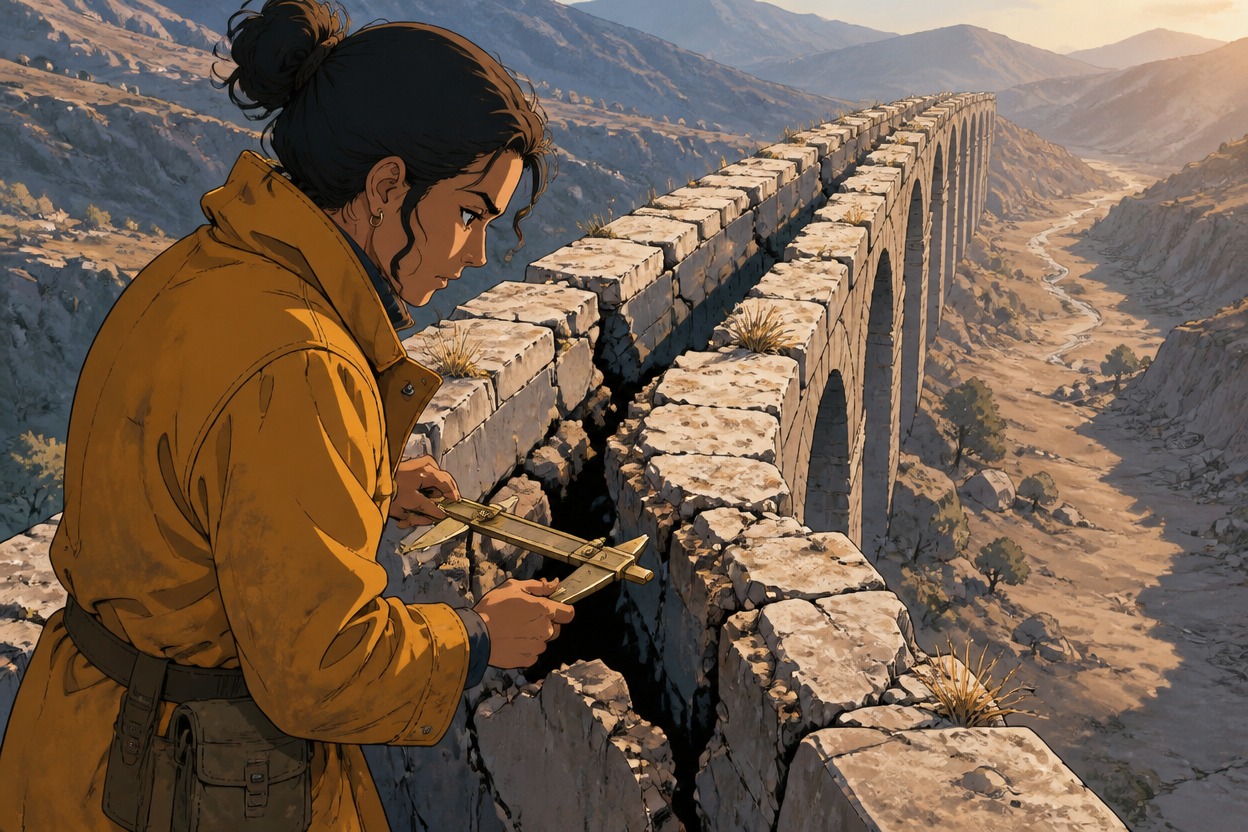
Japanese anime engineer in a saffron coat examines a cracked stone aqueduct with a brass measuring tool

Follow the Consequence Past the First Obstacle

Give the outline a destination, then inspect the decisions that earn it.

  1. Frame a Want That Can Change

    Write the OC’s concrete objective and what failure would cost. Identify the initial obstacle and the belief or habit that could make the protagonist’s first attempt backfire.

  2. Specify the Story’s Reach

    Set the intended scope, genre, cast size, and ending direction. Add any fixed world rules and scenes that must be earned; avoid requesting so many events that no beat has room for a cause.

  3. Test Every Therefore

    Read each beat after the word therefore. If two events connect only as and then, revise the decision that links them. Check that the turning point changes the approach and the resolution answers the opening goal.

OC Plot Generator for Consequences That Connect

Each stage grows from a previous decision instead of adding an unrelated incident.

0104

Beginnings Anchored in a Goal

A protagonist’s goal and the obstacle to it form the opening of a written plot outline. The initial disturbance creates a reason to act now, while the first consequential decision launches the story, giving a writer a beginning that leads somewhere rather than an isolated scene premise.
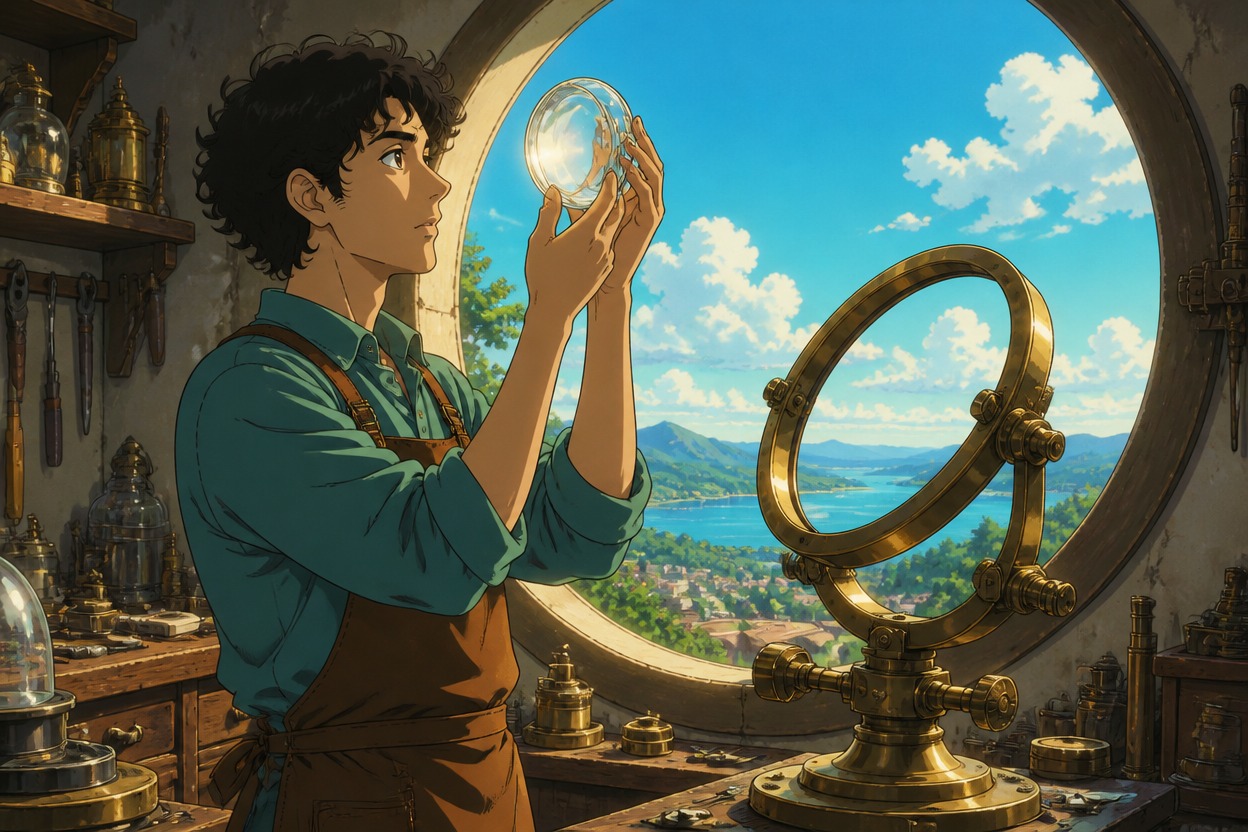

Japanese anime glass artisan raises a clear lens beside an empty brass telescope mount

0204

Escalation Through Consequential Choices

The outline develops complications from earlier actions, so a shortcut can create a debt and an attempted repair can expose a deeper problem. Each escalation beat names what changes and why, giving the middle of the story a causal spine rather than a collection of interchangeable setbacks.

Japanese anime textile dyer braces a spilling blue dye barrel beside hanging pale cloth

0304

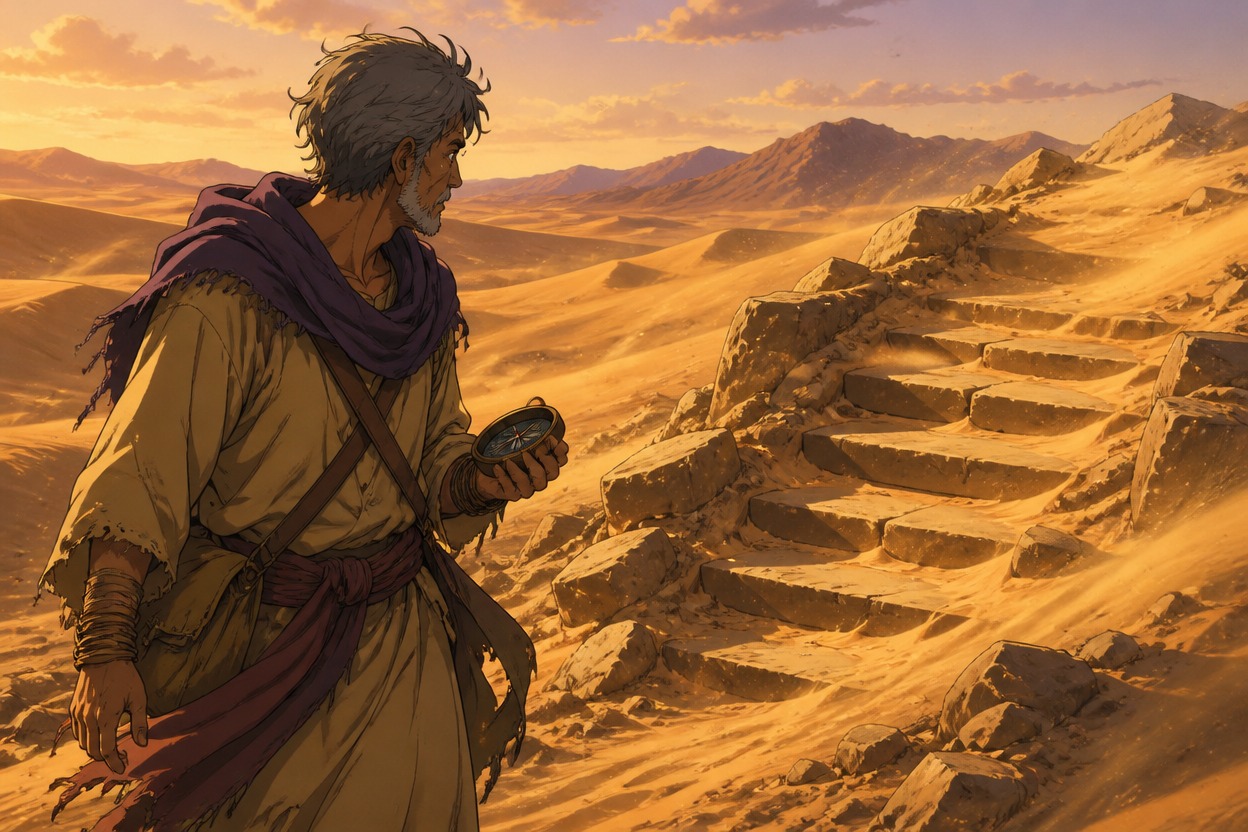
Turning Points That Change Direction

A pivotal discovery or costly choice redirects the protagonist’s approach in a dedicated turning-point beat. Its written explanation connects the reversal to earlier setup. The AI anime generator can optionally illustrate that moment after the plot has been developed.

Japanese anime desert navigator holds a compass beside stone steps exposed in the sand

0404

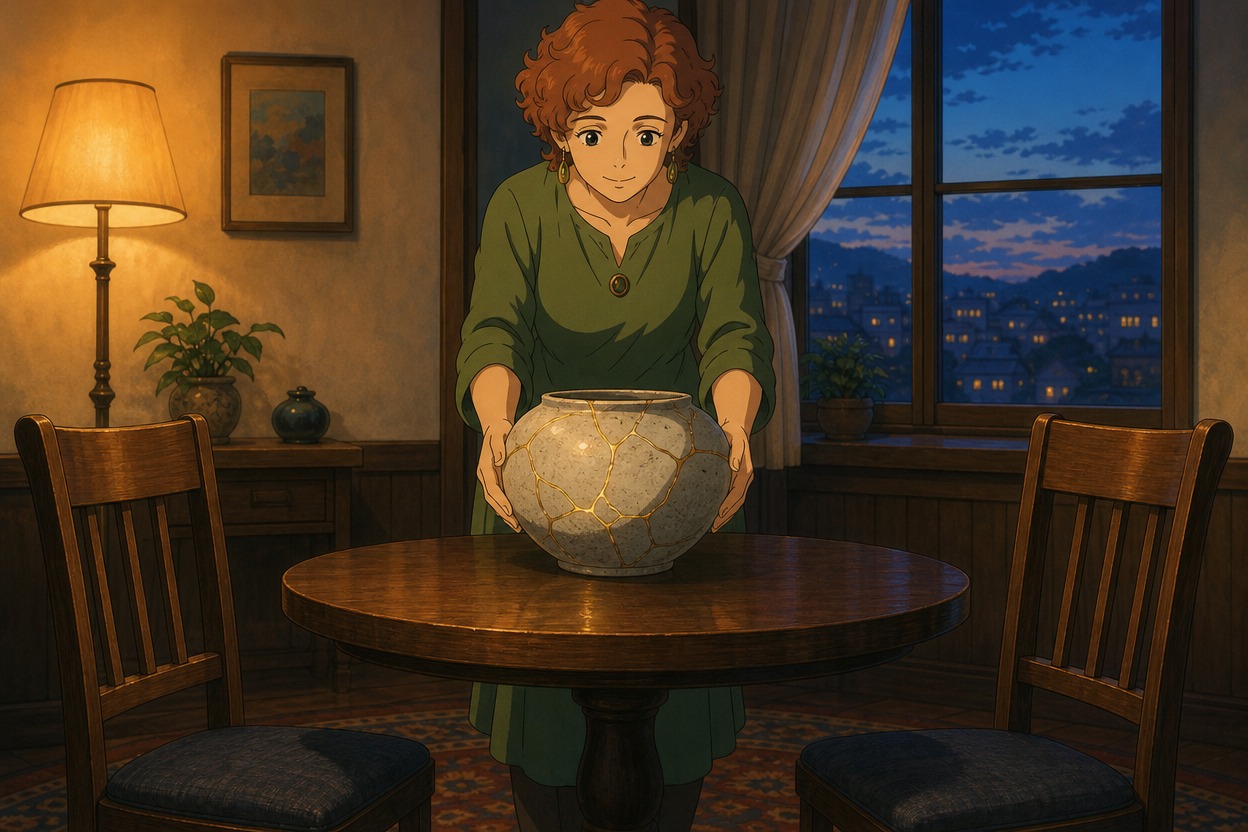
Resolutions That Answer the Beginning

The ending addresses the opening goal and the consequences of the final choice. This short plot generator produces a compact beginning-to-resolution outline, not a finished manuscript. Optional character artwork with the OC maker can accompany a later draft without replacing the text.

Japanese anime woman sets a repaired ceramic vessel between two empty meeting-room chairs

Why Use This OC Plot Generator

Planning constraints keep a causal story outline within the intended project.

  • 01

    Scope-Matched Stakes

    Short-story and longer-arc scopes frame the stakes without making every personal ambition a world-ending crisis.

  • 02

    Subplot Restraint

    A stated side-thread limit keeps the outline centered on the protagonist rather than a growing web of minor conflicts.

  • 03

    Genre-Aware Payoffs

    Mystery, comedy, and adventure contexts support different kinds of payoff instead of making every ending a battle.

  • 04

    Cast-Sized Outlines

    A supplied cast boundary focuses the plan on the available ensemble rather than relying on a succession of new helpers.

  • 05

    Room for Narrative Voice

    Structural beats leave dialogue and sentence-level narration unwritten, preserving room for the writer’s own voice.

  • 06

    World-Rule Constraints

    Supplied travel, magic, and technology limits frame the outline’s possibilities instead of serving as easy escape routes.

Support the Choices Driving the Story

Frequently Asked Questions

OC Plot Generator Questions

What Is an OC Plot Generator?

An OC Plot Generator plans a sequence of connected story events around a character. The written outline includes a beginning, escalation, a turning point, and a resolution. It is structural planning material rather than a complete story, screenplay, or illustrated sequence.

How Do I Use the OC Plot Generator?

Give the protagonist a goal, an obstacle, and a meaningful cost of failure. Specify scope and an ending direction, then inspect how each decision causes the next complication. Revise any leap that depends on an unexplained coincidence or breaks a stated world rule.

Can I Try the OC Plot Generator for Free?

OCMaker AI’s terms confirm a platform free tier, but the allowance and access for this planned text tool remain unconfirmed. Consult current pricing and your account’s included tools before treating plot outlines or additional revisions as free.

Can I Develop a Generated Outline Into a Commercial Novel?

Check OCMaker AI’s current terms for the intended use, along with the rights in your inputs and the resulting outline. Borrowed characters, adapted story beats, and third-party settings may need separate permission. This planning draft is not a commercial license or a rights review.

How Are Random Plot Ideas Different From a Connected Outline?

Random plot ideas can be separate sparks: a vanished apprentice, a broken oath, or a contested invention. An outline needs a chosen goal and a chain of consequences. Use one spark as the disturbance, then make the protagonist’s response cause the next major event.

What Makes the Middle Escalate Instead of Just Getting Longer?

Each new complication should change the cost, available options, or meaning of the goal. If a repairer lies to keep a workshop open, an inspection can threaten both the workshop and a colleague’s trust. Another unrelated broken machine merely adds length.

Does a Turning Point Have to Be a Surprise Twist?

No. A character can knowingly abandon a failing strategy or accept a cost they previously refused. The important change is direction: after the turning point, the old approach should no longer be enough. A startling revelation without any effect on decisions is not doing that work.

Can a Short Plot Resolve Without a Final Fight?

Yes. The decisive action might be a confession, a negotiated compromise, or giving up a prize to meet a more important obligation. The resolution still needs to answer the opening problem and show a consequence; quiet does not mean unfinished.

Why Does My Ending Depend on an Ability That Never Appeared Earlier?

The outline has introduced an unearned solution. State the available abilities and limitations before generation, then look for an earlier beat that establishes the final method. If that setup does not fit, change the ending rather than adding an unexplained rescue.

How Can I Plan a Tragic Ending Without Making Every Choice Pointless?

Specify what the protagonist can affect even if the central goal is lost. They might fail to save a workshop but protect an apprentice from taking the blame. The final consequence should arise from a decision, not erase every effort through arbitrary disaster.

Can I Outline a Character Who Refuses to Change?

Yes. Keep the belief stable while external pressure increases. Other people’s decisions and the protagonist’s repeated commitment can still cause escalation. The ending should reveal what that steadfastness preserves or costs, rather than quietly giving the character an unrequested transformation.

Make the Ending Follow From a Choice

Give the OC Plot Generator a goal worth pursuing and develop the consequences into an outline with an earned resolution.

OC Plot Generator: Cause-and-Effect Story Outlines