
BSD Ability Ideas Generator

An ability becomes interesting when its rule creates a problem. BSD Ability Ideas Generator develops literary-inspired power concepts for Bungou Stray Dogs OCs, connecting an evocative title to an effect that can be challenged.

A dark teal-haired detective in a tan jacket conjures paper strips into a compass beside a sunlit bookshop alley.

Literary Motifs Become Rules With Consequences

Ability concepts explain not only what happens, but why an opponent still has a chance.

0104

A Motif Becomes a Mechanism

The BSD ability generator develops a supplied literary motif into a concrete effect rather than a broad theme. A story about missed departures might inspire an ability that delays one moving object, with the target and trigger stated clearly enough to create a specific scene problem.

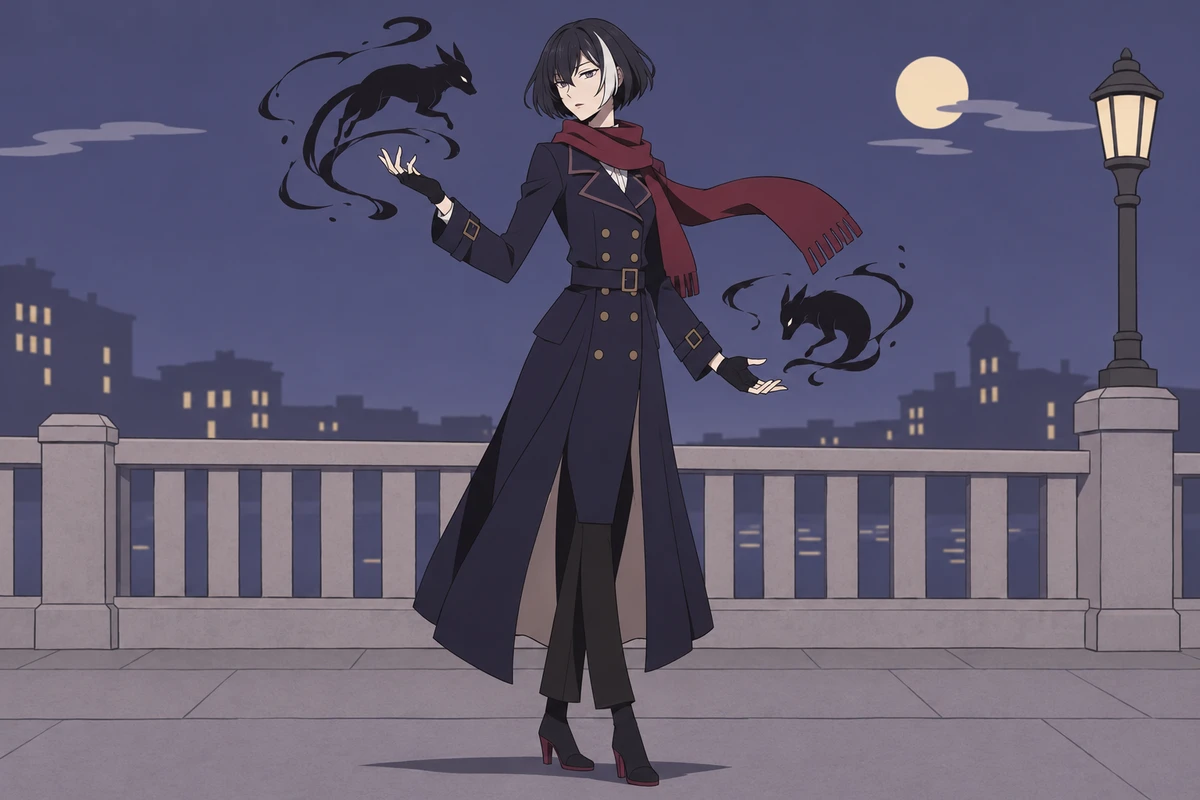
A silver-haired woman in a plum suit holds a glowing glass flower on a conservatory staircase.

0204

Names That Explain the Premise

The BSD ability name generator proposes titles with brief motif notes, separating the name’s mood from the effect’s working rule. An OC maker profile can then connect a restrained title to its owner’s habits without treating a dramatic phrase as permission for limitless powers.

A copper-haired teen in a mustard sweater and navy capelet conjures golden paper birds above a harbor at sunset.

0304

Costs That Change the Decision

An effect and its intended scale shape a written cost, hard boundary, and recovery condition. The resulting ability sheet makes a user choose when an intervention is worth its price, giving a street-level mystery different stakes from a city-wide disaster without inventing official rankings.

A blond investigator in a charcoal coat touches a library wall as pale blue sound rings appear.

0404

Counterplay Makes the Scene Move

The BSD OC ability generator pairs a power with a counter and an example of failure, so the scene has more than one possible outcome. An optional AI anime generator illustration can follow the written confrontation, while the rules explain what an opponent can exploit.

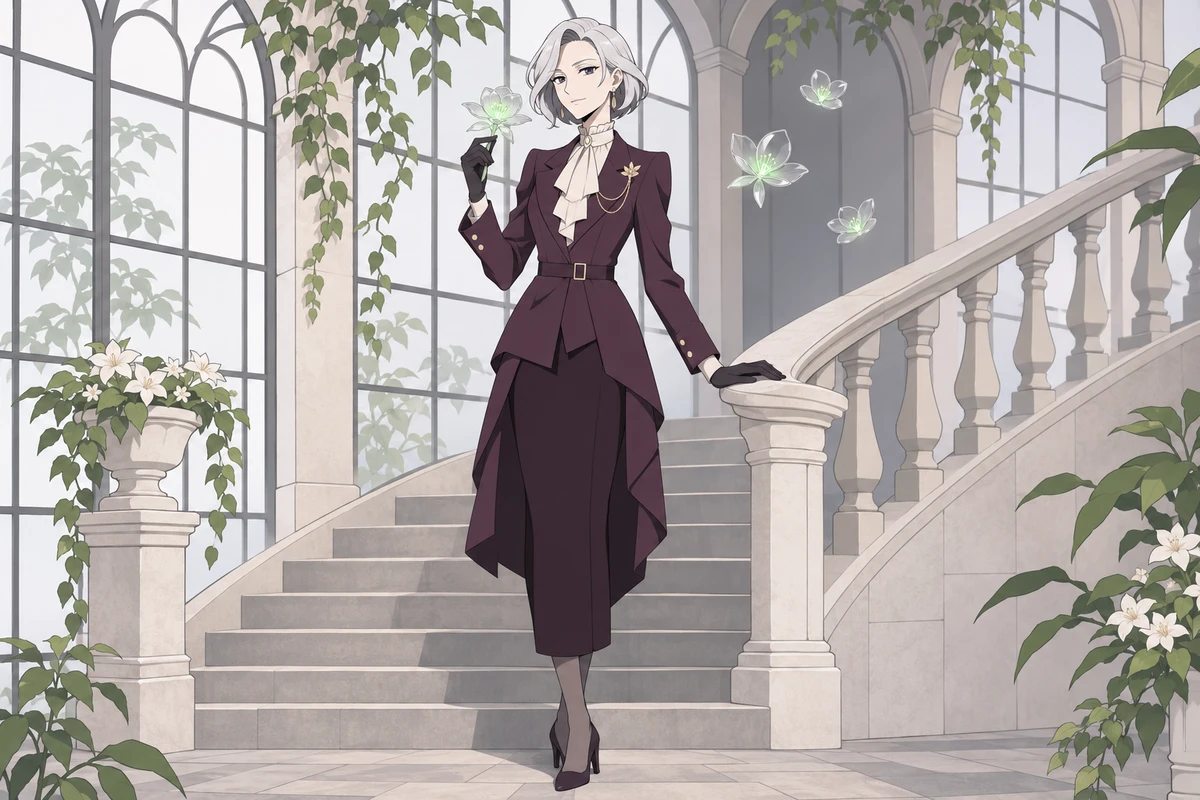
A black-haired woman in a long navy coat and crimson scarf creates two smoky ink hounds on a moonlit city bridge.

Extra Hooks Beyond the Main Ability Effect

Secondary details give a rule traces, habits, and quieter uses in the world.

  • 01

    Activation Tells

    Get a sensory cue that lets another character notice activation, creating room for suspicion before proof arrives.

  • 02

    Noncombat Applications

    Generate a modest everyday use for the same rule, showing how an ability matters outside direct confrontation.

  • 03

    Evidence Traces

    Create a residue or aftermath detail that an investigator might interpret, without resolving the mystery for them.

  • 04

    Owner Connections

    Produce a connection between a personal value and an ability’s premise, giving the power a reason to suit its bearer.

  • 05

    Excluded Effects

    Maintain requested boundaries around themes such as memory alteration, keeping unwanted mechanisms out of the concept.

  • 06

    Interaction Questions

    Get one unresolved interaction with a supplied second power, leaving room to establish fair rules before a scene.

Take a Literary Image Through a Failure Test

Define the literary premise before testing the ability’s weakest moment.

  1. Extract a Literary Tension

    Name a motif, image, or dilemma from literature and summarize it in your own words. Specify whether you want an invented title or a reference you will verify separately.

  2. Bound the Effect Before Expanding

    Write one target class and intended scene scale. Ask for activation, effect, cost, hard limit, recovery, and counterplay; exclude mechanisms that would spoil your mystery.

  3. Attempt a Failure Scene

    Read the sheet as an opponent and try to interrupt the trigger or deny the resource. Revise any clause that removes all possible resistance, then check the literary reference independently.

Connect the Ability to Its Bearer

Develop the mechanism further or investigate the person who must live with its rules.

Frequently Asked Questions

Literary Power Questions and Rule Problems

What Is the BSD Ability Ideas Generator?

It is a planned text tool for literary-inspired abilities for Bungou Stray Dogs OCs. The proposed output includes a title, mechanism, activation condition, cost, limits, and counterplay. BSD here refers to the fandom, not a clinical assessment or a real-world ability claim.

How Do I Use a Literary Motif as the Starting Point?

Summarize the motif in plain language, then identify one action it suggests. A theme of separation might become a rule about distance rather than an unrestricted emotional power. Specify the scene scale and request boundaries before adding secondary effects.

Is the BSD Ability Ideas Generator Free?

OCMaker AI’s terms describe platform tokens obtained through a free tier or paid options. They do not confirm a free allowance for this proposed ability-planning tool. Consult current pricing and the tool’s access conditions rather than assuming repeated ability revisions are unlimited.

Can I Publish an Ability Named After a Literary Work?

Review OCMaker AI’s terms, your source material, and any Bungou Stray Dogs elements in the project. Literary titles, quoted passages, translations, and characters can raise different rights questions. An ability suggestion is not permission to reuse protected text or franchise material commercially.

Must Every Ability Use an Actual Book Title?

No. An invented title can express a literary motif without pretending to be a real publication. If you choose an existing work, verify the title and author. Keep any explanatory paraphrase separate from a quotation you may not have permission to reproduce.

How Is a Cost Different From a Hard Limit?

A cost is paid when the ability is used, such as consuming a stored resource. A hard limit defines what it cannot do, such as affecting only one moving object. Increasing the payment should not silently remove that boundary.

What Counts as Fair Counterplay for a Mystery Ability?

The opponent needs a discoverable way to resist, interrupt, or avoid the effect. For a contact-triggered power, preventing contact may suffice. A hidden exception that appears only when the writer needs a rescue is not the same as an established counter.

Can a Subtle Power Work Without Becoming Mind Control?

Yes. Restrict the effect to information, objects, or a defined sensory change rather than deciding another person’s choices. If mental influence is unwanted, exclude it explicitly so a metaphor about persuasion does not become compulsory obedience.

Will a Japanese Ability Title Come With a Verified Translation?

Verified Japanese naming and translation are not specified. Use an English working title unless you can check the intended wording with a reliable source or qualified speaker. Do not present an invented Japanese phrase as an authentic translation of a literary work.

Why Does My Ability Acquire a New Exception in Every Scene?

The rule may combine several unrelated effects. Reduce it to one mechanism and list the target, range, duration, and stopping condition together. New applications should follow those rules instead of adding an exception whenever the character faces resistance.

Can a Detective Use an Ability Without Solving the Whole Case?

Yes. Let the effect reveal a bounded clue rather than a complete answer. Detecting that an object moved can create a useful lead while leaving the mover, motive, and timing uncertain. The investigator still has reasoning to do.

How Do I Handle Two Abilities With Conflicting Rules?

Write an interaction ruling before the confrontation. Identify which trigger occurs first and whether either ability changes the other’s target conditions. If both descriptions claim absolute priority, revise one; a dramatic name alone should not determine the winner.

Write the Rule That Can Be Turned Against Its User

Develop a literary-inspired ability with enough restraint to make its next use a real choice.

BSD Ability Ideas Generator: Literary Powers With Limits