Fursona Idea Generator

A species pick is only the beginning. Develop a fursona concept where the palette, personality and signature motif belong together, with a written direction you can adapt before settling on the look.

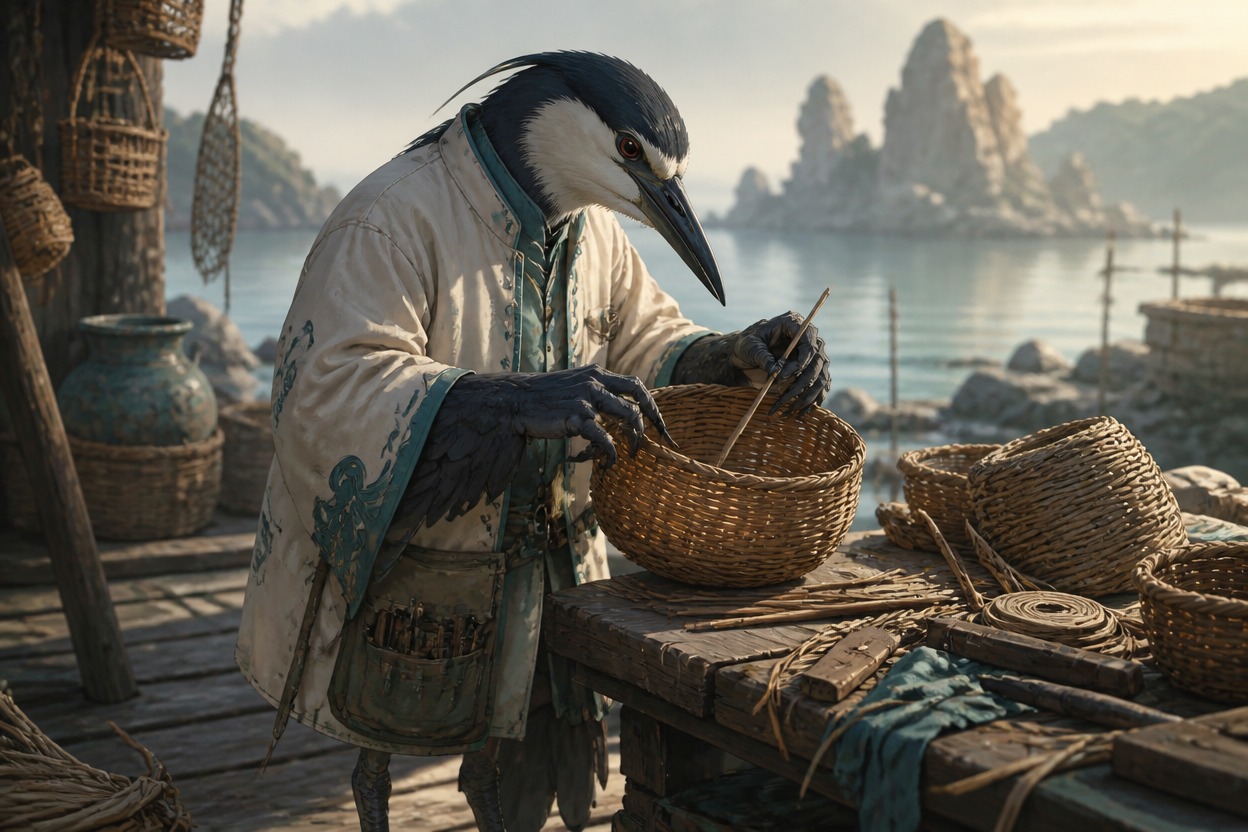
A heron repairing a woven basket at a coastal workbench

Find the Anchor Before Adding Details

A proposed text workflow for this independent tool.

  1. Write What the Fursona Should Express

    Use one interest or atmosphere, such as coastal craft or late-night gardens. Add one trait you relate to and one you want to explore; select a species only if it is already important to you.

  2. Put Boundaries Around the Design

    State the body plan, a color you want to retain and the number of competing motifs to avoid. Identify any fixed feature so new concept directions change the rest rather than rewriting your favorite detail.

  3. Test the Idea as a Short Brief

    Read the species rationale, palette roles and motif together. Remove a detail that does not reinforce the concept, then request another direction around the same anchor if the result feels like a random costume.

Fursona Concepts Whose Details Belong Together

Connected design decisions, not a pile of unrelated random traits.

0104

A Species With a Reason

Interest-led concepts connect a species choice to the way you want the avatar to feel, without treating animal stereotypes as personality rules. A shore-loving bat or a methodical hyena can come with a short rationale, giving the written idea a stronger foundation than a random species pick.
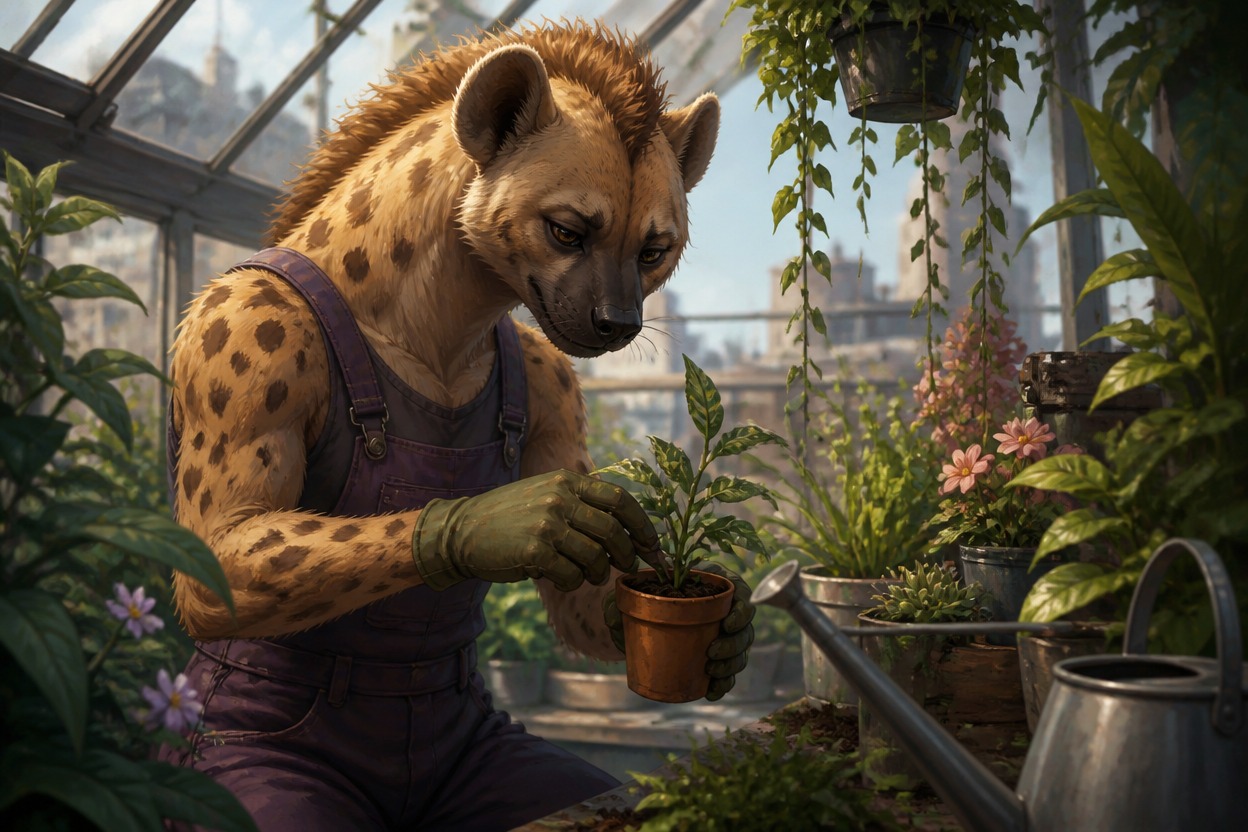
A spotted hyena tending a potted plant in a greenhouse

0204

Palettes With Clear Color Roles

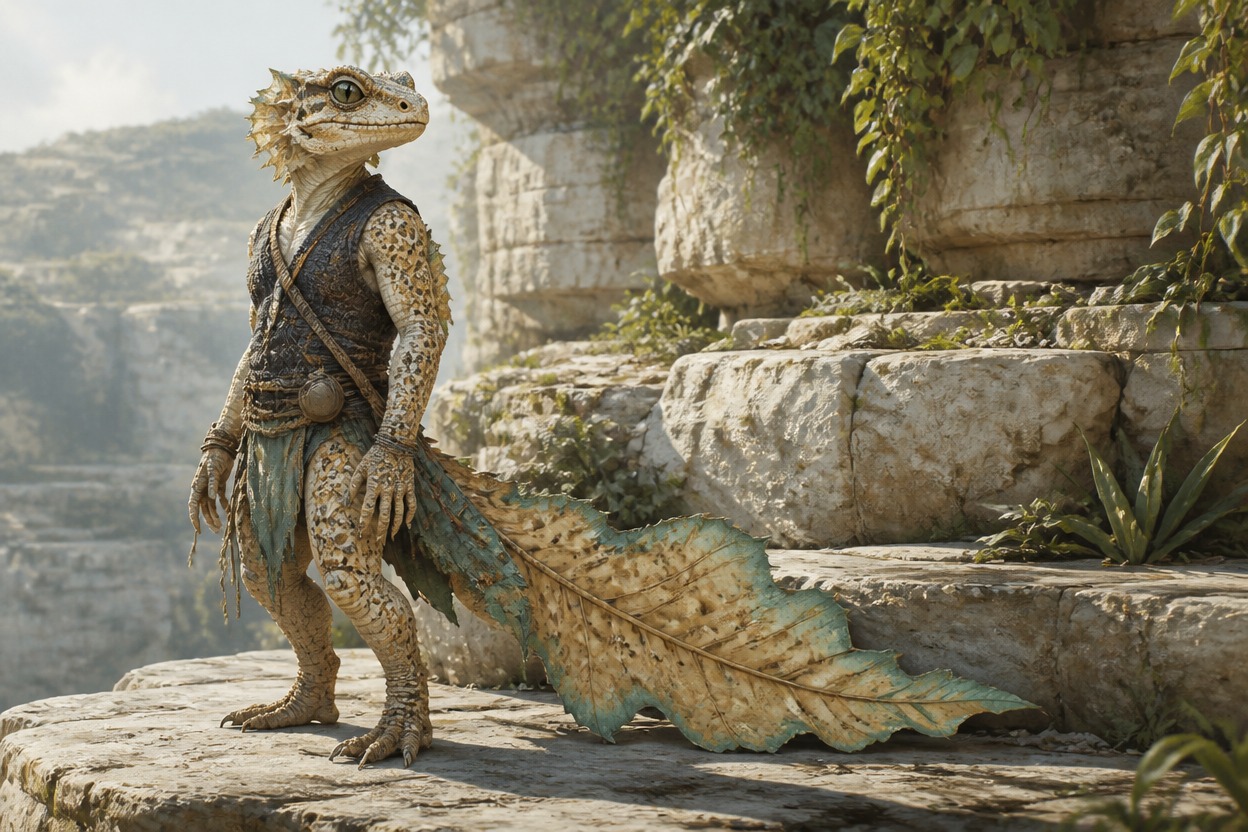
Palette descriptions assign a base, supporting color and restrained accent to specific areas of the fursona. A concept developed later in the OC maker starts with a readable color plan, not an unstructured string of shades competing across every marking and accessory.

A leaf-tailed gecko in a charcoal vest on a limestone terrace

0304

Personality Made Into a Motif

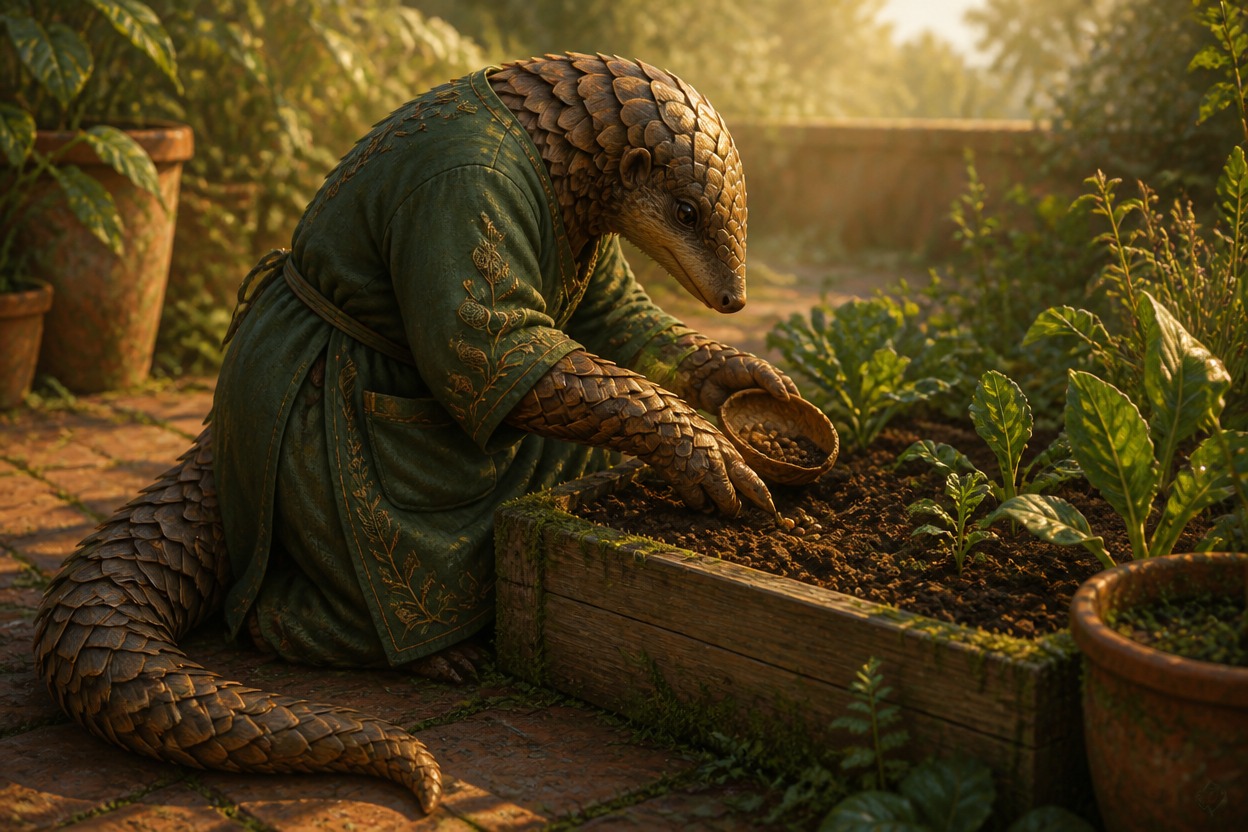
A trait, a tension and a recurring motif connect behavior to the design. For an AI anime generator brief, a patient repairer might carry a stitched-wave detail; the text explains the relationship instead of adding arbitrary stars, stripes and props to fill space.

A pangolin gardener crouching beside a raised bed with a seed scoop

0404

Alternatives Around One Anchor

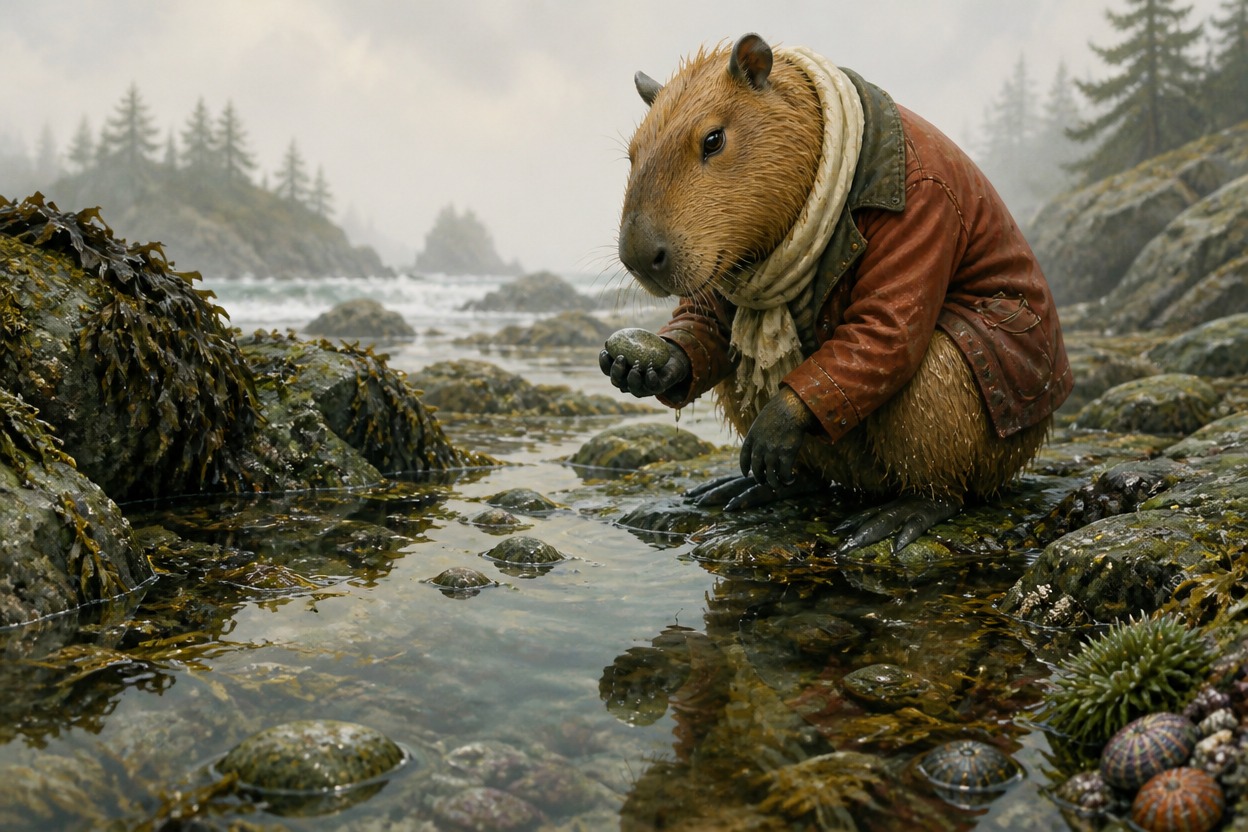
Anchored variations keep a favorite idea while changing the surrounding concept. A love of tide pools might lead to a reserved heron or an outgoing gecko, each with its own palette and motif, so the text offers meaningful alternatives rather than three recolors of the same fursona.

A capybara holding a pebble beside a misty coastal tide pool

A Concept Brief With Room to Develop

Supporting details that make the idea easier to discuss and adapt.

  • 01

    Body Plan Clarity

    Get a written silhouette note that distinguishes digitigrade legs, wing-arms or a broad tail before accessories compete for attention.

  • 02

    Outfit Purpose

    Create an outfit cue tied to a hobby or everyday role, giving clothing a reason to belong to the concept.

  • 03

    A Manageable First Sketch

    Produce a simplified version that keeps the defining motif while leaving optional micro-patterns out of an early drawing.

  • 04

    Social Presence

    Generate a short interaction cue that shows how the fursona greets others, beyond a list of personality adjectives.

  • 05

    Intentional Negative Space

    Maintain unmarked areas in the written design so that the main pattern has contrast rather than covering every surface.

  • 06

    A Question to Explore

    Get one unresolved design question with the concept, giving the next revision a focus instead of treating the draft as finished.

Related Character Tools

Frequently Asked Questions

Questions About Fursona Idea Generator

What Is a Fursona Idea Generator?

It develops a written direction for a personal anthro avatar. The planned output connects a species rationale, palette roles, a personality tension and a signature motif, with supporting body and outfit notes rather than a finished character asset.

How Do I Use It When I Only Have a Vague Feeling?

Describe an interest or atmosphere and one trait you want the avatar to express. Let the species stay open, compare the proposed rationales, then keep one anchor while revising any palette or motif that does not support it.

Are Written Fursona Ideas Free?

Tool-specific access and pricing have not been confirmed for this planned feature. The platform's current pricing and token information should not be read as a guarantee of free concept generation; verify the conditions shown for this text tool before using it.

Can I Commission or Sell a Character Based on the Concept?

Check the current OCMaker AI terms, your supplied references and any community-specific species rules before a paid commission or sale. A written species-and-motif concept is not rights clearance, and commissioned artwork may carry separate licensing terms.

Does a Fursona Ideas Generator Choose My Species for Me?

It can propose species with reasons, but the decision stays yours. A suggestion should connect to your interests or design preferences, not claim that an animal type reveals your real personality.

How Many Colors Should a First Concept Use?

A small working palette is easier to evaluate: a base, a support color and one accent are a useful starting structure, not a requirement. Give each a location so that the design does not become an even scatter of every shade.

How Can a Shy Fursona Avoid Looking Sad?

Describe shyness as a social habit, such as waiting before joining a conversation, rather than a permanently downcast expression. Balance it with curiosity or a welcoming gesture so the trait informs behavior without flattening the whole character.

What Makes a Hybrid Idea Anatomically Clear?

Name the primary body plan and assign the secondary species to a limited feature, such as ear shape or tail texture. If every limb follows a different animal, reduce the combination until the silhouette can be described in one sentence.

Can a Motif Be More Subtle Than Stars or Stripes Everywhere?

Yes. Place one repeated shape in a few meaningful locations, such as a wave-shaped cuff seam echoed in the tail marking. Leave other areas quiet so that the motif remains noticeable and easier to draw.

What If the Concept Feels Like an Animal Wearing a Random Outfit?

Ask what the clothing says about the fursona's interests or daily activities. Replace unrelated costume pieces with one functional cue, then check that its materials and colors also support the central atmosphere.

Does This Produce a Finished Reference Sheet?

No. The specified output is a text concept, not a verified multi-angle sheet, production file or guaranteed anatomical design. An artist can interpret it later, and you should resolve ambiguous limb, marking and color notes before commissioning detailed views.

Can I Explore a New Direction Without Losing My Favorite Detail?

Treat the favorite feature as a fixed anchor and state what is allowed to change. For example, retain a tide-pool theme while comparing an avian silhouette with a reptile silhouette, rather than requesting unrelated replacements for every detail.

Keep the Detail That Makes It Yours

Build a connected species, palette and personality direction around one idea you do not want to lose.

Fursona Idea Generator: Species, Palette and Personality