Style*
Background
4tokens•~30s

OC Scenario Generator

Your characters are in the same place, but something has just changed. This character scenario generator drafts an immediate situation for fiction or roleplay, stopping where your OC must decide what to do next.

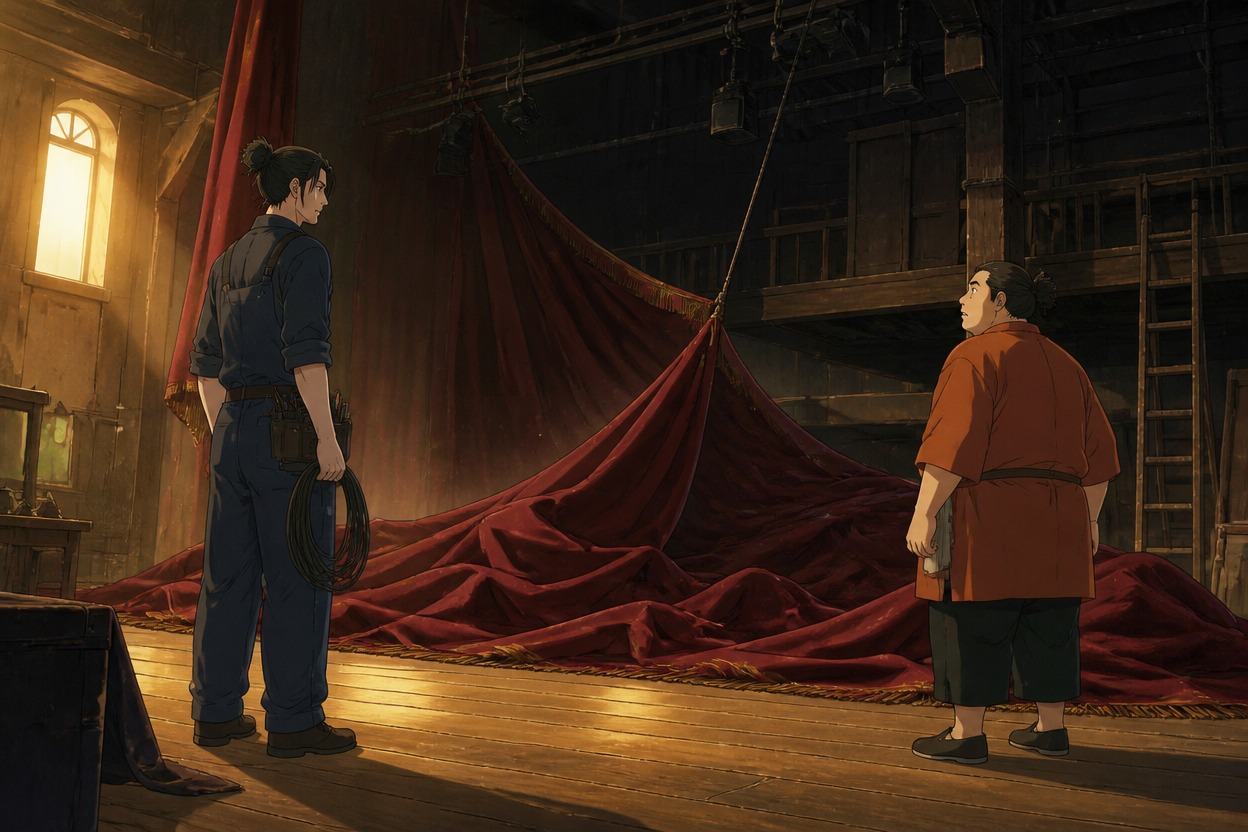
Japanese anime scene of two theater workers holding a cable beside a fallen red velvet curtain

OC Scenario Generator for the Unsettled Moment

Scene starters establish pressure without choosing a response on the character’s behalf.

0104

Roles Inside One Situation

The generator brings character roles and a shared location into a bounded scene brief. Its opening establishes who is present, why they cannot simply ignore each other, and what has interrupted the moment, giving roleplay partners common ground without scripting either character’s response.
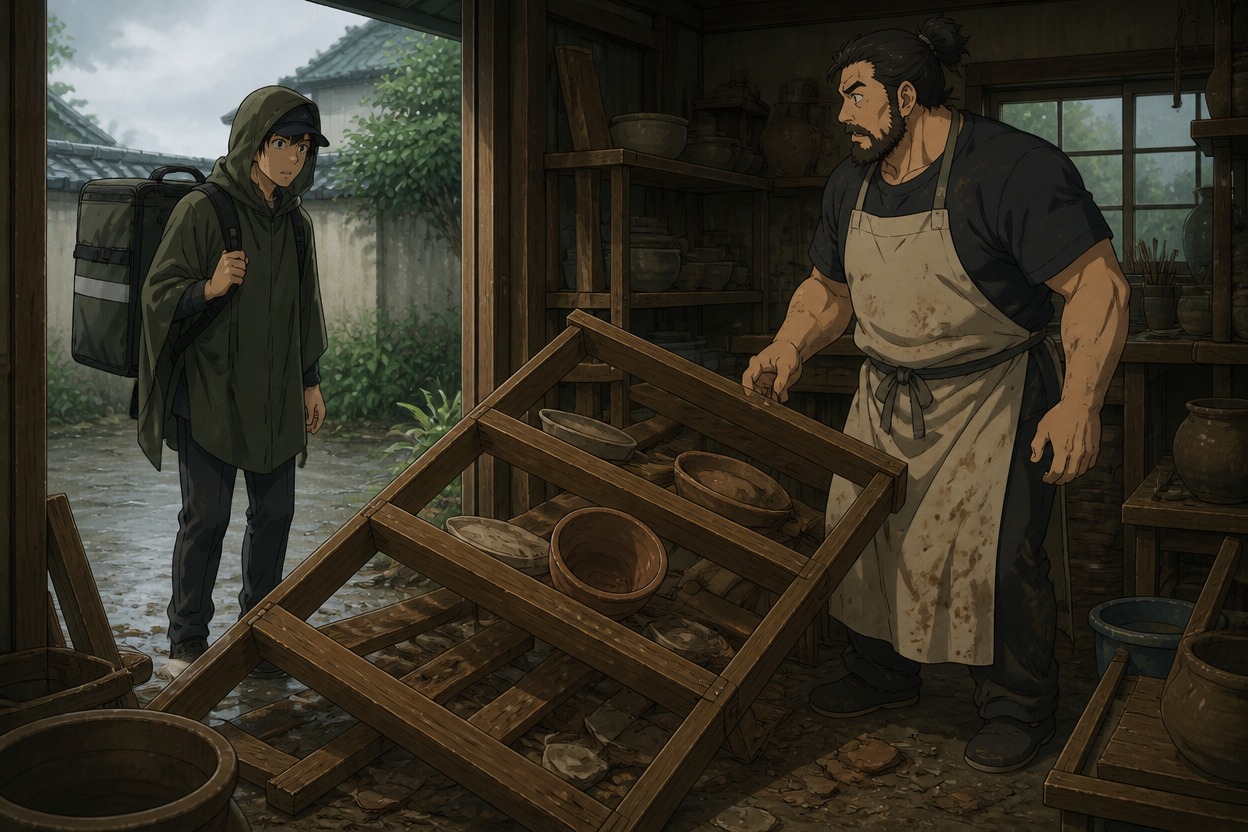
Japanese anime courier with an olive delivery backpack faces a ceramicist across a fallen pottery rack

0204

Triggers That Demand Attention

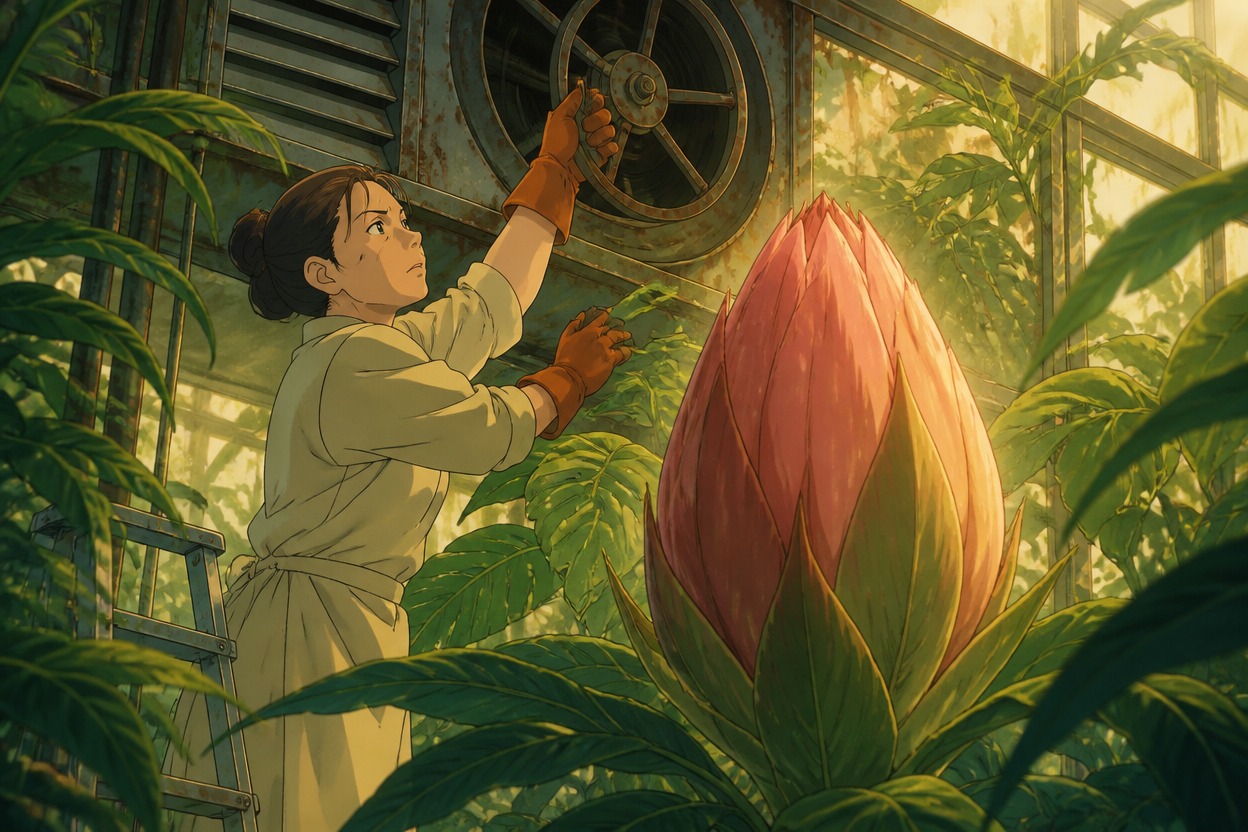
A specified mood and disruption shape the incident that starts the scene. The written trigger turns an ordinary task into an immediate complication, such as a conservatory vent failing before a rare bloom opens, so a writer has something concrete to react to rather than a vague atmosphere.

Japanese anime gardener reaches for a conservatory ventilation wheel beside an enormous flower bud

0304

Dilemmas With Room to Respond

Competing priorities become a written dilemma with more than one plausible response. The OC scenario prompt generator leaves the decision open for play. An AI anime generator can optionally illustrate the situation afterward; the scene starter itself remains text.

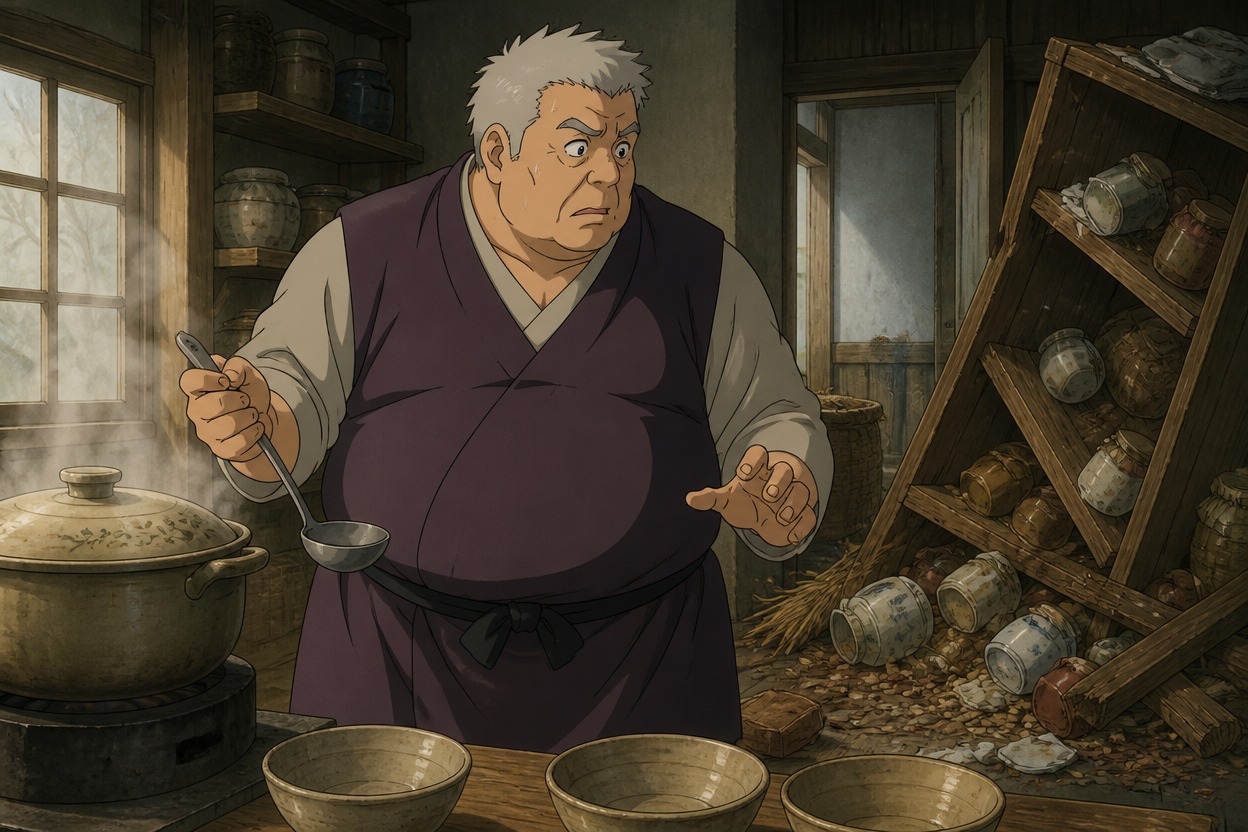
Japanese anime silver-haired kitchen coordinator holds a ladle between a steaming pot and collapsed shelves

0404

Next Moves Without Predetermined Endings

The closing hook identifies an available next action without deciding its success or revealing a final outcome. This scenario generator for OCs produces a handoff to the writer or partner, not a completed plot. The OC maker is an optional next stop for character illustration.

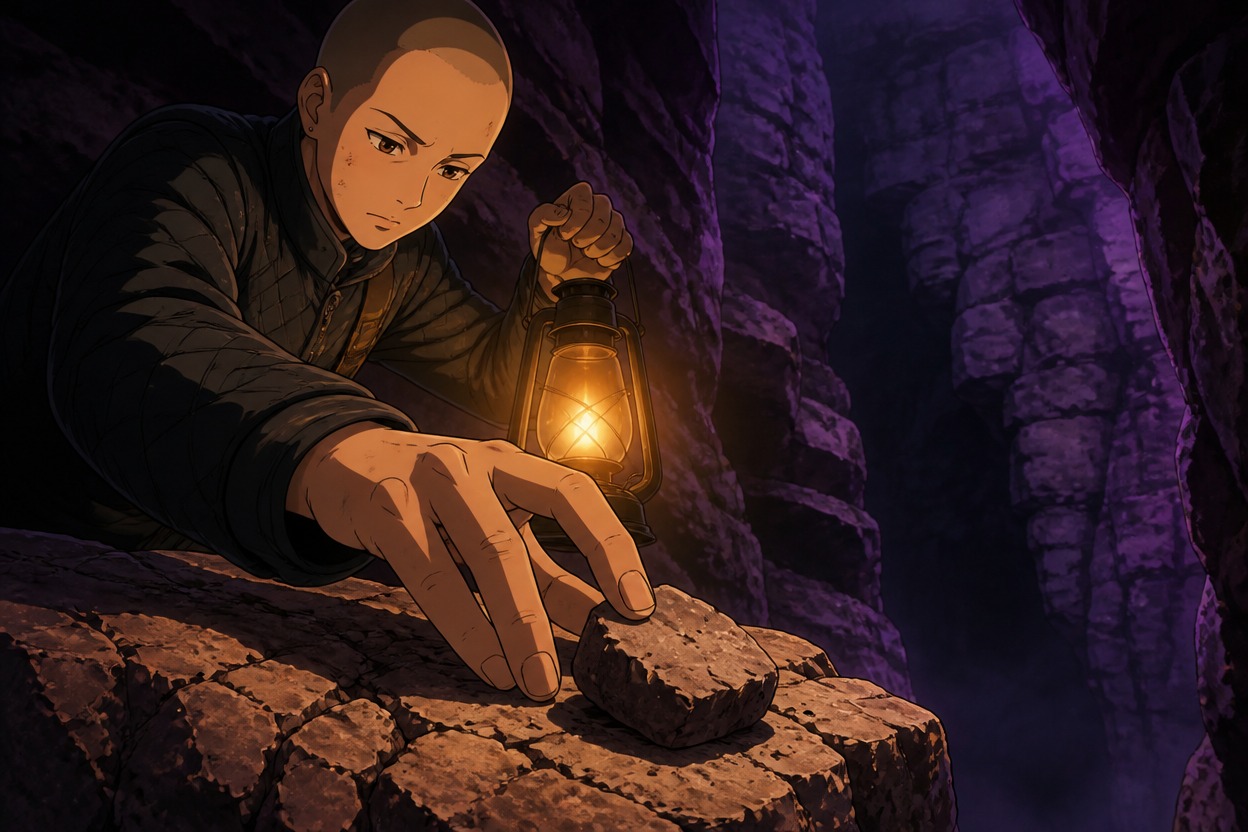
Japanese anime shaved-headed cave explorer reaches for a loose stone while holding a lantern in a violet passage

Develop the People Behind the Encounter

Why Use This OC Scenario Generator

Additional controls help a starter fit the people who will continue it.

  • 01

    Adjustable Scene Length

    Compact starters and fuller setups offer enough context for a reply without turning the opening into a whole chapter.

  • 02

    Viewpoint Boundaries

    A chosen viewpoint frames what the opening reveals, keeping private thoughts outside another character’s knowledge.

  • 03

    Genre-Suited Friction

    Cozy inconveniences, speculative complications, or suspenseful tensions give each genre an alternative to combat.

  • 04

    Partner Agency

    Unwritten partner dialogue and decisions leave collaborators room to respond rather than accept a scripted reaction.

  • 05

    Self-Contained Starting Context

    A self-contained scene introduction gives new roleplay partners shared context without a lengthy character archive.

  • 06

    Content Boundaries

    Stated exclusions define the requested setup and give collaborators a clear basis for discussing the scene before play.

Stage the Moment Before Anyone Answers

A useful setup ends at a decision, not after the consequences have already played out.

  1. Put Everyone in One Place

    Name the participating OCs, their roles in the encounter, and a location they can act within. State what each person is trying to do right now rather than supplying their entire life history.

  2. Mark the Interruption and Limits

    Describe what has just changed, the two priorities now in tension, and the desired mood. Specify any excluded themes and whose viewpoint should frame the opening.

  3. Stop Before the Response

    Read the starter through its final sentence. If it decides a partner’s reply or resolves the trouble, ask for an earlier stopping point and an available action with no predetermined result.

Frequently Asked Questions

OC Scenario Generator Questions

What Is an OC Scenario Generator?

An OC Scenario Generator drafts one immediate situation around your characters. Its text establishes participants, a location, a triggering event, competing priorities, and an open next move. It is a starting point for a scene, not a full sequence of story events.

How Do I Use the OC Scenario Generator?

Provide who is involved, where the encounter happens, and what suddenly makes the moment difficult. Add the desired tone and a stopping boundary, then use the unfinished decision as the opening for your own prose or a roleplay reply.

Is the OC Scenarios Generator Free to Use?

OCMaker AI’s terms describe a platform free tier. Access and generation allowances for this planned text tool have not been confirmed. Check the current account benefits and pricing before assuming that scenario drafts or revisions are included.

Can I Use a Scenario Starter in a Paid Roleplay Module?

That depends on OCMaker AI’s current terms and the rights in your inputs and resulting text. Check any borrowed setting, another player’s OC, and adapted passages before publishing a paid module. A generated scene starter does not clear those third-party rights.

How Is a Scenario Different From a Plot Outline?

A scenario holds at a live situation: two coworkers discover that the only rehearsal room has flooded just before a performance. A plot follows what their decisions cause over time, including escalation and a resolution. For a starter, stop before they settle on a solution.

Can I Make a Two-Character Starter Without Writing My Partner’s Reply?

Give each OC a role and a reason to be present, but identify your own focal character. Ask for observable actions from the other participant rather than invented dialogue or agreement. Before sharing, remove any sentence that decides how your partner feels or responds.

Why Does My Scene Starter Already Resolve the Dilemma?

The request may describe an entire adventure or include a desired ending. Narrow it to the instant after the disruption and specify that the last line must offer an action, not its result. Generated text can still overrun that boundary, so an editorial cut may be needed.

What Makes a Low-Stakes Scenario Worth Playing?

Two small but incompatible needs can sustain a scene. A ceramicist needs silence to hear a kiln crack while a neighbor must rehearse a song nearby. Neither person needs to be a villain; the unresolved negotiation is enough to invite a reply.

Can a Starter Work for an OC Who Has Never Met the Other Character?

Yes, if the situation supplies a credible reason for contact. A shared work shift or a misplaced delivery can bring strangers together without inventing a friendship. State what each person knows at first so the opening does not assume trust they have not earned.

How Do I Keep a Roleplay Opening From Becoming a Lore Dump?

Include setting information only when it changes an immediate choice. If a greenhouse custom forbids opening a sealed roof vent, explain that rule when the heat rises; reserve the custom’s history for later conversation. The starter should give a partner something to do.

Can One Situation Offer Several Next Actions Without Becoming a Branching Plot?

Yes. Possible actions can remain invitations: call for help, inspect the failed mechanism, or negotiate more time. They become a branching plot when the text also decides the consequences of each option. Keep alternatives short and leave their outcomes unwritten.

Leave the First Response to Your Character

Use the OC Scenario Generator to put a live dilemma on the page and keep the next action yours.

Free OC Scenario Generator: Open-Ended Scene Starters