Style*
Background
4tokens•~30s

OC Theme Generator

A character can have a wardrobe and still lack a design idea. This planned random OC theme generator is a text tool for artists and writers who want a guiding concept that connects recurring symbols with a meaningful tension, before committing to a finished character.

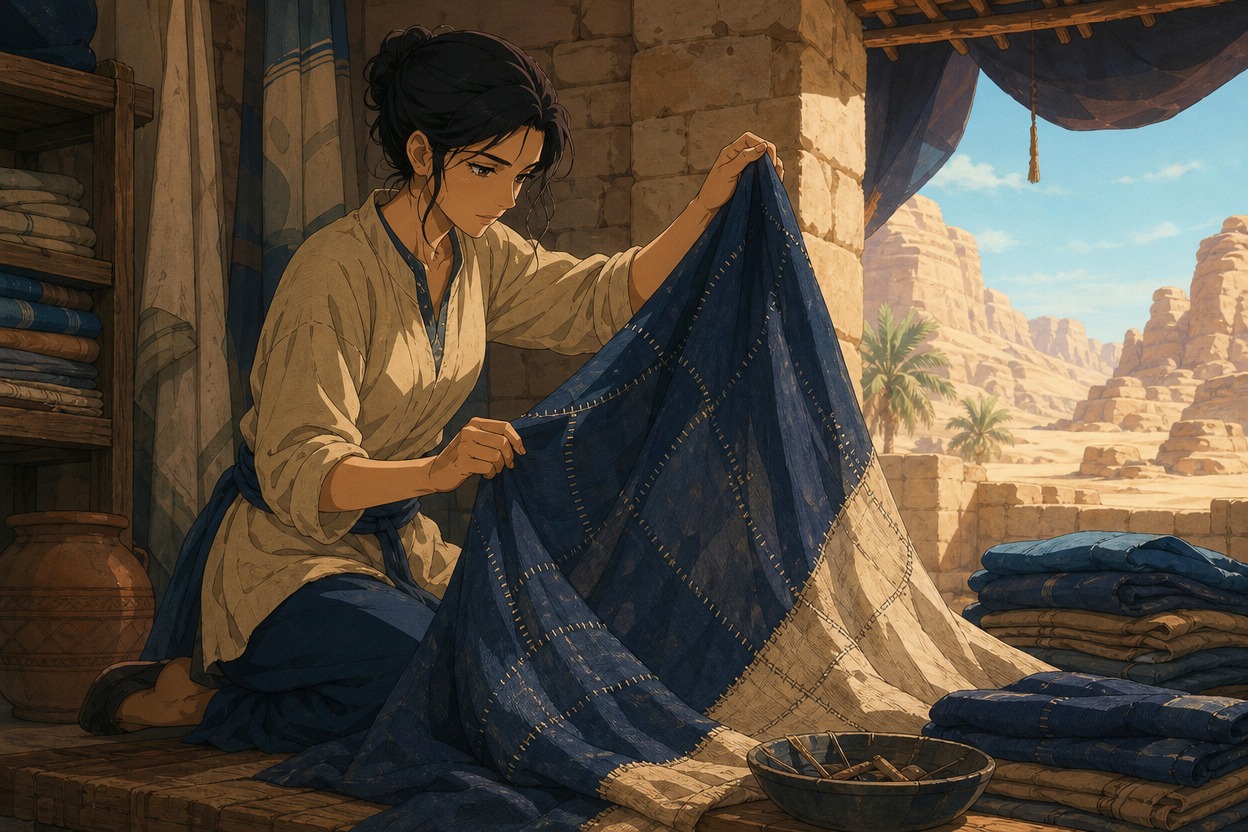
Japanese anime textile conservator kneels in a sandstone workshop inspecting repaired indigo cloth

OC Theme Directions With Meaning Beyond the Surface

Four parts of a planned text brief connect a design premise to the choices it could support.

0104

A Concept With Thematic Gravity

A seed such as repair or inherited duty becomes a central concept, recurring motifs, and a value tension in a written theme brief. The planned random OC theme generator gives scattered references a common reason to belong, helping a designer decide which details serve the idea rather than merely decorate it.
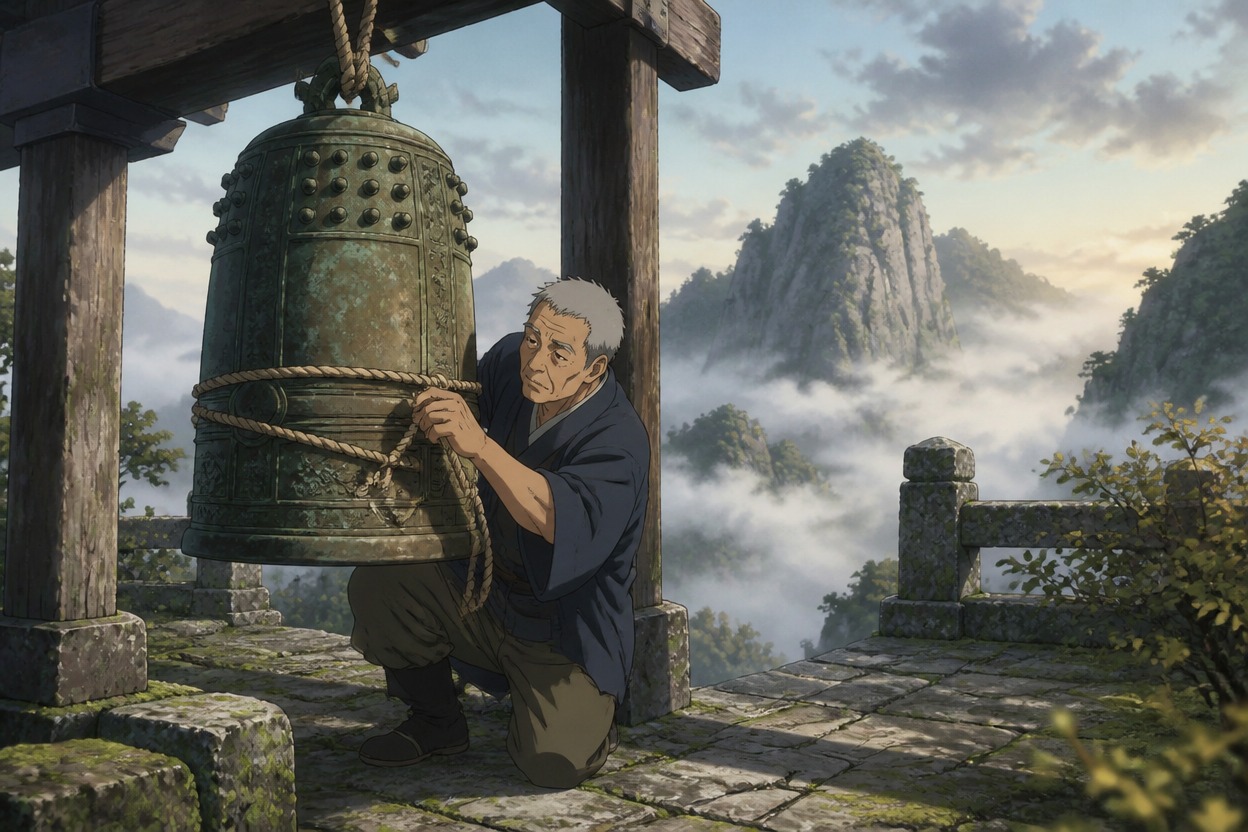
Japanese anime bell tender steadies a bound bronze bell on a misty alpine terrace

0204

Material Cues With Shared Meaning

Palette and material preferences shape a vocabulary of textures, surfaces, and symbolic contrasts in the theme brief. That text supports a later design decision without dictating a pose or camera angle; the AI anime generator is an optional visual follow-up, not this tool’s output.

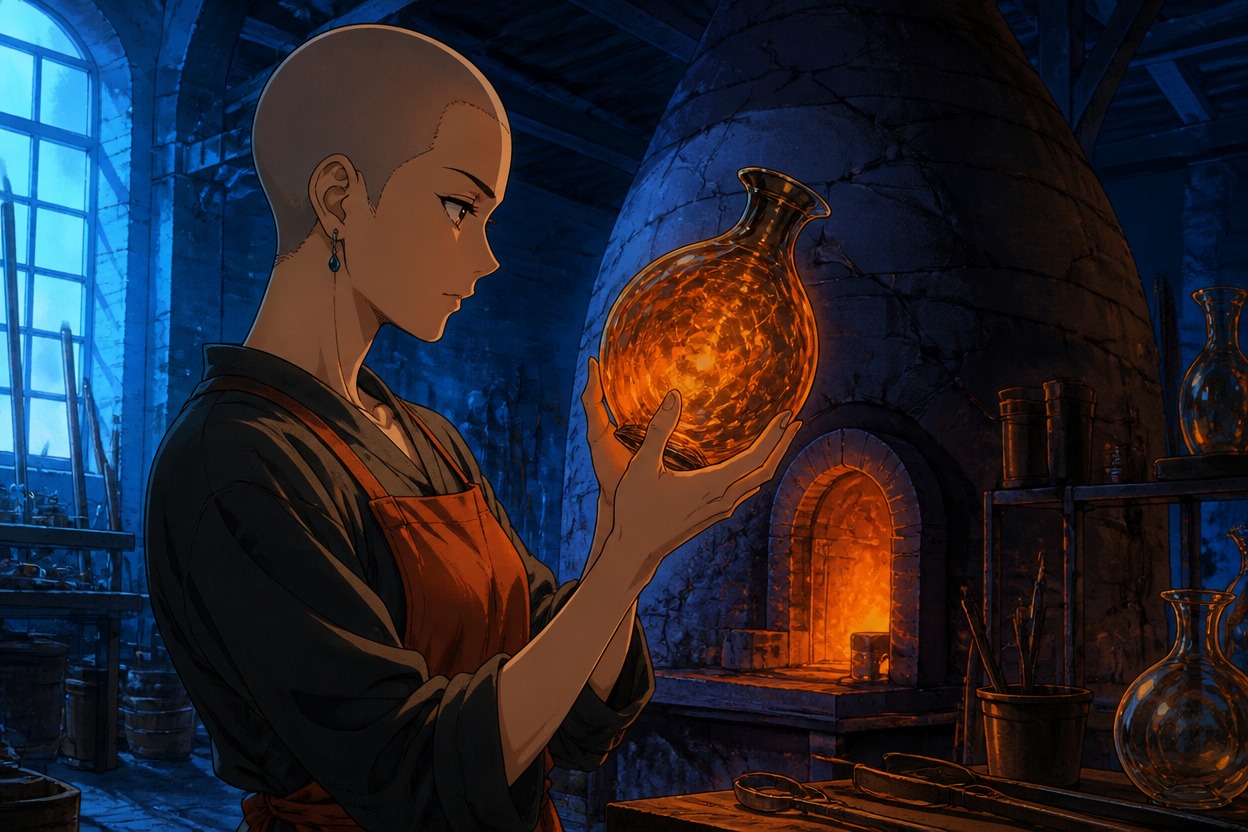
Japanese anime shaved-headed glass artisan holds an amber vessel in a blue-lit brick studio

0304

Tension Beyond a Decorative Aesthetic

A stated contrast, such as shelter versus freedom, becomes a thematic question with motifs that point toward both sides. The output gives a costume or recurring object an interpretive purpose, without assigning a diagnosis, a fixed personality, or the events of a character’s past.

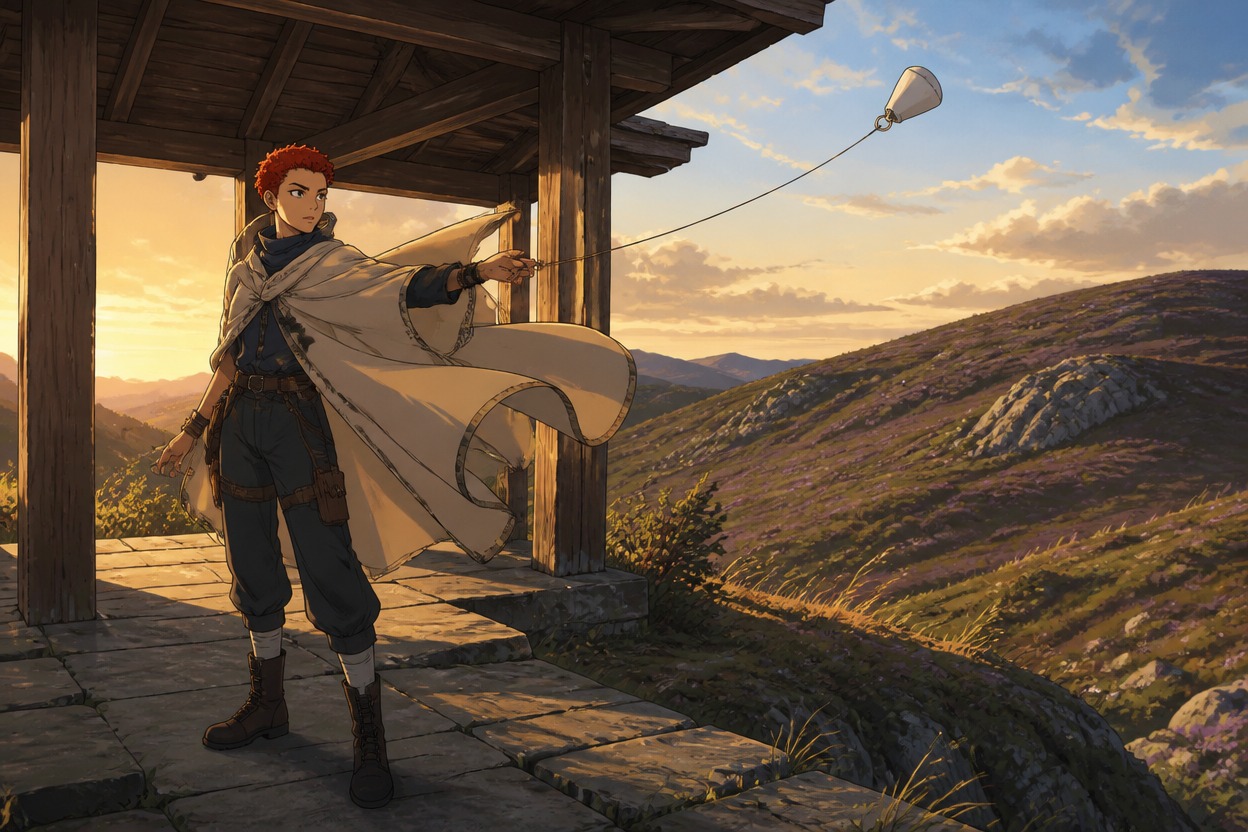
Japanese anime red-haired wind surveyor handles a tether as a pale cape billows beside a hillside pavilion

0404

Variations Around One Guiding Idea

Alternative theme directions change the emphasis of a seed while keeping their explanations separate. A theme about renewal might favor careful restoration or disruptive growth, making tradeoffs easier to compare before an optional OC maker visual exploration. These are text alternatives, not finished designs.

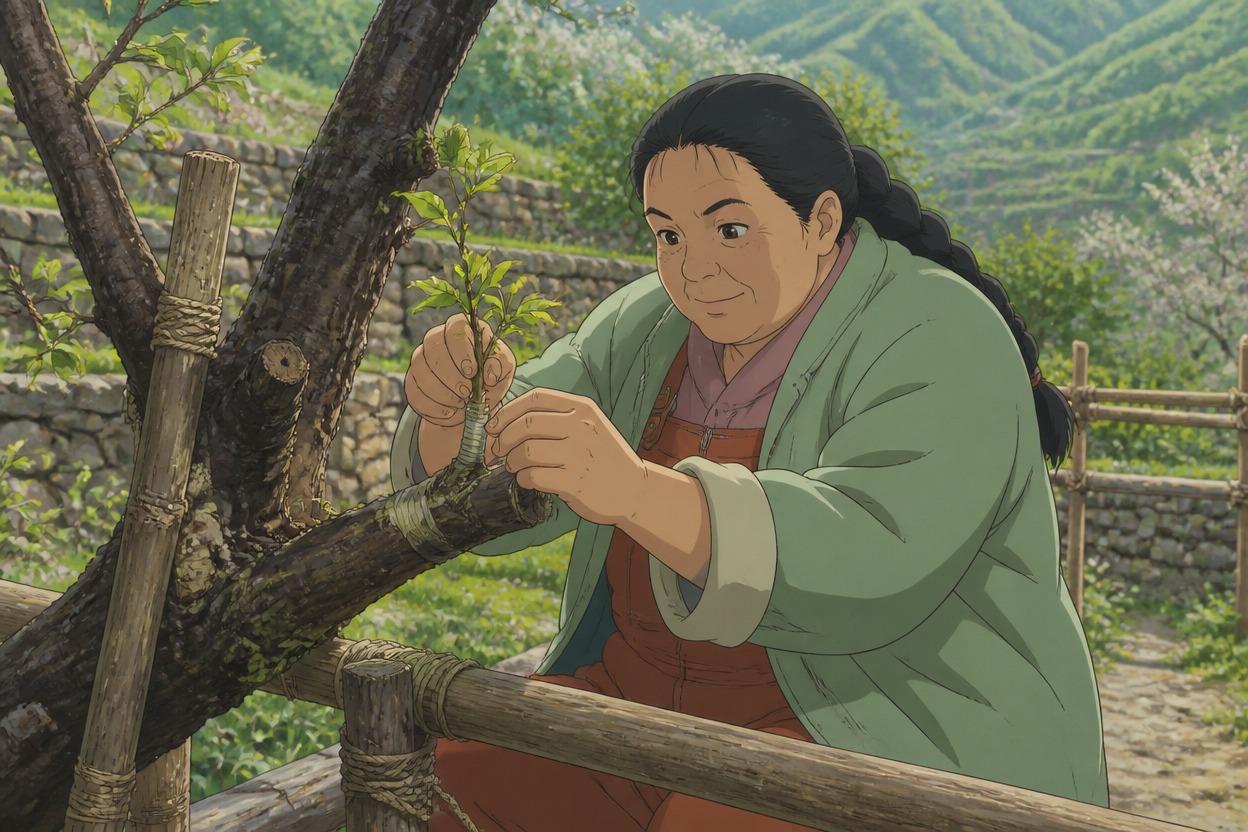
Japanese anime orchard specialist examines a grafted shoot on a weathered tree in a terraced garden

Why Use This OC Theme Generator

Additional planned controls keep thematic exploration bounded without filling every character field.

  • 01

    Setting-Aware Suggestions

    Setting context grounds theme language in available materials rather than importing industrial imagery into an earlier era.

  • 02

    Established Design Anchors

    Named design facts provide a defined starting point for thematic exploration without requiring a full redesign.

  • 03

    Excluded Motif Boundaries

    Excluded symbols shape the requested directions beyond familiar shortcuts such as skulls, crowns, or repeated emblems.

  • 04

    Adjustable Symbolic Intensity

    Understated and overt symbolism options fit different tones without making every accessory a dramatic statement.

  • 05

    Compact Sharing Notes

    A short thematic summary supports collaborator discussion while keeping the guiding premise separate from a full dossier.

  • 06

    Open Character Decisions

    Undecided names, anatomy, and occupations leave room for later choices while a guiding concept begins to connect the design.

Find the Idea Your Details Should Serve

This workflow describes the planned tool, not an implemented interface.

  1. Separate Anchors From Open Space

    Write one fixed design fact and one undecided question. For example: a weathered ceramic body is fixed, but whether repairs mean shame or pride is open. Leave the seed blank only when you want a surprise direction.

  2. Define the Symbolic Range

    Add setting, desired subtlety, any palette or material preferences, and excluded motifs. Request a theme brief rather than a finished biography, then generate a small set of thematic alternatives.

  3. Check the Connection, Not the Quantity

    Read the concept beside its motifs and value tension. If a symbol is only decoration, request a clearer connection; if every detail repeats the same idea, ask for one counterpoint before selecting a direction.

Develop the Chosen Theme in Related Tools

Frequently Asked Questions

Questions About Character Themes and Symbolism

What Is an OC Theme Generator?

It is a planned text tool for finding a guiding idea behind a character design. A theme brief connects a central concept to motifs, a palette and material vocabulary, a value tension, and alternative emphases. It does not generate a complete OC, a story, images, or music.

How Do I Use the OC Theme Generator?

Provide a seed idea or leave it open for a surprise direction, then identify fixed design details and excluded symbols. Set the setting and symbolic subtlety before requesting theme alternatives. Keep the direction whose motifs explain the concept rather than simply matching its colors.

Is the Random OC Theme Generator Free?

OCMaker AI offers a free tier, but access and allowances for this planned theme tool are not confirmed. Check current pricing and account details if it becomes available. A platform free tier does not establish free theme generations or unlimited variations.

Can I Use a Theme Brief for a Commercial Character Design?

Check OCMaker AI’s current terms and any applicable conditions before using a brief in paid design work. Review rights to reference artwork, supplied text, and distinctive third-party symbols. A theme suggestion does not clear those rights or guarantee exclusive ownership of a concept.

What Is the Difference Between a Theme, a Motif, and an Aesthetic?

A theme is the idea being explored, such as whether repair changes identity. A motif is a recurring element that can express it, such as visible seams. An aesthetic is the overall sensory style. A weathered pastel look can support that theme, but the palette alone does not establish it.

Does an OC Theme Mean a Theme Song?

Not on this page. Theme means a conceptual direction for a character, not a soundtrack, melody, or audio file. A musical association may inspire your own design thinking, but composing music is outside the planned text output.

How Is a Theme Brief Different From an Art Prompt?

A theme brief explains why particular elements belong together and leaves execution open. An art prompt specifies a subject and visual instructions for a particular image. A theme about fragile permanence can inform many compositions; it is not itself a pose, lighting setup, or model-ready prompt.

Can I Make a Theme Without Choosing a Color Palette?

Yes, within the proposed specification: palette is an optional input, not the concept’s foundation. A theme about shelter and freedom can first use enclosing and opening forms. Color suggestions can remain tentative until the idea works without them.

Why Do Random Themes Feel Like Unrelated Nouns?

A list such as velvet, eclipse, and antlers may share a mood but no meaning. Ask for the relationship each motif has to one central question. Remove any item that cannot explain that relationship; adding more nouns usually makes the problem harder to see.

Can a Gentle Character Have a Dark Theme?

A dark thematic question does not require cruel behavior or a villain role. A gentle figure might embody care in a place that treats tenderness as weakness. Keep the conceptual tension separate from moral alignment rather than letting a dark palette decide the character’s ethics.

How Can Two Characters Share a Theme Without Matching Outfits?

Let them express different answers to the same question. Under a theme of permanence, one could preserve damaged materials while another accepts decay. Their motif logic can be related while their silhouettes, palettes, and occupations remain independently chosen.

What If Every Suggested Symbol Feels Too Obvious?

Lower the requested symbolic intensity and exclude direct emblems. Instead of chains for obligation, consider repeated repairs or a garment whose structure restricts movement. Subtler cues still need an explained connection; vagueness is not the same as subtlety.

Give the Next Detail a Reason to Belong

Plan a direction with the random OC theme generator before deciding which symbols deserve a place in your character design.

OC Theme Generator: Motifs With Meaning